

Cali Rising: The Producers and Visionaries Turning a Wine Legend into a Living Future
However turbulent today’s world may be, shaken by impulsive decisions echoing from across the Atlantic, nothing can diminish our affection for Californian wine – not even tariff wars. This year marks the 50th anniversary of the legendary Judgment of Paris, the tasting that opened America to the wine world. It was the day that proved great wines could be born not only in France but also in the New World.
Today, California stands as the largest wine‑producing region in the United States and one of the most influential globally – a fact clearly reflected in the pool of Wine Travel Awards nominees. Among them are wineries whose bottles astonished the Parisian jury half a century ago.
Discover the Californian nominees at winetravelawards.com and support them with your vote – they deserve recognition just as much as they did 50 years ago.
Voting for the Wine Travel Awards 2025–2026 has begun – and if you have long wished to do something meaningful for the world without excessive effort, this is your moment.
But first, let us recall what happened half a century ago. In 1976, British wine merchant Steven Spurrier organised a blind tasting to mark the bicentennial of US independence (incidentally, an excellent occasion to congratulate our American friends – both wine lovers and abstainers, as well as WTA nominees – on their 250th anniversary). Spurrier decided to compare French wines with Californian ones, which at the time were virtually unknown to Europe’s wine elite.
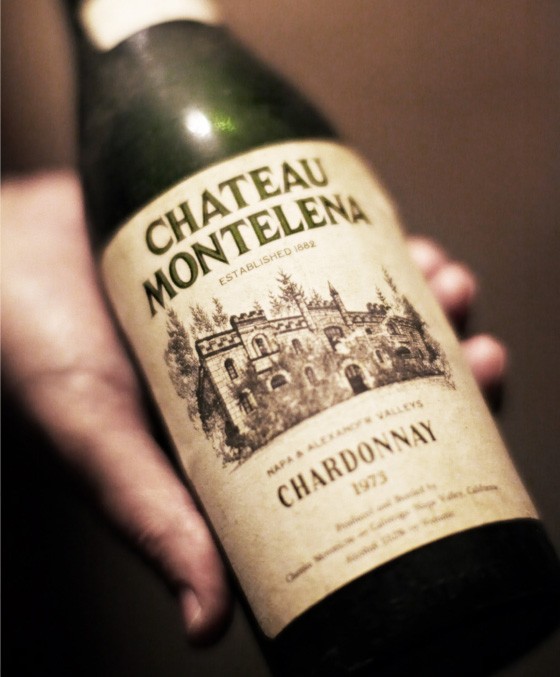
The tasting featured two categories: white wines (Chardonnay) and red wines (Cabernet Sauvignon). The results were nothing short of sensational. The winner among the whites was Chateau Montelena Chardonnay 1973, while the top red was Stag’s Leap Wine Cellars Cabernet Sauvignon 1973. French experts ranked them above the most celebrated wines of their own country, shattering the long‑held belief in the unquestionable superiority of European winemaking.
A new wine era had begun. The Judgment of Paris not only elevated interest in Californian wines but also inspired the development of winemaking across the globe – from Australia to Chile and South Africa.
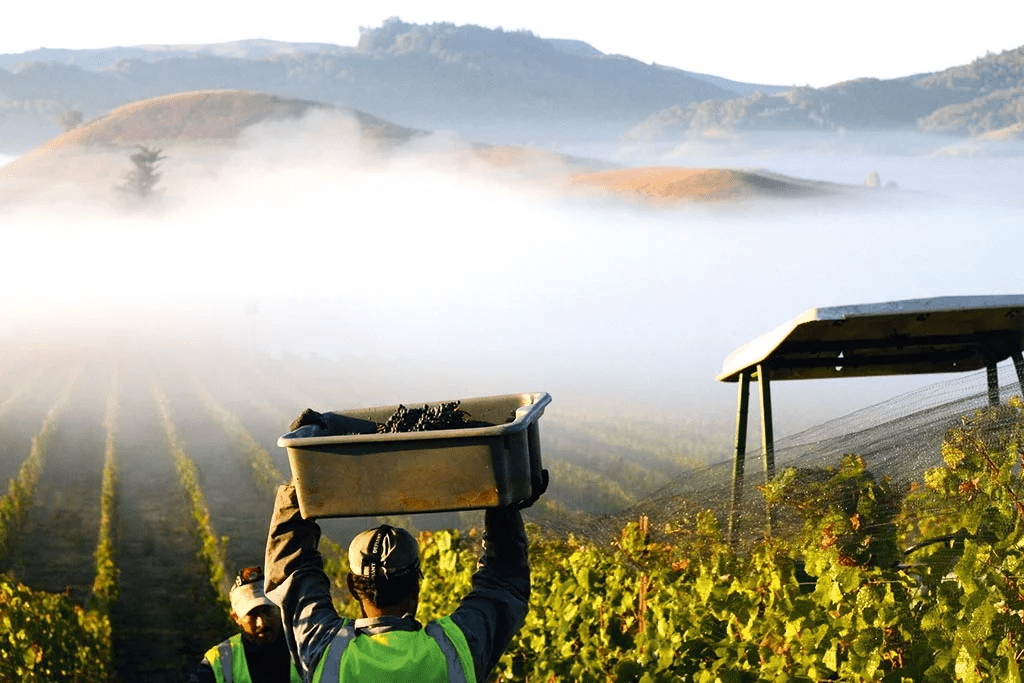
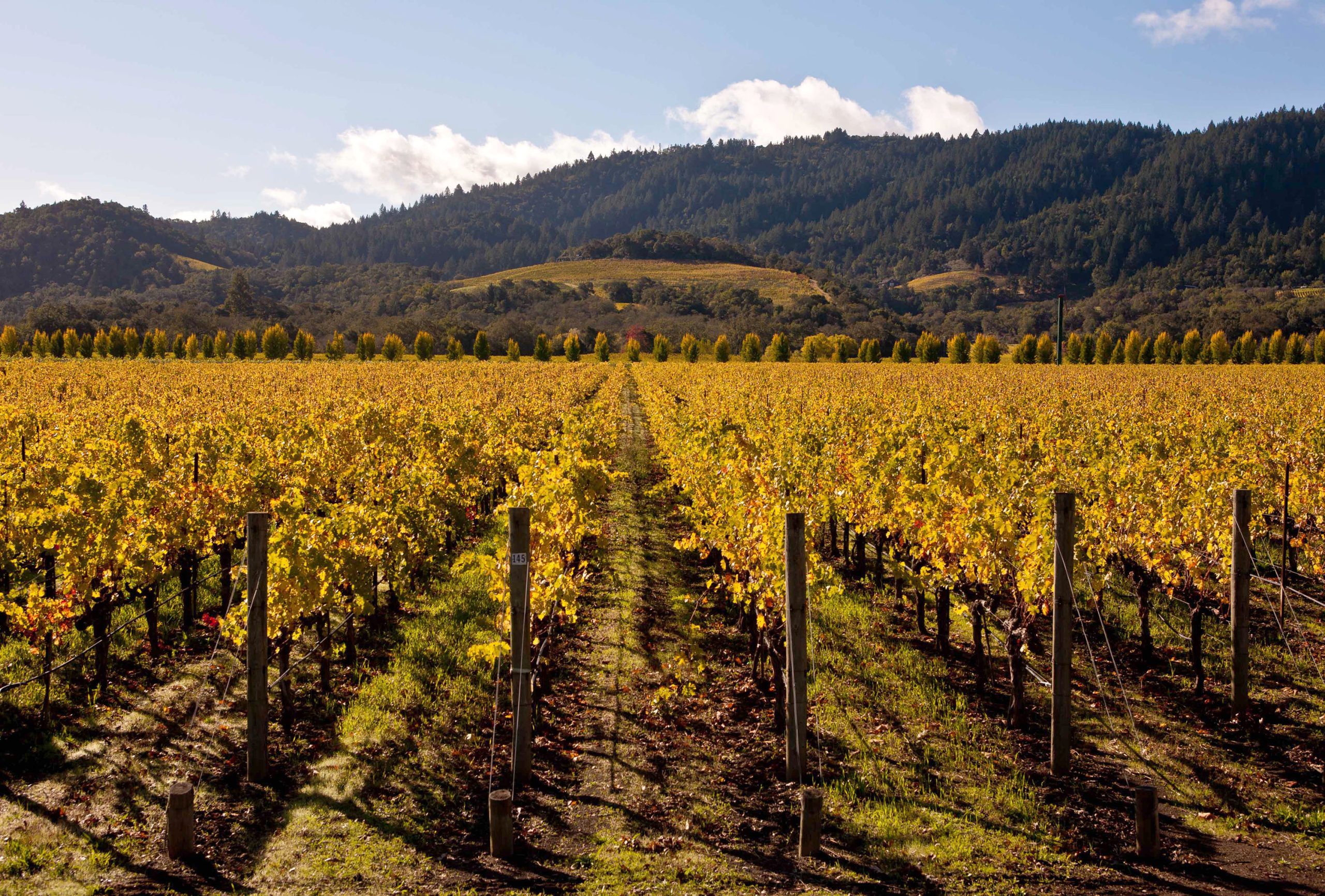
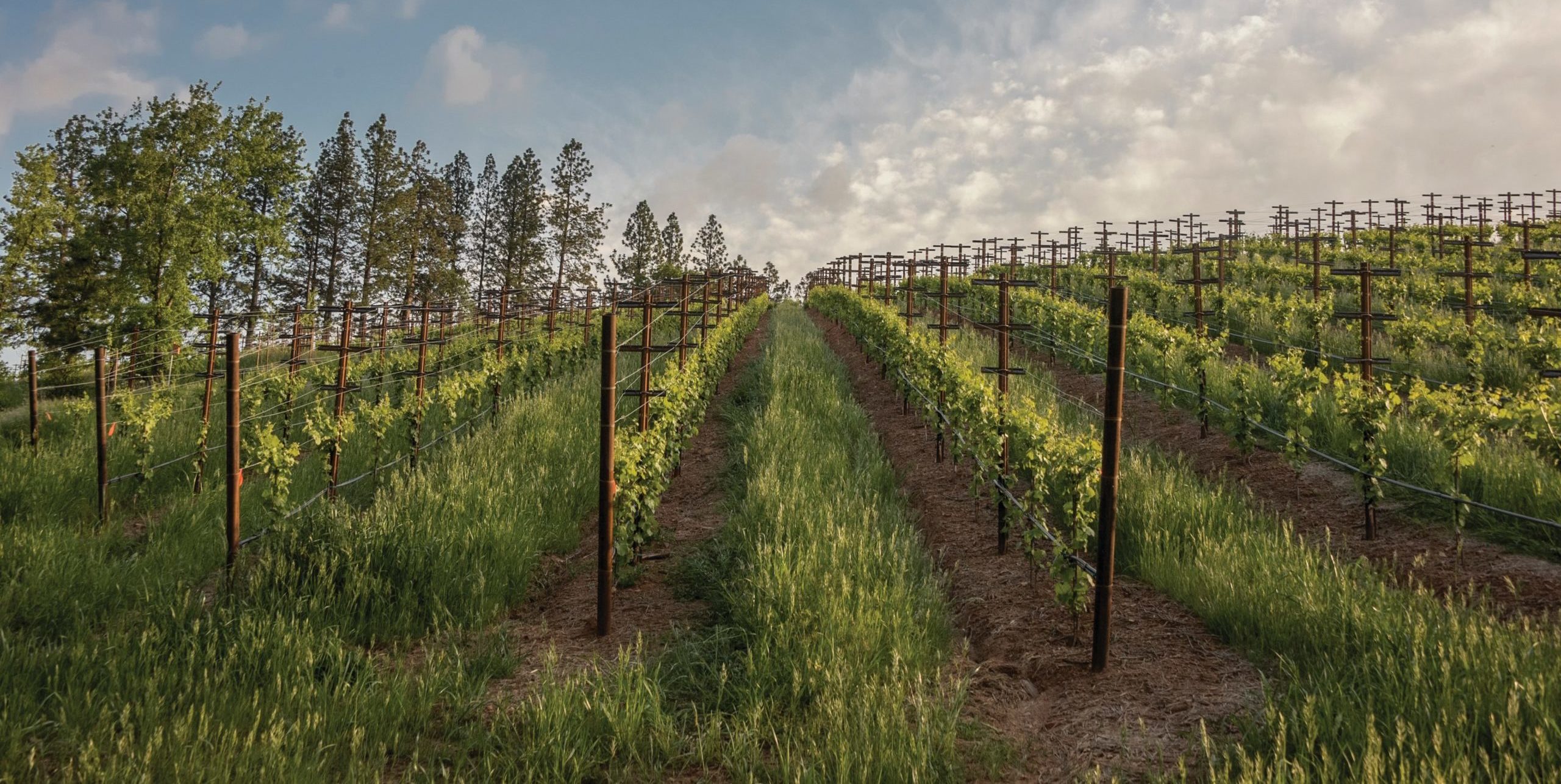
Today, California has become one of the world’s most prestigious wine regions. Beyond the famed Napa Valley, other areas such as Sonoma County, Paso Robles, and Santa Barbara County are rapidly evolving. The Californian wine industry now counts 4,608 producers, attracting more than 42 million tourist visits annually, generating – remarkably – over $8 billion.
Wines from Napa, Sonoma and Paso Robles regularly receive top scores from international critics, while California remains a global driver of innovation and a true mecca of wine tourism. The Wine Travel Awards editorial team could not overlook California in its 5th anniversary edition – or “Cali”, as sommeliers affectionately call this beloved wine country. From more than 4.5 thousand wineries, we have selected the brightest for you.
The Visiting Card of the Country – Brand – the Visiting Card of the Country
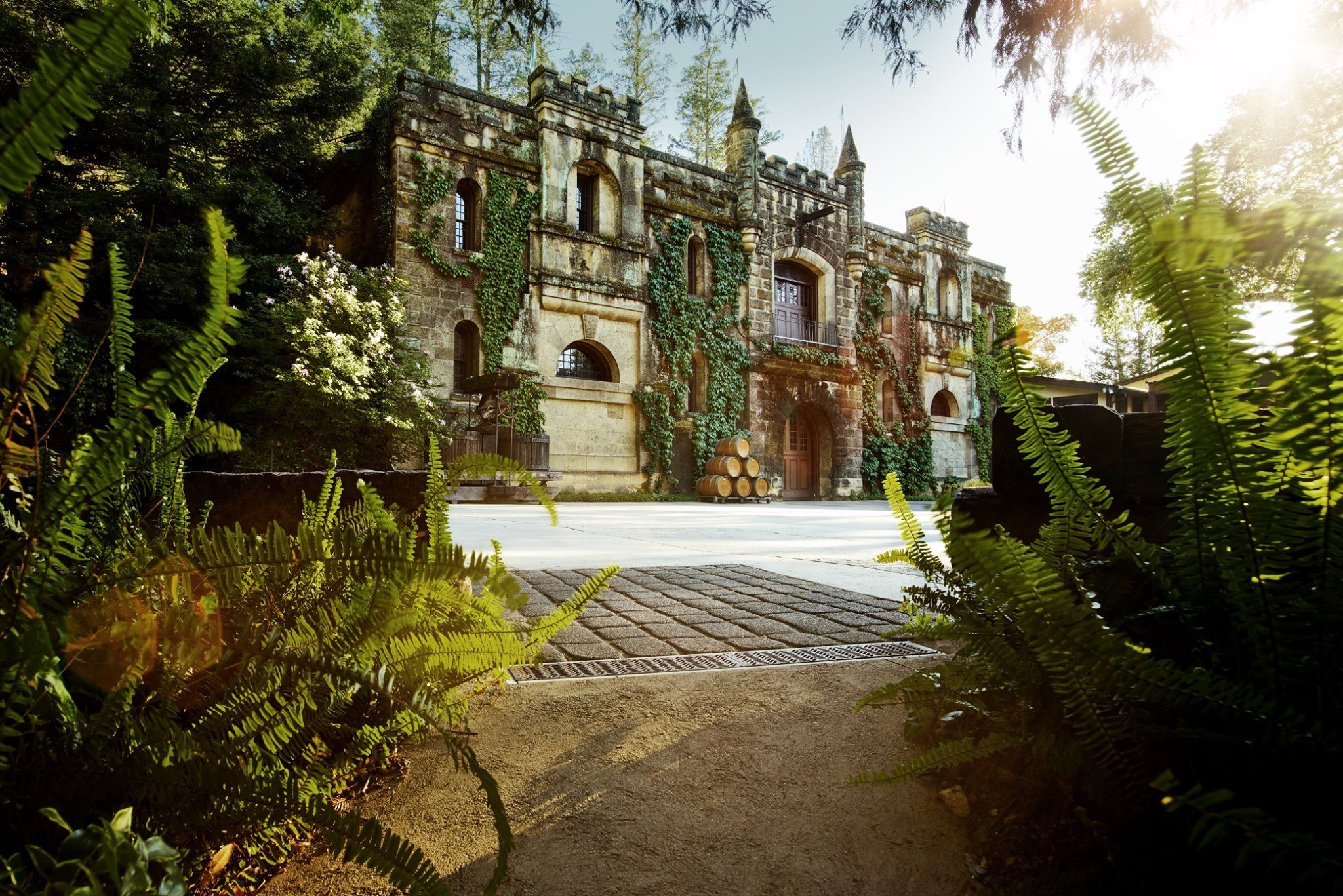
Chateau Montelena is directly linked to this year’s anniversary of the Judgment of Paris. Its wines triumphed over Europe’s finest and helped propel California onto the world wine stage. Today, the winery is an icon of quality, consistently producing some of the most sought‑after wines in the country.

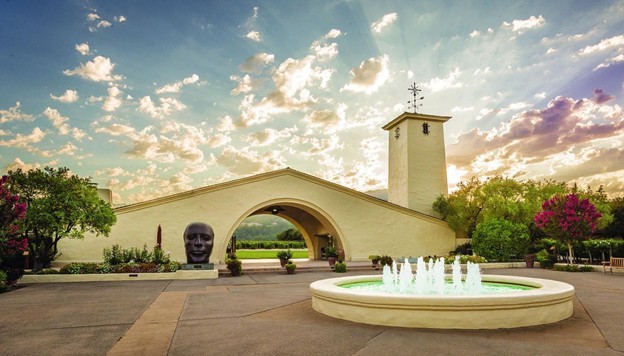
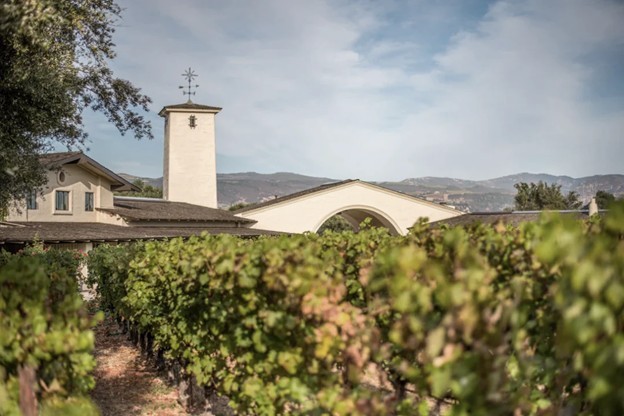
Robert Mondavi Winery has been a benchmark of innovation, excellence and craftsmanship in Napa Valley for nearly six decades. A true pioneer, Robert Mondavi not only shaped the region’s wine industry but also set standards that resonate worldwide. The winery now cultivates vineyards across Napa and Sonoma, with admirers in every corner of the globe.
The Visiting Card of the Country – Art & History Object
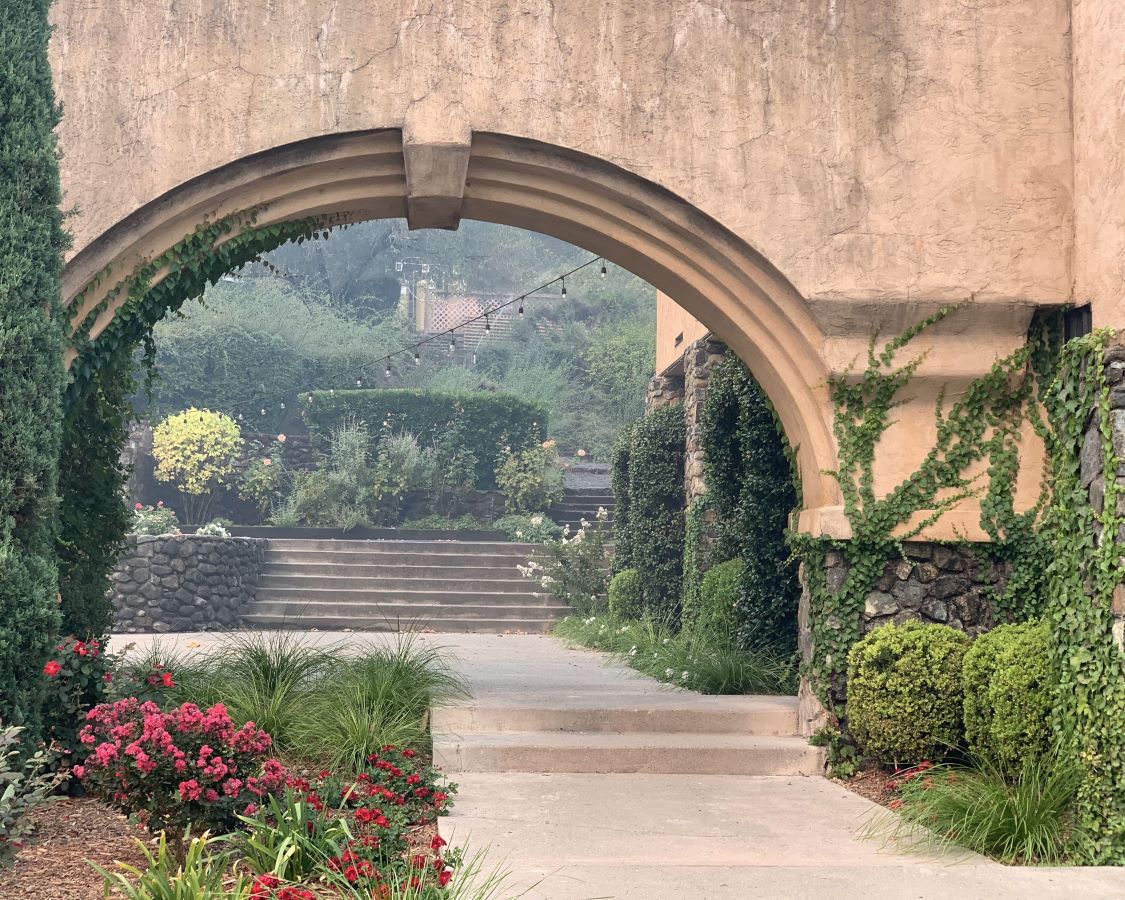
Cathiard Vineyard was acquired in 2020 by Florence and Daniel Cathiard, owners of Château Smith Haut Lafitte in Bordeaux. They fell in love with its picturesque biodiversity and were captivated by the winery’s cellars, set in near‑total darkness – an atmosphere reminiscent of a quiet temple devoted to life and time. This is a must‑visit estate.

The Visiting Card of the Country – Progressive Approach
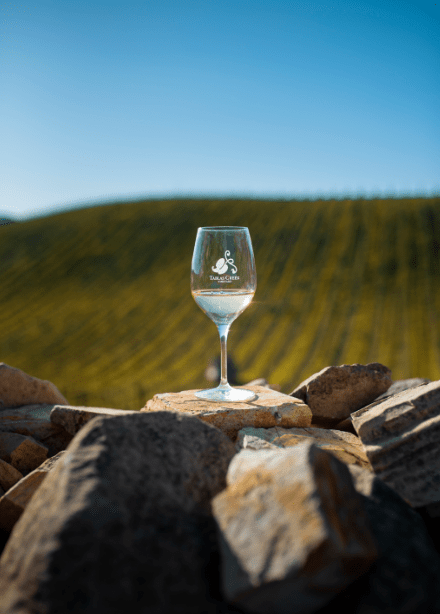
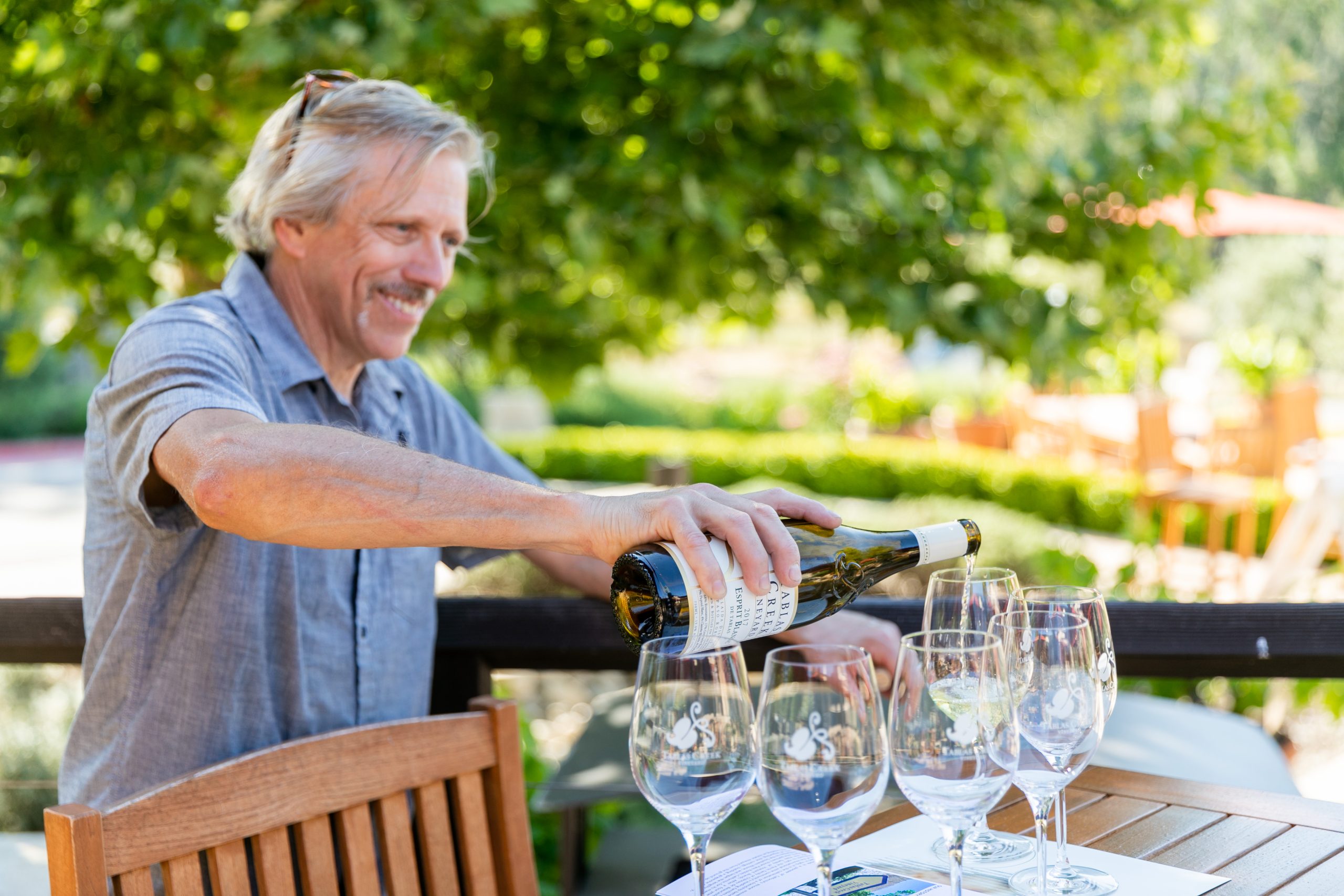
Tablas Creek Vineyard, founded in 1989 by the Perrin family (owners of Château de Beaucastel in Châteauneuf‑du‑Pape) and American importer Robert Haas, specialises in wines inspired by the Southern Rhône. It played a pivotal role in popularising Rhône varieties in California. Tablas Creek became the world’s first vineyard to receive Regenerative Organic Certified status, actively implementing ecological farming practices.
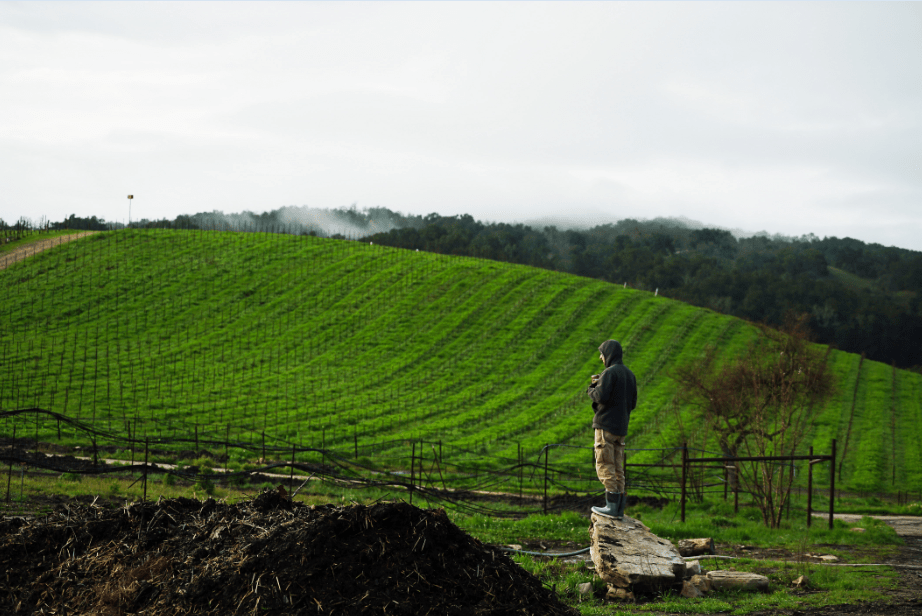
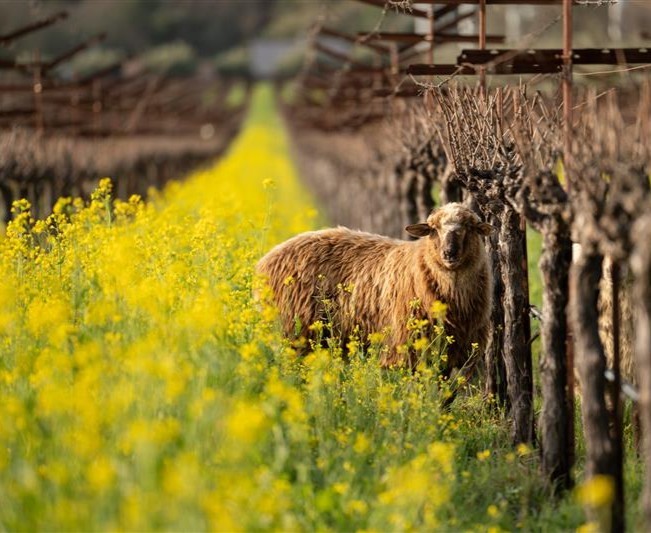
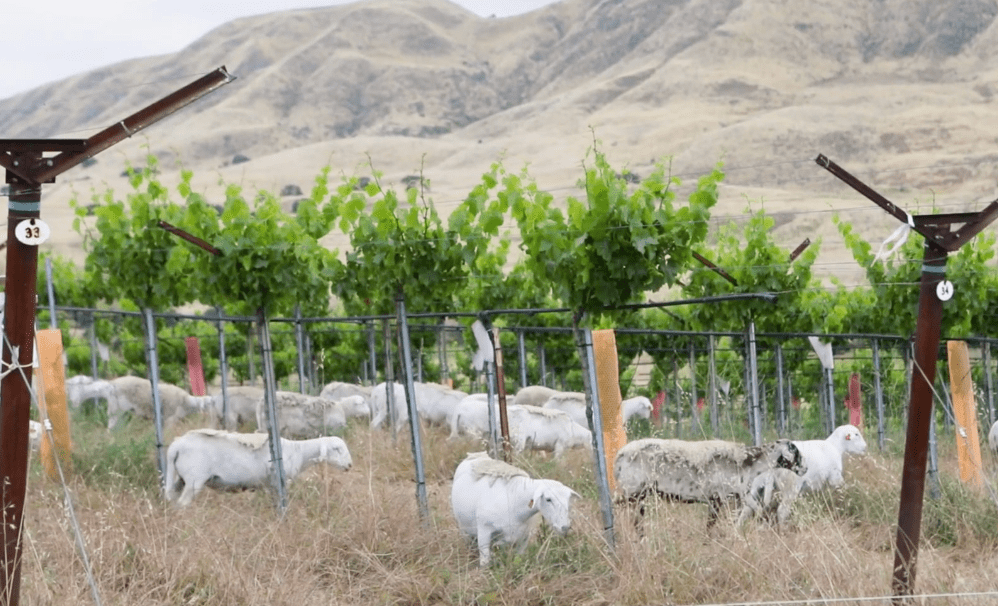
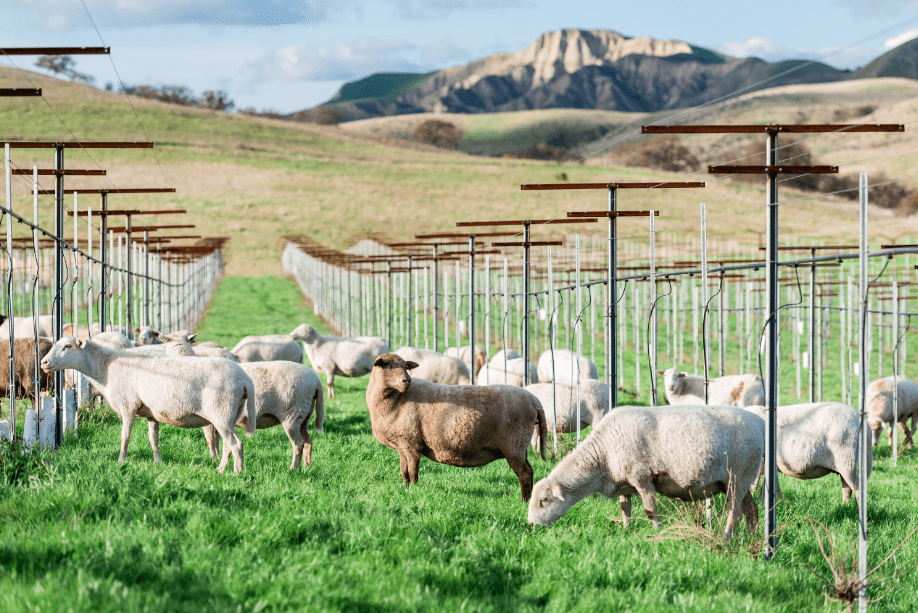
Paicines Ranch Vineyard is located on a historic ranch operating under regenerative agriculture principles. It is a polycultural system where viticulture is integrated with livestock – for example, sheep graze between the vines, naturally fertilising the soil and supporting biodiversity.
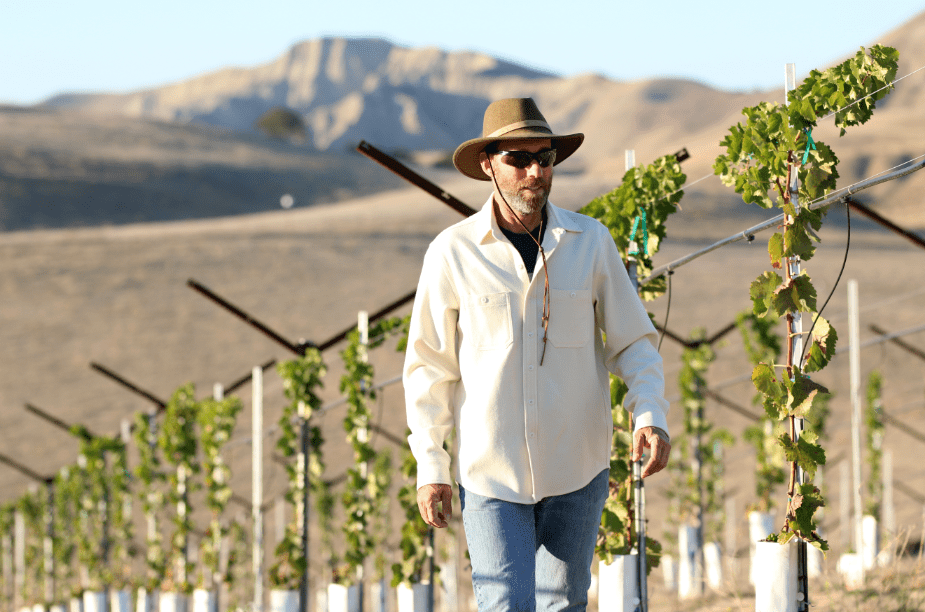
And wine is grown not only in California: The Vineyards at Dodon represent the state of Maryland. This boutique winery, founded in 2007 on a historic family farm, sits on the sandy Dodon Series soils that lend a distinctive minerality to its wines. The estate combines traditional farming with modern scientific approaches, emphasising sustainable and regenerative agriculture. It has also implemented practices that allow for a negative carbon footprint in wine production.

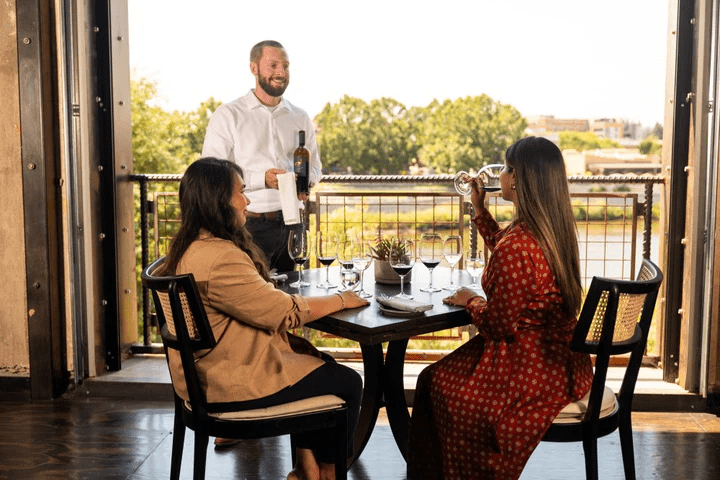
California remains one of the world’s most popular wine tourism destinations. Each year, millions of travellers visit its wineries, tasting rooms and gastronomic festivals.
International promotion of the region is coordinated by California Wines, representing California in the nomination The Visiting Card of the Country – Region of the Year.
California Wines is the official global marketing initiative of the California Wine Institute, promoting Californian wines and wine tourism on the international stage as one of the world’s leading wine regions.
In the nomination Education in Enotourism – Cultural Mission, the programme Capstone California is presented – an international educational initiative created by the California Wine Institute in partnership with California Wines, developed with the involvement of leading experts, including Masters of Wine and Master Sommeliers. Its mission is to provide structured, contemporary and comprehensive knowledge about Californian winemaking through a network of educator‑ambassadors.
Speaking of ambassadors, it is only fair – returning to the events of 50 years ago — to recall the role of journalist George M. Taber, who reported on the sensational Judgment of Paris tasting in Time magazine. The news spread instantly – and the wine world changed forever.
Where would we be without journalists, bloggers and writers? They are the heart of the WTA community. Despite pandemics, wars, embargoes and other global upheavals, they continue to travel, taste both the brilliant and the not‑so‑brilliant, and share their experiences from the most picturesque corners of the world where grapes are grown.
Wine & Food Influencer – The Brightest Journey:
Dr. Elizabeth Smith
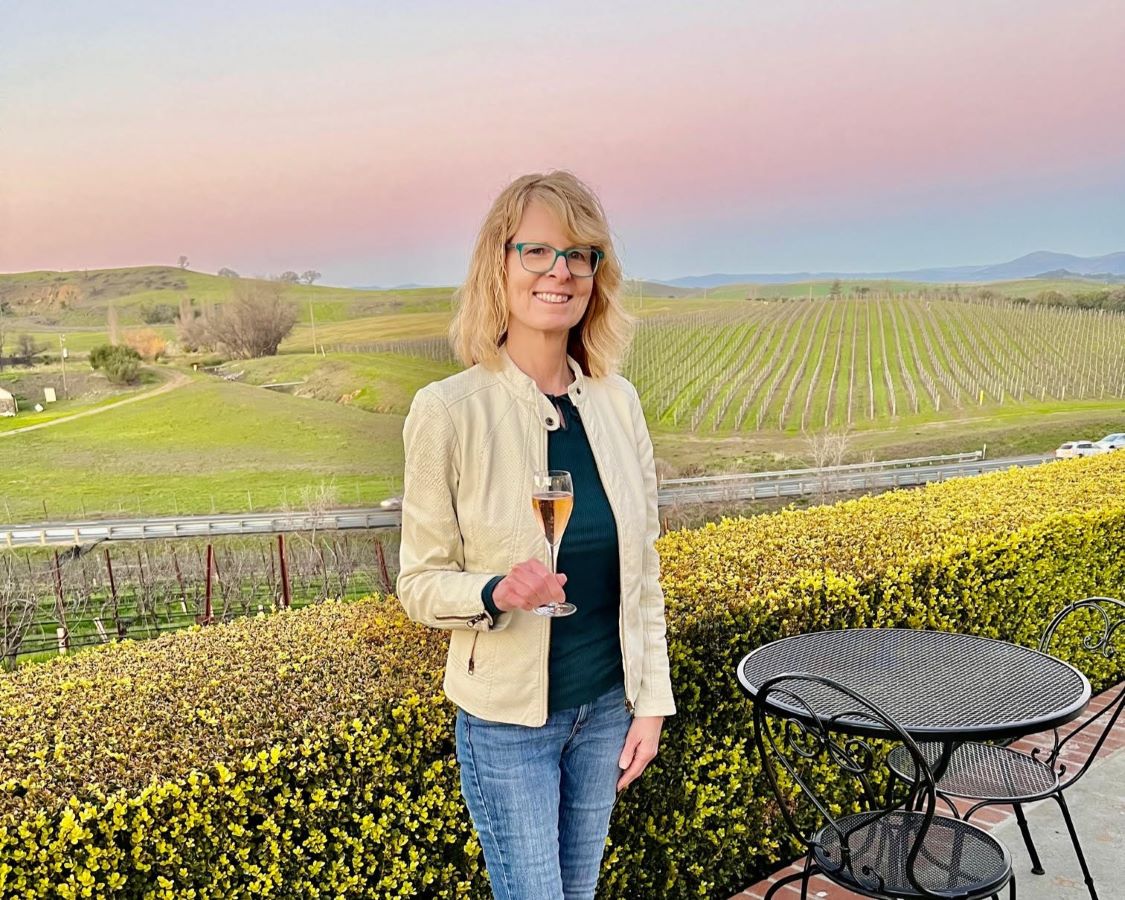
Gwendolyn Alley
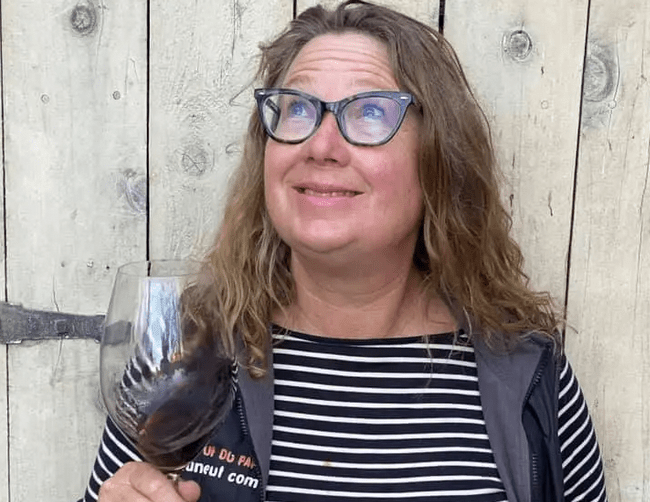
Jeff Burrows

Jamie Knee
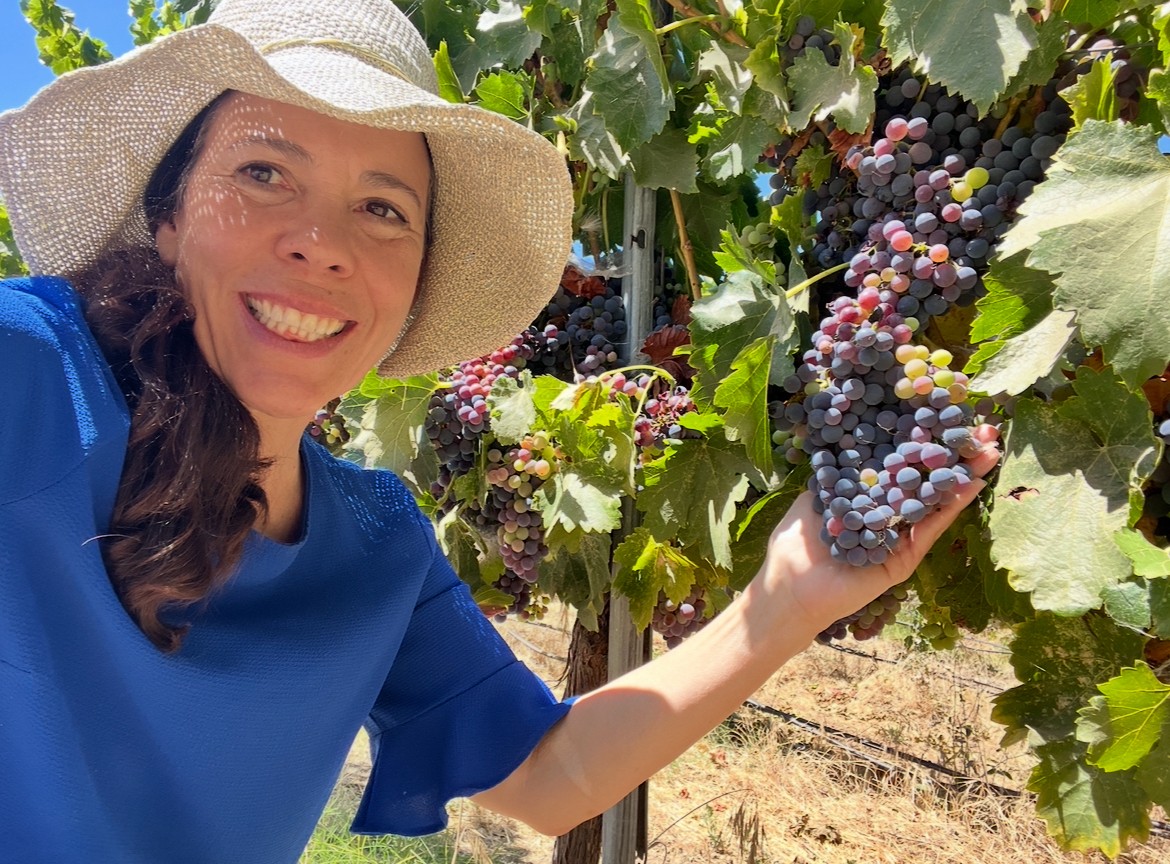
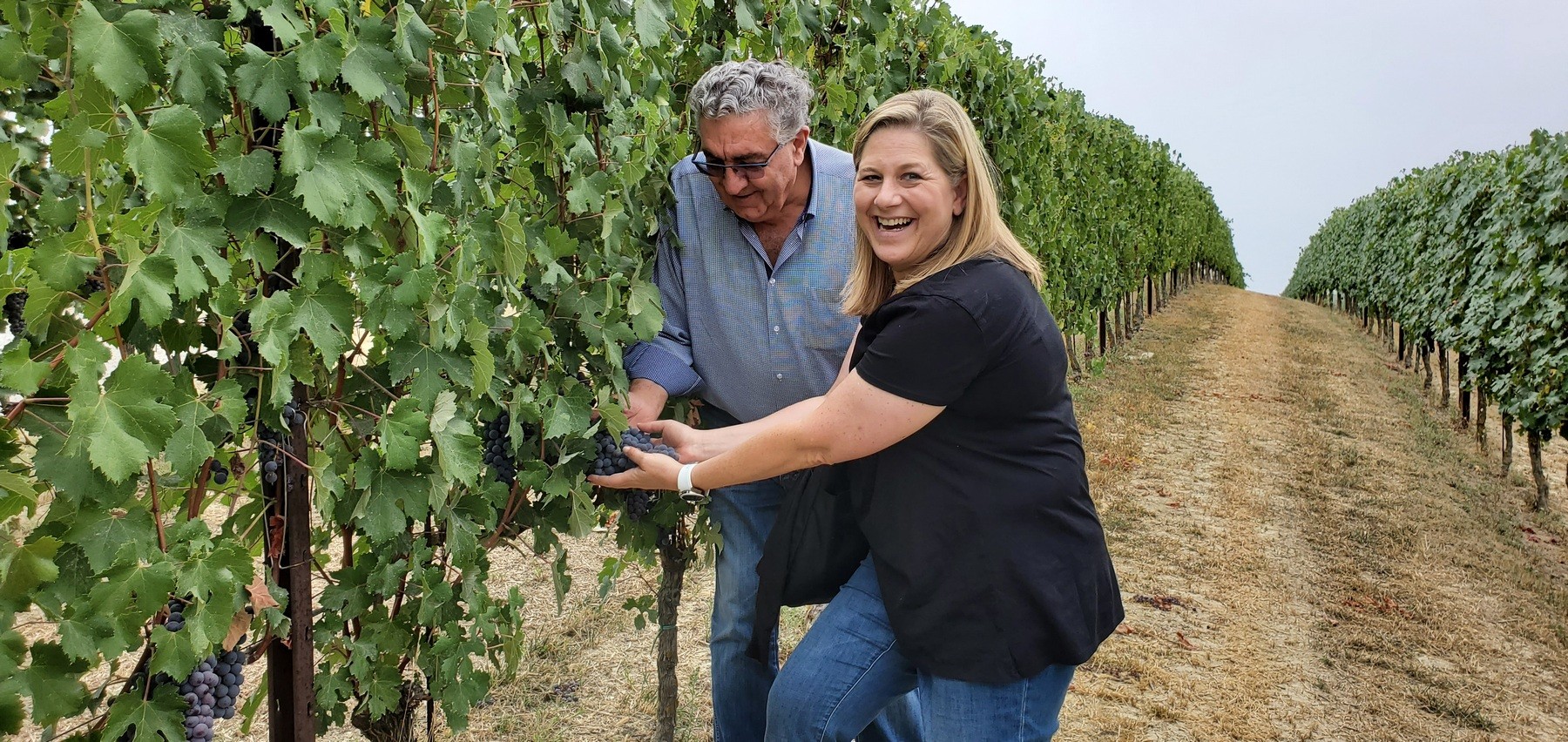
Allison Levine
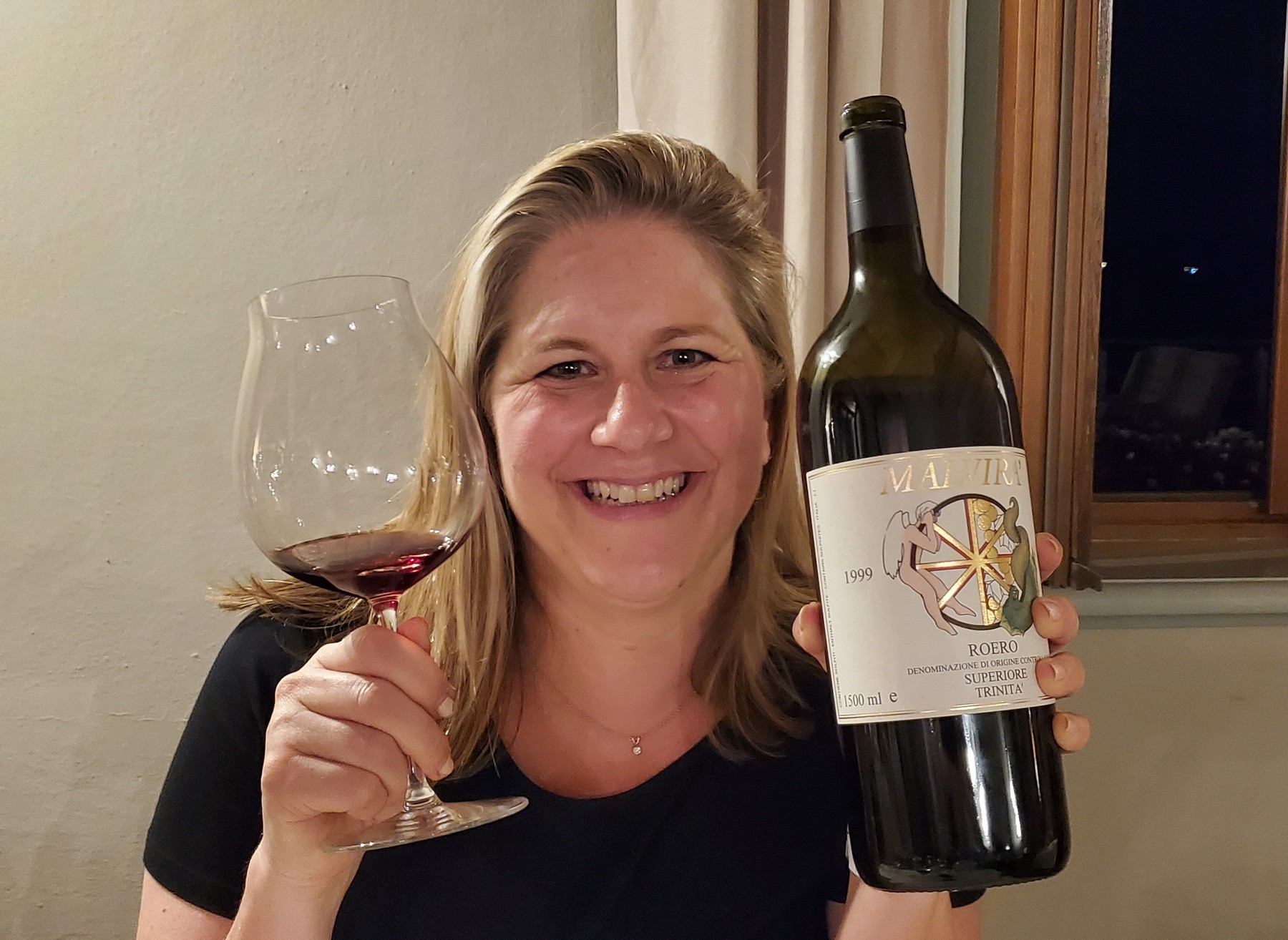
Wine & Food Influencer – Expert Opinion:
Dr. William “Rusty” Gaffney
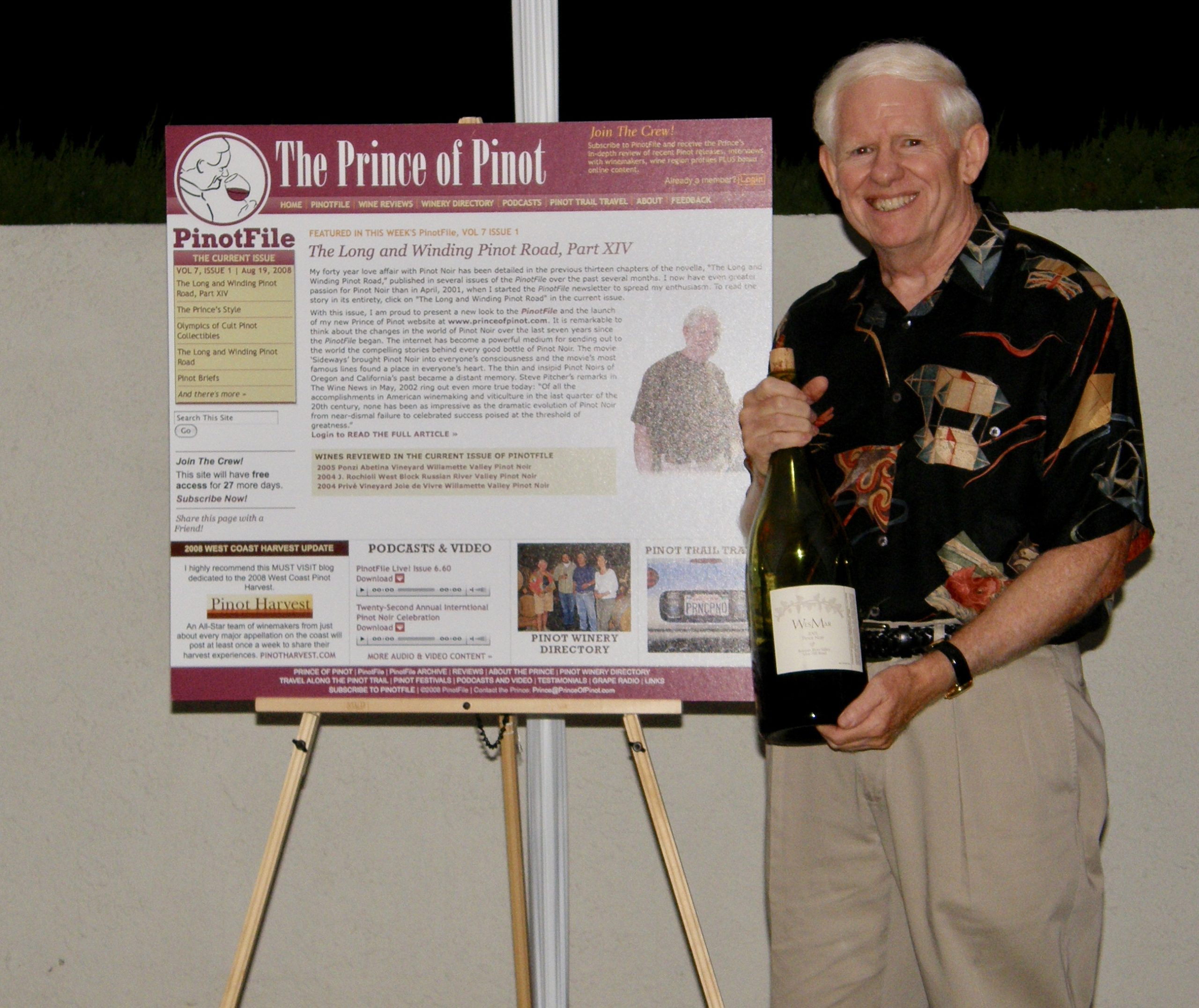
Allison Levine
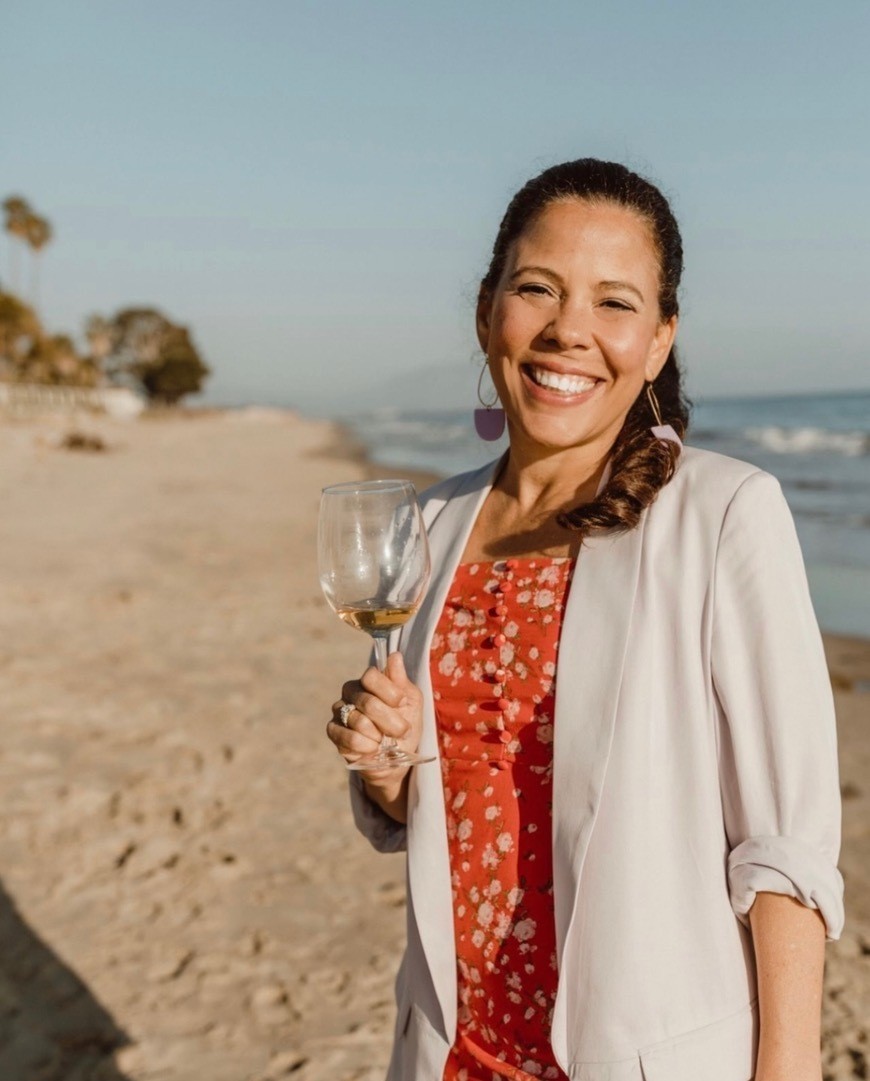
Ambassador – Ambassador of the Year
Jamie Knee
Vote for the nominees of the Wine Travel Awards 2025–2026 – because it is always better to make wine, drink wine, travel and enjoy life.
Make wine, not war!
Stay connected with Wine Travel Awards: