
Wine Under Pressure: Climate Stress and the Future of Viticulture
In one of our latest analytical publications, we present a professional industry overview based on the article “The consequences of the heat wave and extreme weather for winegrowers” by internationally recognised wine expert, judge of the Wine Travel Awards, and co-founder of BKWine – Per Karlsson.
Per Karlsson is a Sweden- and France-based wine and travel writer, photographer, editor of BKWine Magazine, co-founder of BKWine Tours, and a widely published contributor to international media including Forbes.com. Together with Britt Karlsson, he has authored thirteen wine books on viticulture, sustainability, and wine tourism. He is also a consultant, speaker, and tasting judge in numerous international wine competitions, and has been a distinguished jury member of the Wine Travel Awards since its inception.
The original article “The consequences of the heat wave and extreme weather for winegrowers” provides a detailed professional analysis of how extreme heat and climate volatility are reshaping European viticulture. Rather than focusing on weather as a short-term phenomenon, Karlsson examines its structural and long-term implications for the wine industry.
He highlights how accelerating grape ripening disrupts the classical balance between sugar accumulation, acidity, and phenolic maturity, leading to earlier harvests, stylistic shifts in wines, and increasing unpredictability in vintage outcomes. Viticulture is increasingly operating under non-linear seasonal conditions, where traditional harvest calendars are being fundamentally redefined.
“The consequences for winegrowers are significant and complex.”
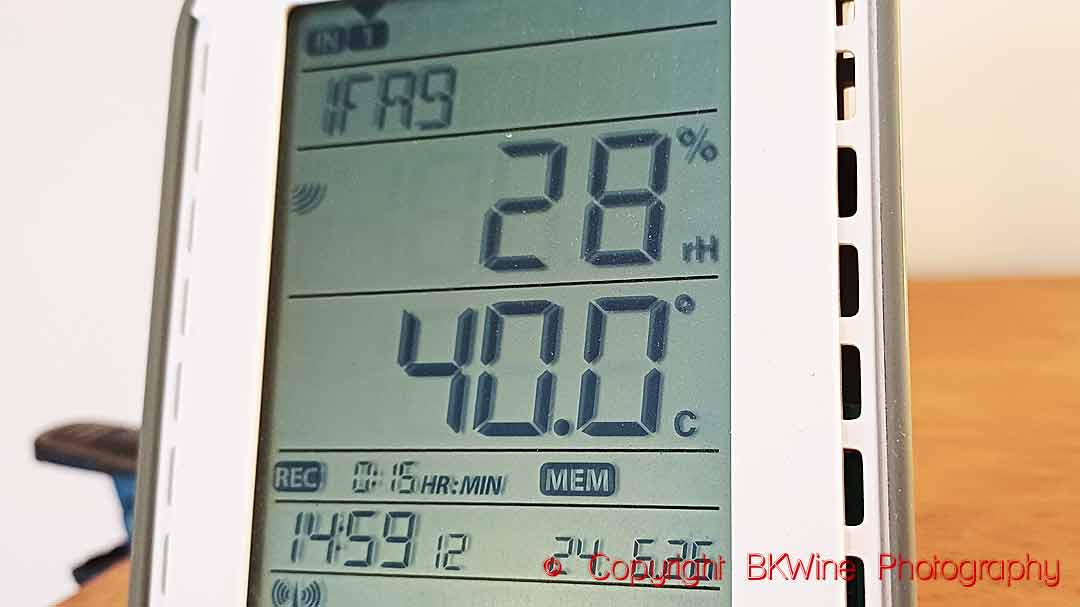
A significant part of the analysis is dedicated to operational consequences in the vineyard and winery: night or early-morning harvesting, grape cooling requirements, rising energy costs, and logistical complexity under extreme temperatures. Climate pressure is no longer an exception but an integrated part of production management.
Water availability and irrigation policy represent another core dimension of the article. Karlsson frames water not as a technical tool but as a strategic resource and a regulatory issue that directly shapes regional competitiveness within European wine production systems.
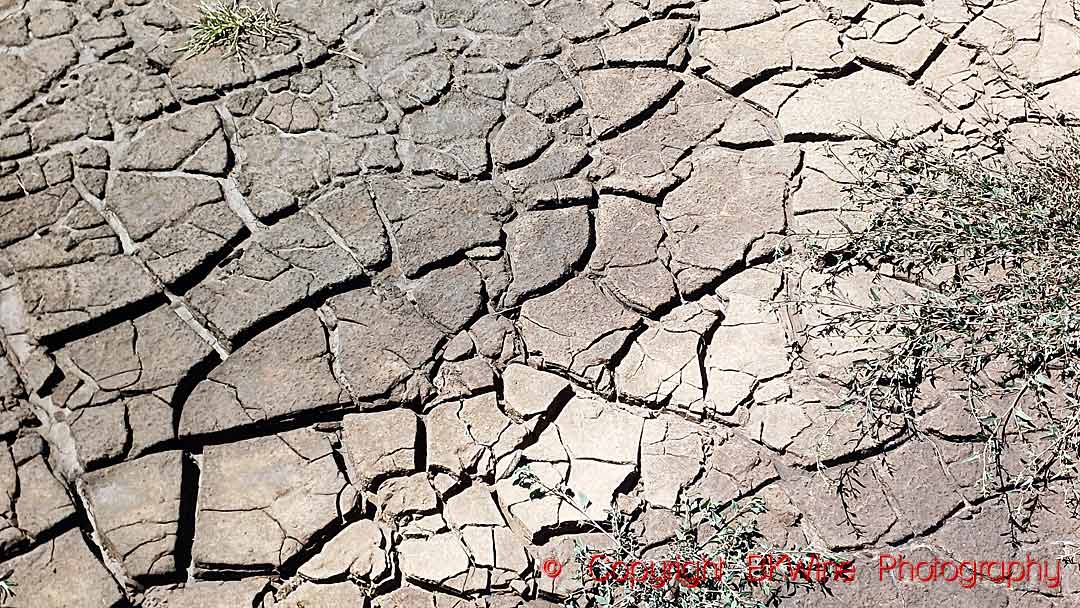
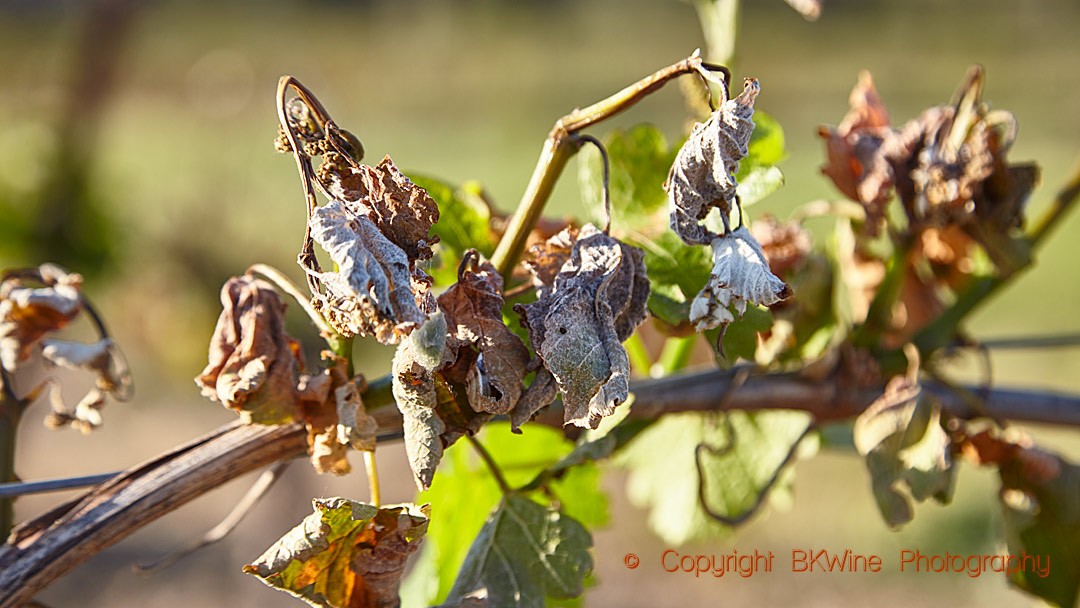
He further expands the discussion to a wider system of climate risks – droughts, wildfires, hail, frost, and heavy rainfall – treating them as interconnected stress factors that collectively define a new risk landscape for viticulture.
“The forces of the weather are testing us. We talk about ‘the elements’ when describing dramatic weather, and in this particular case, it seems as if the elements in the global radiator are stuck on high.”
In his strategic outlook, Karlsson notes that the industry is already undergoing structural adaptation through changes in grape varieties, rootstocks, vineyard locations, and viticultural practices. He discusses developments in countries such as England and Sweden, noting that they have shown progress in wine production and can produce wines of good quality. However, he stresses that their production scale remains very limited in global terms, with only a few thousand hectares in England and a few hundred hectares in Sweden compared to around 7,000,000 hectares of vineyards worldwide. He further points out that if climate change were to make large-scale wine production possible in Sweden, this would indicate much more serious global climate implications than the development of wine production itself.
Stay connected with Wine Travel Awards:
Photo: BKWine