
Nicolas Cuissard: “We are not here to dictate the future; we are here to create it together”

In February 2027, the global wine community will once again turn its gaze toward France for the next edition of Wine Paris – an event that has rapidly established itself as Europe’s premier industrial magnet. Today, the global scales of influence are visibly shifting, with traditional exhibition giants being forced to cede ground. The coming year is poised to deliver the definitive verdict on whether Paris will permanently secure its crown as the undisputed Number One exhibition in the world of wine.
On the eve of this pivotal moment, the Director of Wine Paris sits down exclusively with Drinks+ and the Wine Travel Awards to share insider insights on the project’s phenomenal trajectory, the landmark visit of Emmanuel Macron, the seamless integration of gastronomy, and the exhibition’s ambitious vision for February 2027.
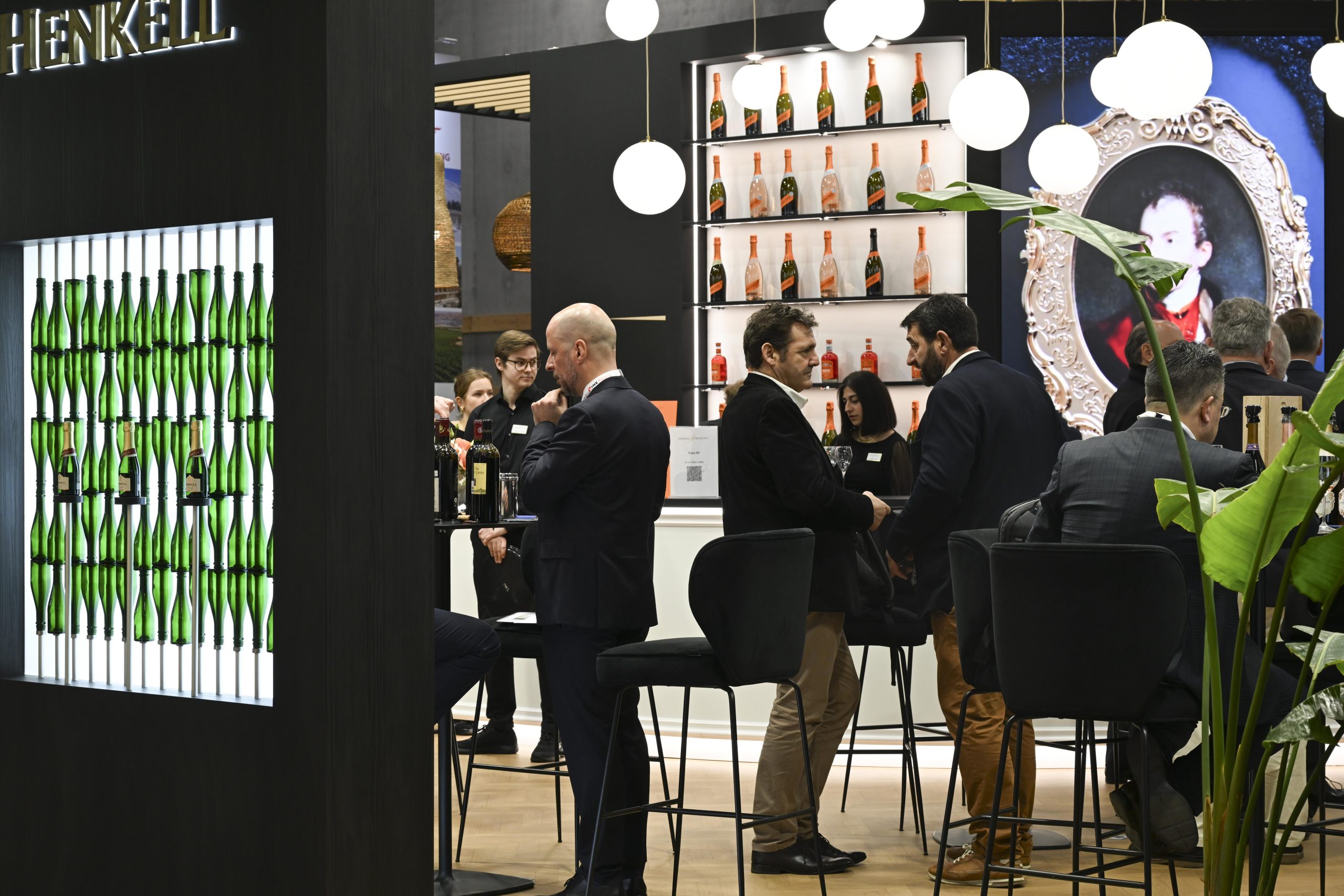
Wine Paris 2026 demonstrated remarkable momentum, welcoming more than 63,000 visitors from 169 countries and over 6,500 exhibitors. In your view, which three key factors were most instrumental in driving such growth and international mobilisation? Additionally, what numerical targets do you anticipate for 2027?
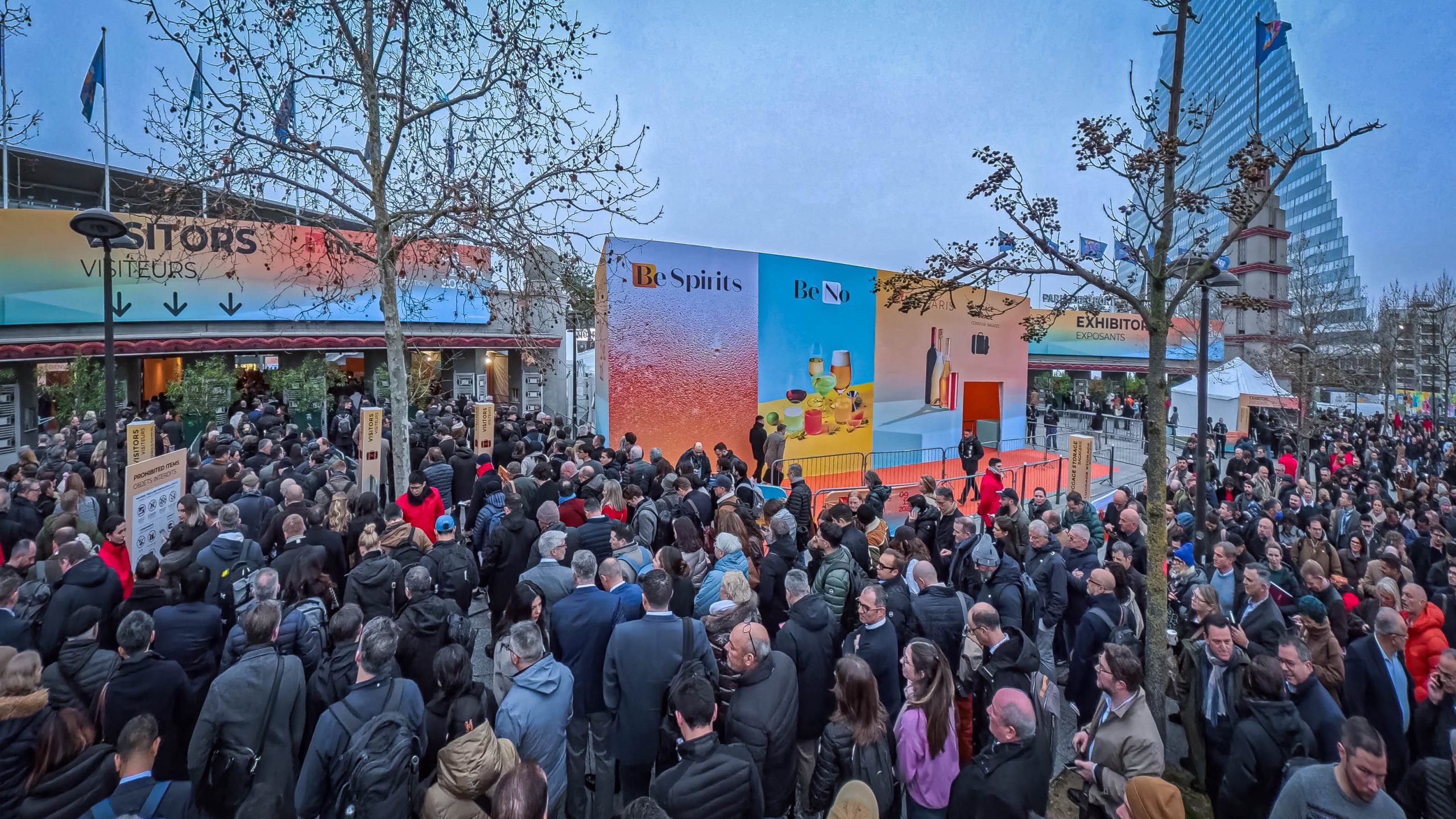
Nicolas Cuissard: Three things really explain this momentum. First, Wine Paris has become genuinely international. In 2026, 51% of our 63,541 visitors were international, and our 6,537 exhibitors came from 63 countries. Producers come because they know they can meet buyers, importers and distributors from many different markets in just three days. Buyers come because they know they will find an increasingly diverse international offer. That is what makes the model work.
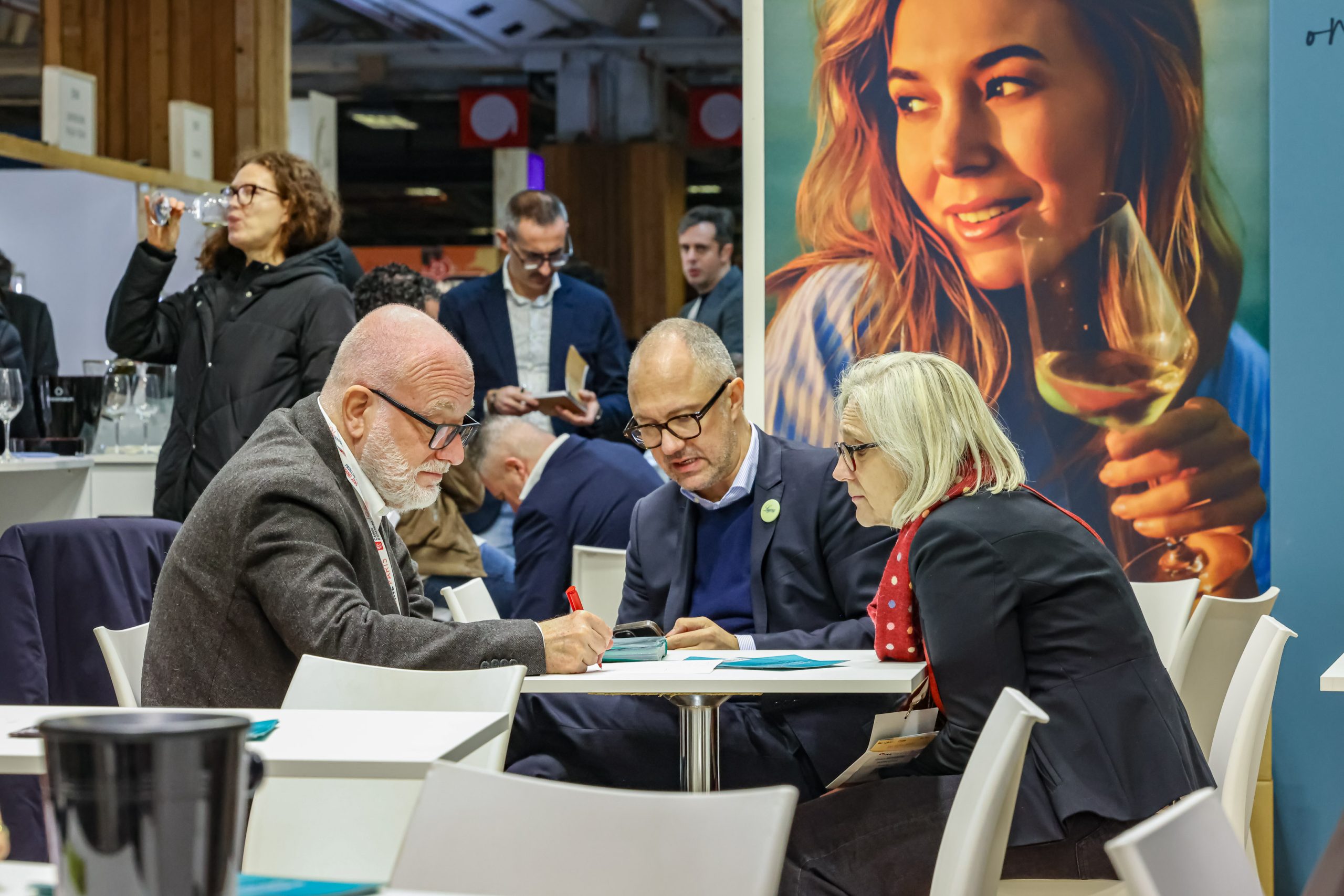
Second, the show has to be useful. We had nearly 26,000 pre-scheduled meetings in 2026, up 28%, and 20% more top buyers. In the current market, time and budgets are under pressure, so professionals need a place where they can work efficiently, identify opportunities and build relationships.
And then there is Paris. It is easy to reach, people want to come here, and the experience does not stop when the show closes. For 2027, I would rather focus on the quality of our growth than announce a number for the sake of it. The priority is to keep bringing the right people together and make those three days as valuable as possible.
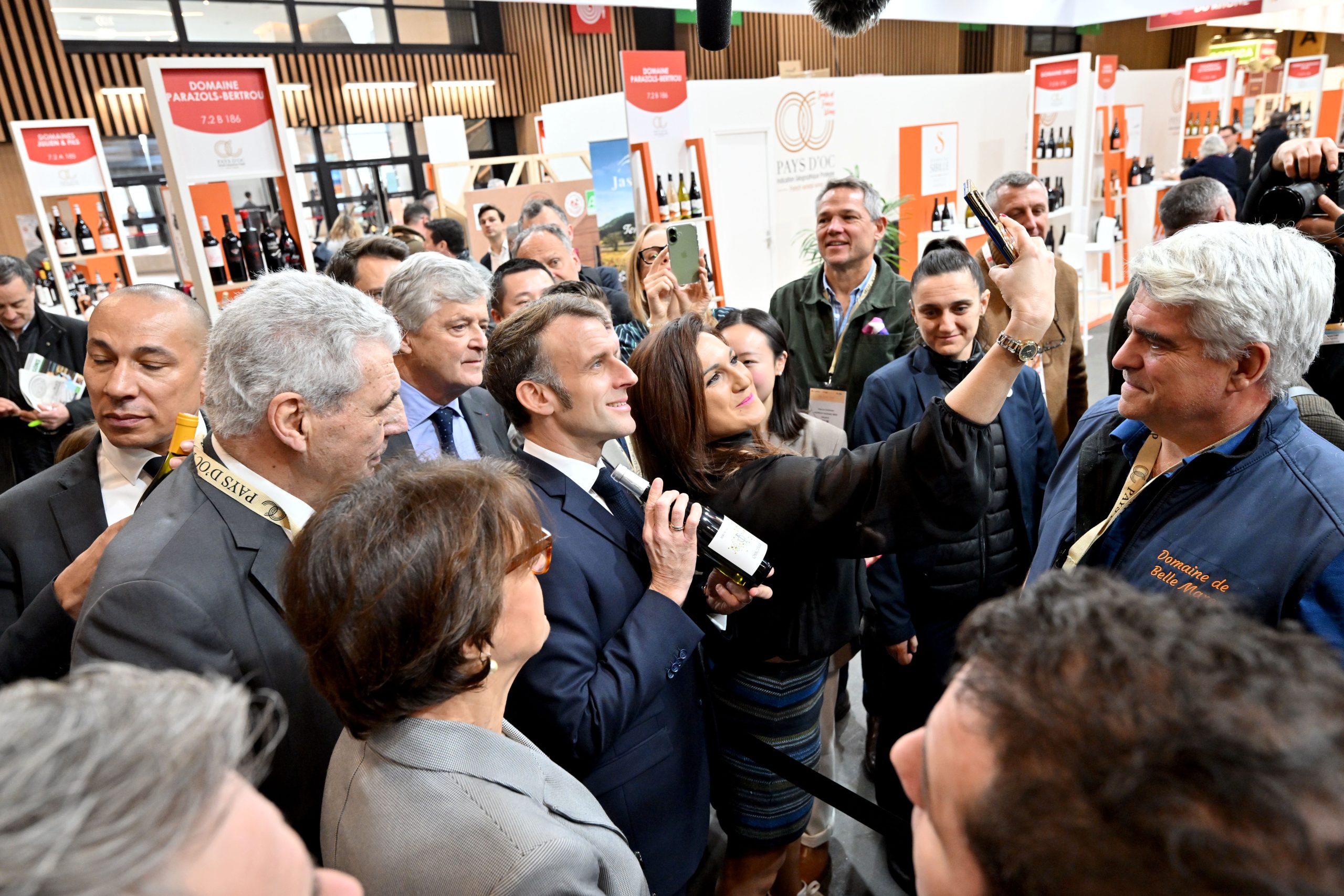
In 2026, Wine Paris was inaugurated for the first time by the President of France, Emmanuel Macron – an unprecedented gesture of governmental attention to the sector. How would you assess the impact of this moment on the international standing of the exhibition? Are there further avenues of state support currently being considered?
Nicolas Cuissard: It was a very important moment, but I see it first as a strong signal for the industry itself. Having the President of the French Republic open Wine Paris recognised the economic, cultural and international importance of the wine and spirits sector.
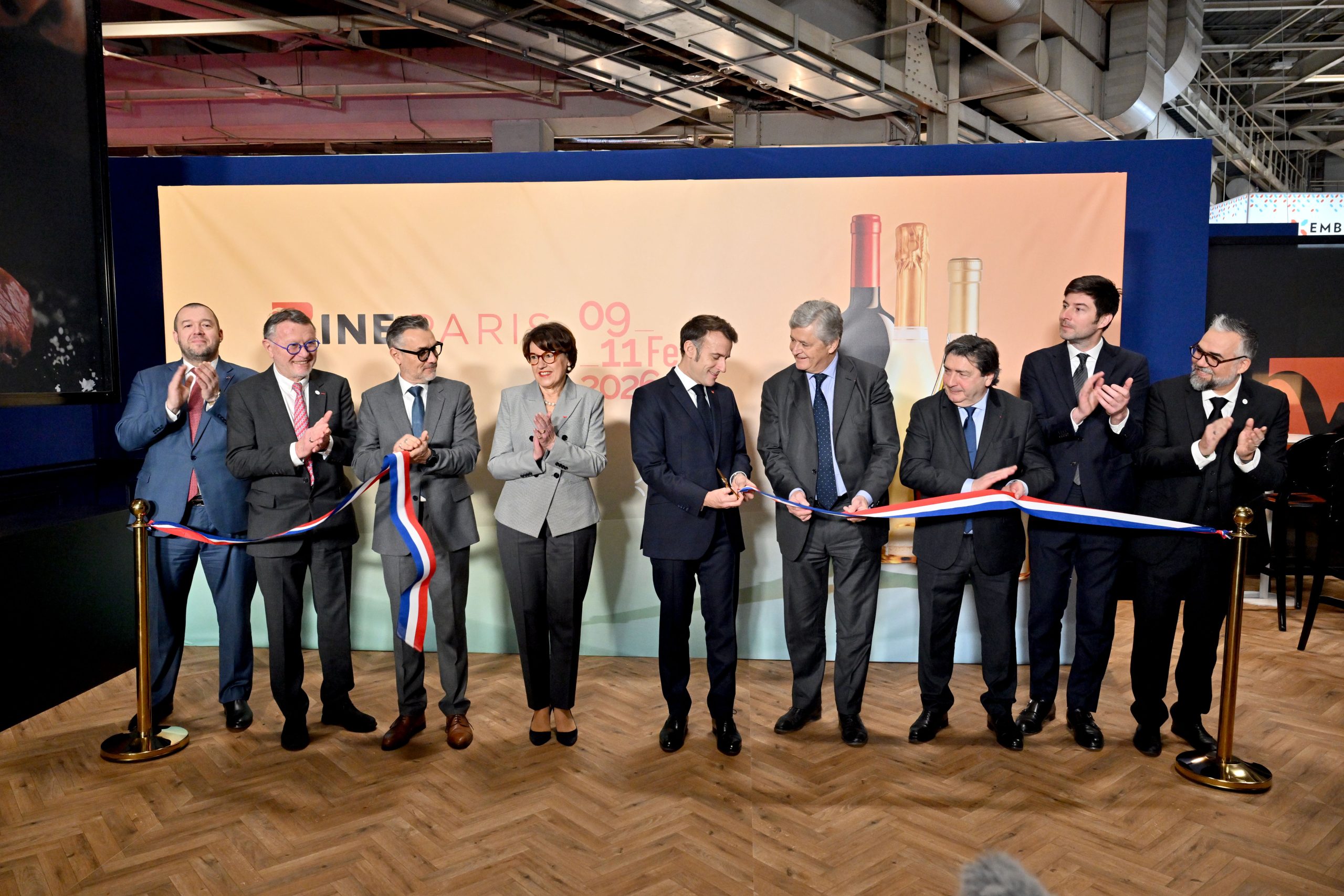
It also reflected something broader. More than 400 French, European and international public-sector representatives attended the show, with 37 embassies represented and the European Commission present.
The sector is facing issues that go far beyond business alone – trade, tariffs, regulation, climate change, changing consumption. These subjects need direct dialogue between professionals and public decision-makers. Wine Paris can provide that space, and that is something we want to continue developing.
You have often emphasised that Wine Paris is not merely an exhibition, but a structured platform for dialogue and industry transformation. Which key themes do you expect to shape Wine Paris 2027?
Nicolas Cuissard: Wine Paris has to stay in step with what is actually happening in the market. Consumption habits are changing, moderation is growing, new beverage categories are developing, and producers are adapting. At the same time, sustainability, climate change, innovation and distribution models are changing the way the industry operates.
International trade is also becoming more complex. In 2026, we discussed issues such as the EU-Mercosur and EU-India agreements and US tariffs. For me, the important thing is that Wine Paris remains a place where the industry can look at these changes clearly, talk directly and compare different points of view. We are not here to tell people what the future should look like. We are here to create the conditions for them to work it out together.
Could you comment on the evolving participation of producers from Eastern European countries? Which of these regions are emerging as leaders among your exhibitors?
Nicolas Cuissard: We are seeing real momentum from Central and Eastern Europe. Countries such as Poland, the Czech Republic, Croatia, Moldova, North Macedonia, Georgia, Hungary and Romania are strengthening their presence at Wine Paris. This growing diversity contributes directly to the internationalisation of the show, alongside our largest exhibiting countries, France, Italy and Spain.
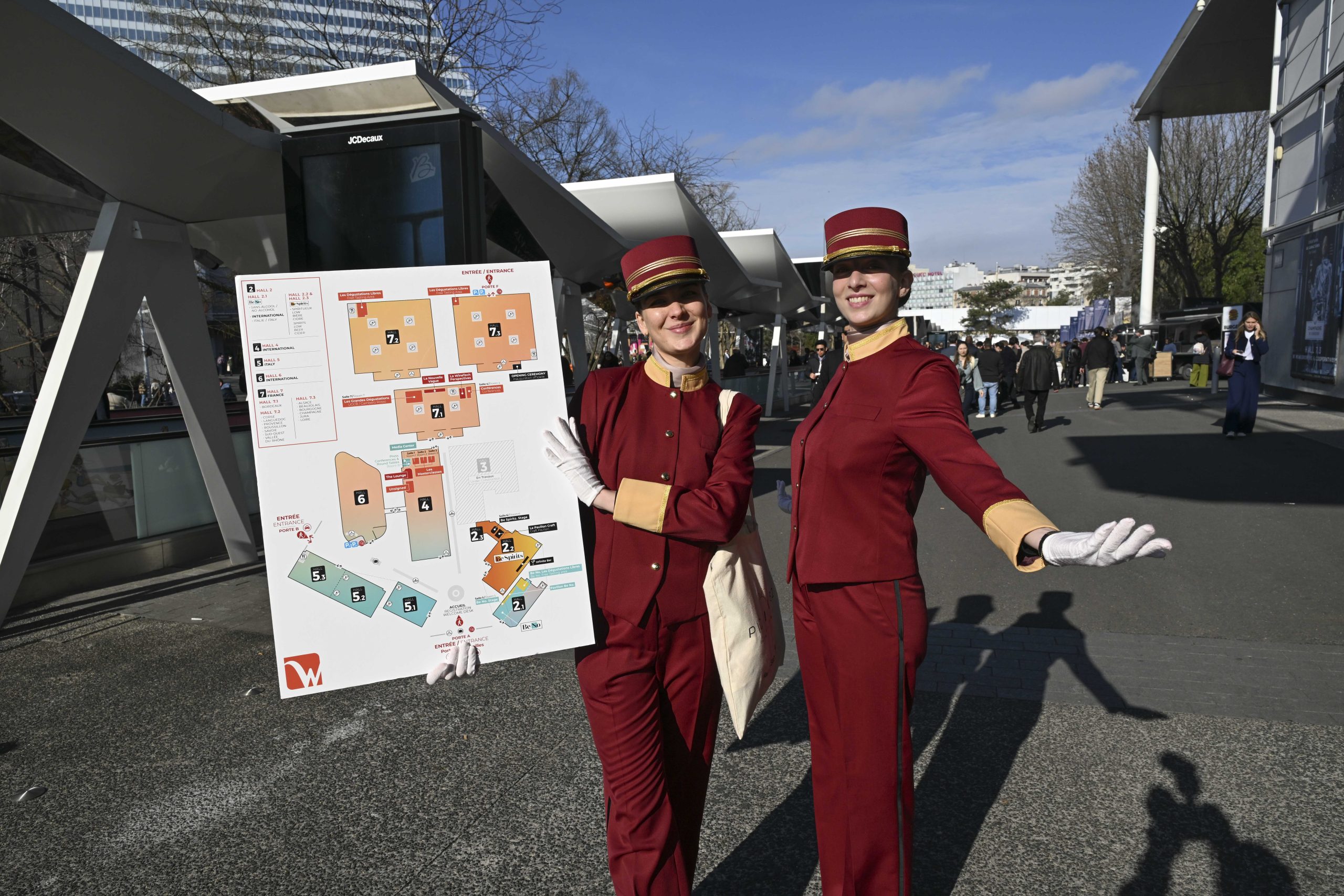
What is particularly interesting is the growing involvement of organisations that are actively promoting their national wine sectors internationally. In 2027, for example, Narodni Vinarske Centrum, the organisation promoting Czech wines, will be present, alongside exhibitors such as Murfatlar Vinul Romania. Producers from these markets will be located in Halls 4 and 6, dedicated to international producers.
What matters to us is not to rank these countries, but to give greater visibility to the diversity of their producers, terroirs and wines, and to connect them with international buyers.
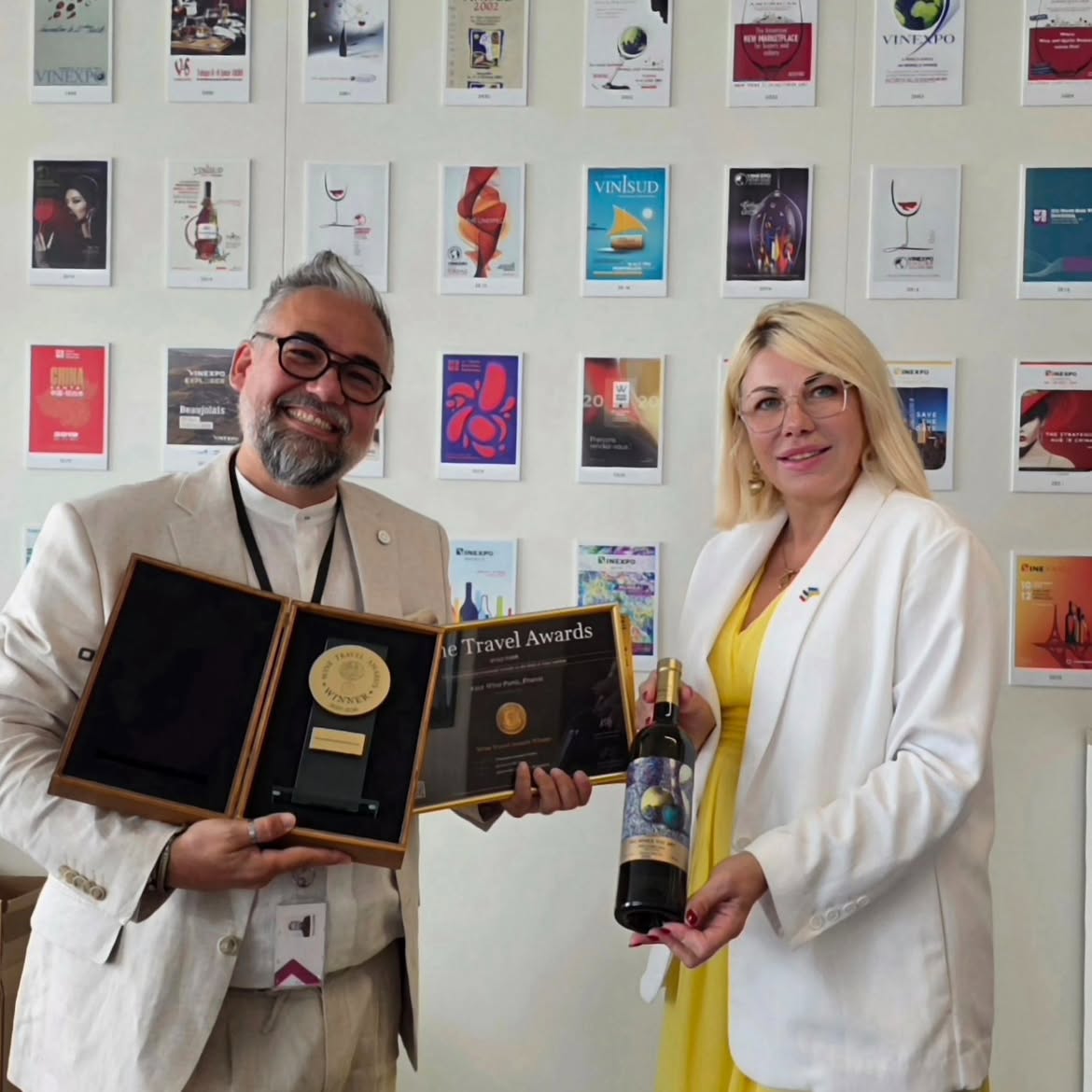
Given that Wine Paris received the Wine Travel Awards distinction as Event of the Year, highlighting its contribution to the development of wine tourism, let us speak about this direction. Wine Paris traditionally activates the city through the Wine Paris Off programme, engaging around 140 wine bars, restaurants, and wine spaces. Are there new collaborative ideas or developments planned for this project during the 2027 edition?
Nicolas Cuissard: What I like about the off Paris is that it allows Wine Paris to continue after the doors of the exhibition close. The conversations started during the day can carry on over dinner, in a wine bar or somewhere else in the city. It creates another kind of connection, and it is part of the experience for both exhibitors and visitors.
There is also a new opportunity with Comexposium’s Food & Beverage division, which brings together the Group’s food and drinks events, including Vinexposium and its events such as Wine Paris. Bringing these communities closer together creates natural opportunities for new bridges between wine, spirits, gastronomy and hospitality.
For the off Paris, that could lead to new collaborations and new experiences across the capital. The idea is quite simple: Wine Paris should not only happen inside the halls or during opening hours. For those three days, we want the event to live across Paris.
Photo: Wine Paris/Vinexposium
Stay connected with Wine Travel Awards: