

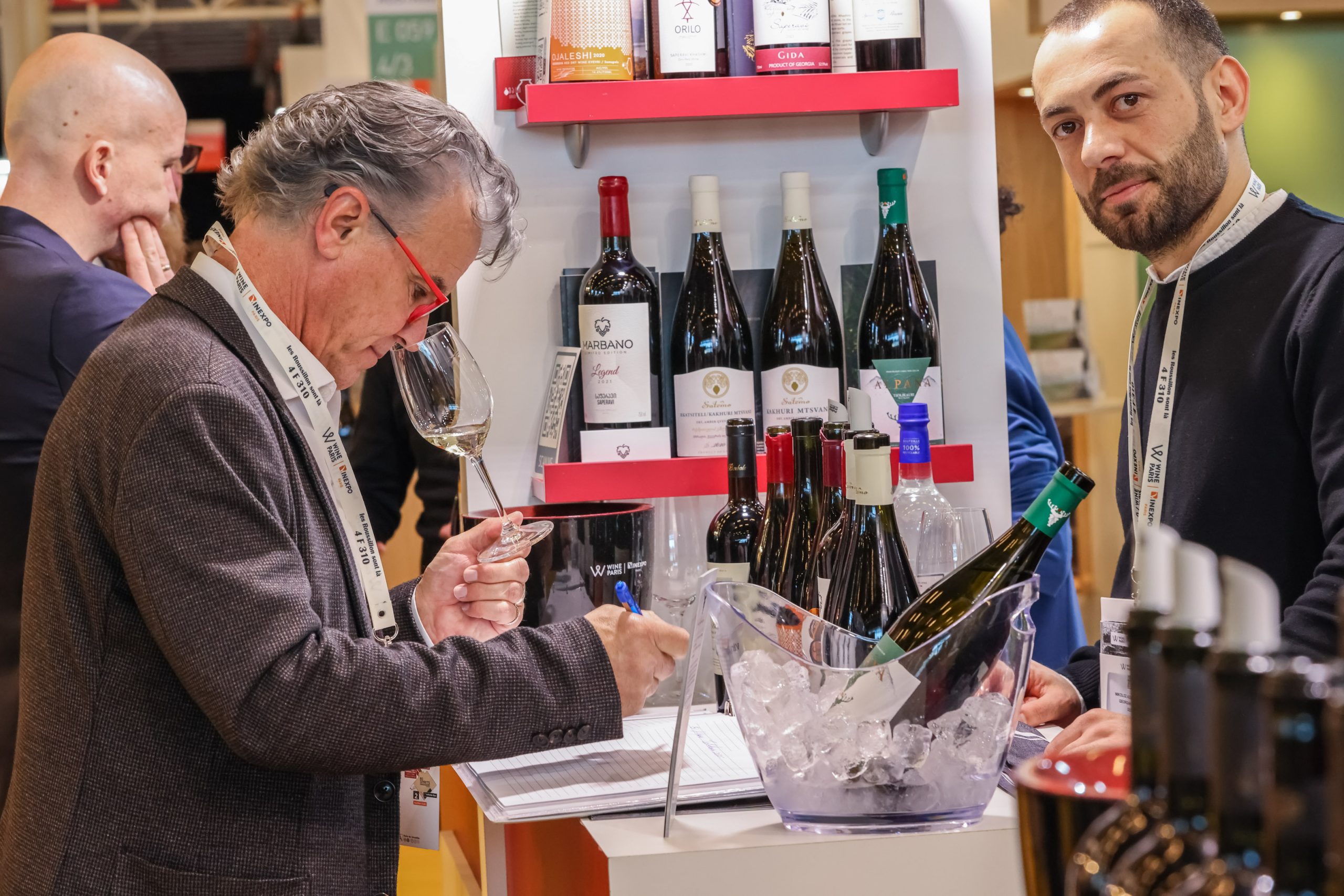
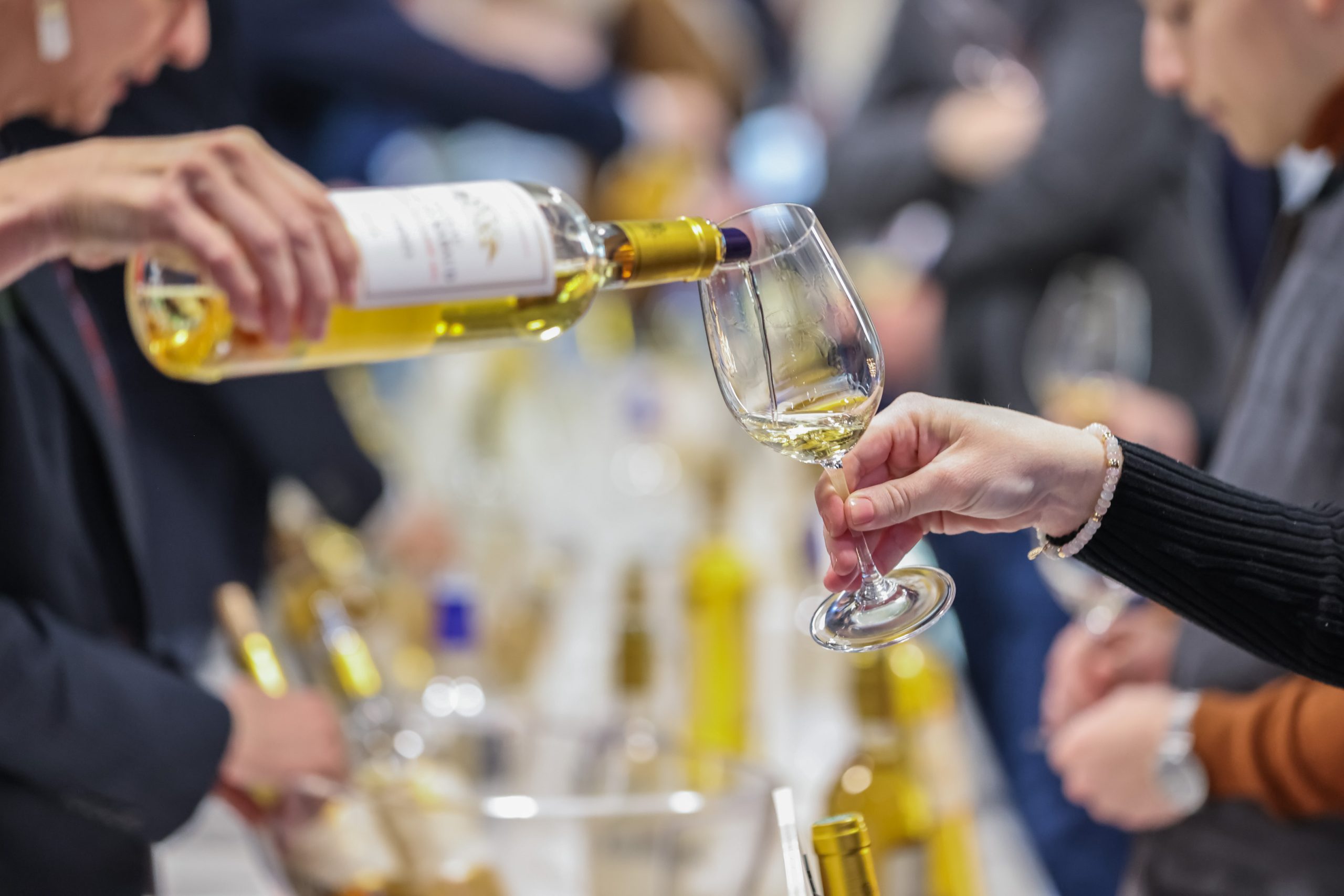
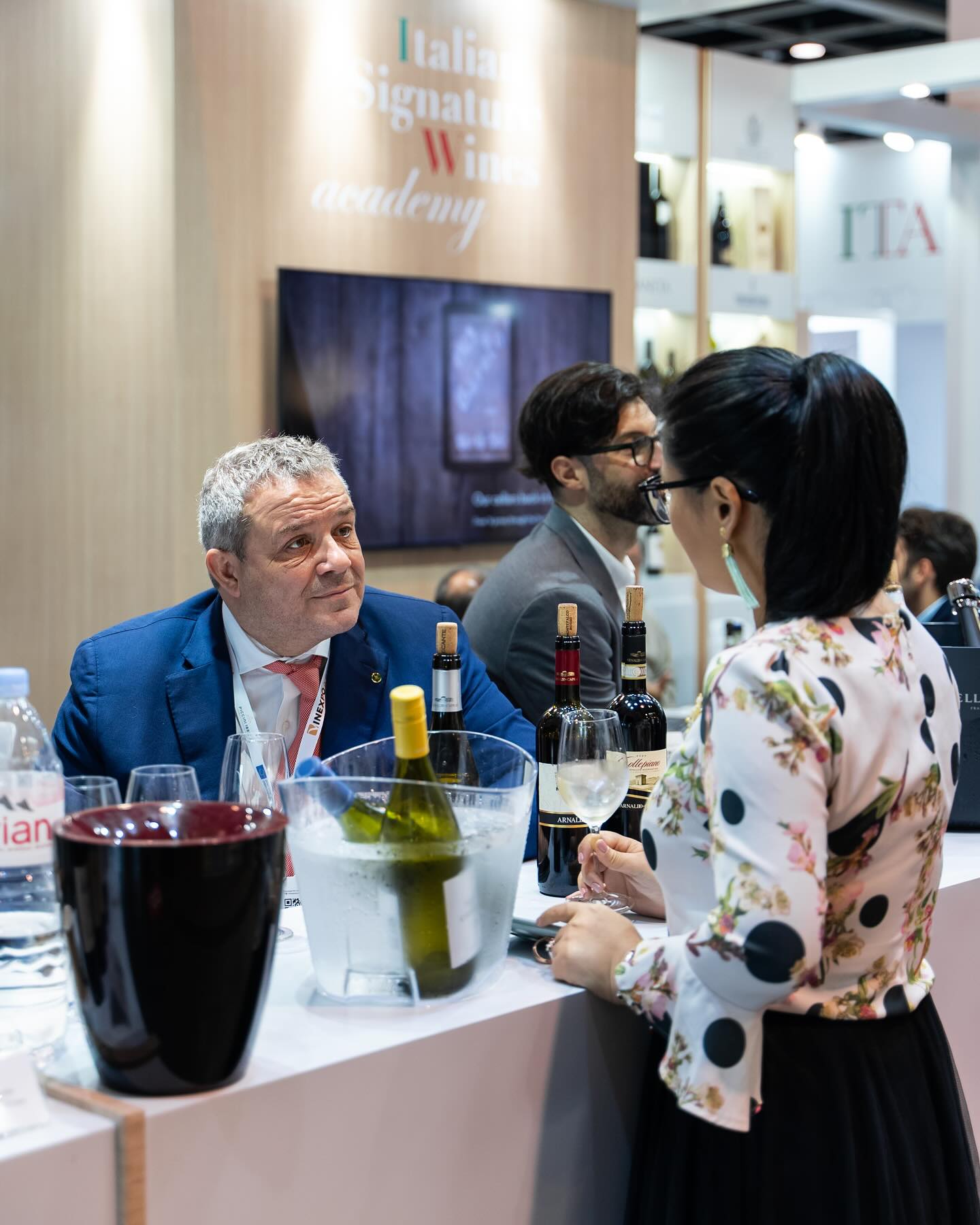
Wine Paris 2026: How the Wine Industry Is Shaping Its Future
In 2026, Wine Paris once again confirmed its status as one of the key professional events in the wine industry. The event traditionally brought together leading market players and served as a platform that not only reflects the current state of the industry but, above all, outlines its future transformations. In the 2025-2026 campaign, Wine Paris was both a nominee and the winner of the public vote at the Wine Travel Awards in the Event of the Year category.
Fifty years after the Judgement of Paris – a turning point that reshaped global winemaking and challenged the hierarchy of wine regions – the industry once again finds itself at a moment of profound change. Back then, a blind tasting proved that California could compete with Bordeaux and Burgundy, opening up a new geography of quality. Today, however, the changes are of a different nature: they are not local, but systemic.
According to the International Organisation of Vine and Wine, global wine consumption in 2024 reached 214 million hectoliters – the lowest level since 1961. This is not a short-term fluctuation, but a reflection of a long-term trend. At the same time, the structure of demand is shifting: the share of red wines has declined from approximately 51% to 46%, while white wines have grown to 44% and rosé to nearly 10%. Sparkling wines remain the most stable category, showing consistent growth. The United States remains the largest market at 33.3 million hectoliters; however, since 2019 consumption has decreased by about 2.2 million hectoliters due to inflation, changing consumer behavior, and competition from other beverages. In parallel, the segment of non-alcoholic and functional drinks (such as those that promote relaxation or boost energy) continues to expand.
Research by Areni Global*, presented during Wine Paris, highlighted the end of the traditional pathway into the fine wine segment. The scenario in which consumers gradually moved from entry-level wines to premium categories as their income and professional status grew is no longer universal. Instead, a new generation is entering the category through social connections and shared consumption experiences. Wine is increasingly perceived as part of a lifestyle and a means of communication, rather than solely a marker of status.
The study also shows that the very principles of access to wine are changing:
- Visibility. Wine must be visible and understandable to the consumer, not only to insiders or collectors.
- Fairness. Access should not feel exclusive or restricted to a select few, especially when it comes to rare wines, allocations, and limited releases.
- Clear rules. Consumers want to understand why they can – or cannot – purchase a wine, rather than face opaque systems.
- Transparency of allocation mechanics. This refers to how rare and limited wines are distributed and why some consumers can access them while others cannot. The goal is clarity in these processes.
In this context – where approaches to access, transparency, and consumer interaction are evolving – the role of California stands out as one of the key regions symbolizing the industry’s capacity for renewal. California Wines was both a nominee and the winner of the public vote at the Wine Travel Awards in the category The Visiting Card of the Country/Region of the Year (2025–2026). Capstone California won the public vote in the category Education in Enotourism / Cultural Mission (2025-2026), receiving a record 910 votes in its category, highlighting the growing importance of educational and cultural initiatives in the global wine landscape.
As we can see, Wine Paris 2026 demonstrates not only current trends but also the direction of the industry’s development: a shift from traditional consumption models to new socially structured pathways into the category, an increased emphasis on transparency, and a transformation of the very logic of the wine market. The event acts not merely as a reflection of reality, but as a platform that allows us to understand what the next stage of the industry’s evolution will look like.
* An international research and analytical organization specializing in the fine wine market.
Stay connected with Wine Travel Awards:
- Facebook: https://www.facebook.com/WineTravelAwards/
- Instagram: https://www.instagram.com/winetravelawards
- LinkedIn: https://www.linkedin.com/company/winetravelawards/
Source: forbes.com