
Why Schramsberg Has Been Present at the Negotiating Table for More Than Half a Century
Author: Kateryna Yushchenko
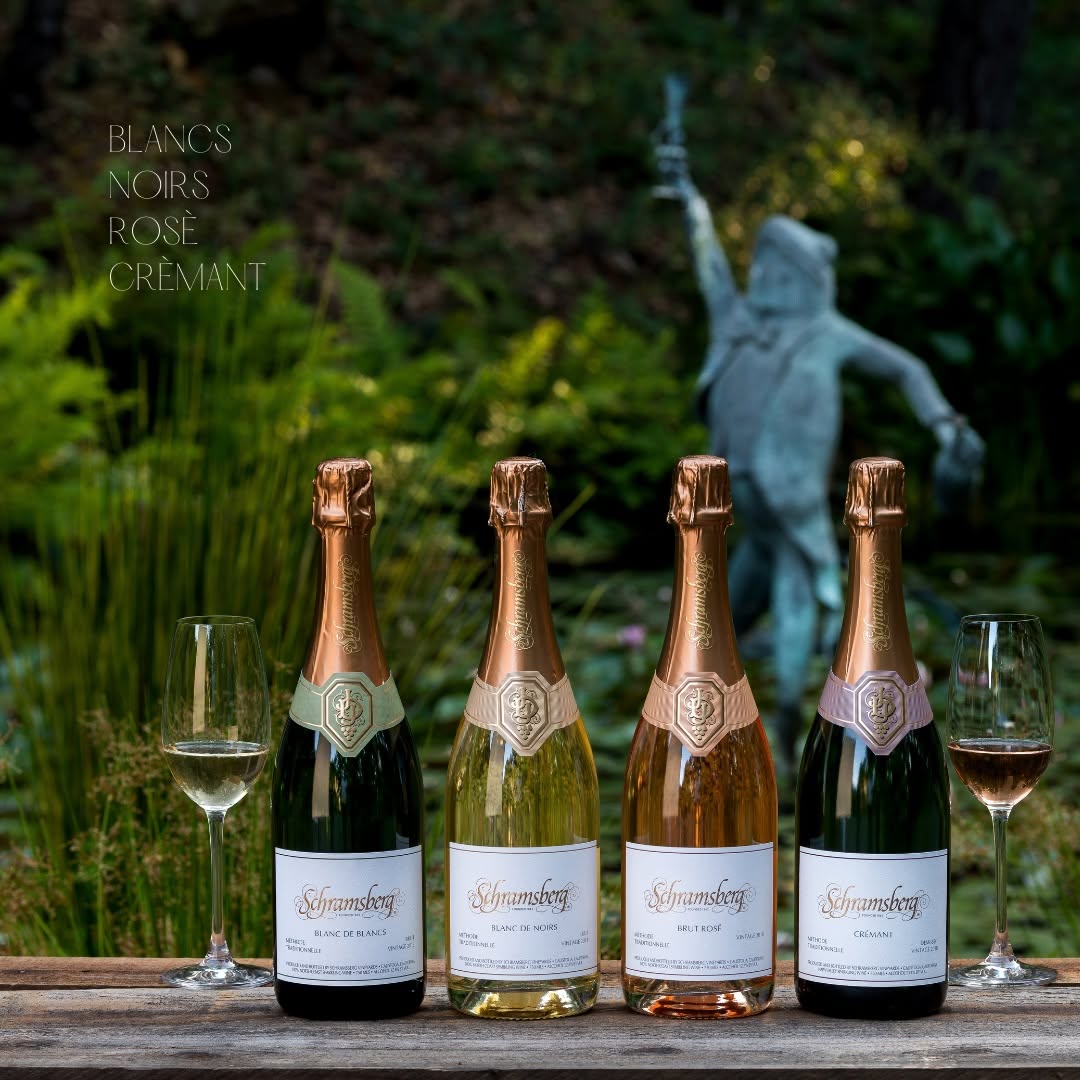
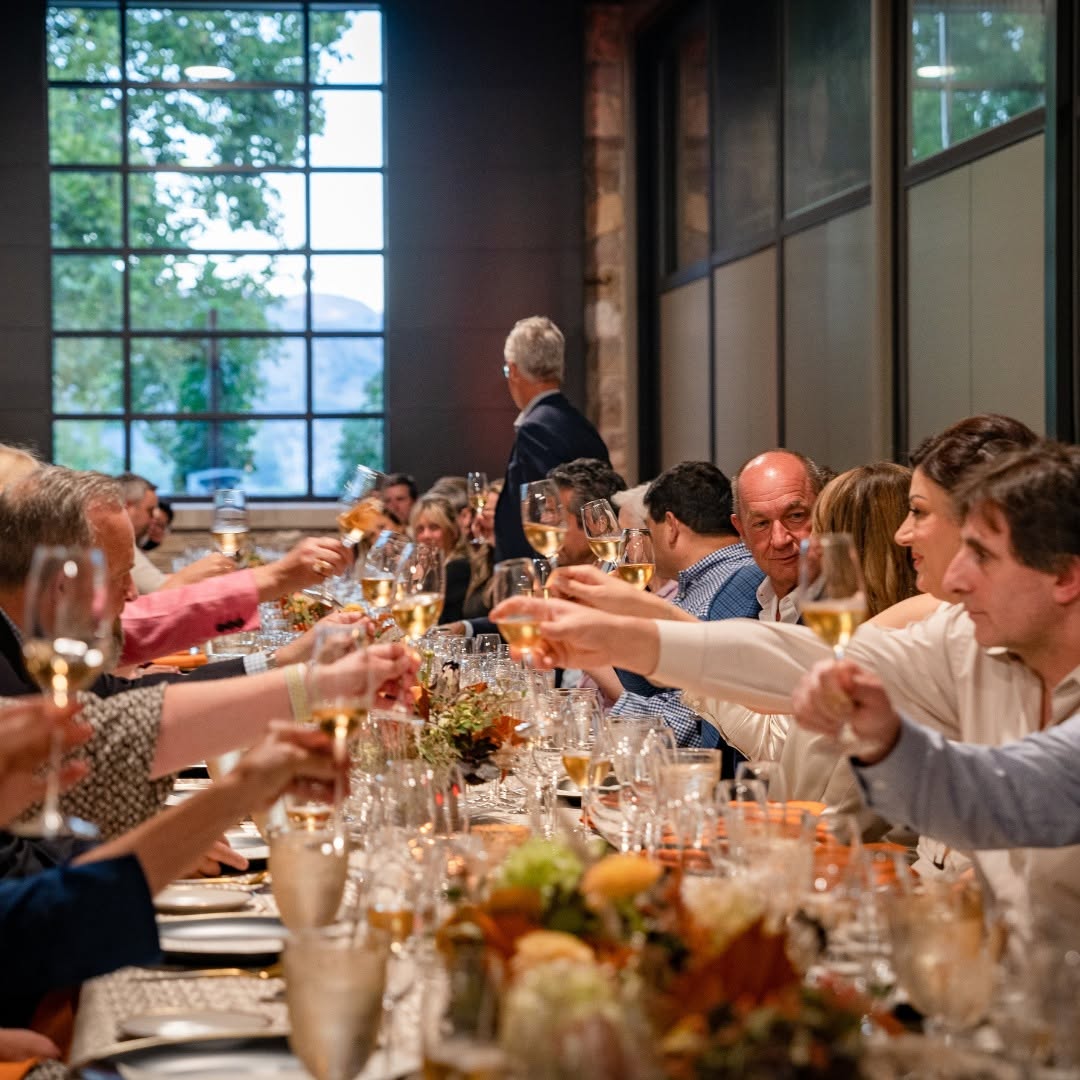
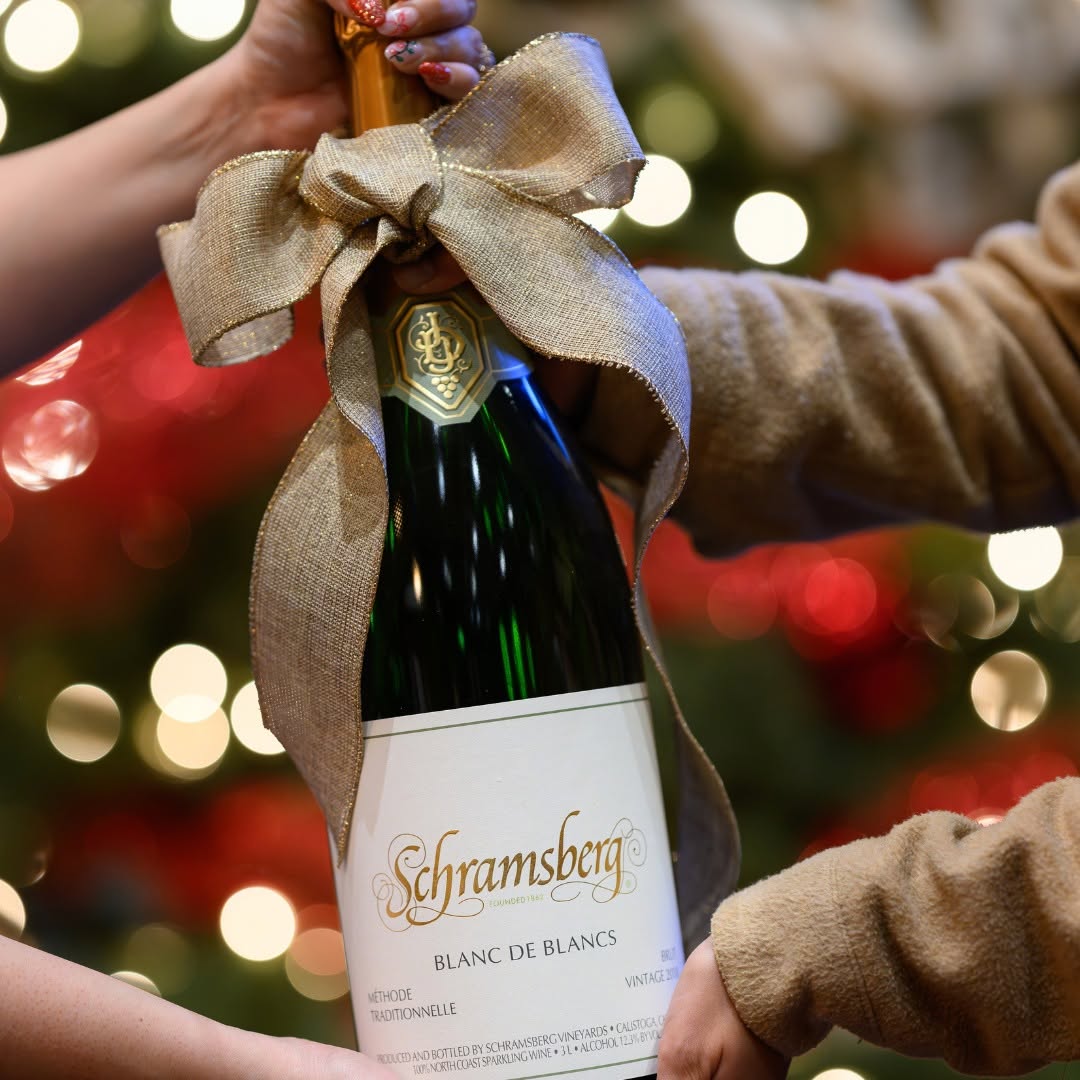
Last week, Donald Trump welcomed Xi Jinping to a State Dinner at the White House. For the Chinese leader, it was his first visit to Washington in 11 years. The evening opened with a toast of Schramsberg Blanc de Noirs, and the White House made no attempt to conceal the symbolism behind the choice: the wine was intended to evoke the famous “toast to peace” raised in Beijing in 1972 by Richard Nixon and Zhou Enlai.
To understand the reference, it is worth travelling back more than half a century. In 1972, Richard Nixon became the first US president to visit China. At the State Banquet honouring Zhou Enlai, the official toast was made not with Champagne, but with California sparkling wine: 1969 Schramsberg Blanc de Blancs.
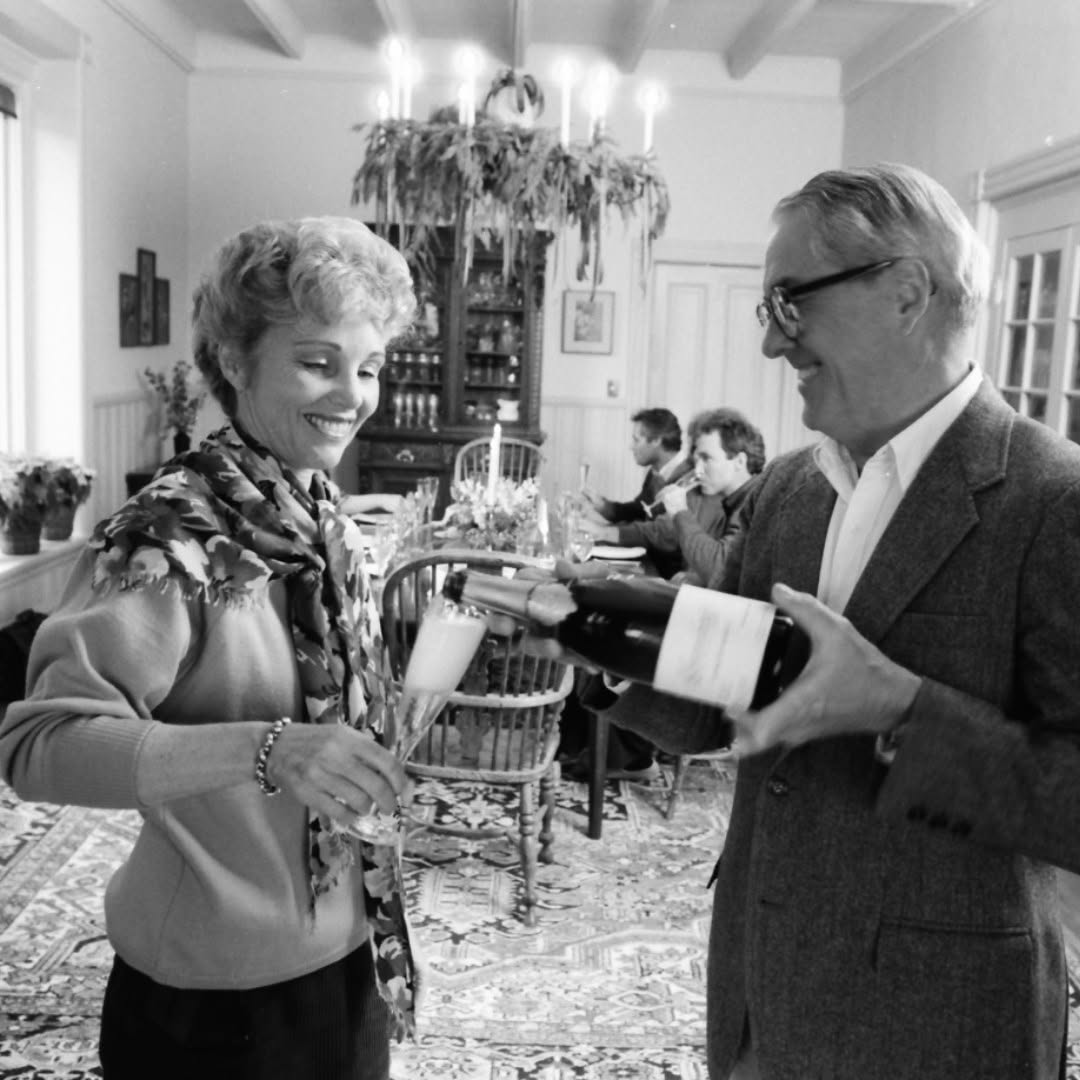
The following morning, the legendary broadcaster Barbara Walters appeared live from Tiananmen Square holding precisely that bottle in her hands. At the time, Schramsberg was introduced to viewers as a little-known winery from Calistoga.
That description was entirely accurate. Only seven years earlier, in 1965, Jack and Jamie Davies had purchased the neglected historic property and placed their faith in an idea few believed possible: that California could produce traditional-method sparkling wines capable of standing alongside the world’s finest examples.
The toast in Beijing proved a breakthrough moment for Schramsberg. It also demonstrated to an international audience that California possessed genuine potential as a source of world-class sparkling wine. In the years that followed, leading European producers would establish their own ventures in the region.
Since then, Schramsberg has become a regular presence at official State functions. According to the winery, its wines have been served at more than 90 State dinners and official receptions at the White House.
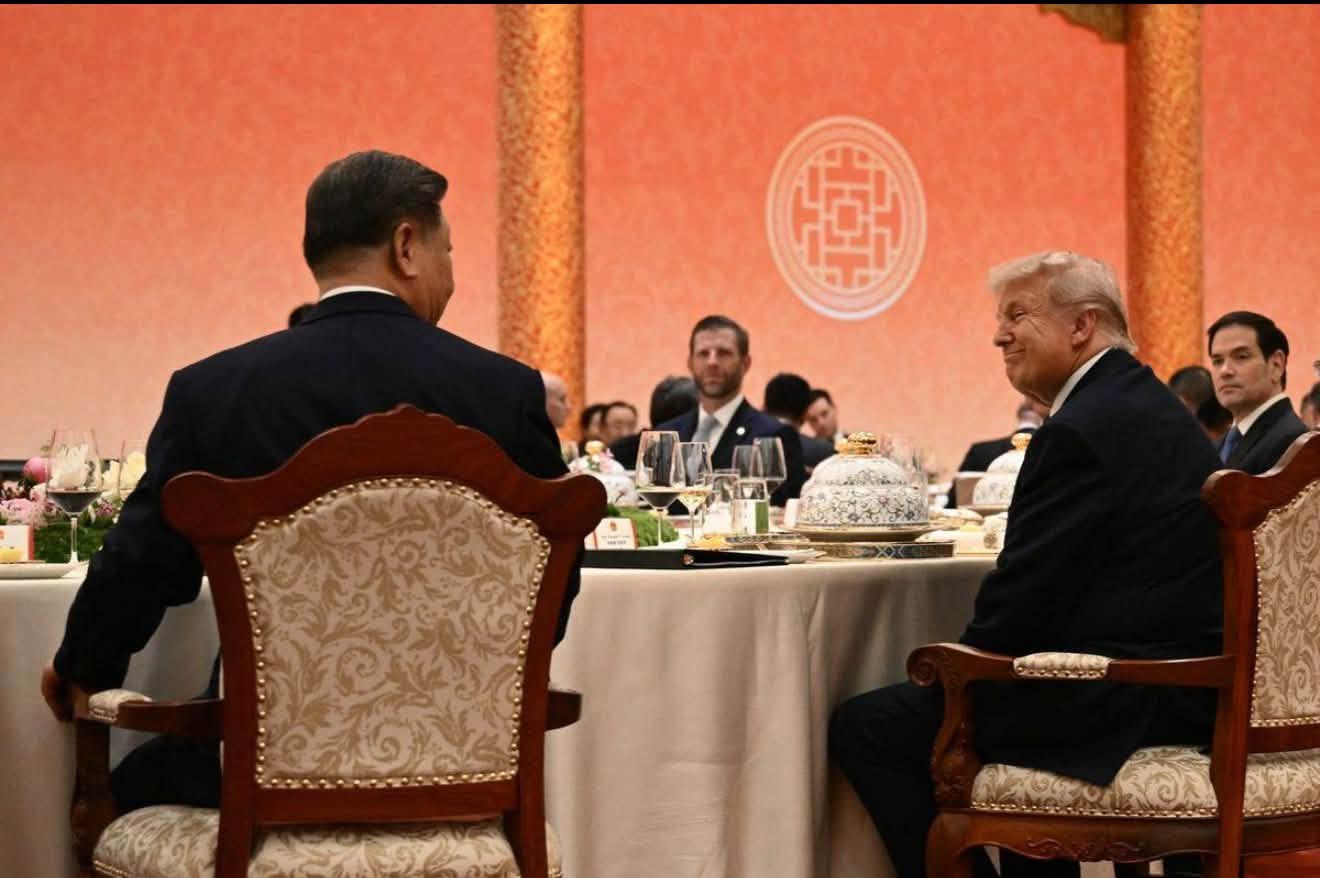
Seen in this light, the appearance of Schramsberg at the recent dinner with Xi Jinping was anything but accidental. It was a deliberate historical reference to the events of 1972.
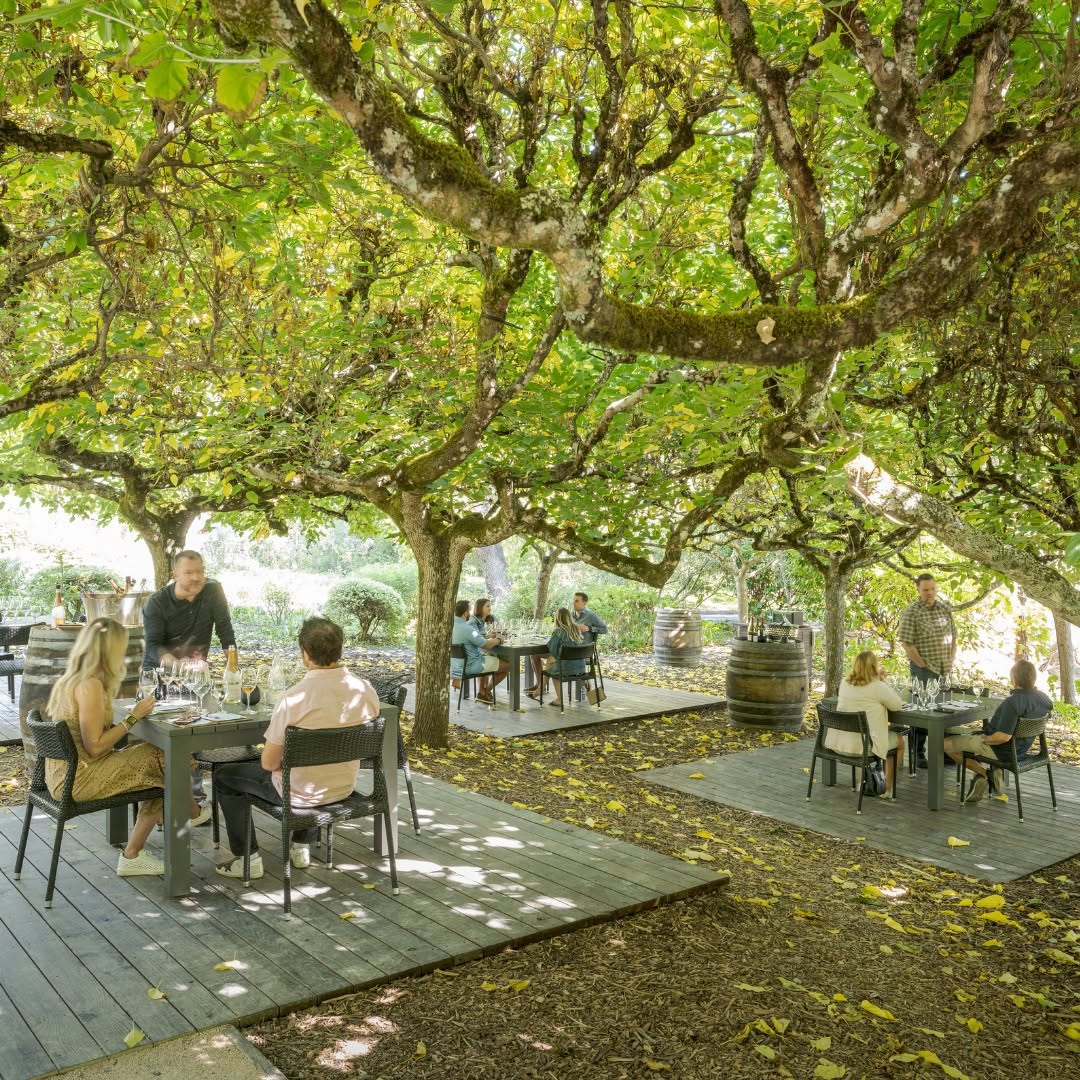
Yet the Chinese connection in the story of Schramsberg reaches back even further. The winery’s underground caves were excavated by Chinese labourers in the 1870s. Today, those same tunnels are used for ageing the house’s sparkling wines, while riddling continues to be performed by hand.
In other words, the guest from Beijing was greeted with a wine whose history has been intertwined with China for more than 150 years.
There is, however, one intriguing detail. The White House drew a direct parallel with the sparkling wine used for the historic 1972 toast. But while the wine then was Blanc de Blancs, this time the choice fell on Blanc de Noirs.
The winery remained the same. The wine did not. And perhaps there is symbolism in that as well: over the course of 54 years, political leaders, priorities and global circumstances have all changed, yet Schramsberg once again found its way into the glasses raised around a table where matters of international significance were being discussed.
Incidentally, Schramsberg forms part of the Capstone California educational programme, which recently introduced its advanced Level 4 qualification. Fittingly, the programme itself has earned international recognition: Capstone California was named the Cultural Mission winner in the Education in Enotourism category of the Wine Travel Awards 2025-2026. Spanning 48 countries, the Wine Travel Awards initiative recognises excellence in development, innovation and contributions to contemporary wine culture.
As a result, this episode has become another compelling case study for discussion in the Capstone California programme, which I teach.
And now I have one more story to tell in class.
Stay connected with Wine Travel Awards: