
Vinitaly Hosts Presentation of Piero Mastroberardino’s “Radici” – Three Centuries of Family, Enterprise, and Territory
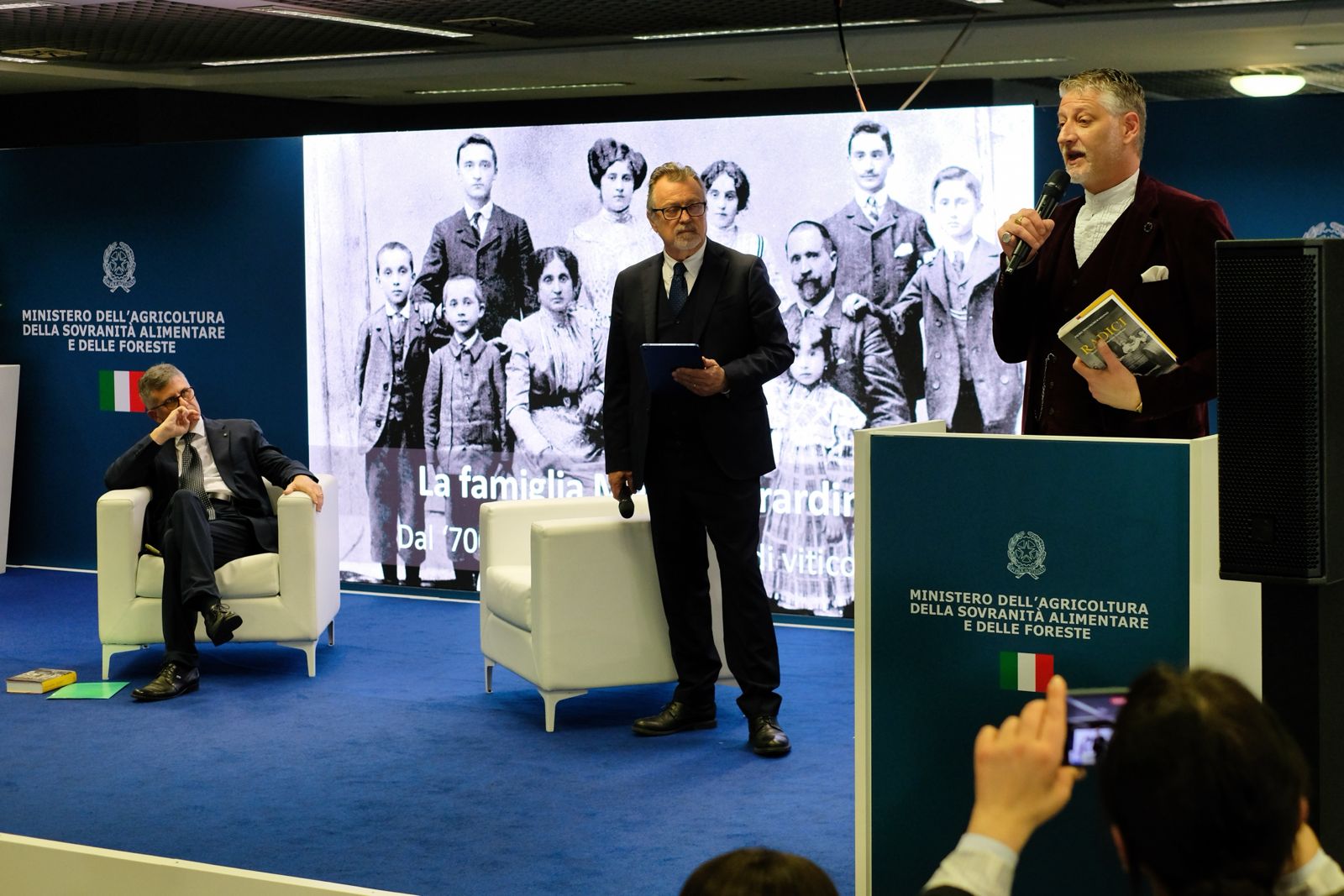
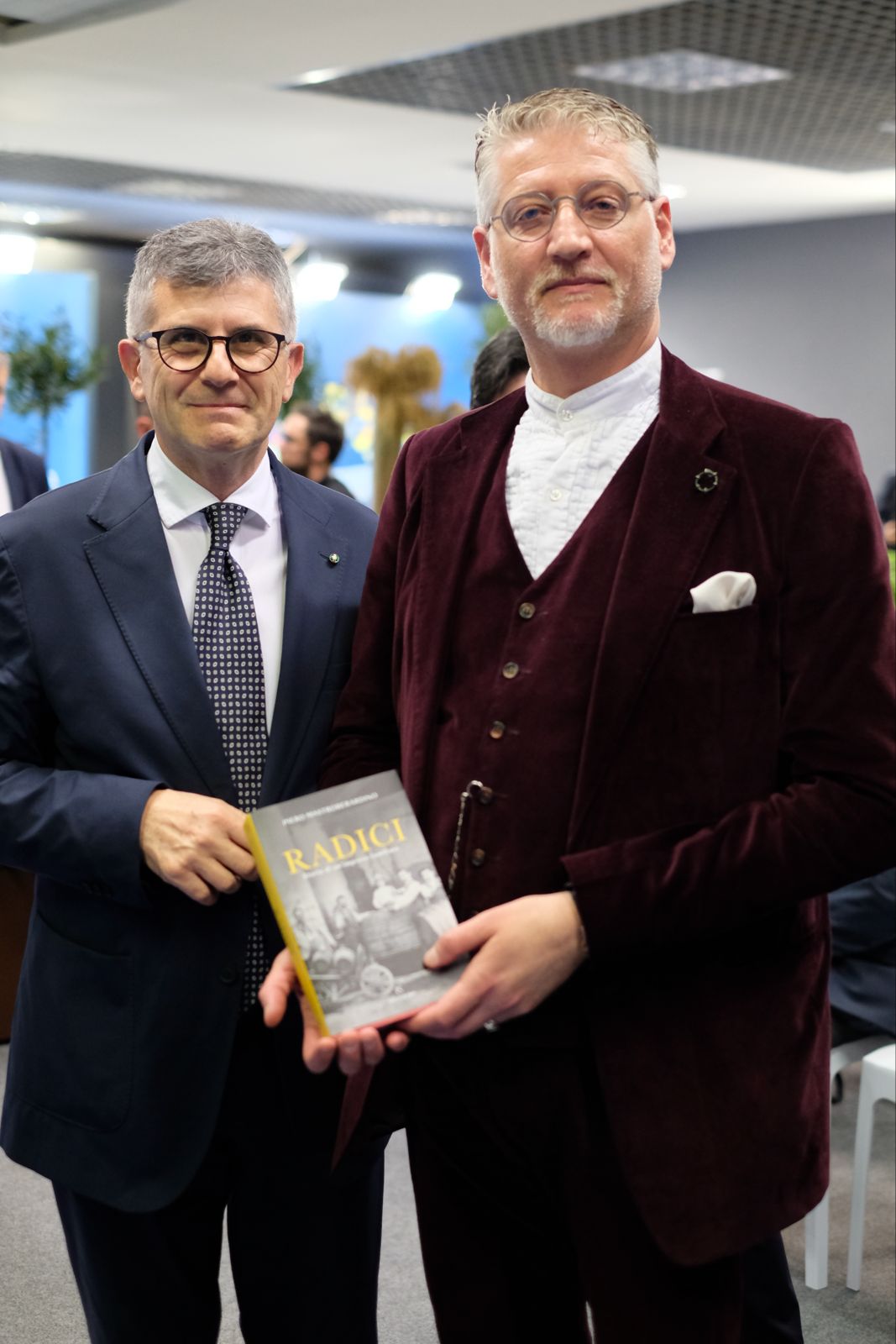
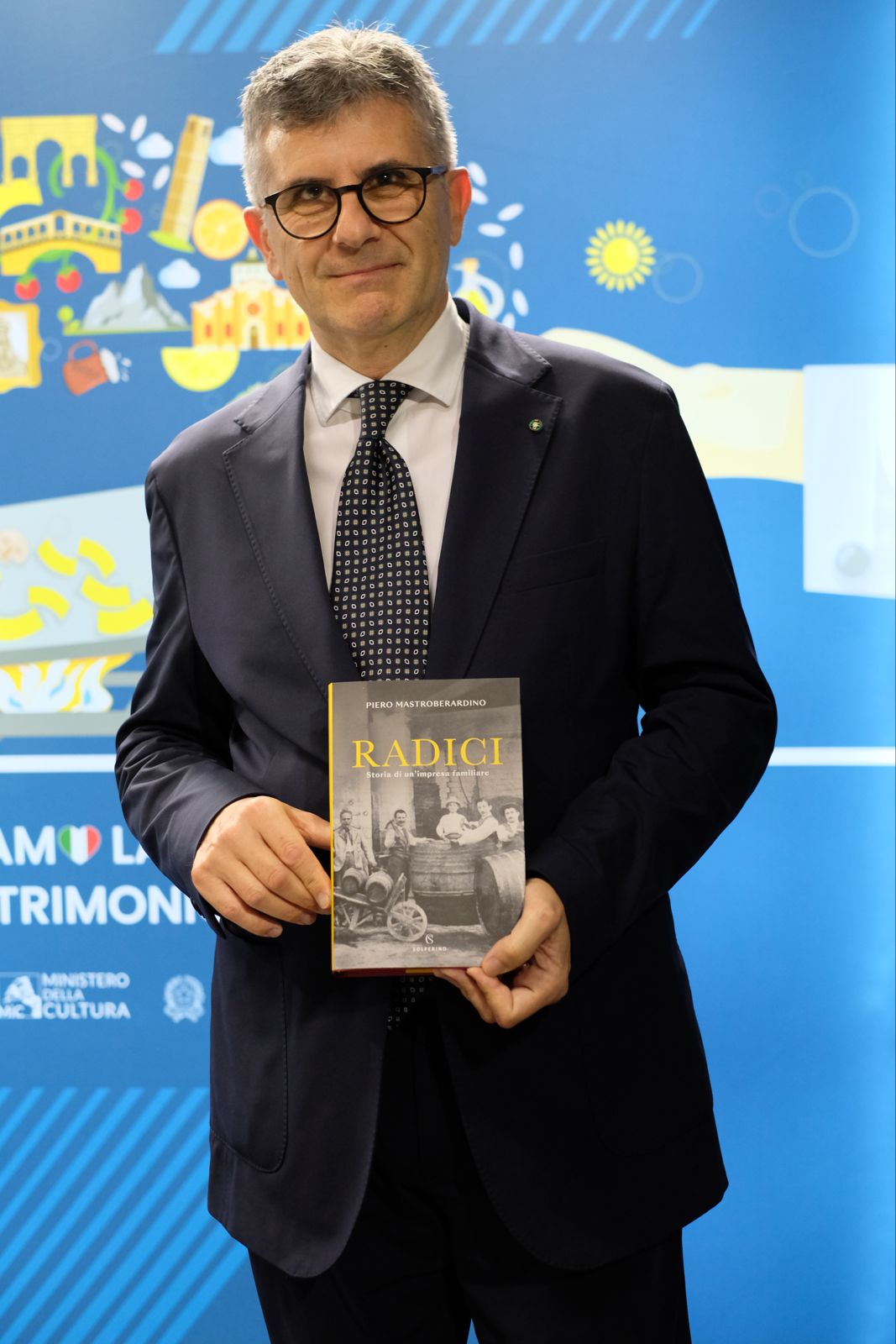
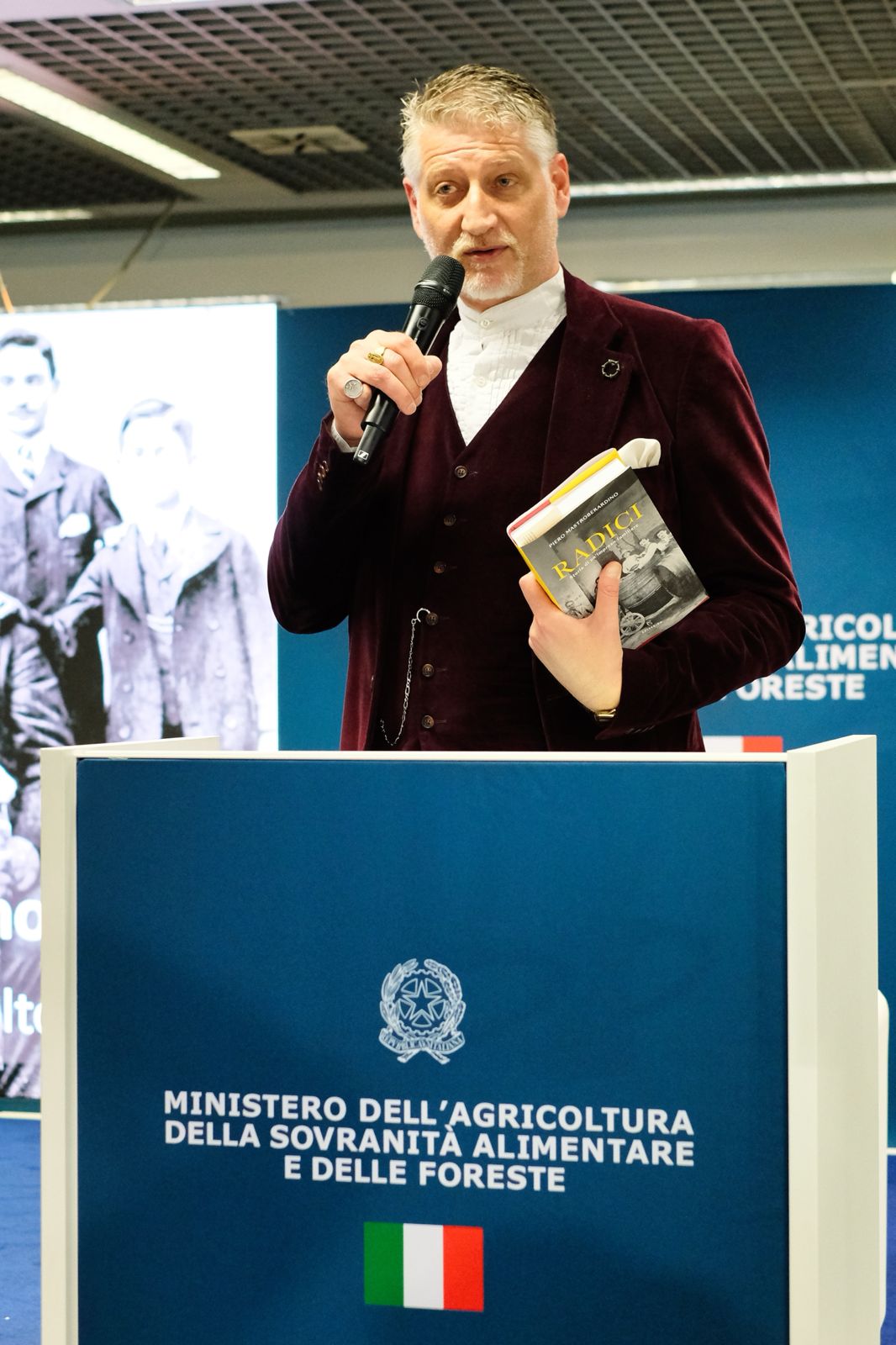
During Vinitaly, the official presentation of “Radici. Storia di un’impresa familiare” (Roots: The Story of a Family Business) by Piero Mastroberardino took place. Mastroberardino Winery is a nominee and the public vote winner of the Wine Travel Awards in the Art & History Object category (2025–2026).
The event was held in the MASAF meeting hall at PalaExpo and gathered representatives of public institutions, industry professionals, and specialized media.
Among the speakers was the Minister of Culture Alessandro Giuli, who emphasized the book’s significance as a compelling example of the integration of culture, enterprise, and territorial identity. The discussion was moderated by Luciano Ferraro, Deputy Editor-in-Chief of Corriere della Sera, who guided a structured dialogue with the author around the book’s key themes.
Three Centuries of History: From the 18th Century to the Post-War Period
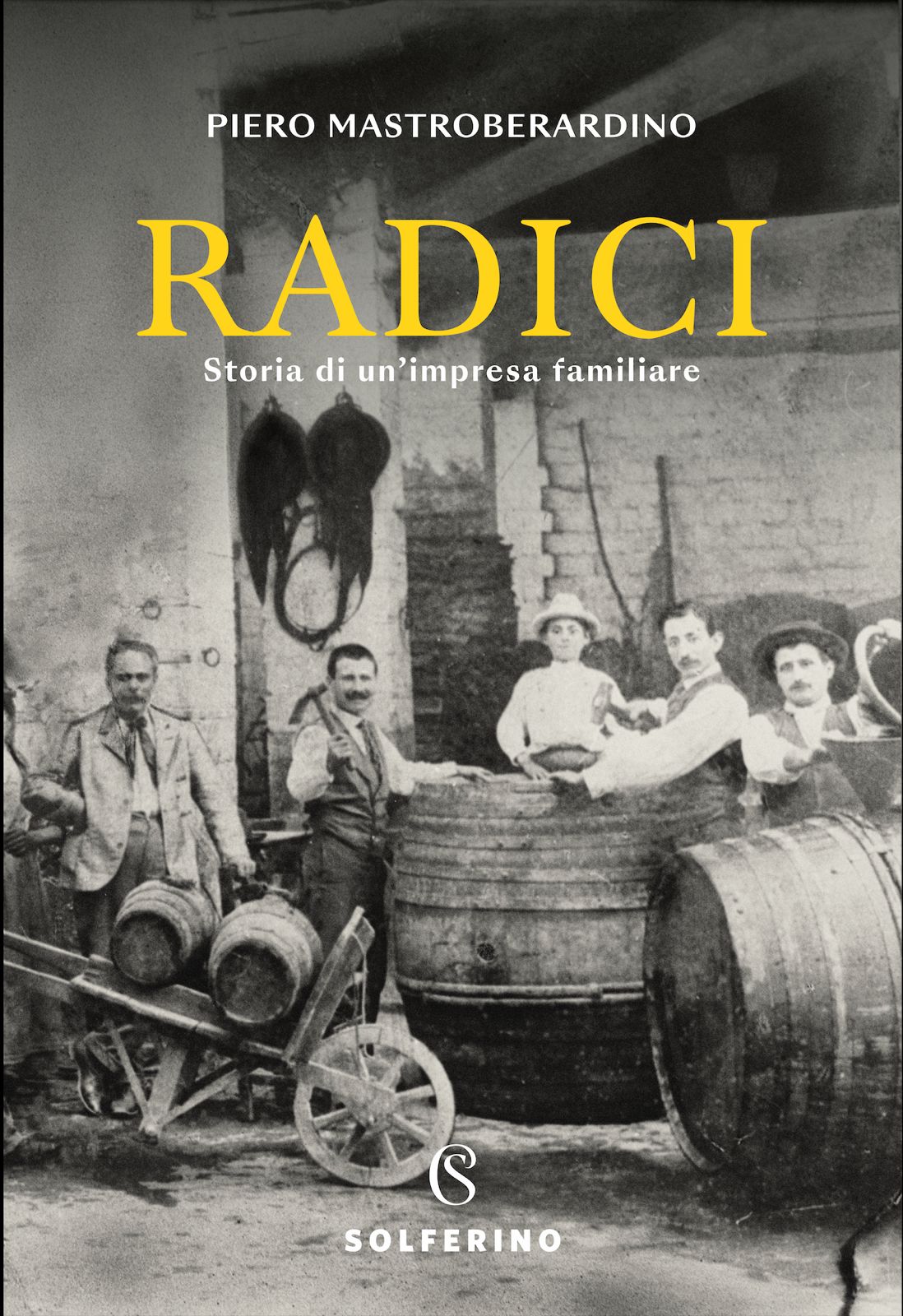
The book offers a rigorous and well-documented reconstruction of the history of the Mastroberardino family and their wine enterprise, spanning from the 18th century to the post-World War II period. It combines scholarly research with a narrative style, enriched by archival letters, photographs, and original historical documents.
The volume covers major phases of Italian and global history – from the end of the feudal system and the Bourbon and Napoleonic periods in Naples, through the Unification of Italy, to the transformations of the 20th century, including world wars and economic crises. Particular emphasis is placed on the extensive use of primary archival sources, including notarial acts, commercial correspondence, and institutional records.
Enterprise and Territory: A Structural Relationship
A central theme of the discussion was the intrinsic link between the enterprise and its territory. The history of the Mastroberardino family demonstrates how a deep understanding of the local context can transform land from a simple resource into a strategic asset. As early as the 18th and 19th centuries, the family embodied the transition toward a modern agrarian bourgeoisie, contributing to the development of viticulture in Irpinia.
An Early International Vision
Significant attention was given to the company’s international development between the late 19th and early 20th centuries. The documentation presented in the book highlights an early ability to access distant markets, including North and South America, Africa, and Asia, supported by a structured commercial network and a strong focus on quality and product positioning.
The discussion also underlined the company’s capacity to navigate complex environments, including the Prohibition era in the United States and restrictions across European markets.
Resilience Through the Crises of the 20th Century
The company’s history illustrates its resilience in the face of major 20th-century crises – from World War I and the geopolitical and economic tensions of the 1930s to World War II. Documented episodes, including disruptions to international trade, logistical challenges, and wartime conditions, demonstrate how business continuity was ensured through a combination of strong territorial roots, international openness, and family cohesion.
Particularly notable is the account of the construction of an air-raid shelter within the winery’s cellars in 1943, symbolizing the ability to protect both the enterprise and the local community under extreme conditions.
Wine as a Cultural Expression
In his remarks, Piero Mastroberardino reiterated his view of wine not merely as an economic product, but as a cultural and identity-driven expression shaped by history and territory. This perspective was echoed throughout the discussion, highlighting the role of Italian wine enterprises as cultural actors on the international stage.
A Contribution to the Contemporary Debate on Family Business
The presentation concluded with reflections on the book’s contemporary relevance. Radici provides a valuable framework for understanding long-standing family businesses, addressing key issues such as generational transition, continuity management, and the balance between tradition and innovation.
The presentation at Vinitaly confirmed the book’s importance not only as a significant historical account, but also as a tool for reflecting on the future of the wine sector and family entrepreneurship at large.
The volume is available for pre-order on Amazon and will be released in bookstores on May 8, 2026.
Stay connected with Wine Travel Awards: