
The Burgundy Phenomenon: While the World Slows Down, the “Cradle of Terroir‑Driven Winegrowing” Takes Off
At a time when global wine consumption is losing momentum, and even Bordeaux – its neighbour in both geography and prestige – is facing declining demand and falling vineyard values, Bourgogne continues to move in the opposite direction. The region is not merely holding its ground; in 2026 it is setting new records, posting positive results against a market that is broadly contracting.
In effect, land in Bourgogne has become more expensive than gold, and the Côte d’Or is living up to its name. Here lie the most valuable vineyards in Europe, and arguably the world. According to the French land agency Safer, prices for Bourgogne vineyards rose yet again in 2025, reaching historic highs. A hectare of premier cru Chardonnay in the Côte d’Or averaged €2.7 million – the price of a luxury apartment in Paris’s 1st arrondissement. Meanwhile, premier cru Pinot Noir vineyards increased by 11% to €1.15 million per hectare.
All this is happening while the average price of vineyard land across France (excluding Champagne) fell by 6.8%, and several Bordeaux communes recorded their steepest declines in years. In Margaux, vineyard prices dropped by 43% to €800,000 per hectare; in Pauillac, the average hectare fell by 32% to €1.7 million.
It is worth noting that the Côte d’Or covers only about 9,500 hectares – roughly one‑tenth the area of Bordeaux. And while Bordeaux growers are uprooting vines and distilling finished wine in response to falling demand and prices, Bourgogne not only boasts record‑breaking land values but continues, despite the recent softening of the fine‑wine secondary market, to sell bottles at its characteristically elevated prices.
Why Does Bourgogne Seem to Defy Gravity?
- Finite land: All grand cru and premier cru sites are already planted, and expansion is impossible. Supply is fixed, while demand continues to rise. The land behaves less like agricultural acreage and more like a rare asset class.
- Persistent global demand: Leading communes of the Côte de Beaune and Côte de Nuits consistently top rankings of the world’s most expensive wines, sustaining investor and collector interest even during broader downturns. Analysts note that today most wine investors are interested not only in cellars or production, but in vineyards themselves.
- A structural divergence: While Bordeaux undergoes a correction, Bourgogne is moving in the opposite direction. This is no longer a fluctuation but a long‑term decoupling of trends.
- Record‑setting transactions: Just a handful of recent sales in the Côte d’Or accounted for a quarter of the total value of all vineyard transactions in France – evidence of capital concentrating specifically in Bourgogne and of large strategic purchases that continually push prices higher. In numerical terms: of 10,930 vineyard transactions last year, only four represented a quarter of the total value, and the lion’s share concerned the Côte d’Or.
In other words, Bourgogne today behaves like a luxury asset class rather than a segment of a wine industry in decline.
Is This a Long‑Term Trend or a Pause Before an Inevitable Correction?
This is the question preoccupying analysts, investors and growers alike. And it is precisely why Drinks+ is travelling to Bourgogne this June with Ukrainian winemakers and restaurateurs – to observe the situation on the ground.
We aim to understand what drives the price pendulum of climats and other French vineyards. Is the Burgundy phenomenon a sustainable trend rooted in the region’s unique market structure, reputation and global demand? Or is it merely a delayed response to the worldwide decline in wine consumption – a correction that may eventually reach even this region?
If it proves to be a trend, we will explore its origins, mechanisms and underlying forces. And, of course, we will share practical insights and takeaways useful for winemakers, investors and everyone involved in wine tourism.
Our Route: The Burgundy Golden Ring Tour
We are embarking on a professional journey through Dijon, Beaune, Nuits‑Saint‑Georges, Puligny‑Montrachet and Chablis – with private visits, tastings and personal meetings with oenologists, domaine owners and growers. It is an opportunity to see Bourgogne from within, in its true professional dimension, and to investigate this unfolding phenomenon.
Follow us on social media to stay tuned for:
- photo and video reports from the tour
- on‑the‑ground analysis
- a journalistic investigation of the Burgundy phenomenon
- insights and conclusions for winemakers and wine professionals
Stay with Drinks+: the most interesting part is ahead.
Stay connected with Wine Travel Awards:
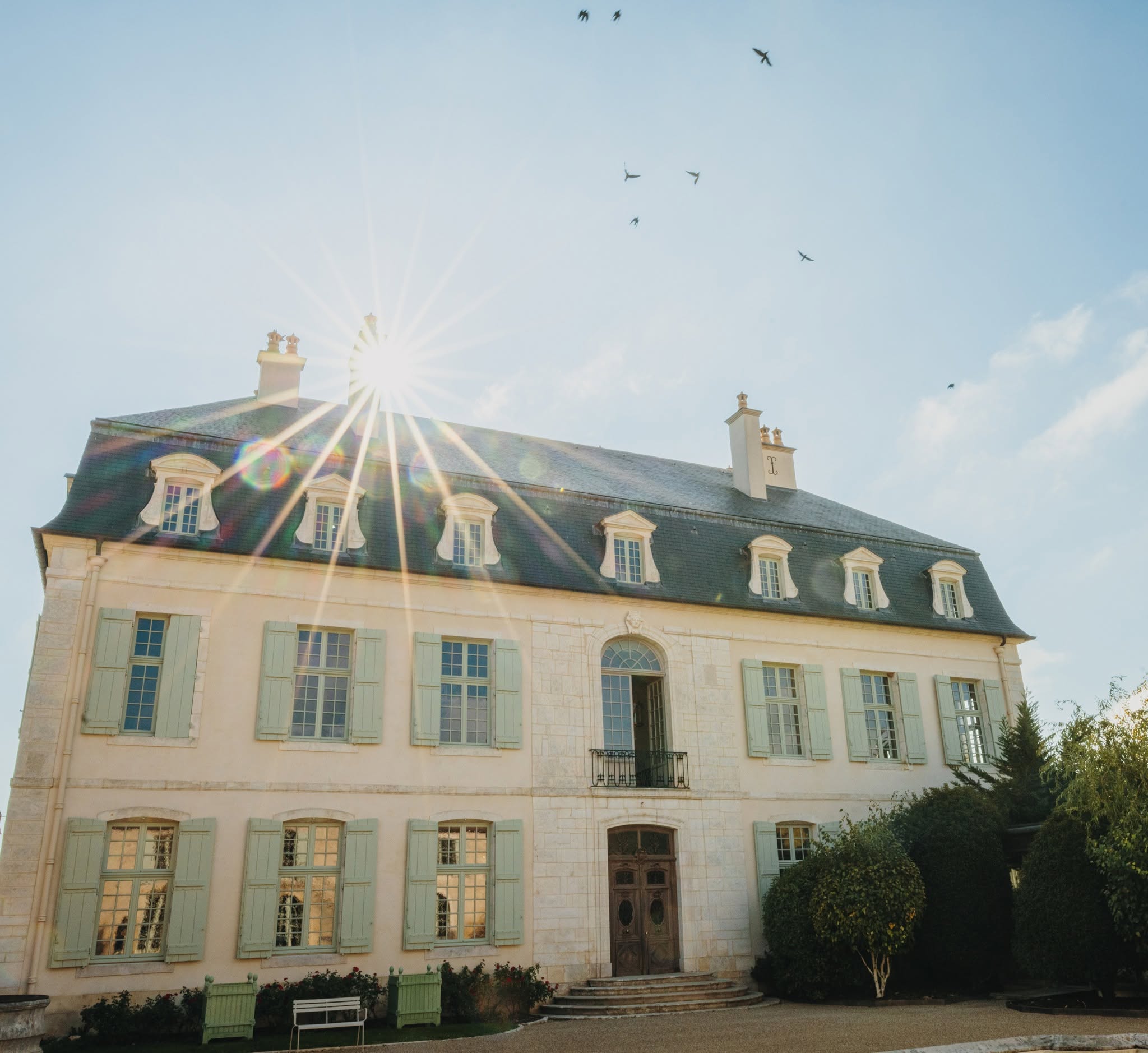
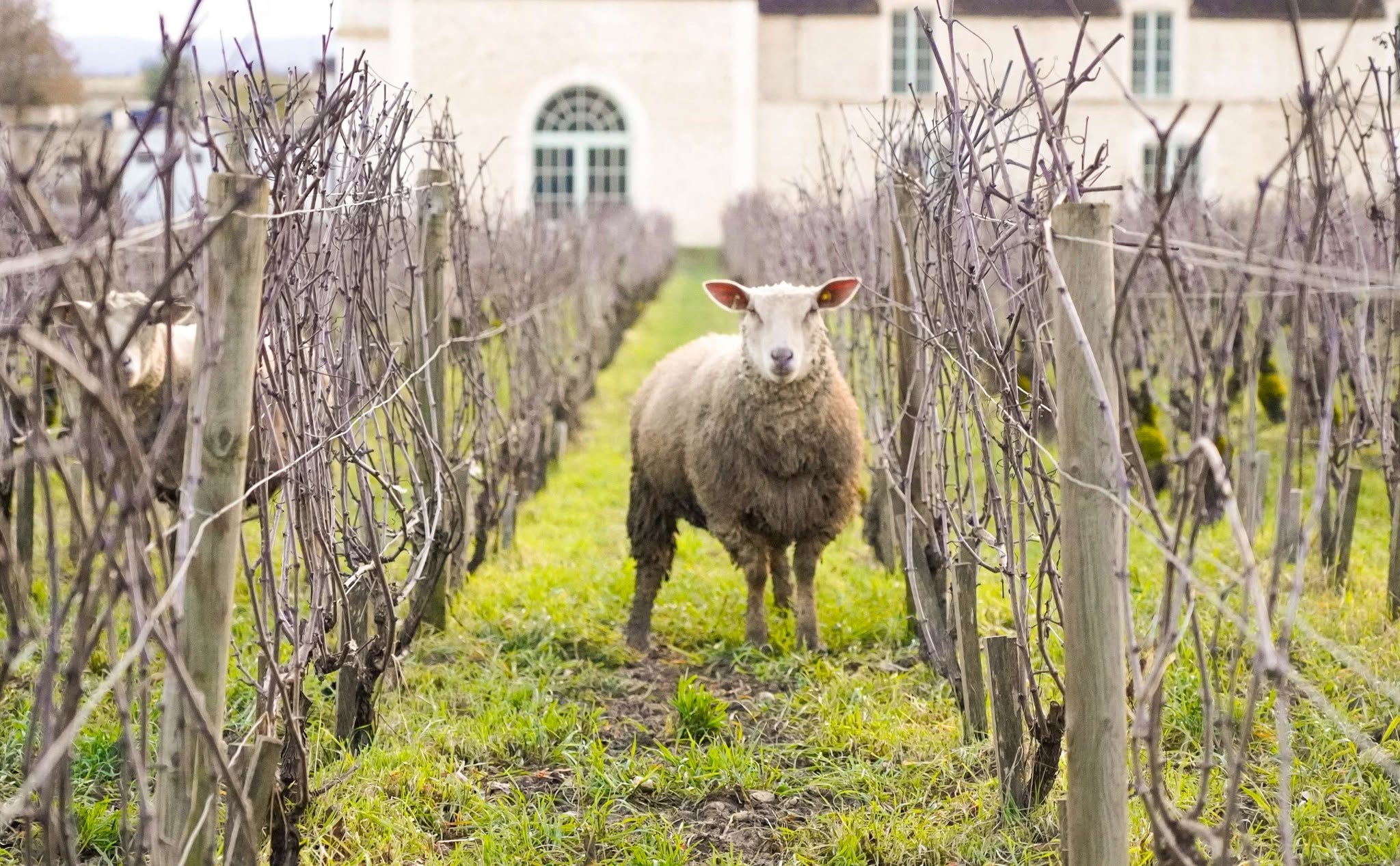
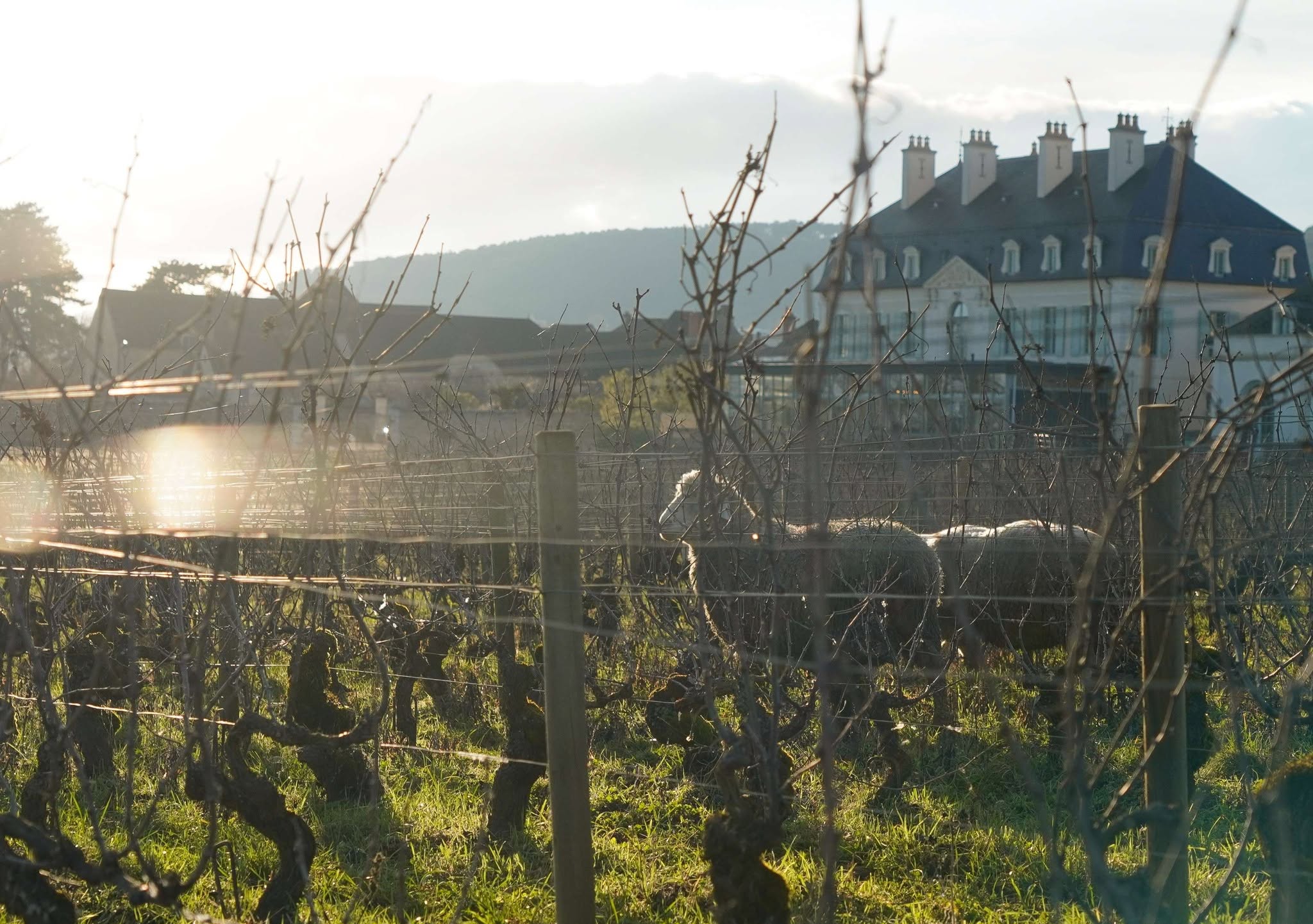
Photo: Château de Pommard