

Robin Jayet of Château de Marsannay: “Wine tourism should give people something they cannot get from social media”
Author Victoria Makarova
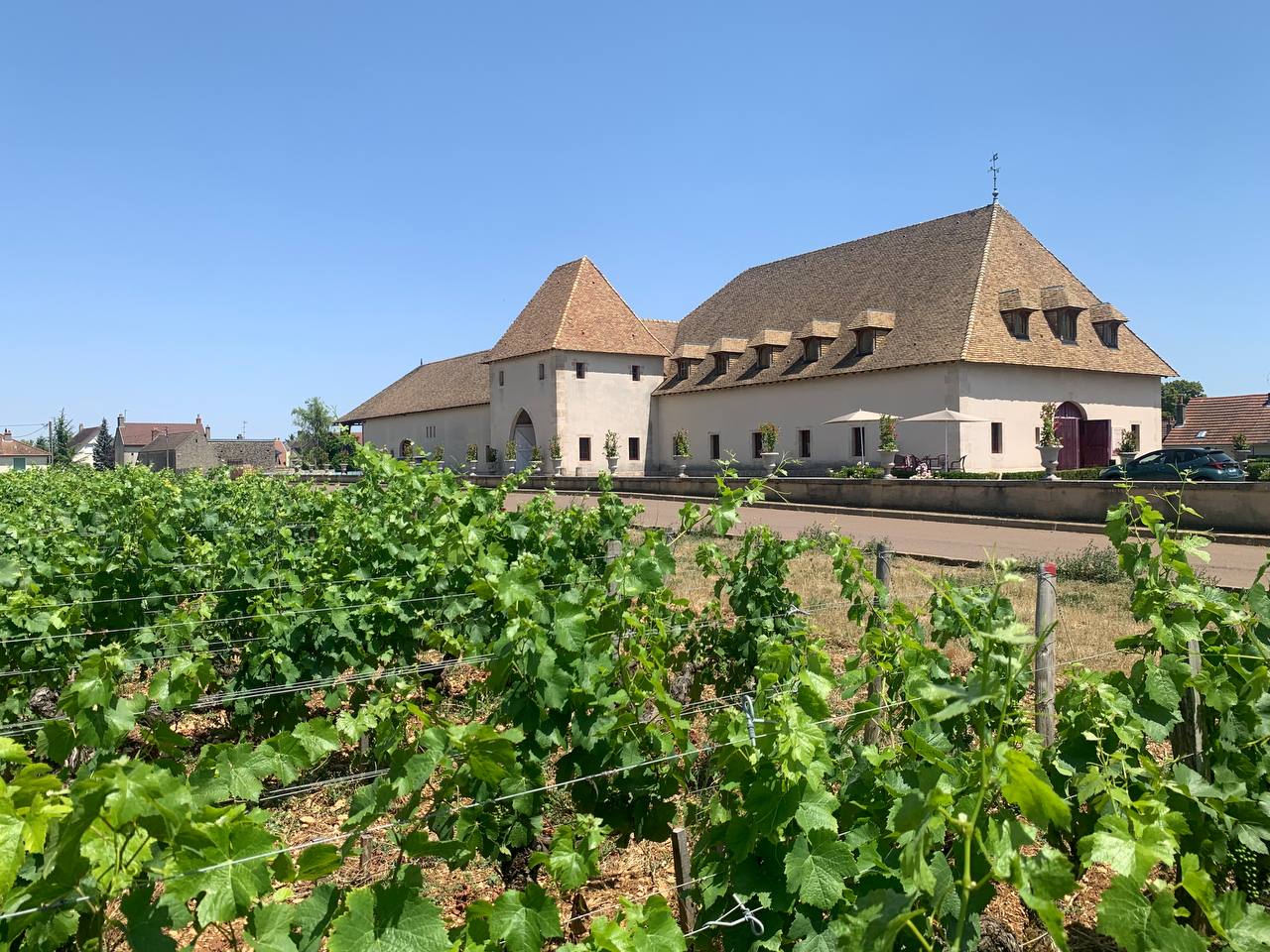
Burgundy can be complicated: appellations, classifications, centuries of history. At Château de Marsannay, Robin Jayet’s job is to make all of this understandable without taking away the pleasure of simply being there, tasting and asking questions. As the Wine Tourism Manager, he sees first-hand what visitors from around the world are looking for – and what makes them want to stay a little longer. He shares his perspective in an interview with Drinks+ Observer’s Victoria Makarova.
Château de Marsannay was nominated in the “Must Visit” category by the Wine Travel Awards 2026-2027. What do you think makes a wine estate genuinely worth travelling to today – beyond a beautiful château, a cellar tour and a tasting?
We are very grateful for this nomination. It is a wonderful recognition for the whole team at Château de Marsannay, because welcoming visitors has been part of our identity for almost 40 years.
For me, what makes a wine estate worth travelling to is not necessarily the beauty of the building, but the quality of the human experience you have there. Fine wine has this extraordinary ability to bring people together and create genuine moments of sharing. I think accessibility matters enormously. Burgundy can be fascinating but also intimidating, particularly for first-time visitors. The best estates are able to share their knowledge without making visitors feel that they need to be wine experts to enjoy their wines.
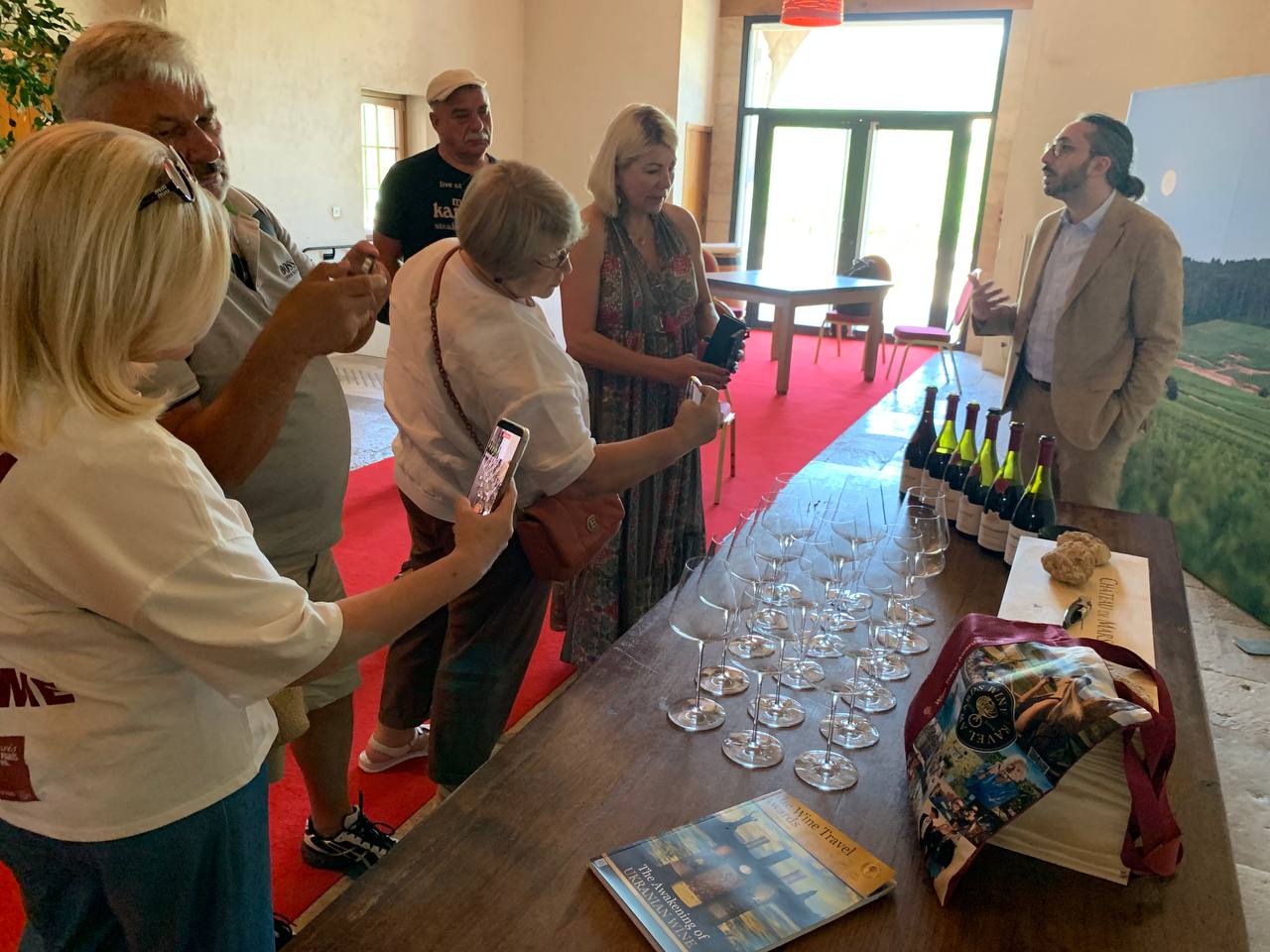
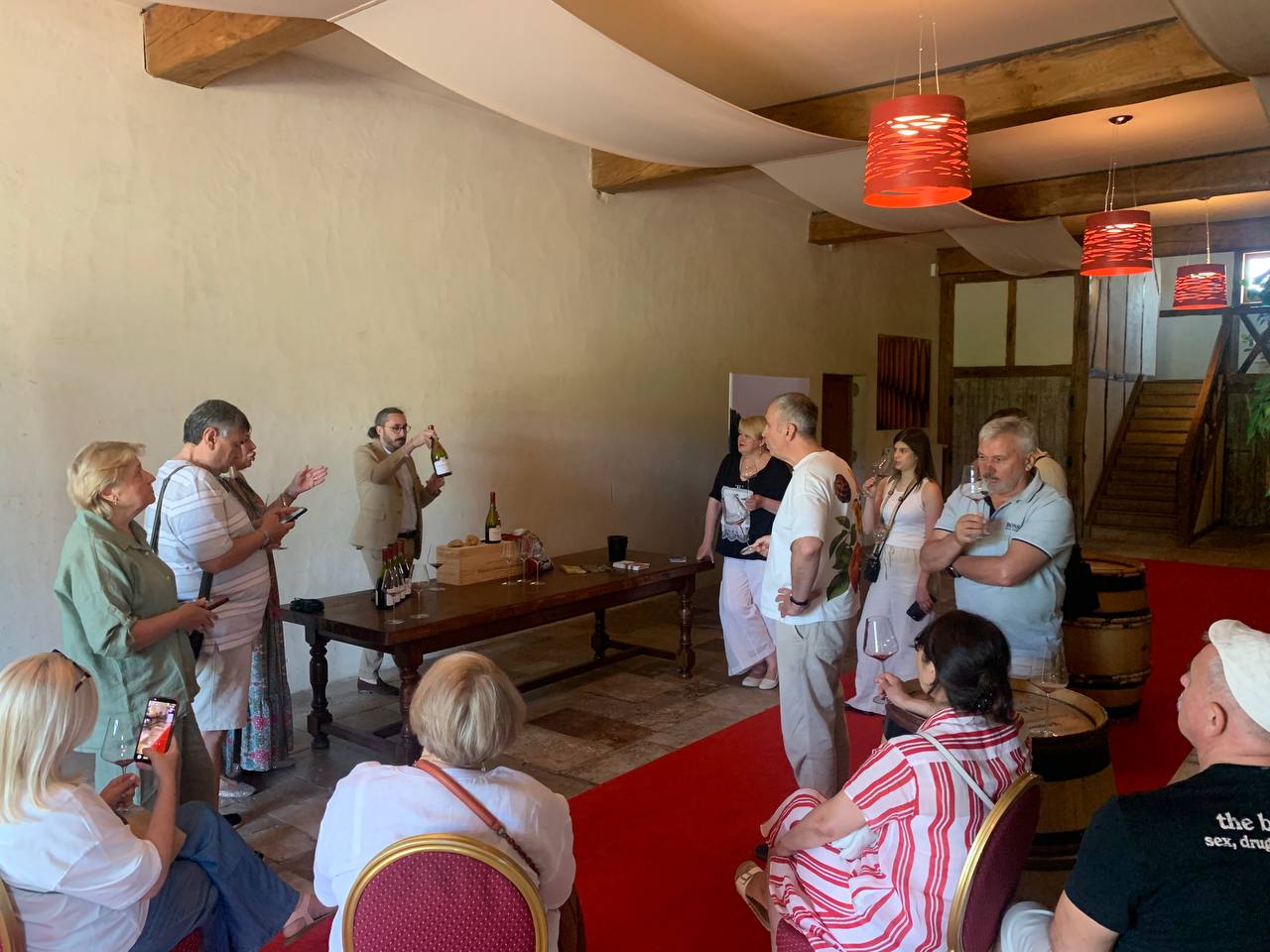
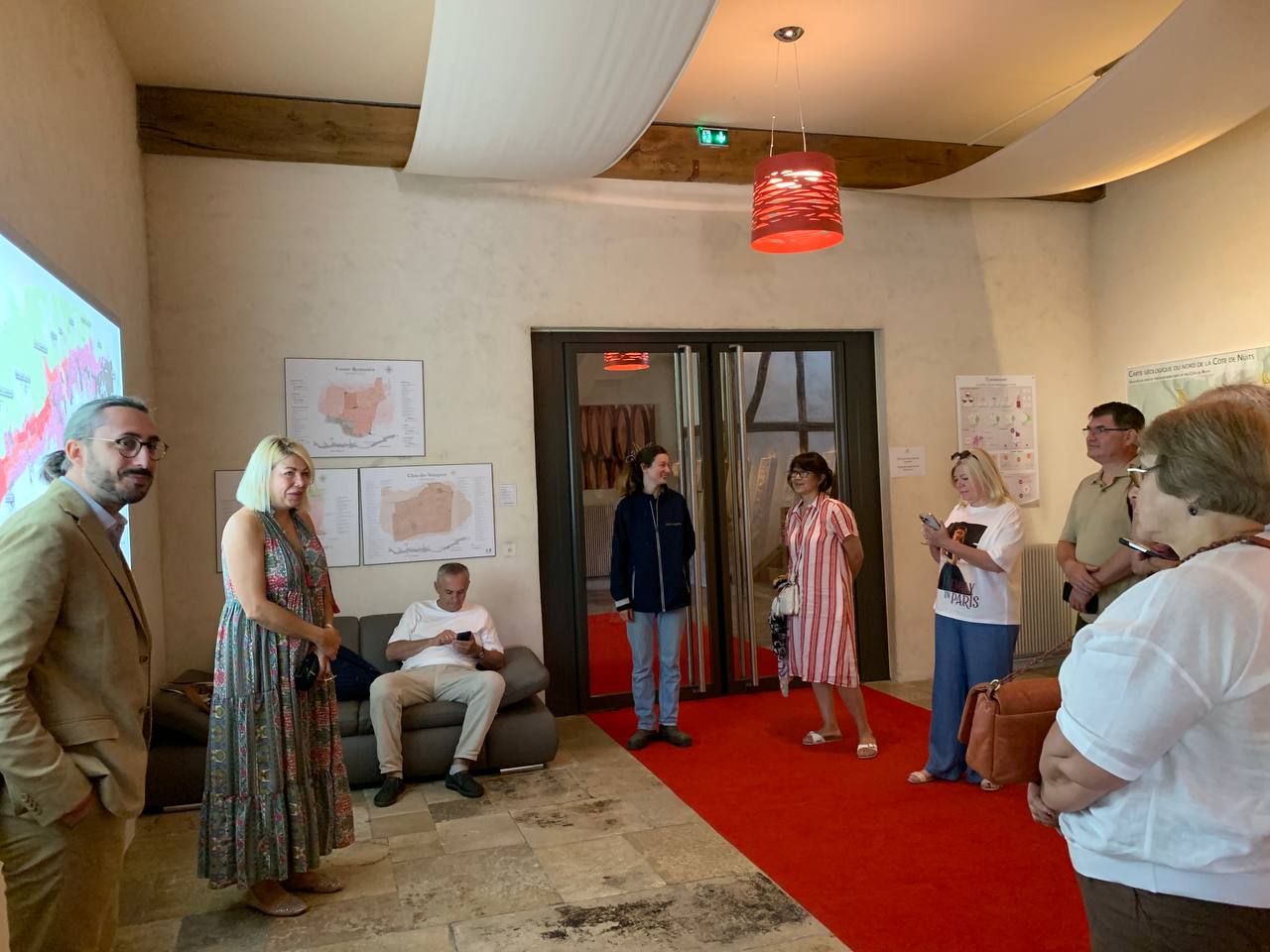
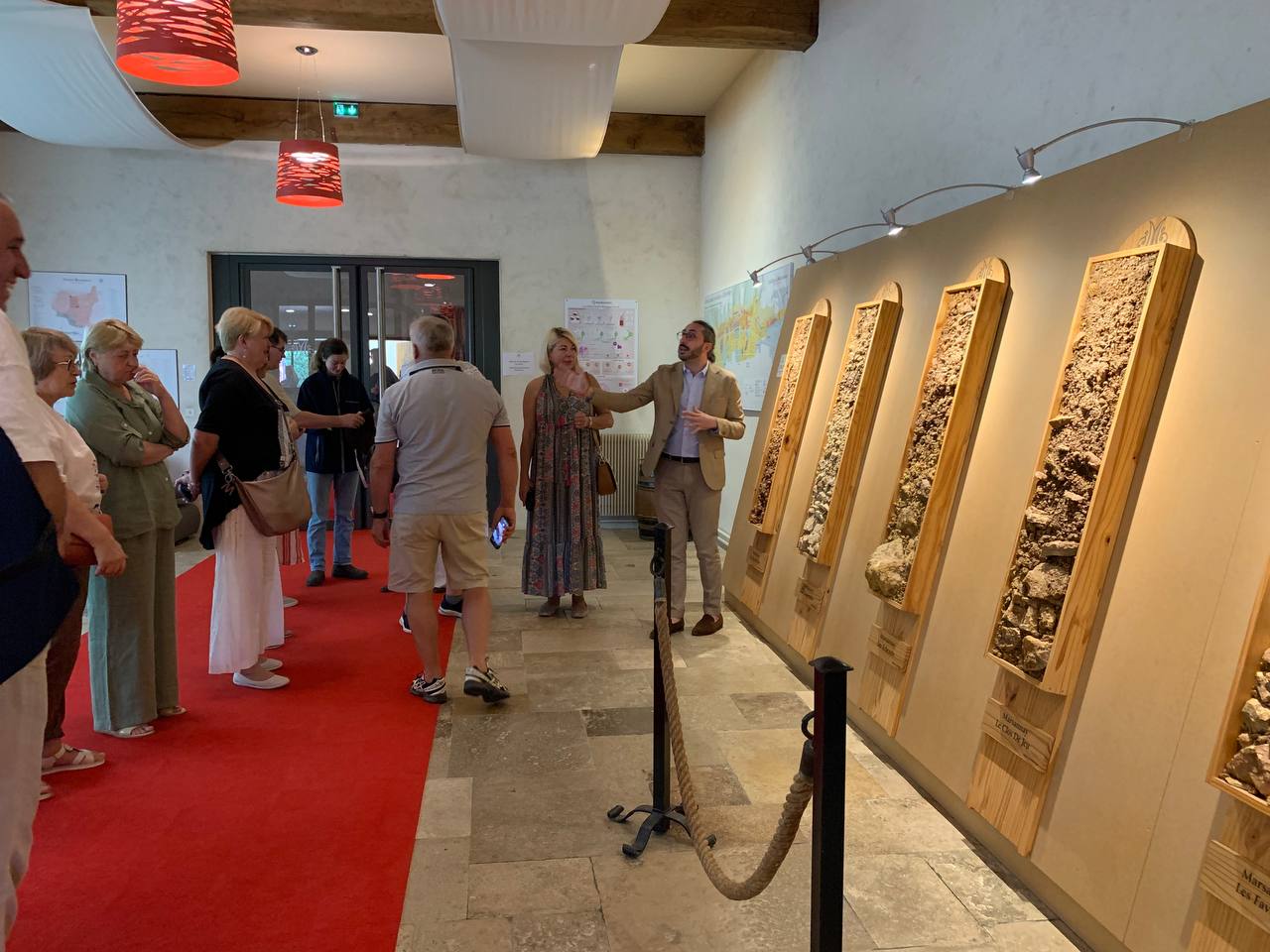
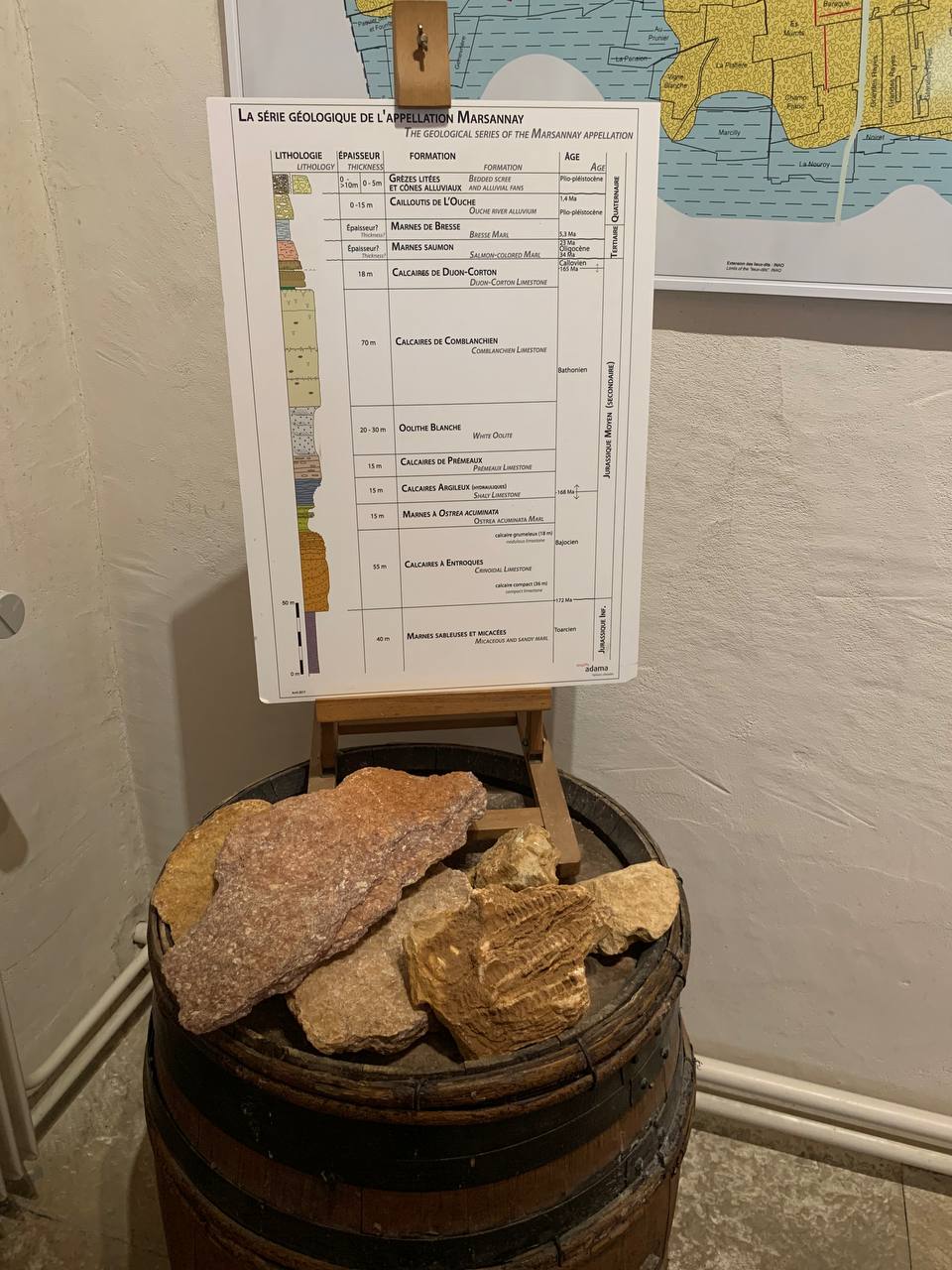
Of course, when you visit Château de Marsannay, you will discover our wines, our cellar and our winemaking process. But first, we want to give you the keys to understand what makes Burgundy so special. We take the time to explain the fundamentals: what makes Burgundy different, what a Climat (a precisely defined vineyard parcel) is, how the classification works, how a vineyard is farmed, and how all these elements eventually find their way into the glass. We try to do that without making wine unnecessarily complicated. I believe authenticity in wine tourism means being honest about who you are, how you work. If visitors leave curious enough to look at the next bottle of Burgundy differently, then we have done our job.
Social media has made wine tourism increasingly visual. Has this changed what visitors actually want to experience, and do you ever find yourself designing an experience with the camera in mind?
Social media has changed the way we travel. We all take photographs, and when we discover a beautiful place, we naturally want to share it. And honestly, that can be a wonderful form of recommendation for a winery.
At Château de Marsannay, social media hasn’t been our priority yet. We may look like a large estate from the outside, but in the way we operate, we’re still a small-to-medium-sized winery. Over the past ten years, most of our energy and investment has gone into more sustainable vineyard practices and creating a better experience for our visitors. So yes, we’re probably still a little behind on Instagram – although we’re always happy when visitors follow us!
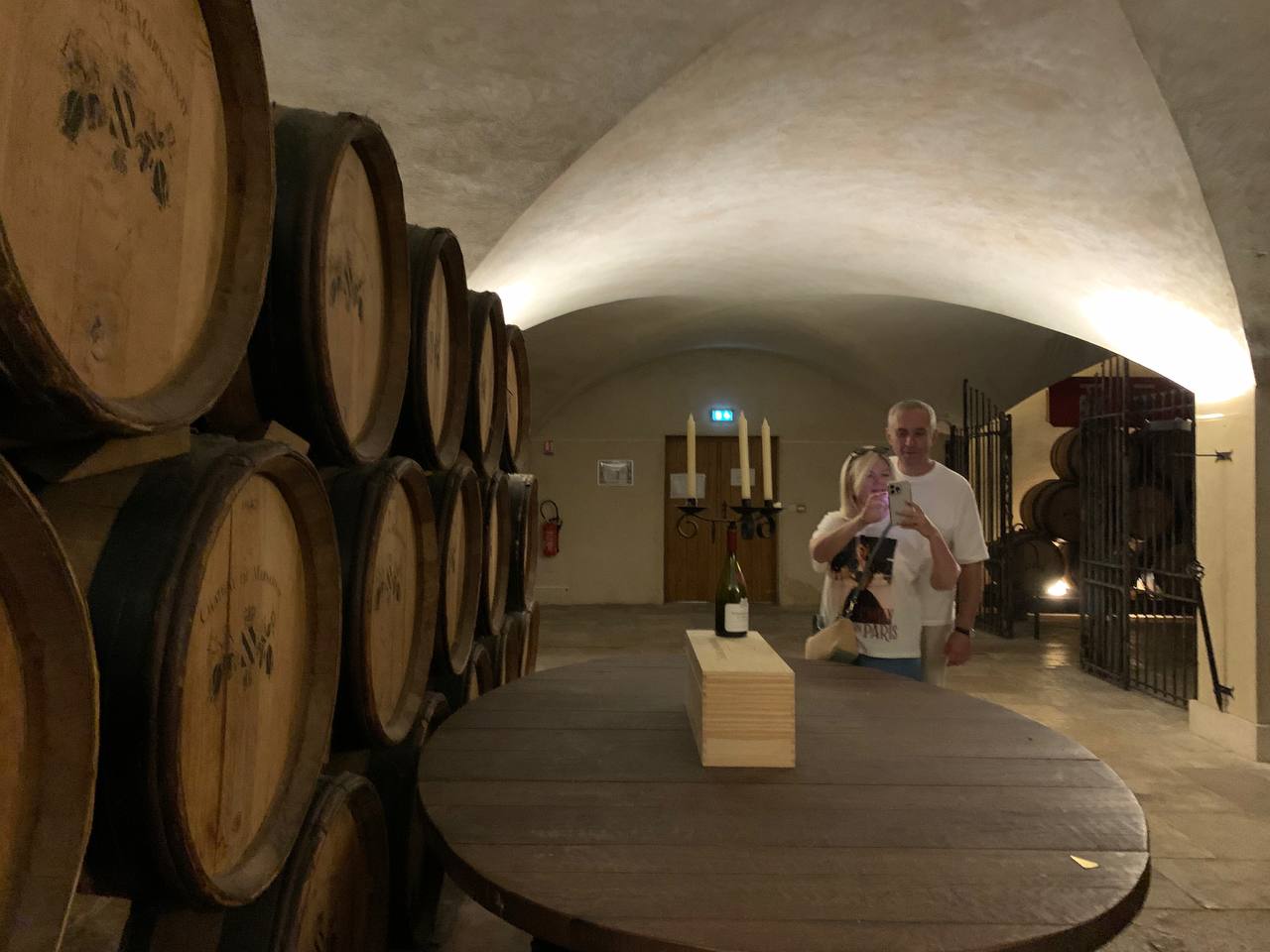
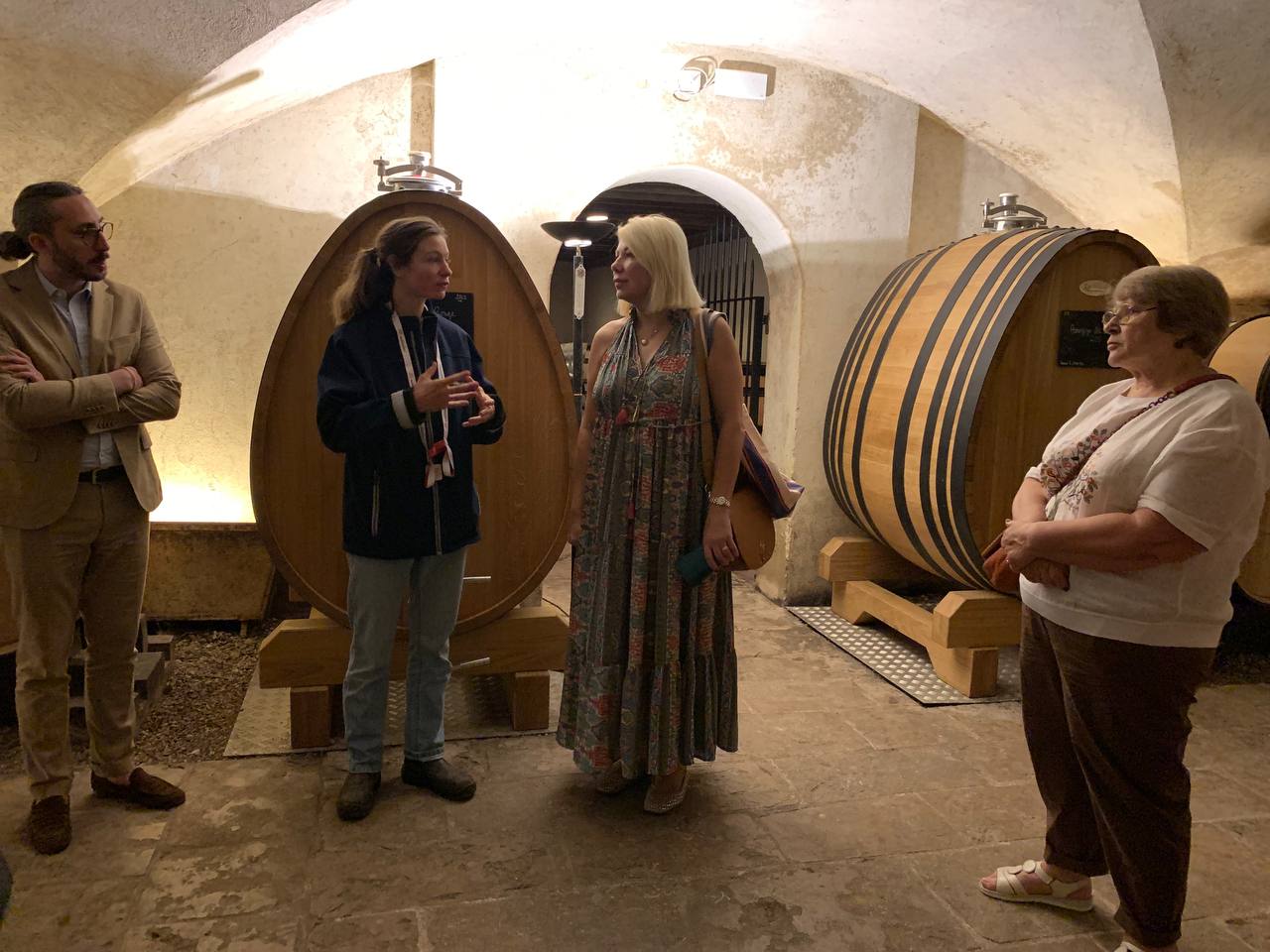
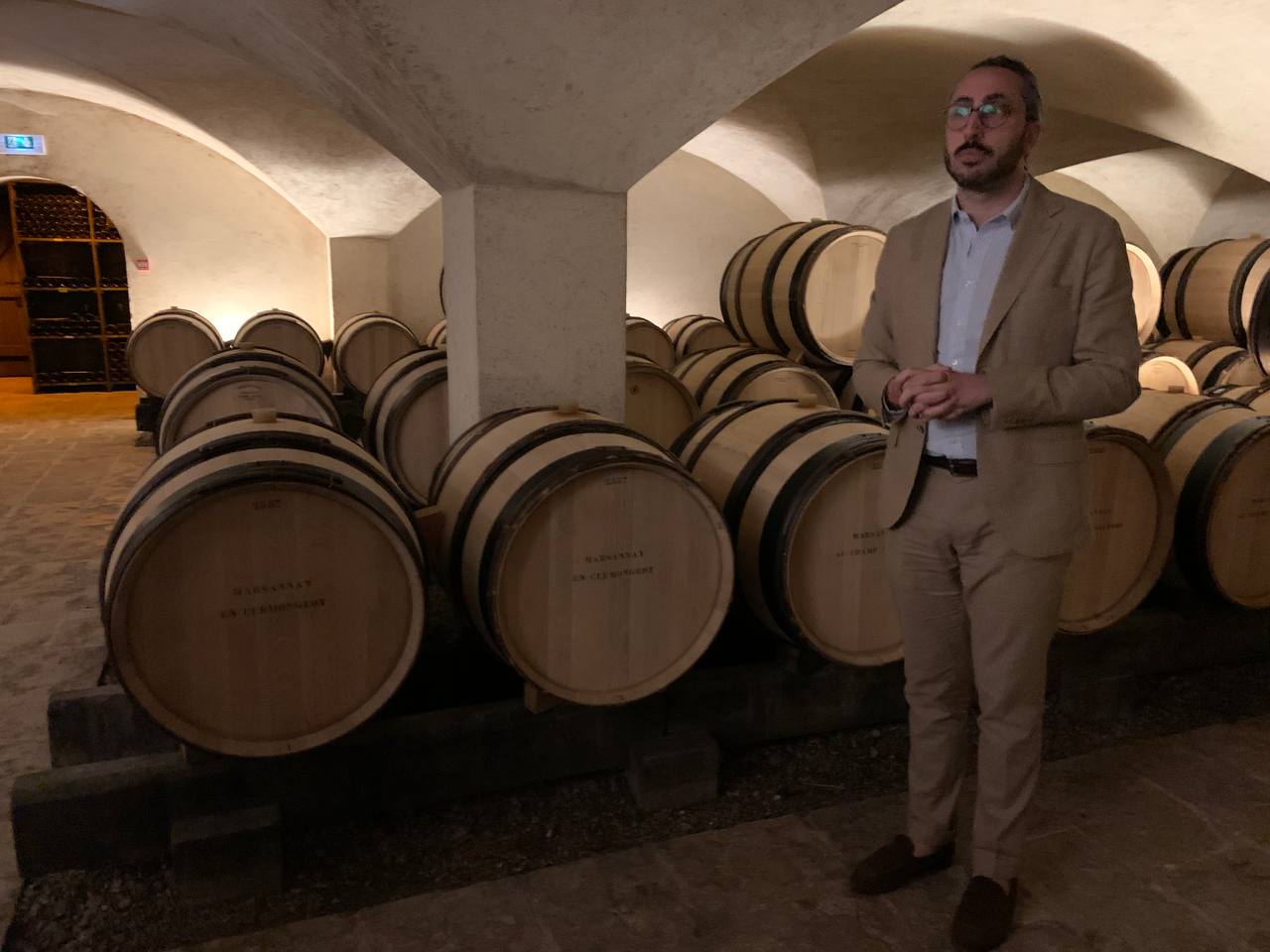
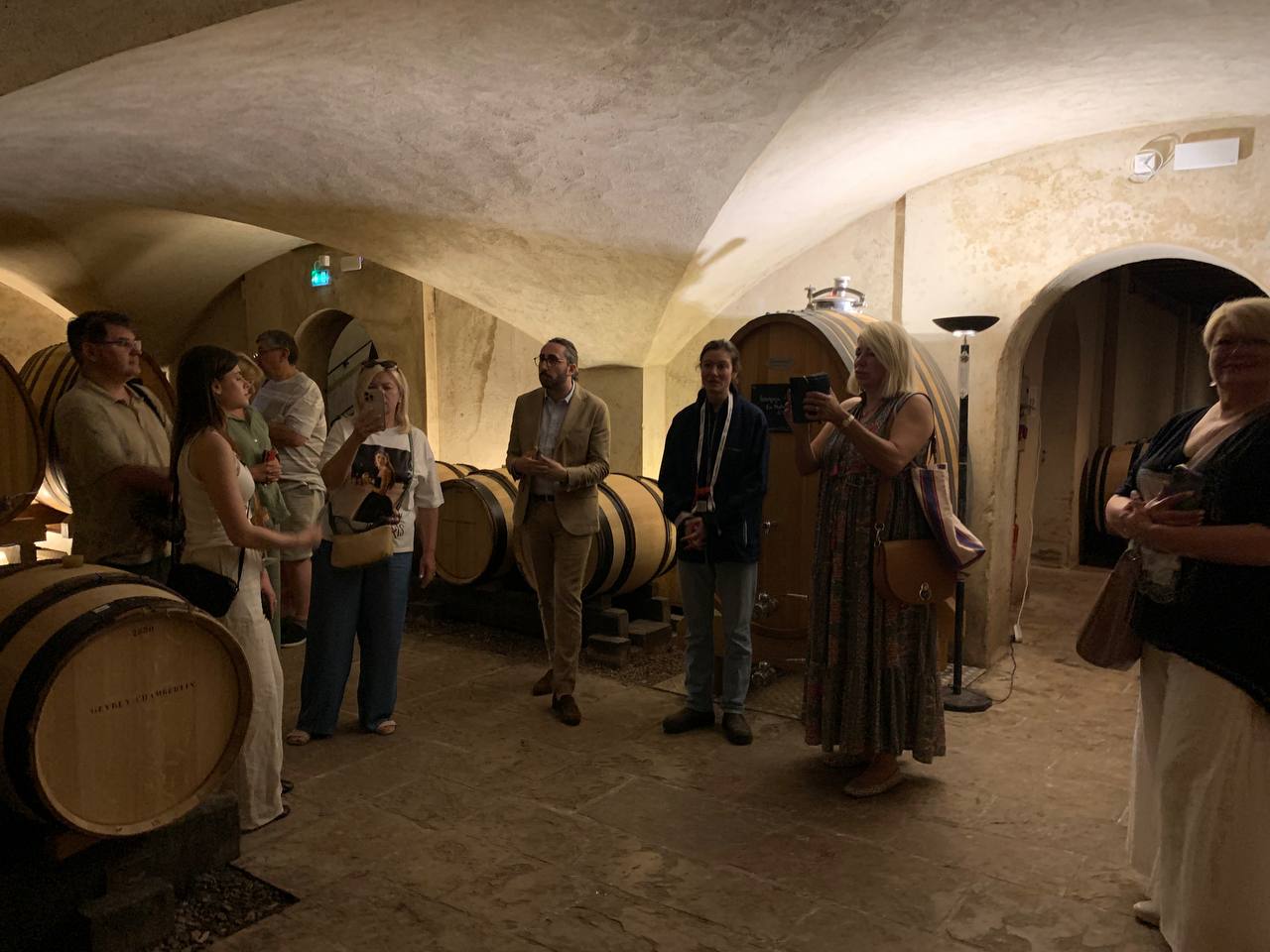
More seriously, I sometimes think the most valuable experiences are the ones you can’t photograph. What happens when you simply put your phone away for an hour or two? You’re ten metres underground, surrounded by the arches and cool air of our cellar, with hundreds of barrels stretching out around you. And there’s that particular smell: a mix of oak, wine and the cool, damp air of an underground cellar. Then you taste the wines with someone who can answer your questions and tell you the story behind them. That combination of senses, atmosphere and human connection is difficult to reproduce on a screen.
Wine tourism should give people something they cannot get from social media: time together, genuine conversation, knowledge and a real sense of place. That said, if you do come to Château de Marsannay, I will happily show you the best angle for the prettiest photograph of the cellar!
You work with visitors who may know a lot about wine – or virtually nothing. How do you create an experience that works for both without making either group feel out of place?
That is really at the heart of what we do. I don’t think the answer is to create two separate worlds for experts and beginners, but to offer an experience that people can enter at different levels. We have different formats, from small-group visits to private tours, in both French and English. Whatever the format, though, we deliberately avoid a fully scripted tour. Every group is different, and we want every visit to feel different too.
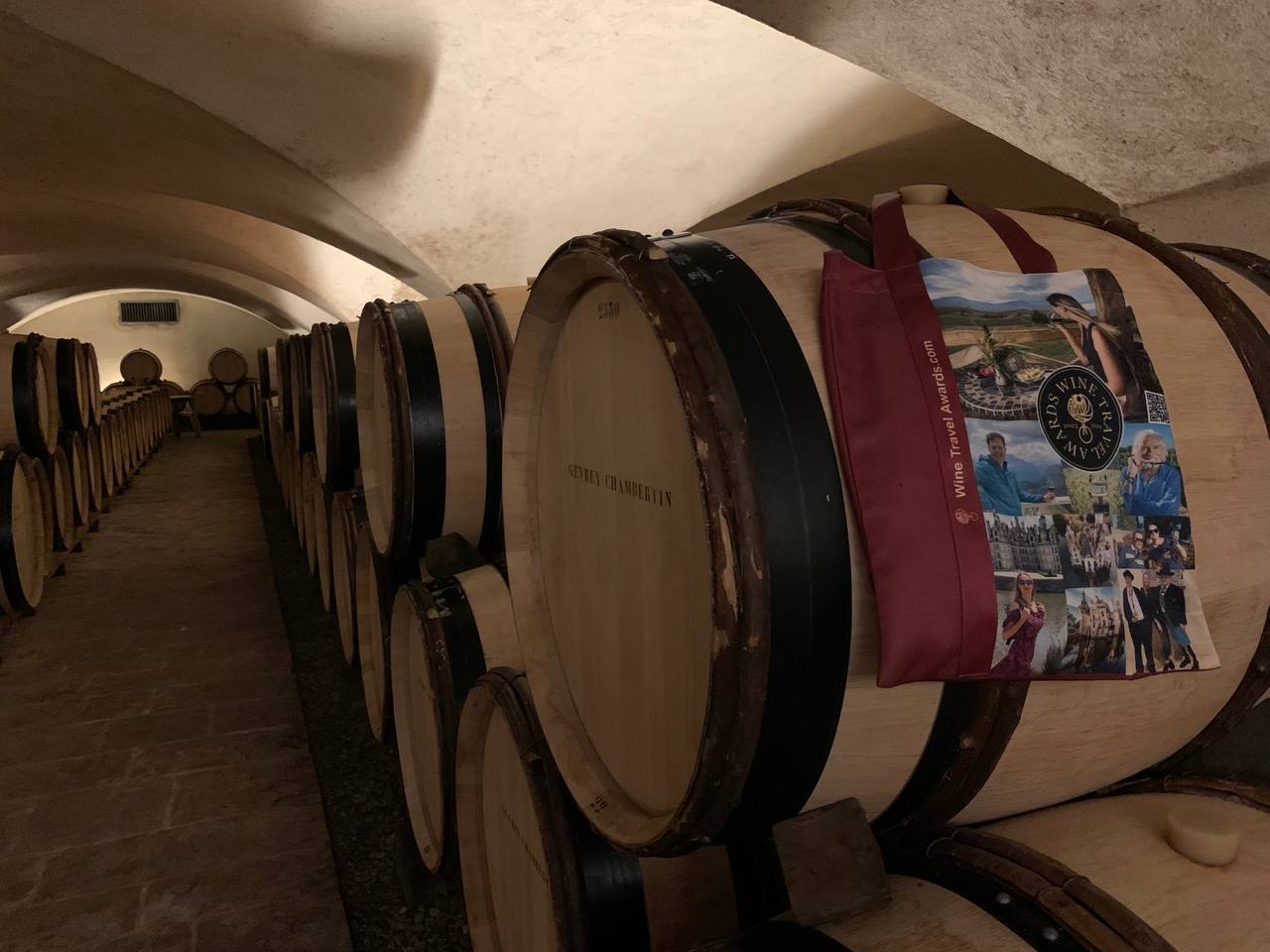
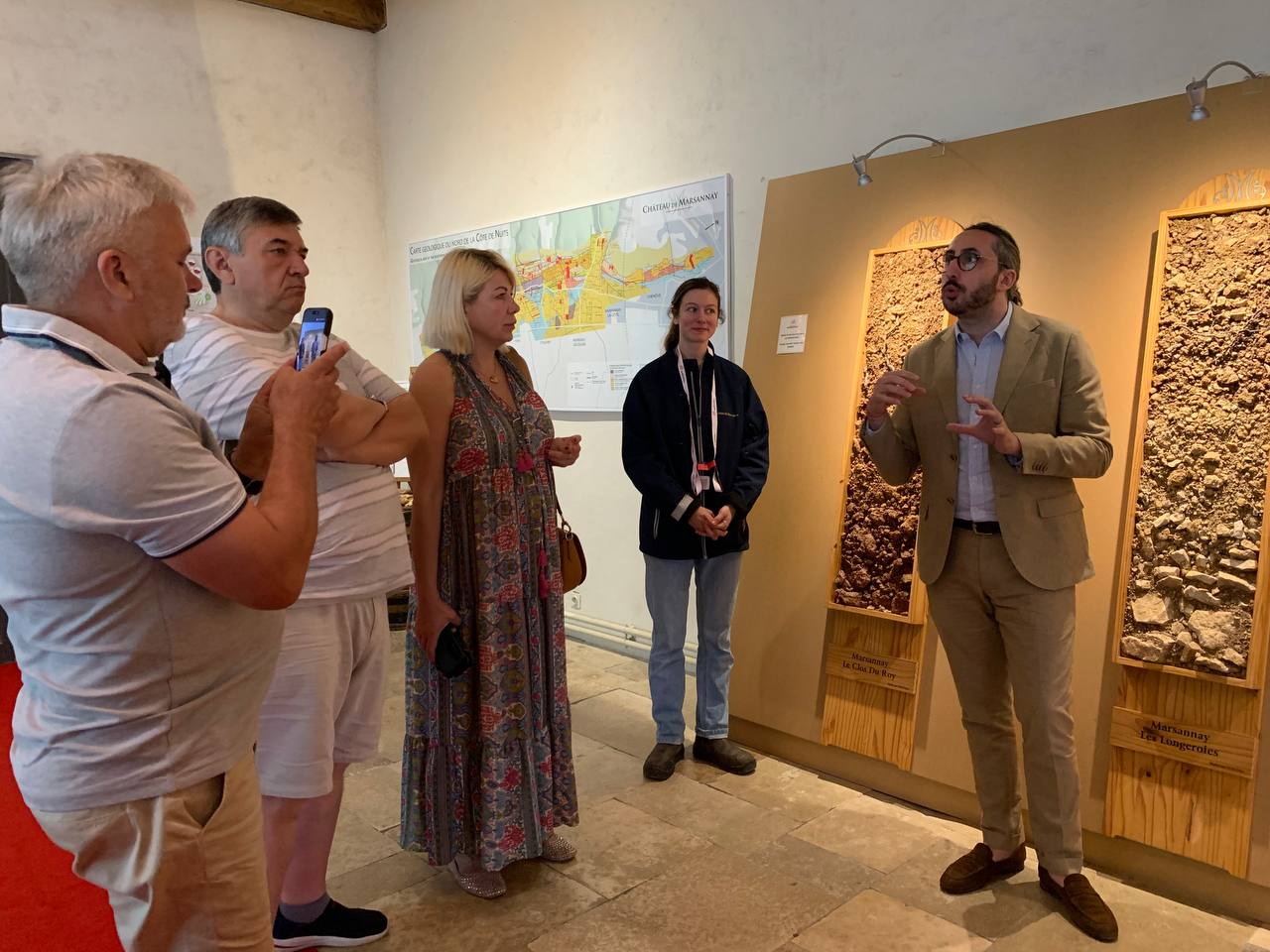
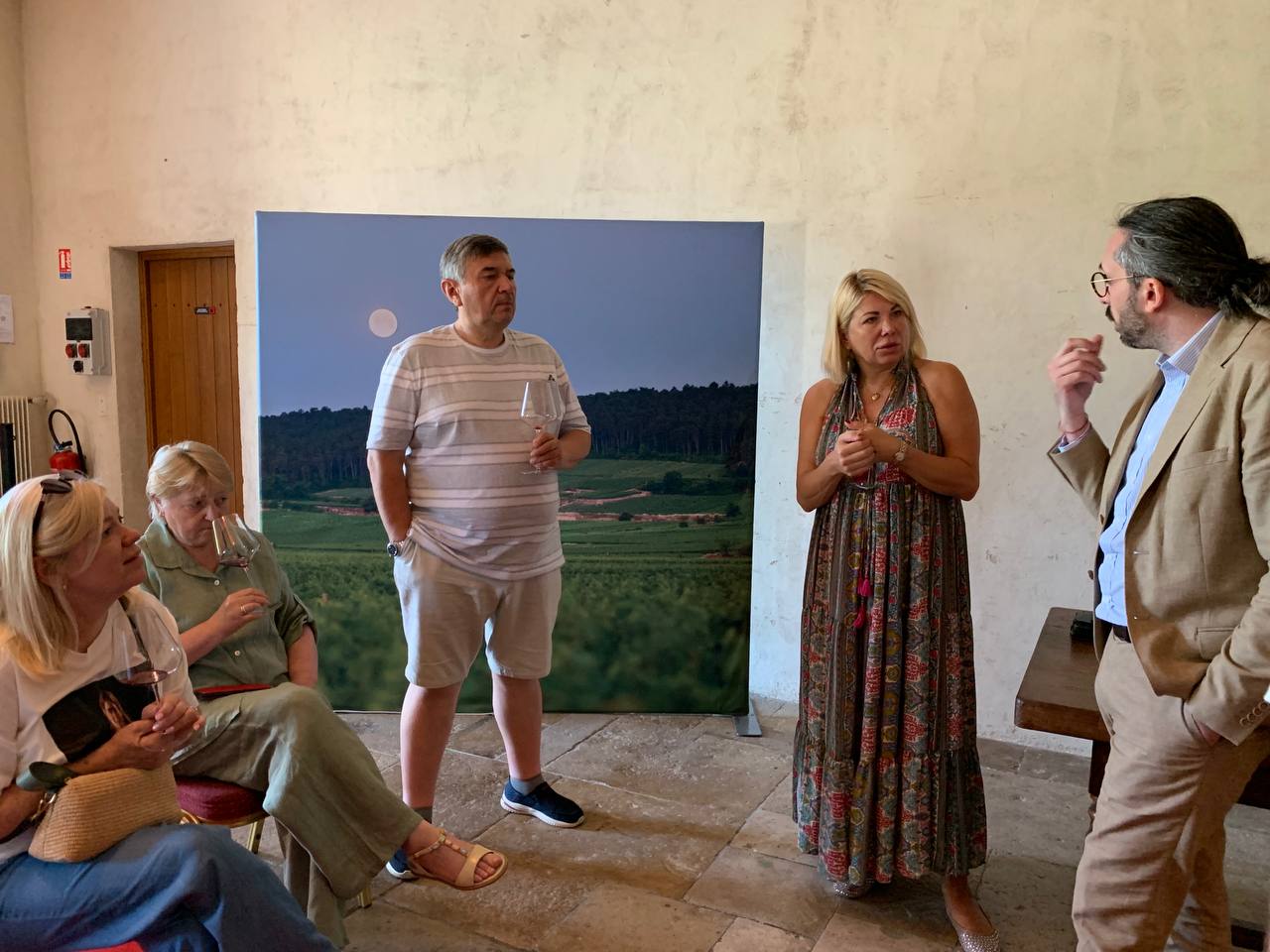
We usually start with the basics: where you are, what makes the region distinctive, and what you’re about to taste. From there, we follow the questions and interests of the group. Having different levels of knowledge can actually make a visit more interesting: an expert’s question can open up a whole new subject for a beginner. Wine tourism works best when learning becomes something you share, rather than a test of what you already know.
The key is language. Good wine education is not about simplifying the wine, but about simplifying the language we use to talk about it.
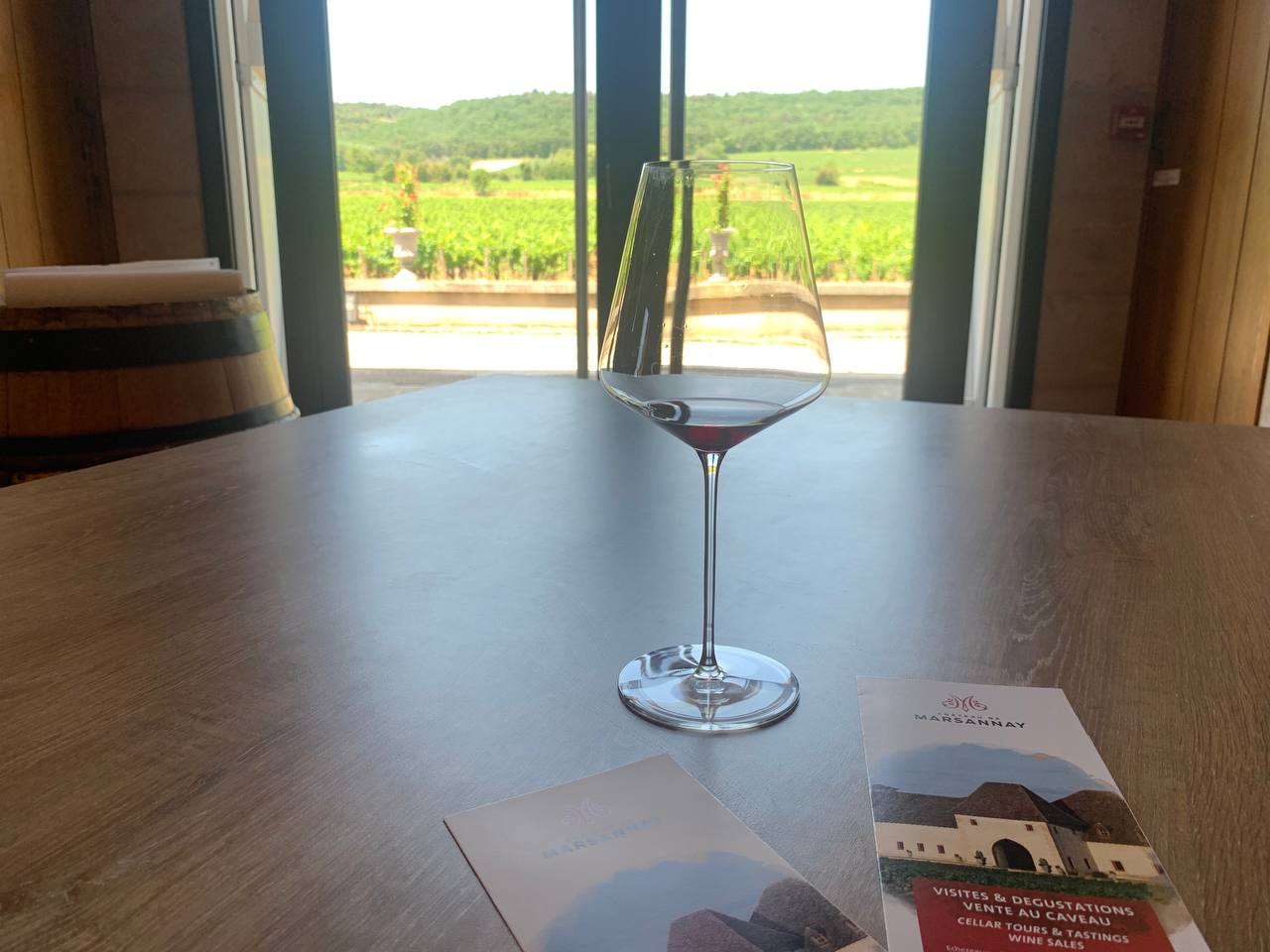
Younger consumers often seem less interested in traditional wine rituals and more interested in authenticity, discovery and experiences they can share. Do you see this at the château, and if so, what do you offer them?
We are witnessing a broader change in the way people consume wine and alcohol. Younger generations seem more interested in balance, wellbeing and spontaneous experiences. They may drink less, but they often want to understand what they are drinking and choose something they genuinely enjoy. I believe that is a positive evolution for wine.
Recent research on French and Italian young adults found that sustainable practices, environmental commitment and biodiversity can positively influence their interest in wine tourism. Looks like we fit right in.
For decades, we have tried to keep the experience at Château de Marsannay as authentic as possible. We have never wanted to surround wine with an artificial sense of luxury. Instead, we want to show what really lies behind each bottle: the vineyards, the people, the work and the decisions that go into it — and, of course, the pleasure.
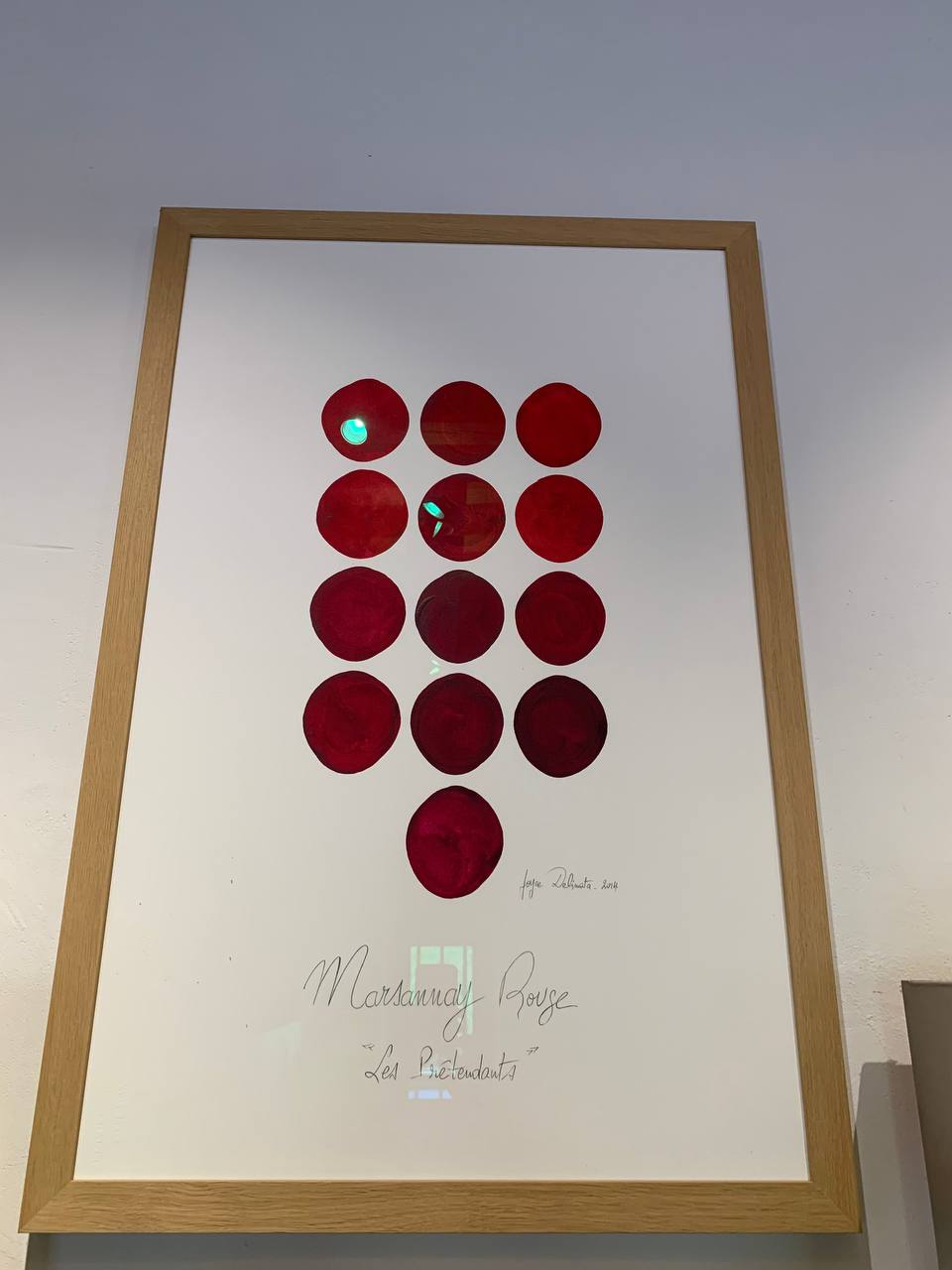
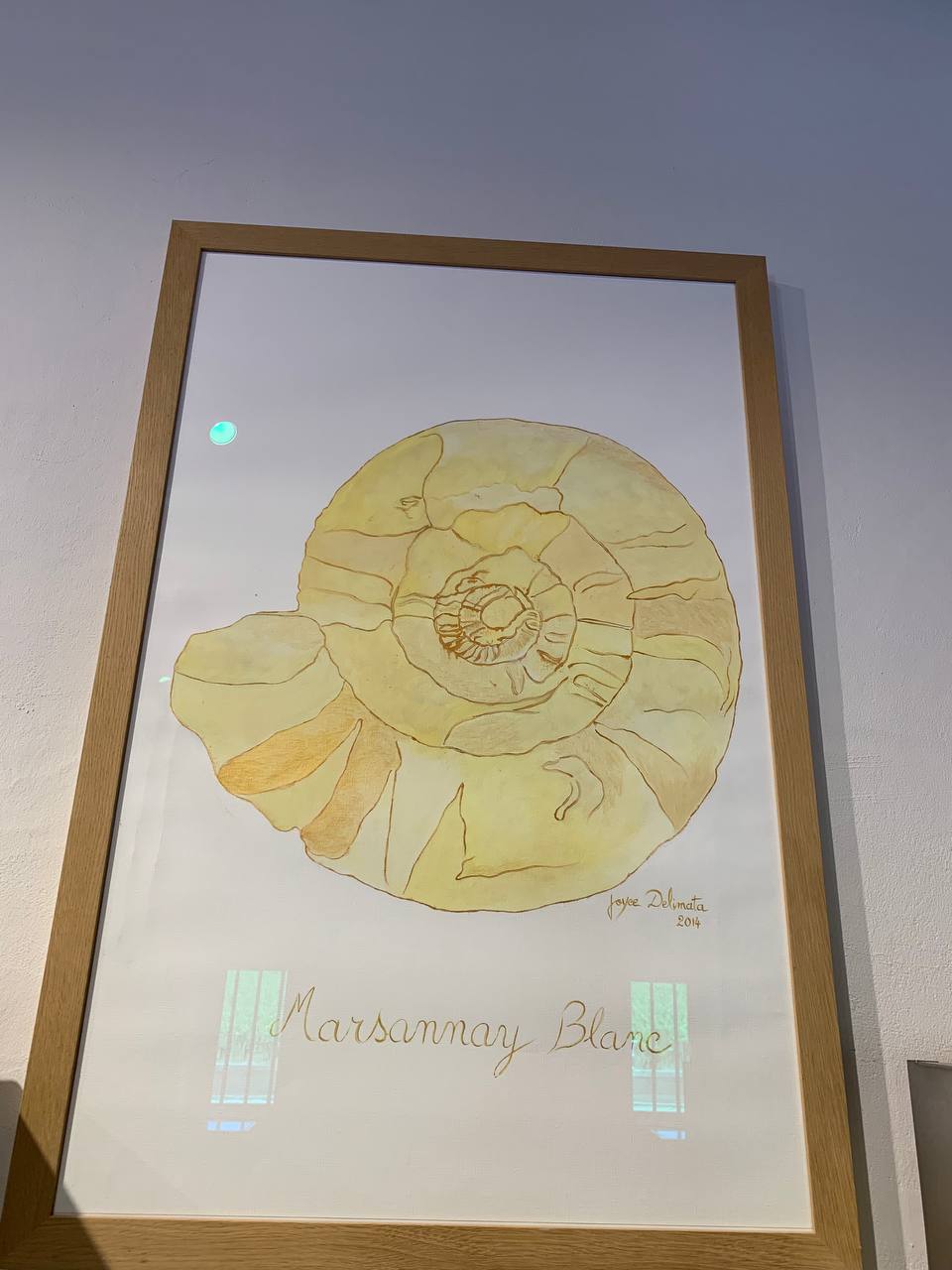
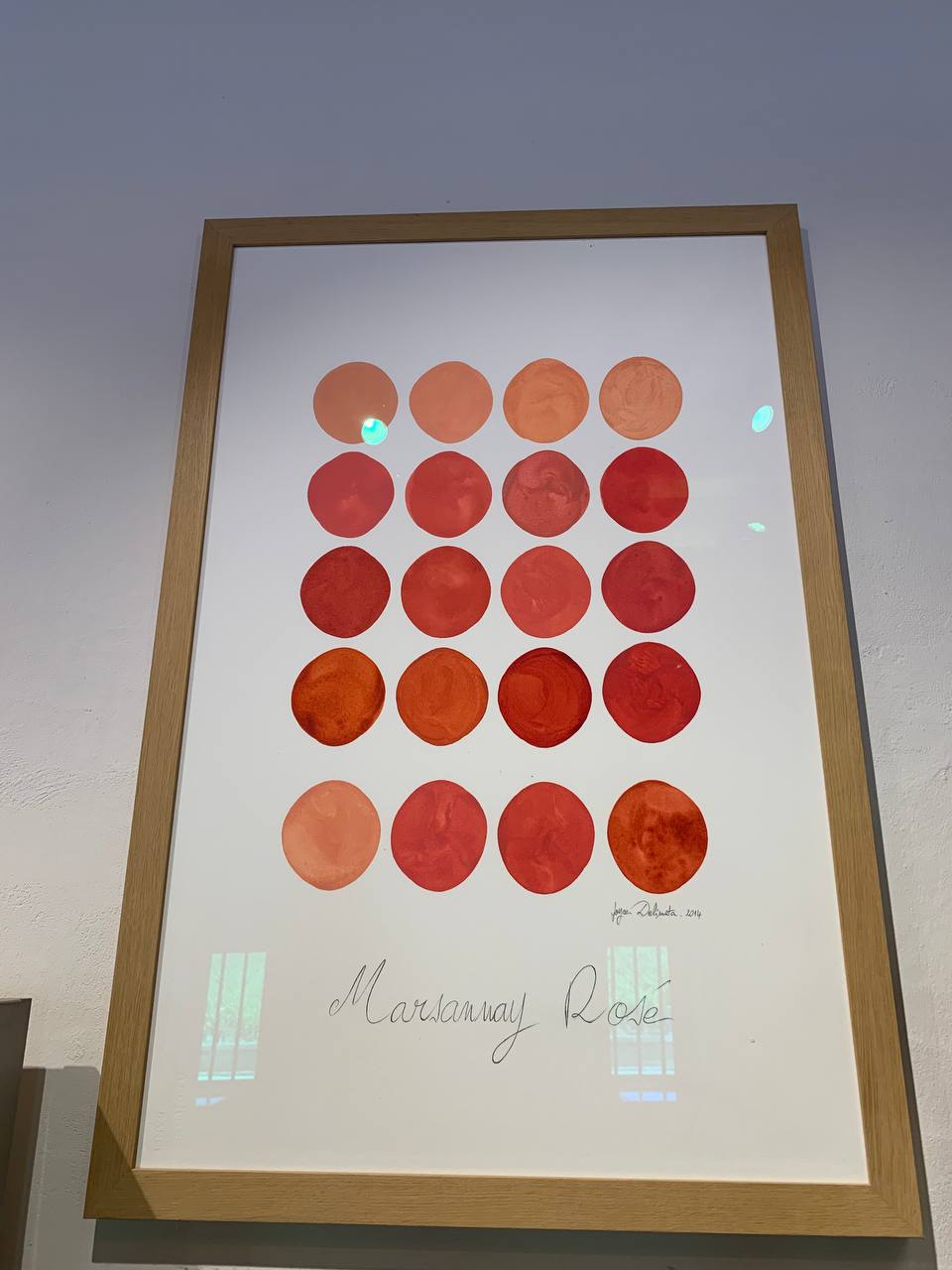
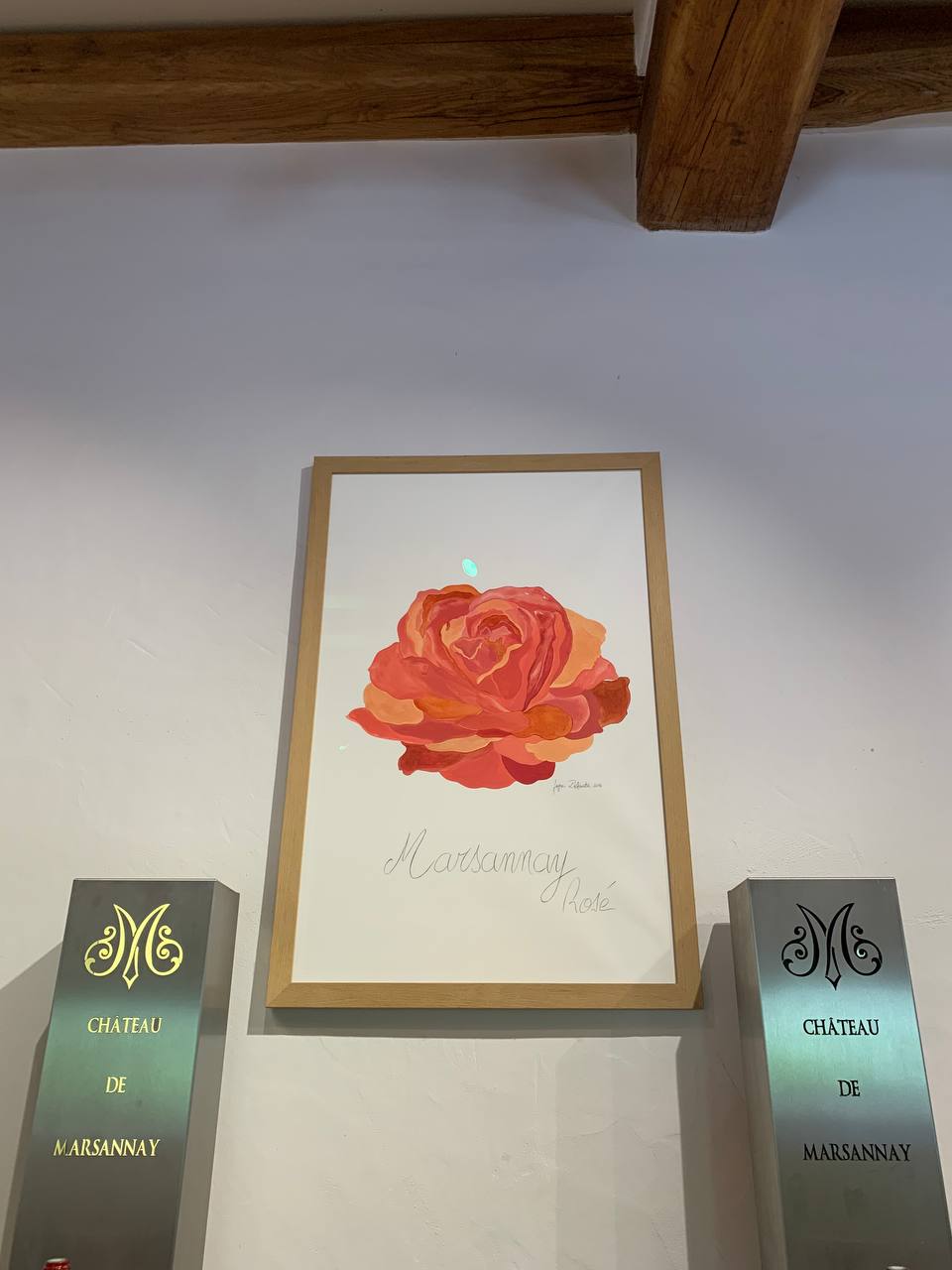
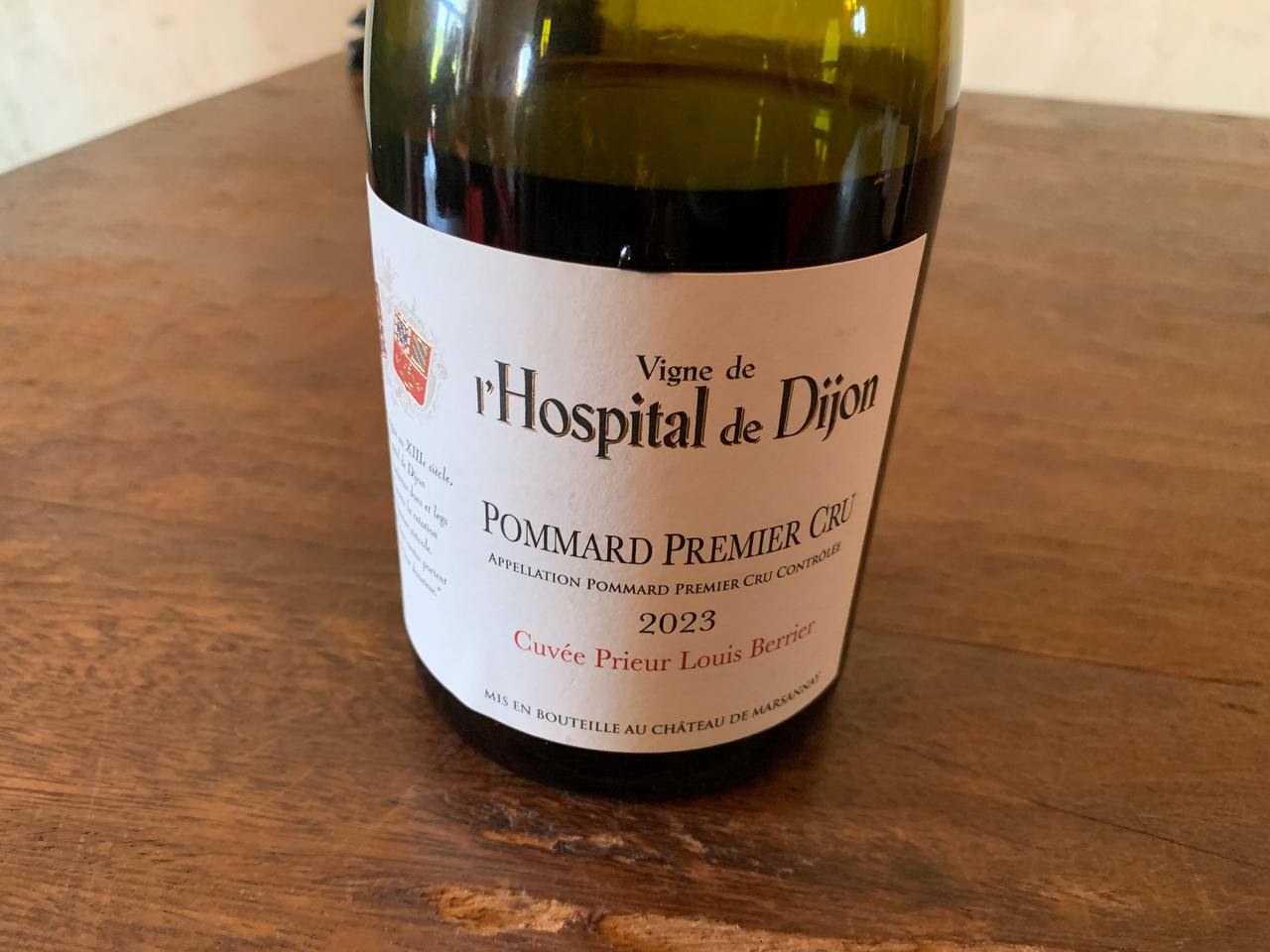
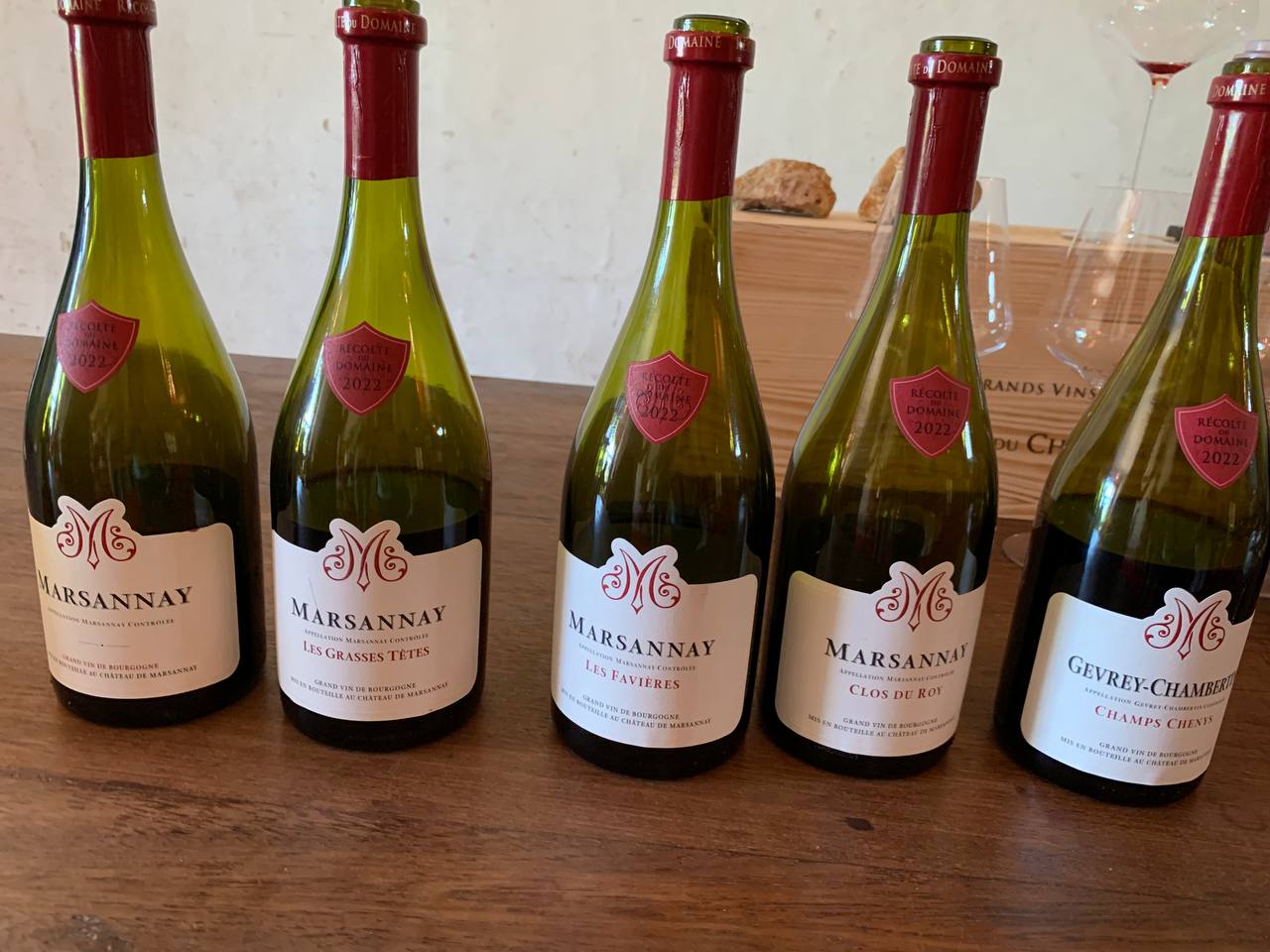
We produce around 45 different wines from our 40 hectares of vineyards, so there is an extraordinary diversity to explore. It means we can offer something for very different tastes and occasions.
Wine tourism is becoming more competitive: wineries are offering workshops, vineyard walks, gastronomic and cultural experiences and much more. Where do you think the line is between enriching the wine experience and turning the winery into an entertainment venue?
I think the line is quite simple: everything you add should help people understand, appreciate or remember the wine and the place.
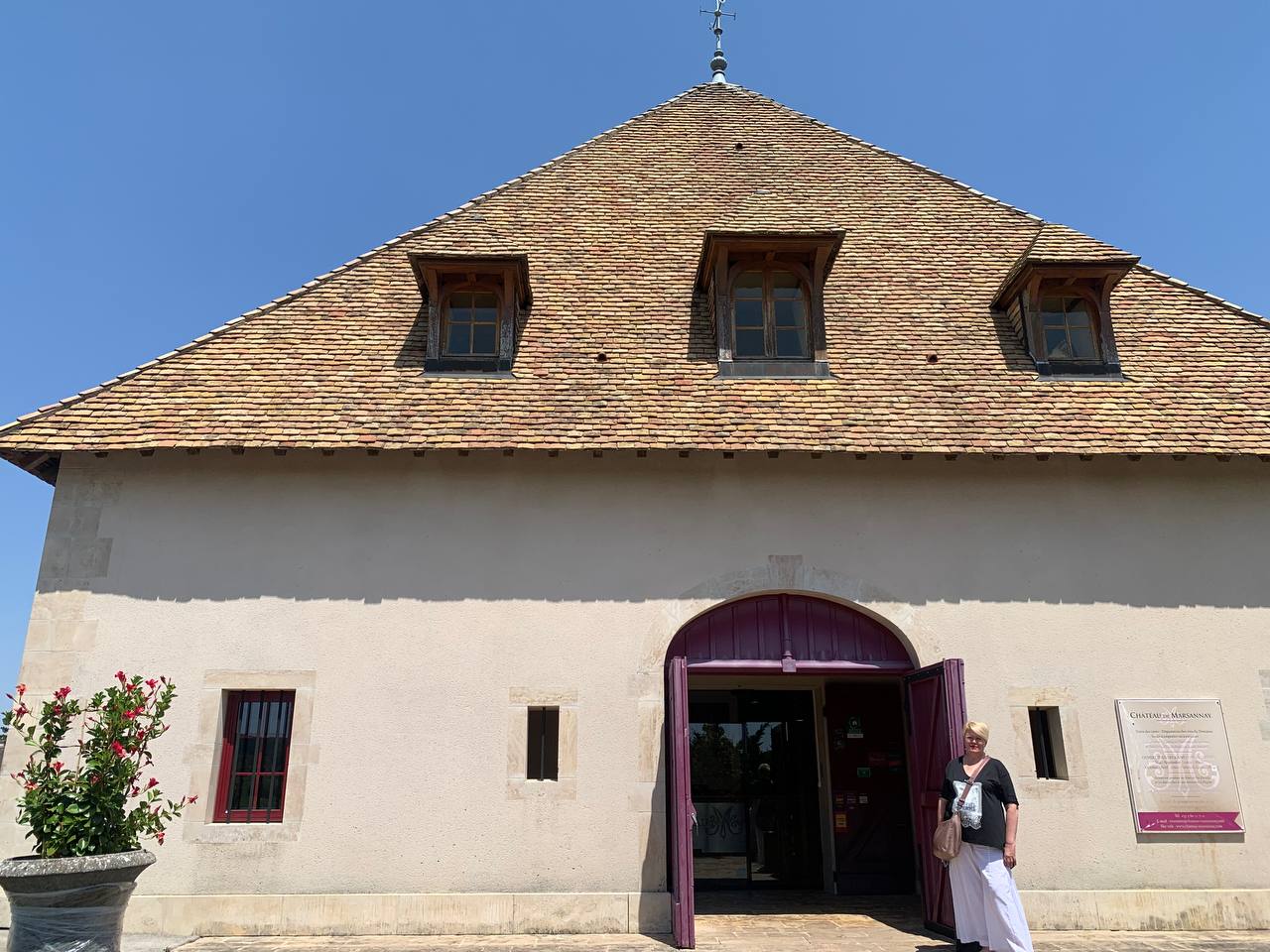
Burgundy is still relatively new to this development of wine tourism. We have an extraordinary number of small, family-owned wineries that are only now beginning to open their doors to visitors from around the world. Château de Marsannay may be a comparatively young estate, yet it has been welcoming visitors for almost forty years. Over that time, we have come to understand that hospitality is not merely a matter of adding ever more activities. Of course, we continue to evolve. We now have a dedicated reception hall for larger gatherings, where wine remains the central thread running through every occasion. For groups, we offer thoughtful pairings of wine and cheese, as well as tastings of rarer, more premium cuvées.
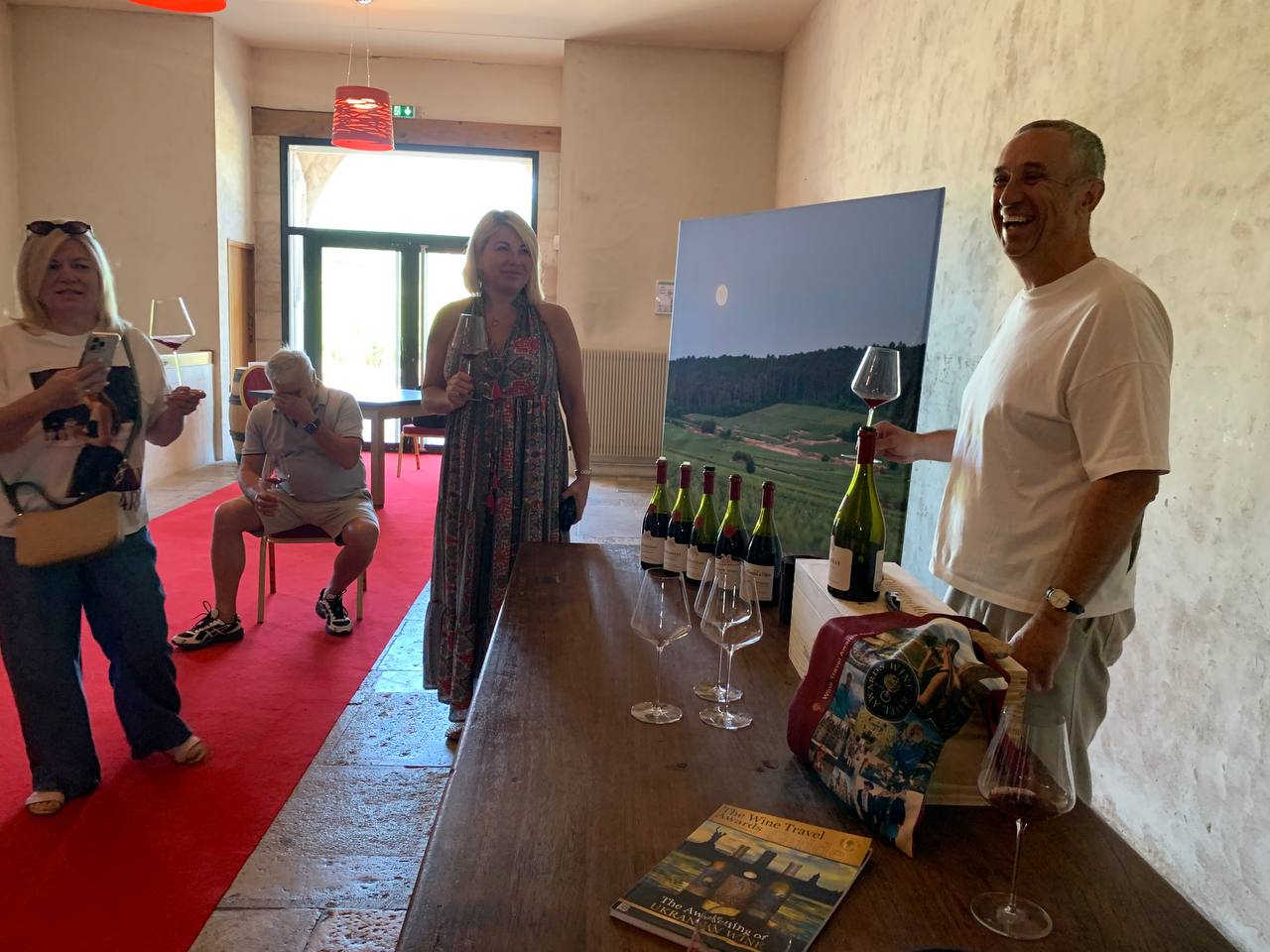
For me, food, architecture, landscape or a walk through the vineyards can all enrich the experience, as long as they remain connected to the story of the wine. I am actually looking at a place in our vineyards where we could create a more viticulture-focused experience, with a tasting outside among the vines. That is the kind of development that makes sense to me: getting people closer to the land rather than simply adding entertainment. The vineyard itself is already an extraordinary experience. We don’t need to compete with it.
Burgundy is already a destination in its own right. Does that make wine tourism easier, because people are already coming here, or harder, because visitors have so much else to choose from?
I think Burgundy benefits enormously from already being recognised as a destination, but that also creates a responsibility. Visitors don’t come here only for wine. They come for gastronomy, architecture, history, culture and landscapes, particularly in Dijon. Wine tourism therefore has to become part of a broader Burgundy experience rather than competing with other activities. That is actually one of Burgundy’s greatest strengths. The wine is inseparable from the place.
In my opinion it is both an opportunity and a challenge. Competition can be a good thing: it pushes wineries to improve the way they welcome visitors and what they offer them. Ultimately, visitors benefit from that.
Which wine-tourism trend do you think will still matter five years from now – and which one will have disappeared by then?
The trend I believe will last is authenticity (if one may call it a trend), but authenticity in its simplest form: showing people the real work behind the bottle. More and more visitors want to know what they are drinking, where it comes from and who makes it. They don’t necessarily need more luxury or spectacle. What matters is a genuine connection with the place and meeting the people who work there. What I hope will disappear is the idea that wine tourism needs to look luxurious or impressive at all costs.
Burgundy produces some of the world’s greatest and most expensive wines. That naturally creates an association with luxury. But the reality behind every bottle remains much more fundamental: soil, vines, weather, time and an enormous amount of human work. We are facing real challenges, but I find that quite exciting. If we can welcome people into the vineyard, explain why we are changing the way we work, and share what we are learning along the way, then wine tourism can be part of that positive story.
The future of Burgundy will depend on our ability to adapt while preserving what makes the region unique. We’ll have to think more carefully about how we farm, protect biodiversity and manage water, as well as how we package and transport wine. The Bourgogne wine sector is already working hard to reduce its environmental impact, and a lot of research is now focused on how vineyards can adapt to a changing climate and how we may need to farm differently in the future.
At Château de Marsannay, I get to show visitors from all over the world not only the Burgundy we have inherited, but also the Burgundy we are trying to preserve and build for the next generations. And that, perhaps, is what makes the job so interesting.
Stay connected with Wine Travel Awards: