


Maison Patriarche Père & Fils
Author Dariia Melnyk
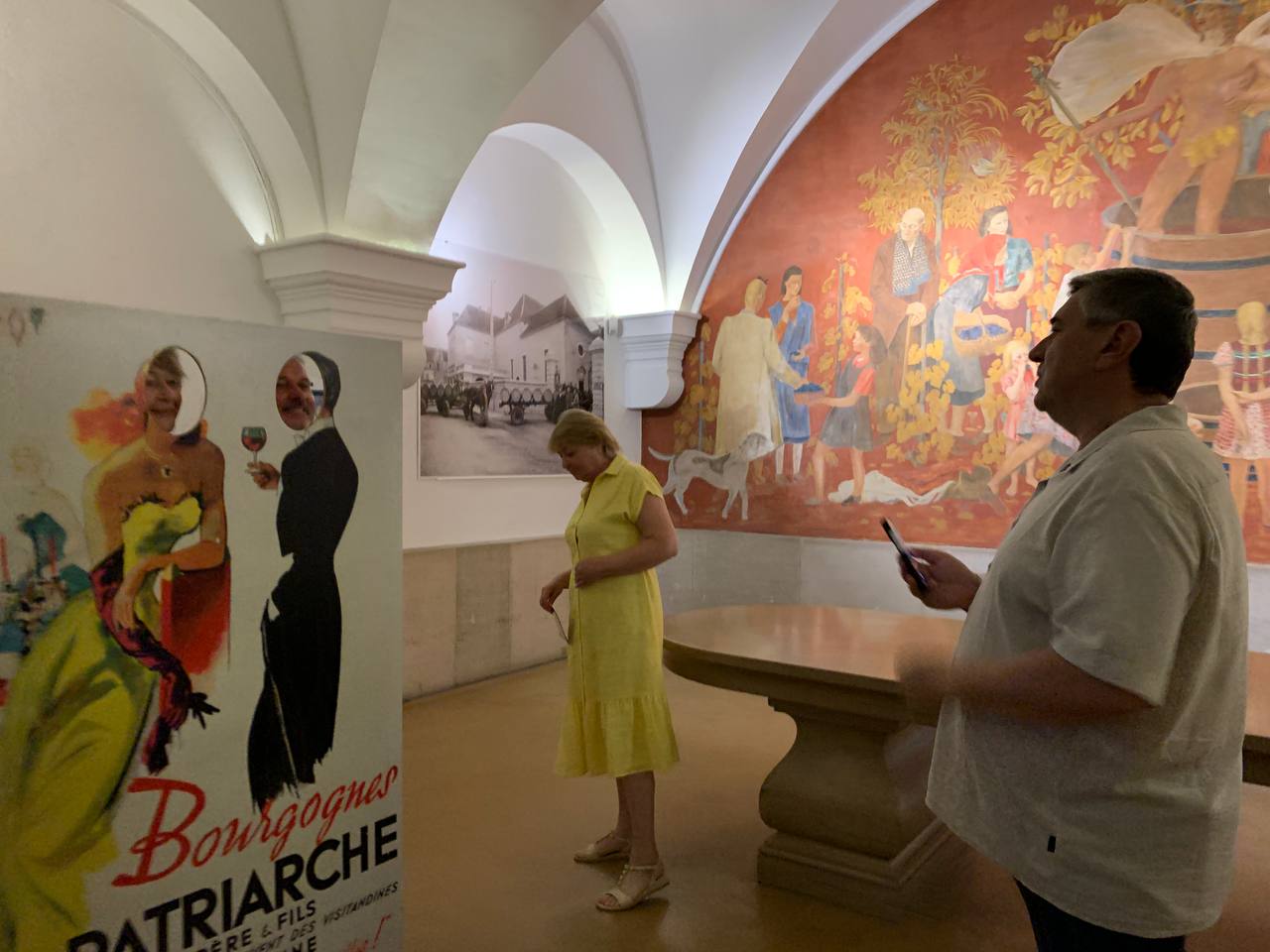
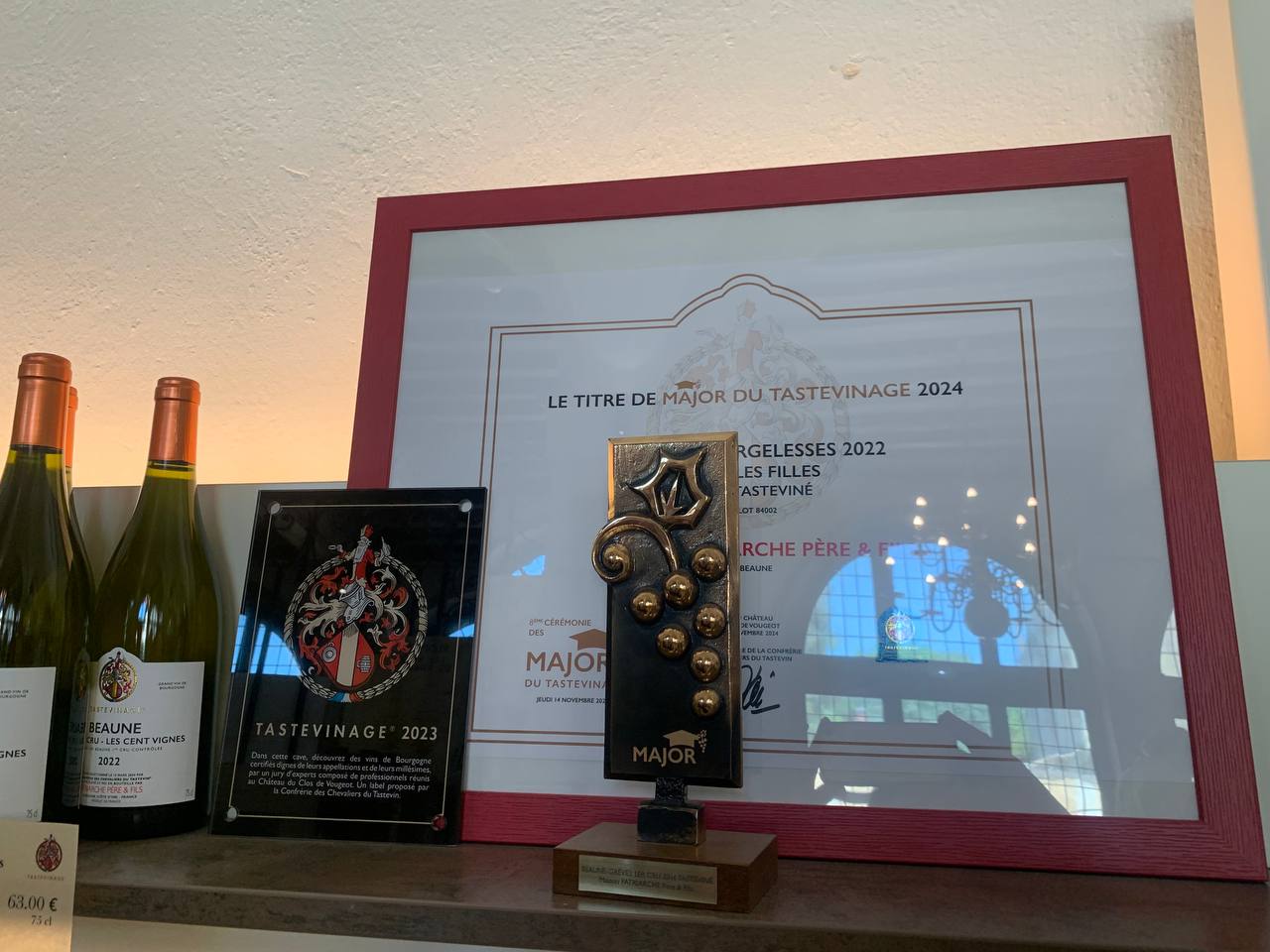
Founded in Beaune in 1780 by Jean-Baptiste Patriarche, Maison Patriarche Père & Fils is one of Burgundy’s historic wine houses. In 1796, Jean-Baptiste Patriarche acquired the former Visitandines convent, which remains the home of the house to this day. Its historic buildings became the setting for the extensive underground cellars that are closely connected with the history of Maison Patriarche.
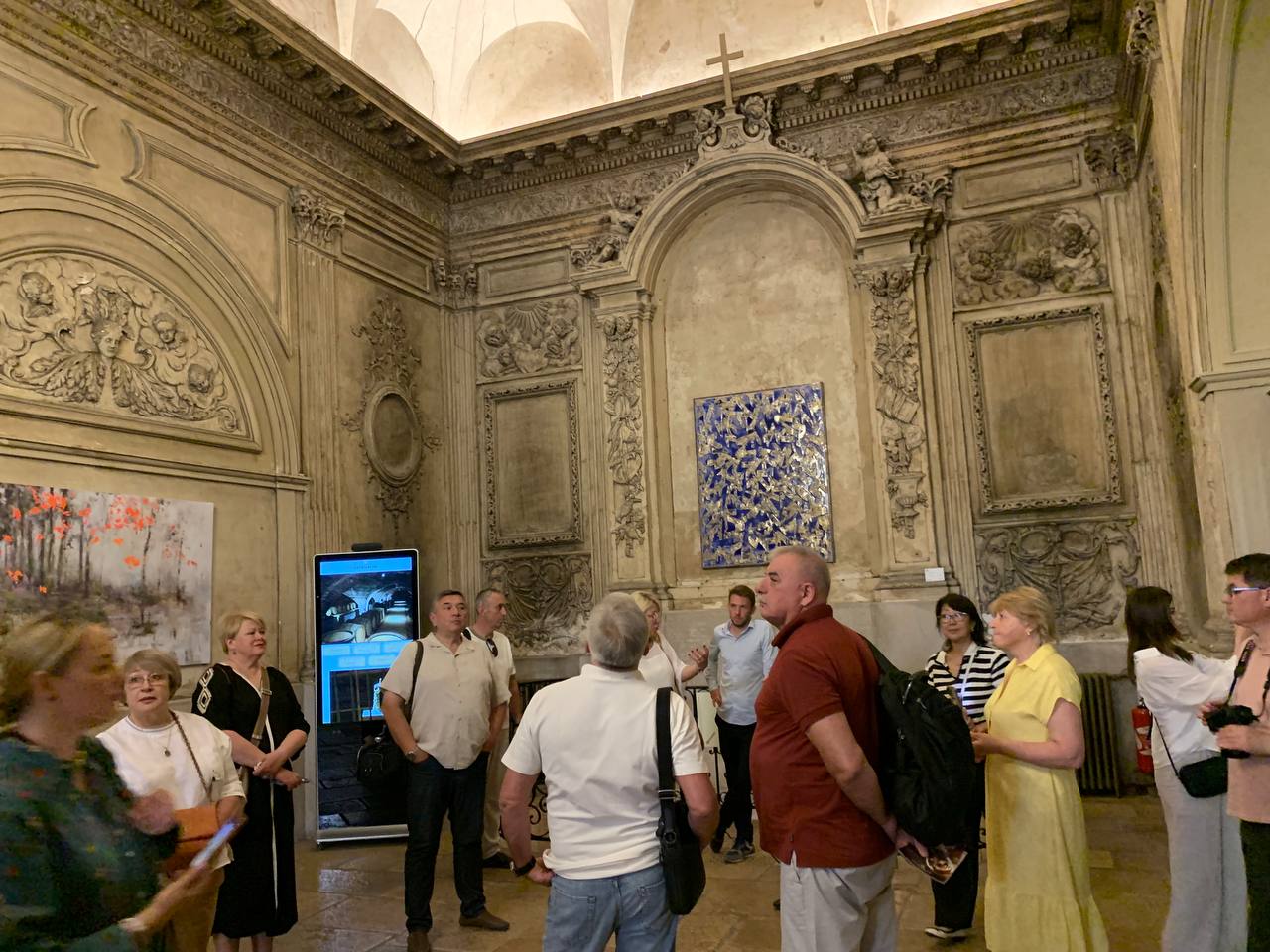
Over more than two centuries, the house expanded its activities and established its position in the Burgundy wine market. As early as the end of the 18th century, Patriarche wines were exported beyond France, including to Great Britain, the Netherlands and Belgium. Over the following decades, the house was associated with important figures in Burgundy’s wine history, including Léonce Bocquet, who supplied Burgundy wines to European royal courts.
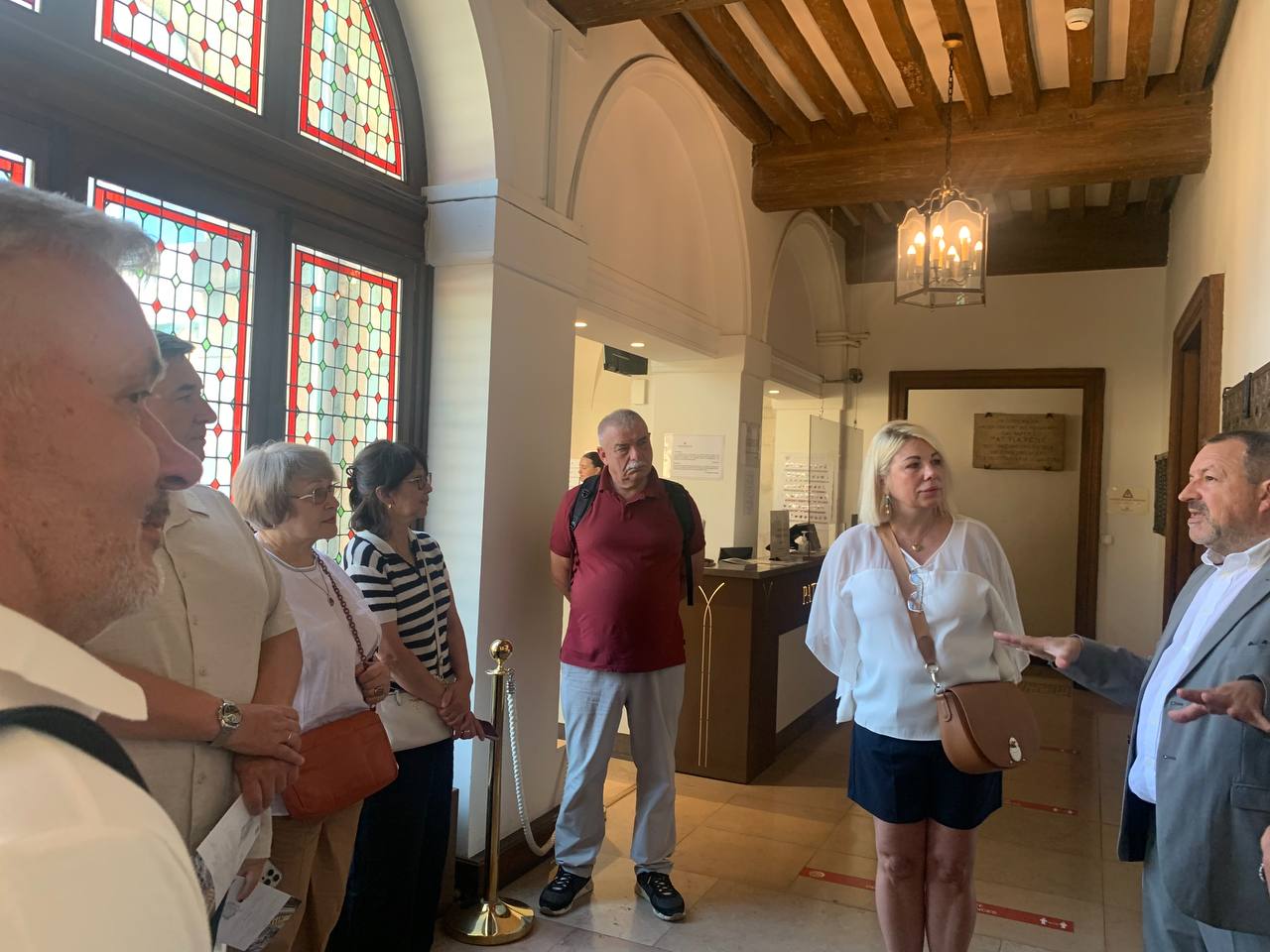
Cellars hidden beneath Beaune
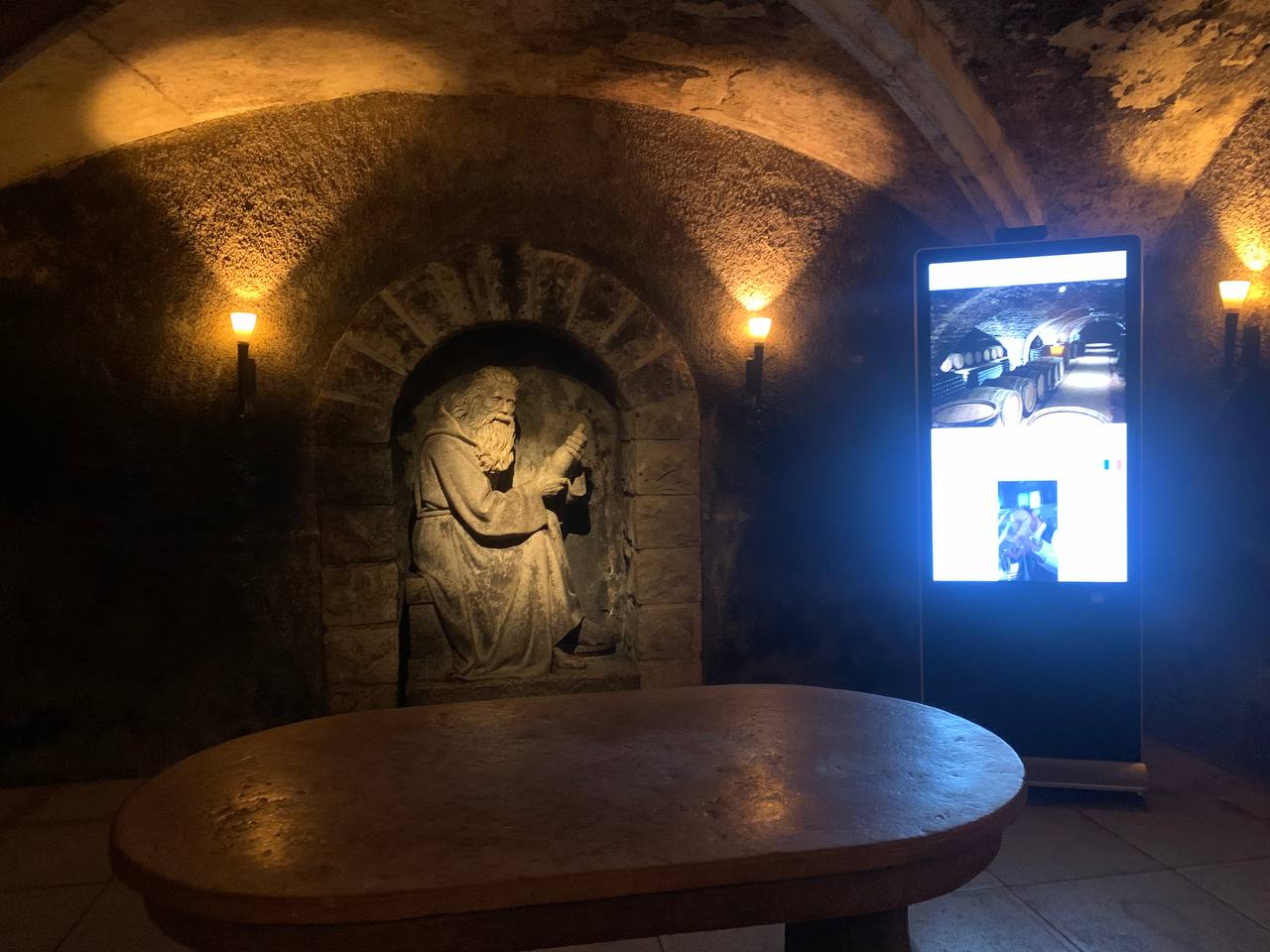
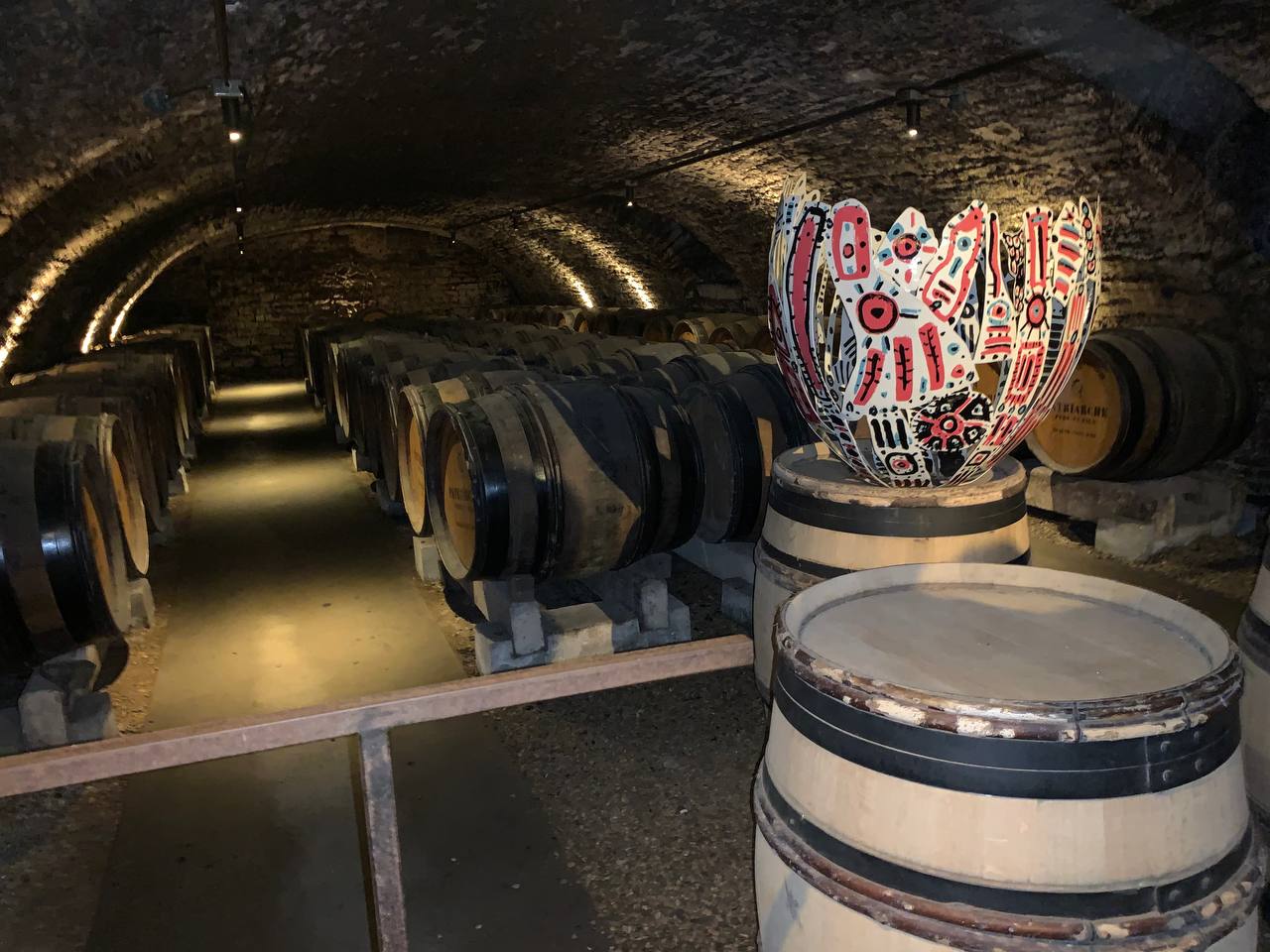
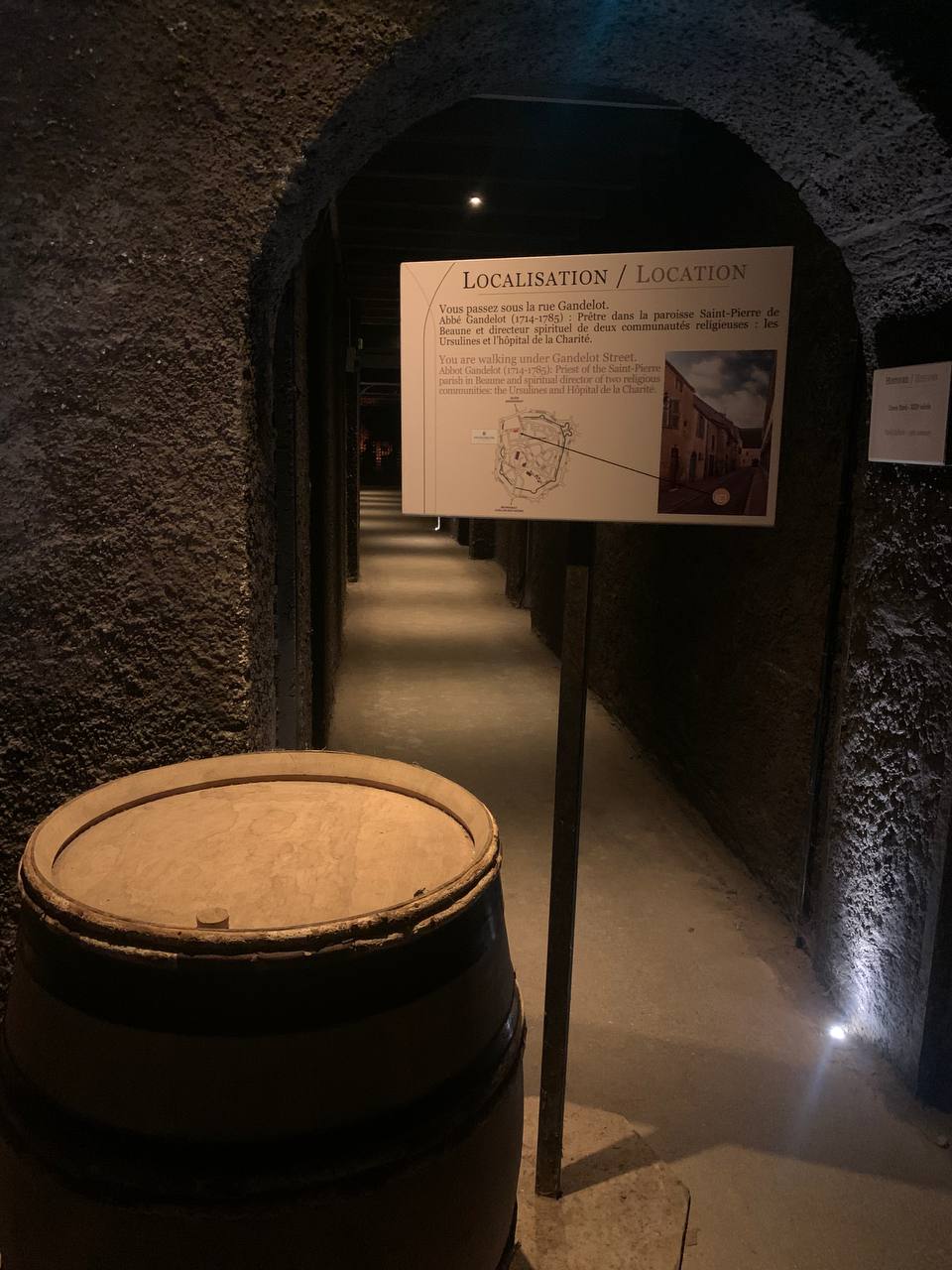
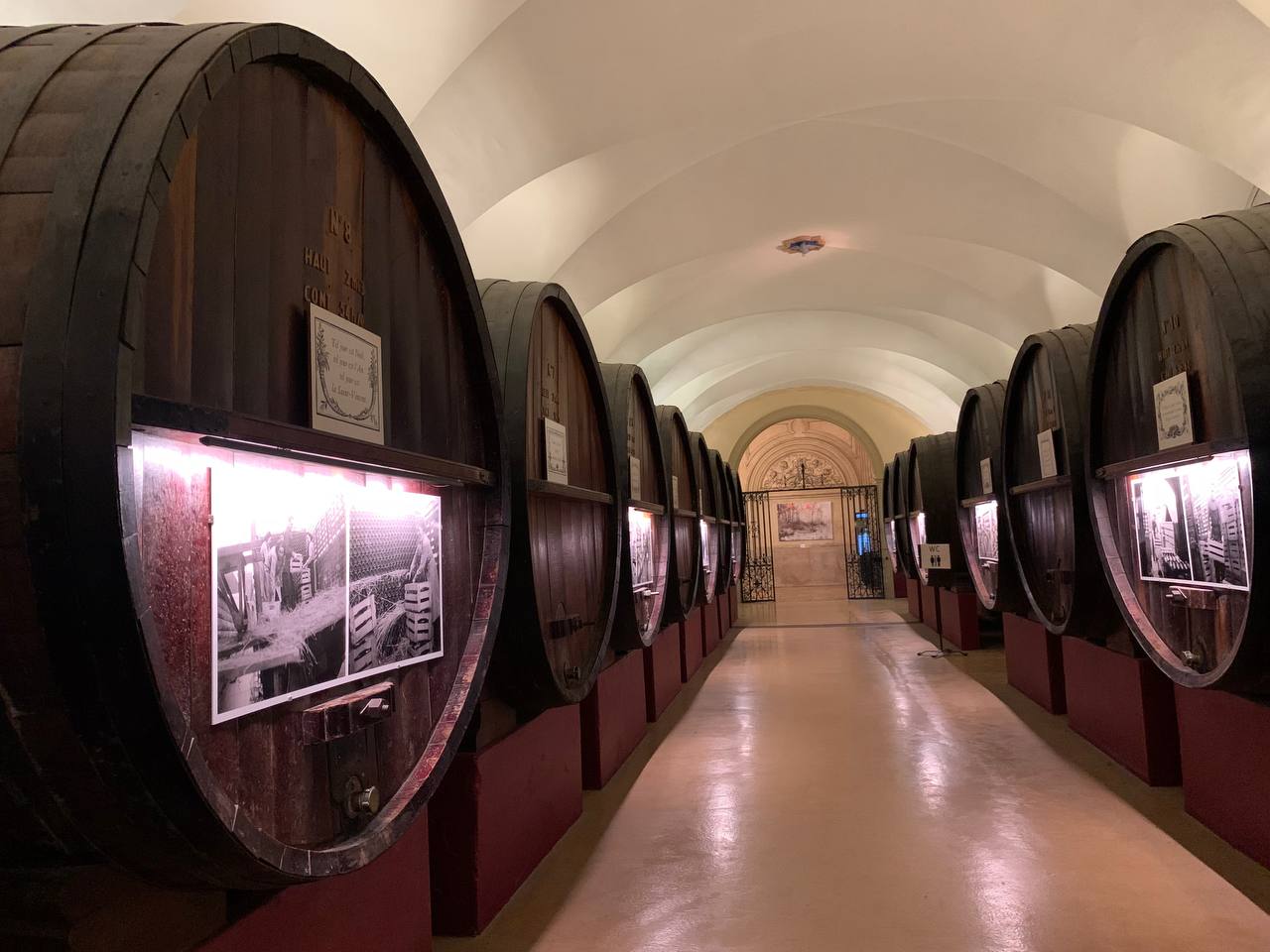
One of the highlights of Maison Patriarche is its historic underground cellars beneath the former convent. The network extends for around 5 kilometres, creating a unique route through galleries and rooms connected with the ageing and storage of wine.
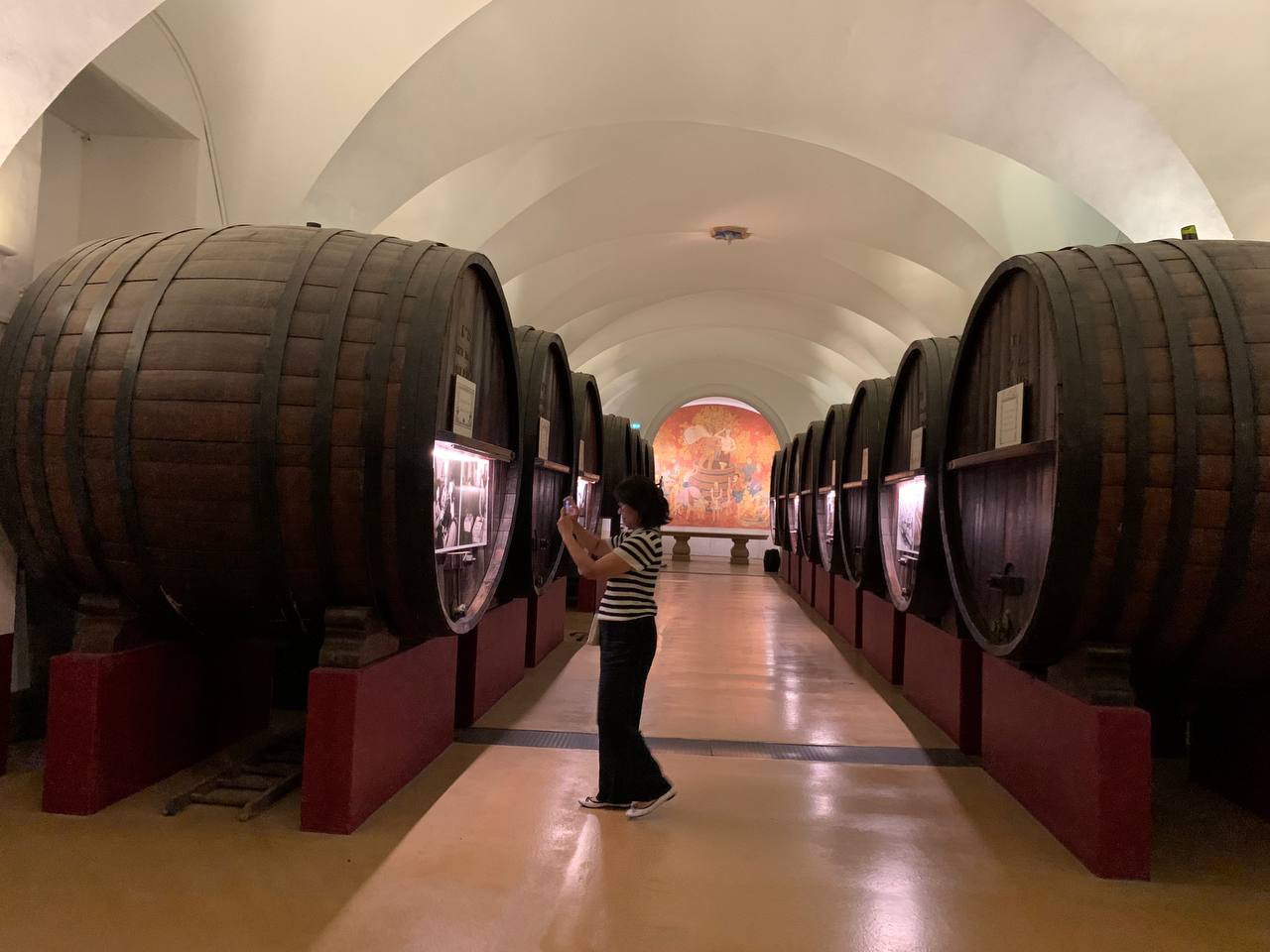
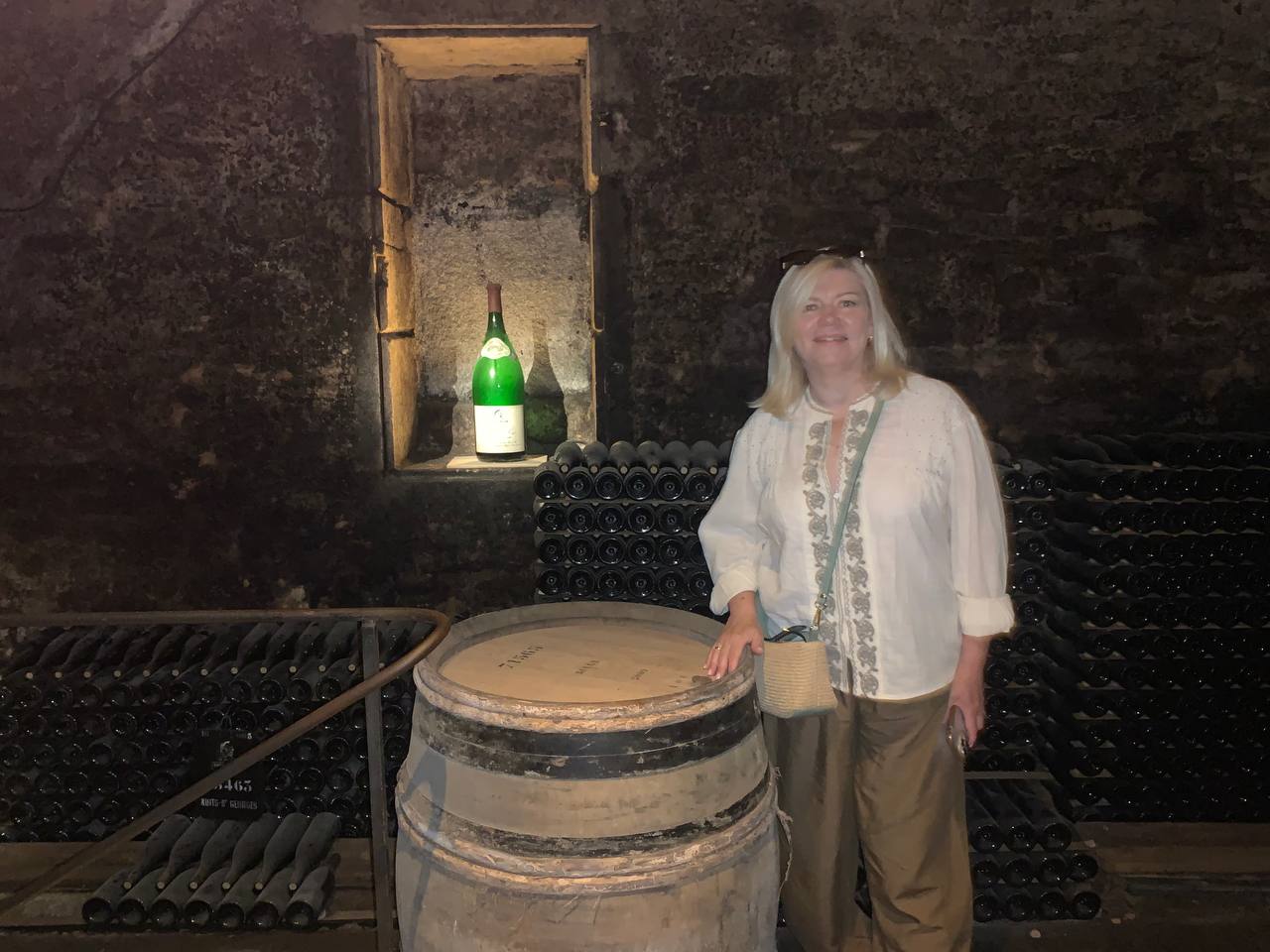
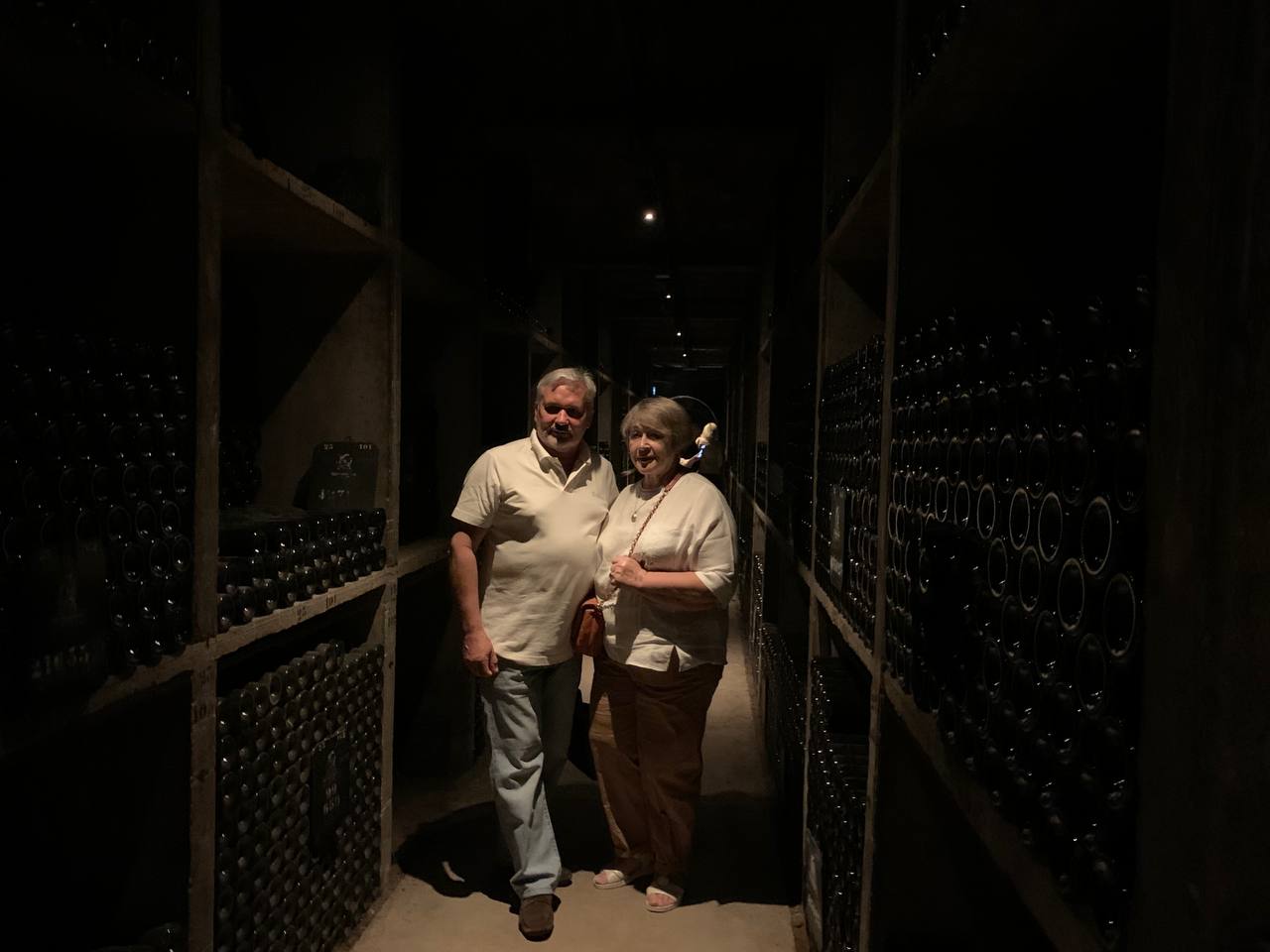
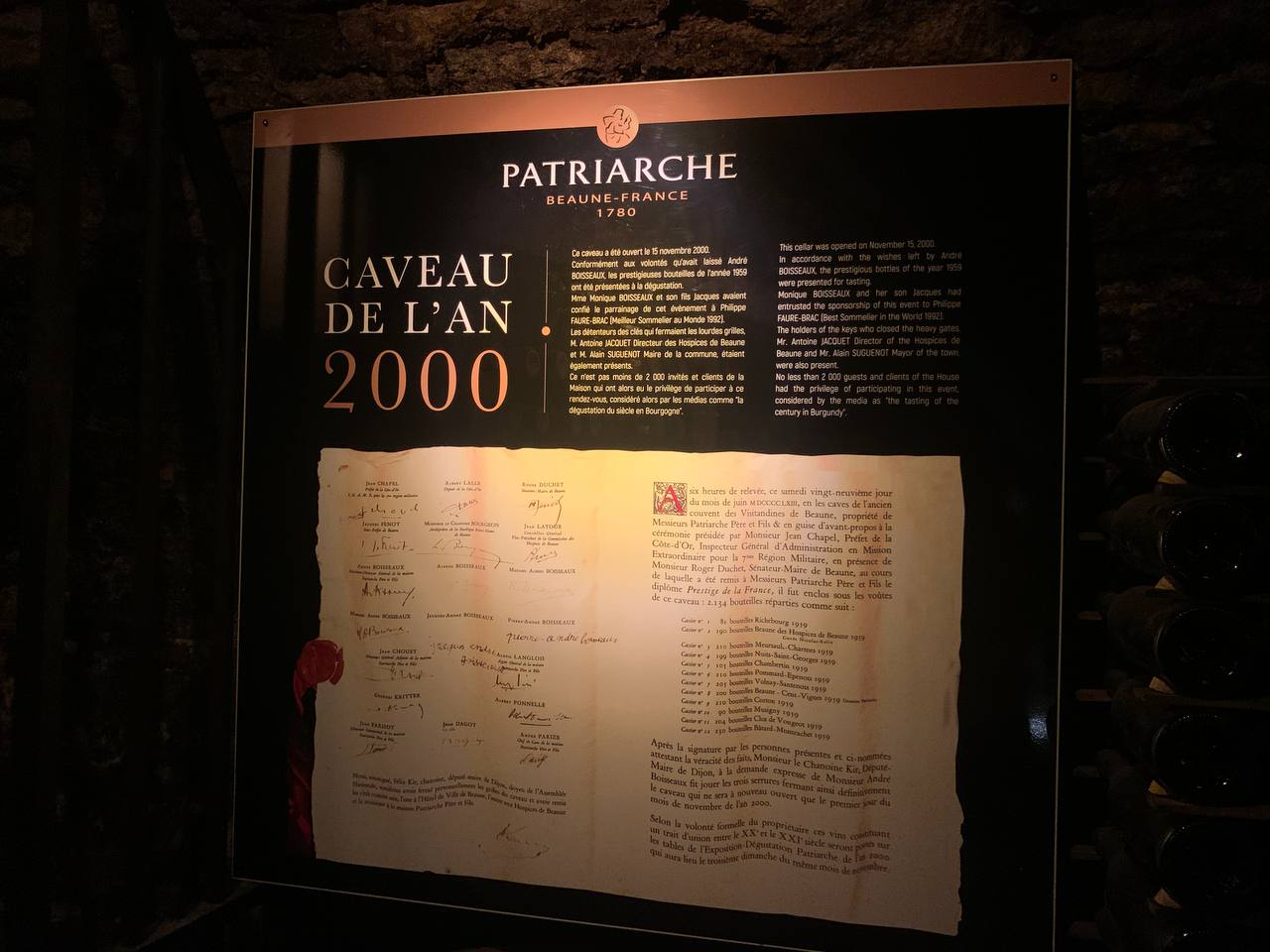
The cellars were significantly expanded in the 20th century, when André Boisseaux connected around 35 neighbouring cellars. Today, the complex holds more than 2 million bottles and allows visitors to discover the infrastructure that has supported the development of one of Beaune’s best-known wine houses over the years.
A taste of Burgundy
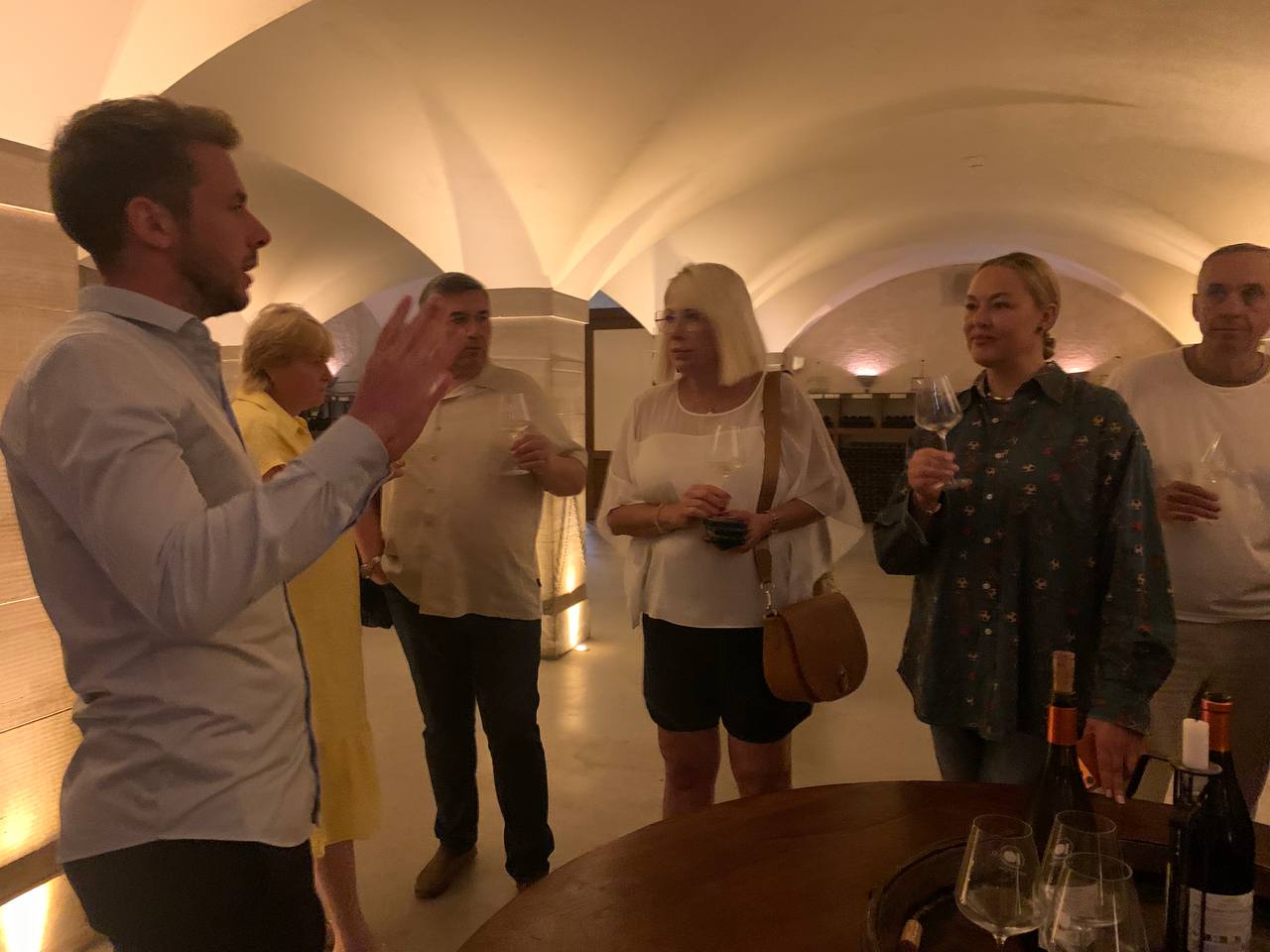
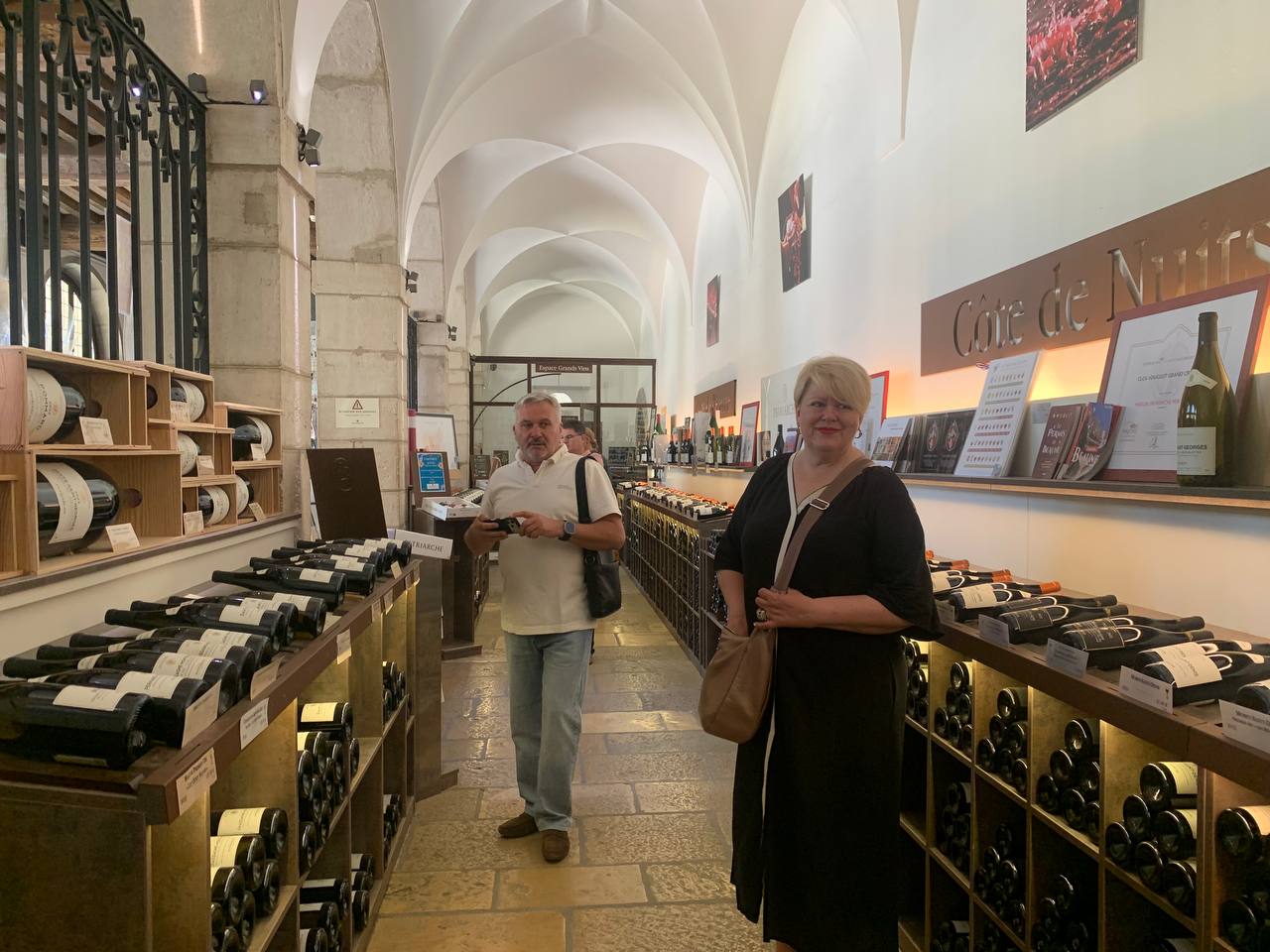
A visit to Maison Patriarche also includes a tasting of wines from different Burgundy appellations. The house’s portfolio includes Bourgogne Pinot Noir, Beaune Premier Cru, Pommard, Nuits-Saint-Georges, Gevrey-Chambertin, Chassagne-Montrachet, Meursault and Corton, among many other Burgundian appellations.
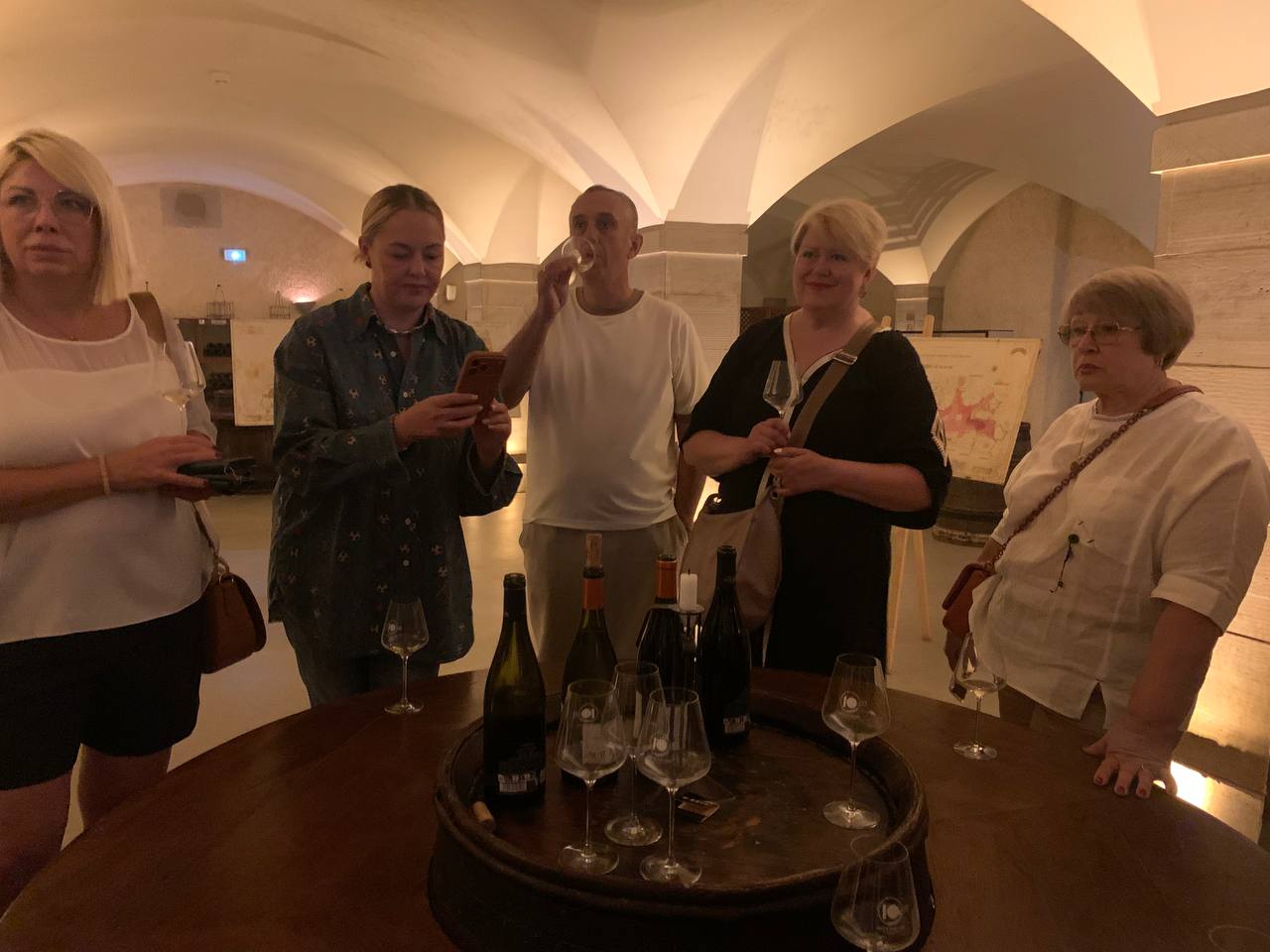
During our tasting, we had the opportunity to discover both white and red Burgundy wines. Among them was Meursault, one of the appellations where Chardonnay shows particularly well, as well as a 2020 Côte de Nuits red wine, a vintage shaped by a particularly warm summer. We also tasted a wine from Corton, aged for one year in oak, with a restrained approach to oak treatment that allows the character of the wine and its terroir to remain prominent.
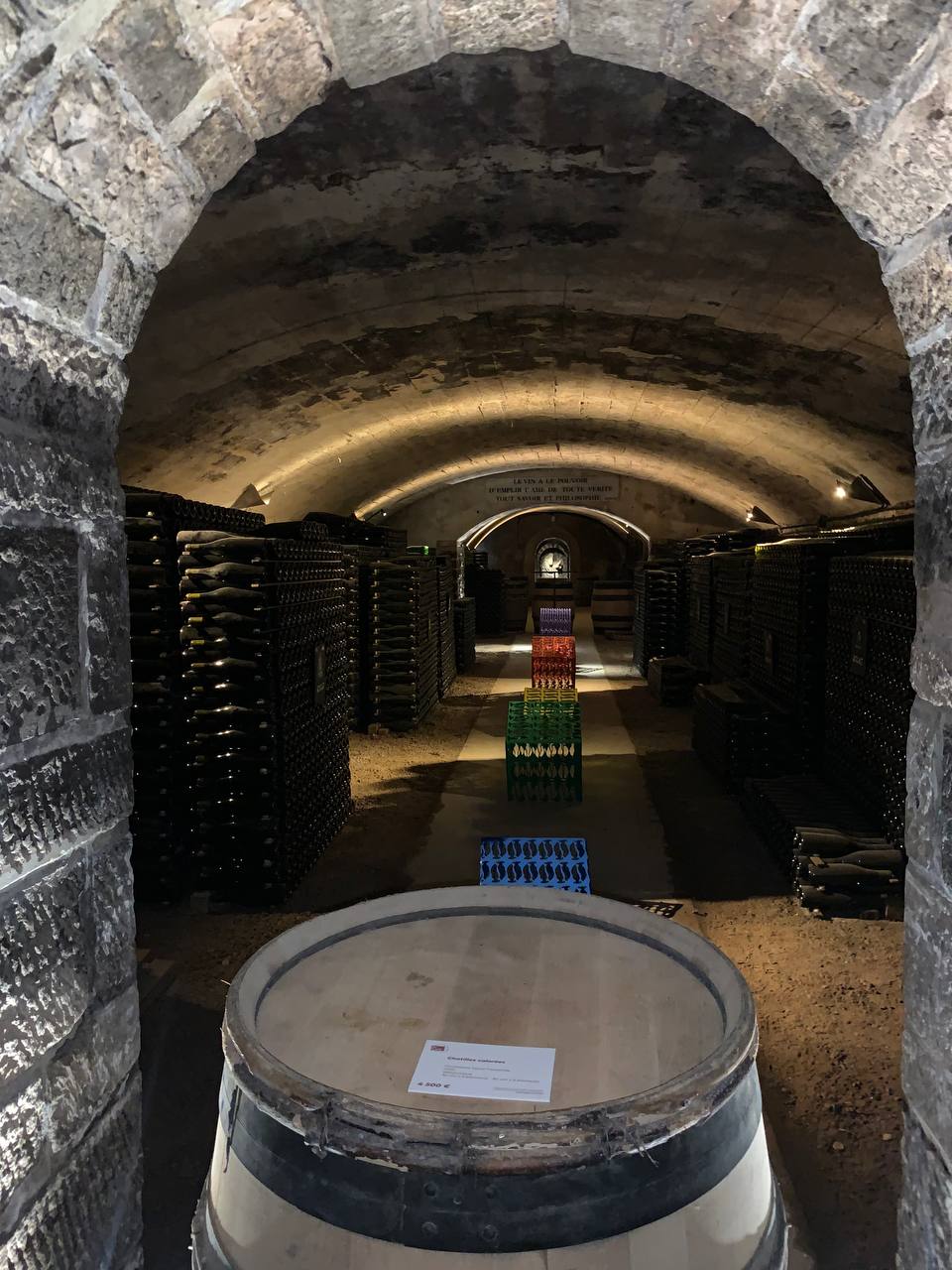
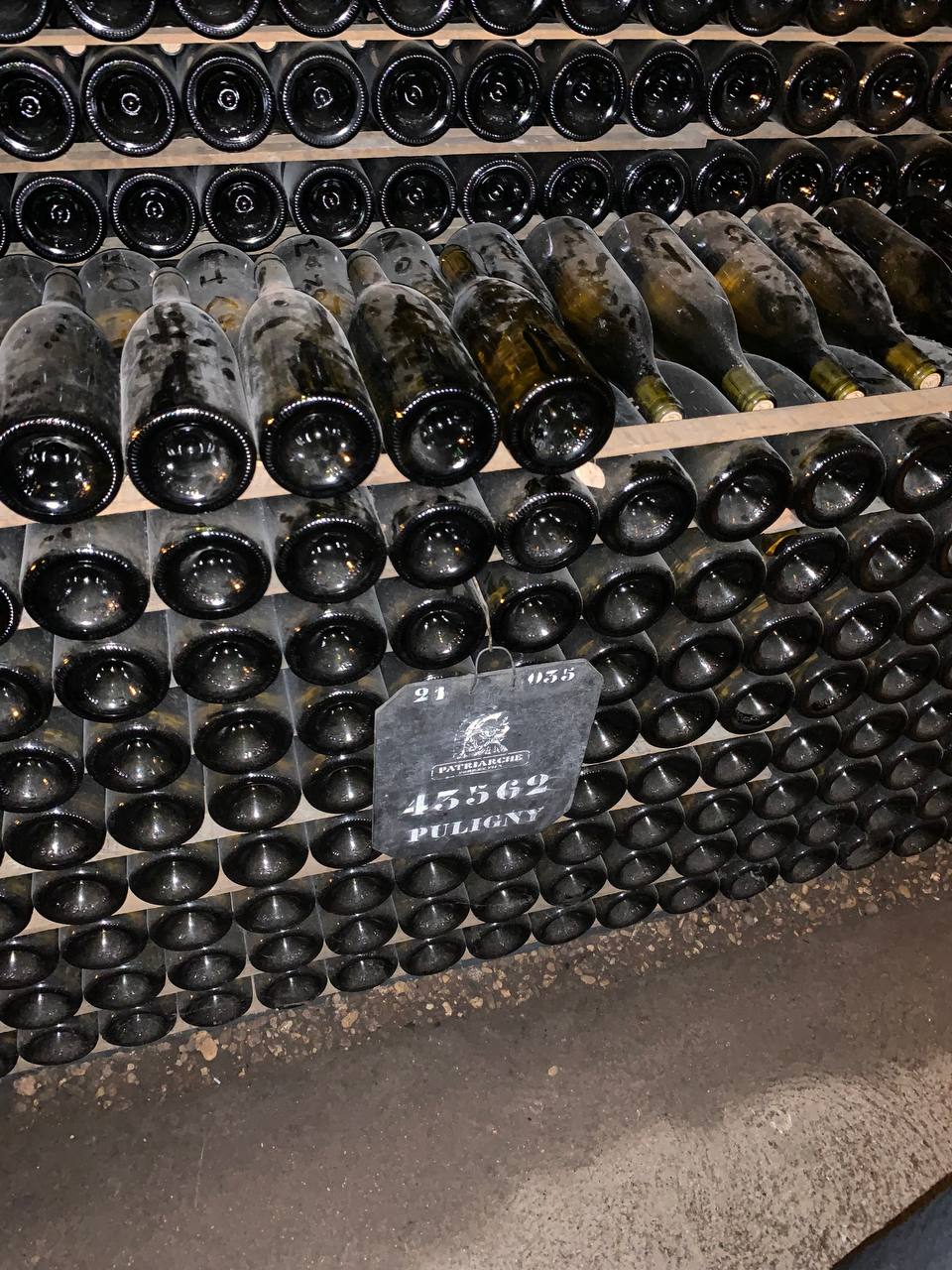
The tasting also highlighted Burgundy’s remarkable ageing potential. Both white and red wines can be kept for 25–30 years, developing greater complexity and depth over time. Each year, the house also presents mature wines from its cellars, offering visitors the opportunity to experience how Burgundy evolves with age.
In 2015, following the recognition of the Climats de Bourgogne as a UNESCO World Heritage Site, Patriarche also set aside a collection of exceptional Burgundy wines to mark this important moment for the region. The bottles are intended to be opened decades later, creating a link between Burgundy’s heritage, its wines and future generations.
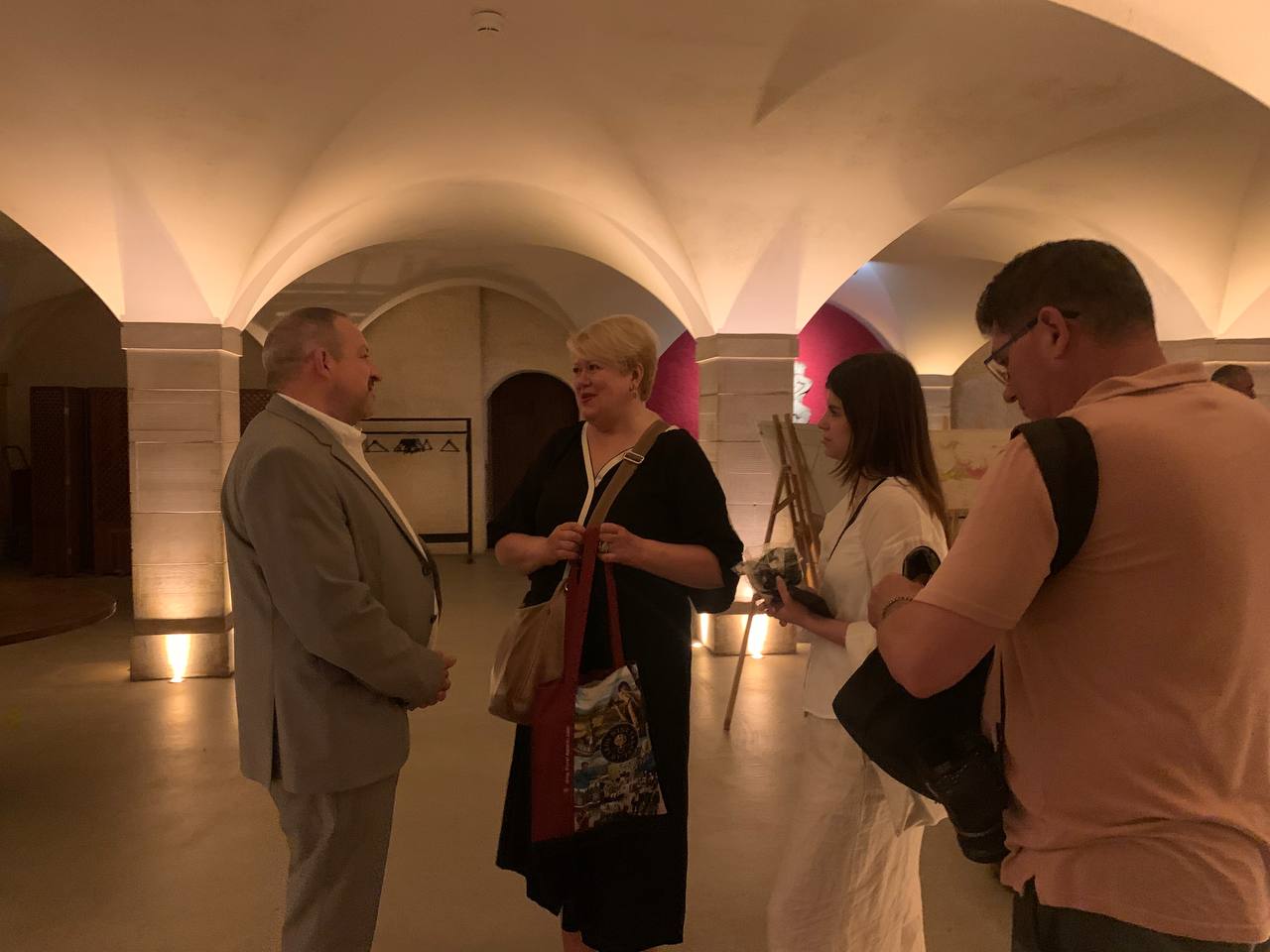
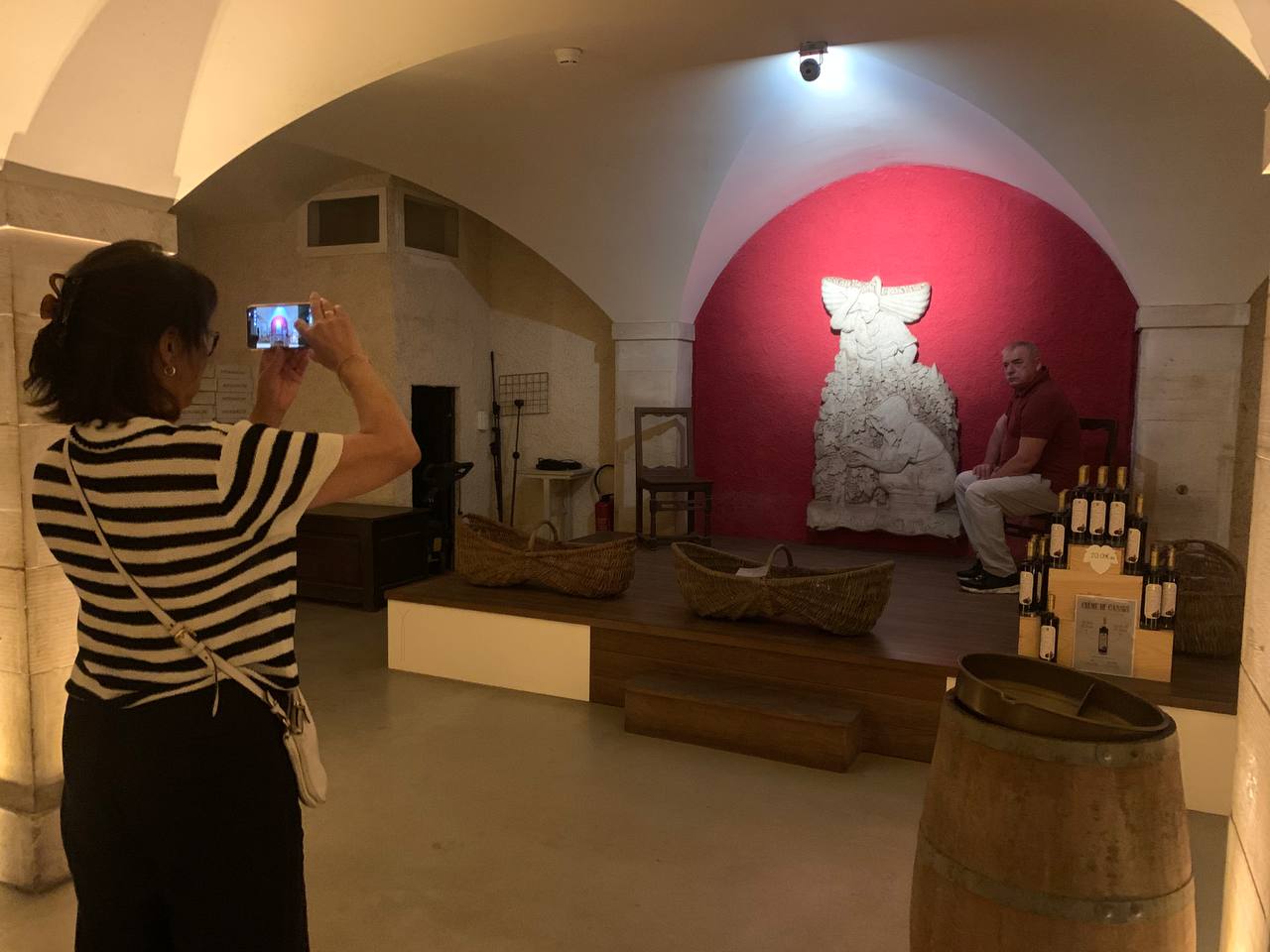
Located in the heart of Beaune, Maison Patriarche Père & Fils is an interesting stop for travellers exploring Burgundy’s wine route. A tour of its historic cellars followed by a tasting offers a chance to discover the region’s wine heritage through the story of one of its historic wine houses.
Stay connected with Wine Travel Awards: