
Lady May. Her Journey with Wine
Author: Oleksandra Bantysheva
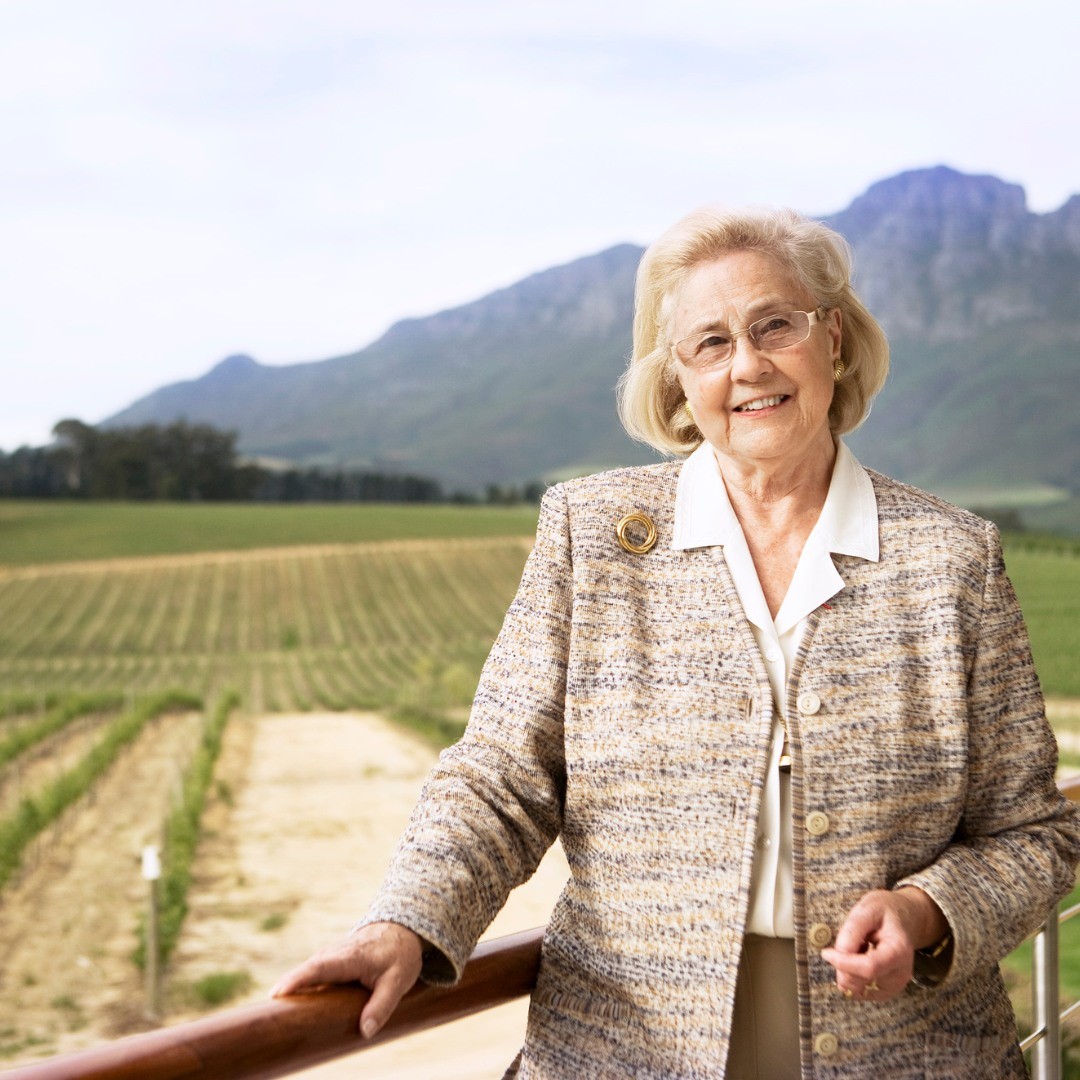
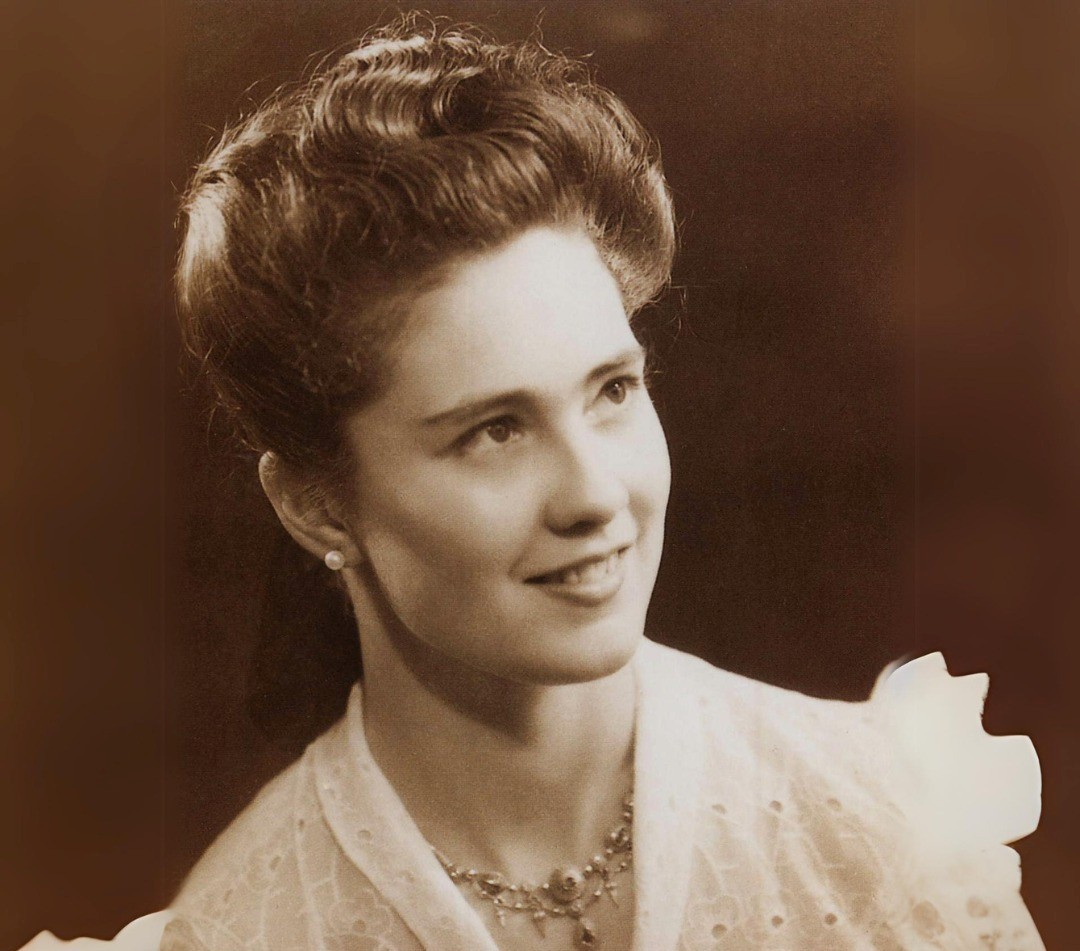
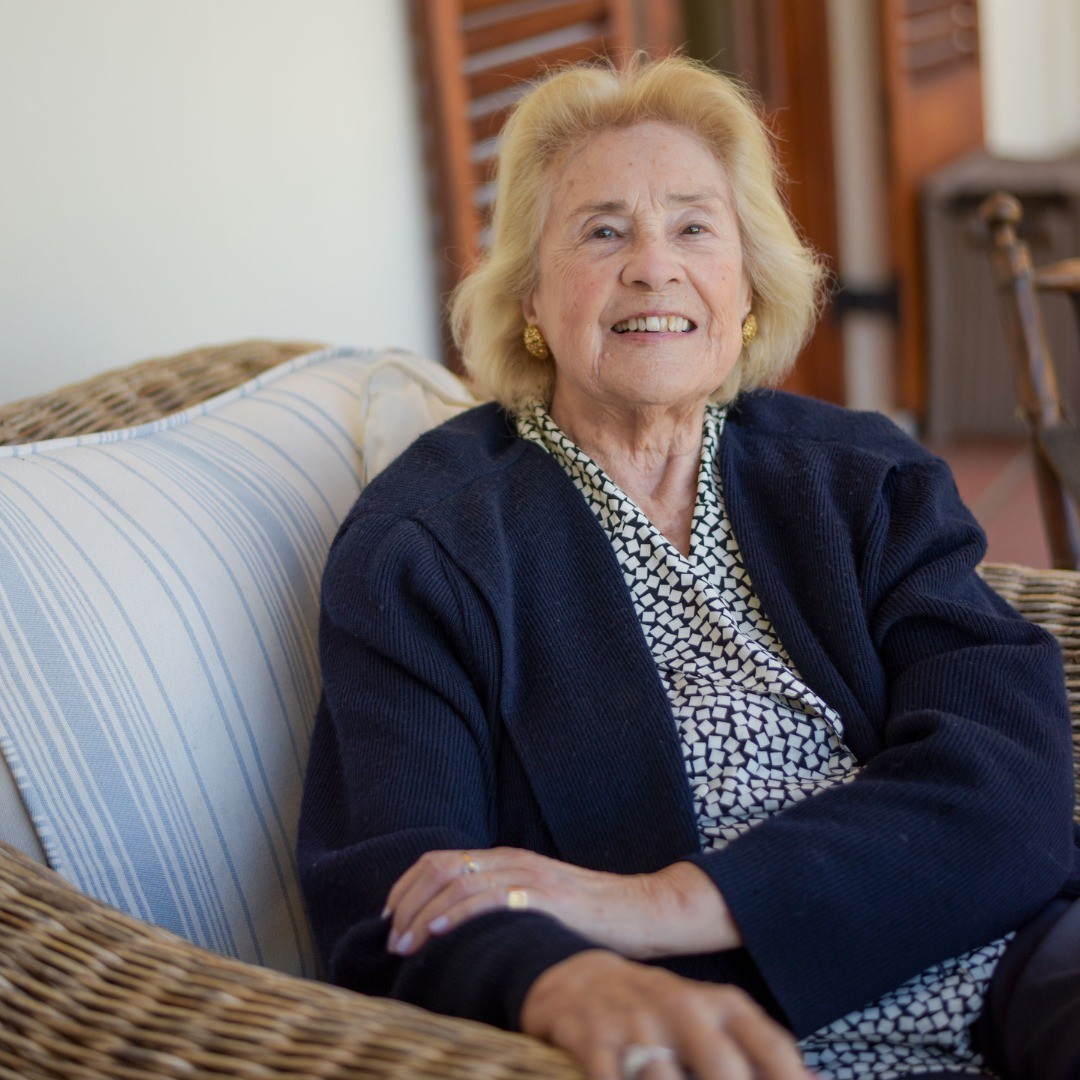
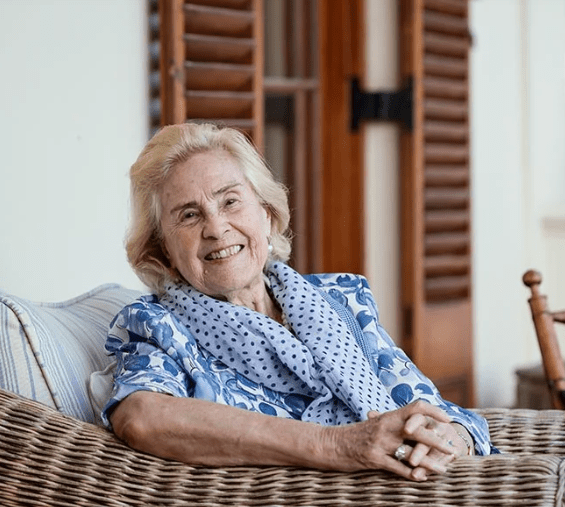
In May 2025, Madame May‑Éliane de Lencquesaing, known worldwide as Lady May, turned 100. It felt like a sign from the universe – for that same year marked the 100th anniversary of Pinotage, the flagship grape of South Africa, where the estate still overseen by Madame May‑Éliane is located. And the stars aligned happily for Drinks+, as the legendary Lady May found the time to give an exclusive interview to our media. We are immensely proud that such an extraordinary figure in the world of wine shared with our readers both her precious time and her bright, inspiring thoughts.
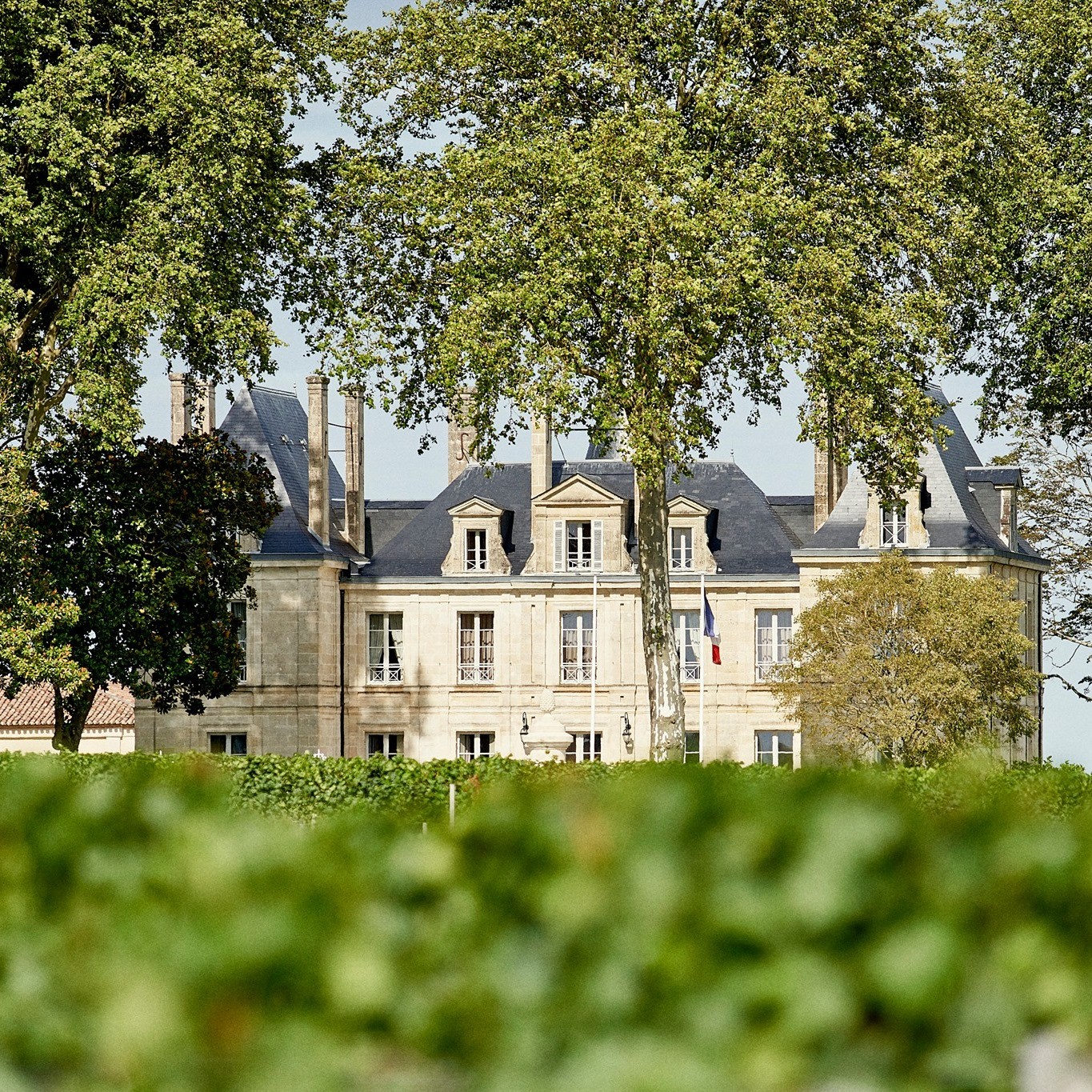
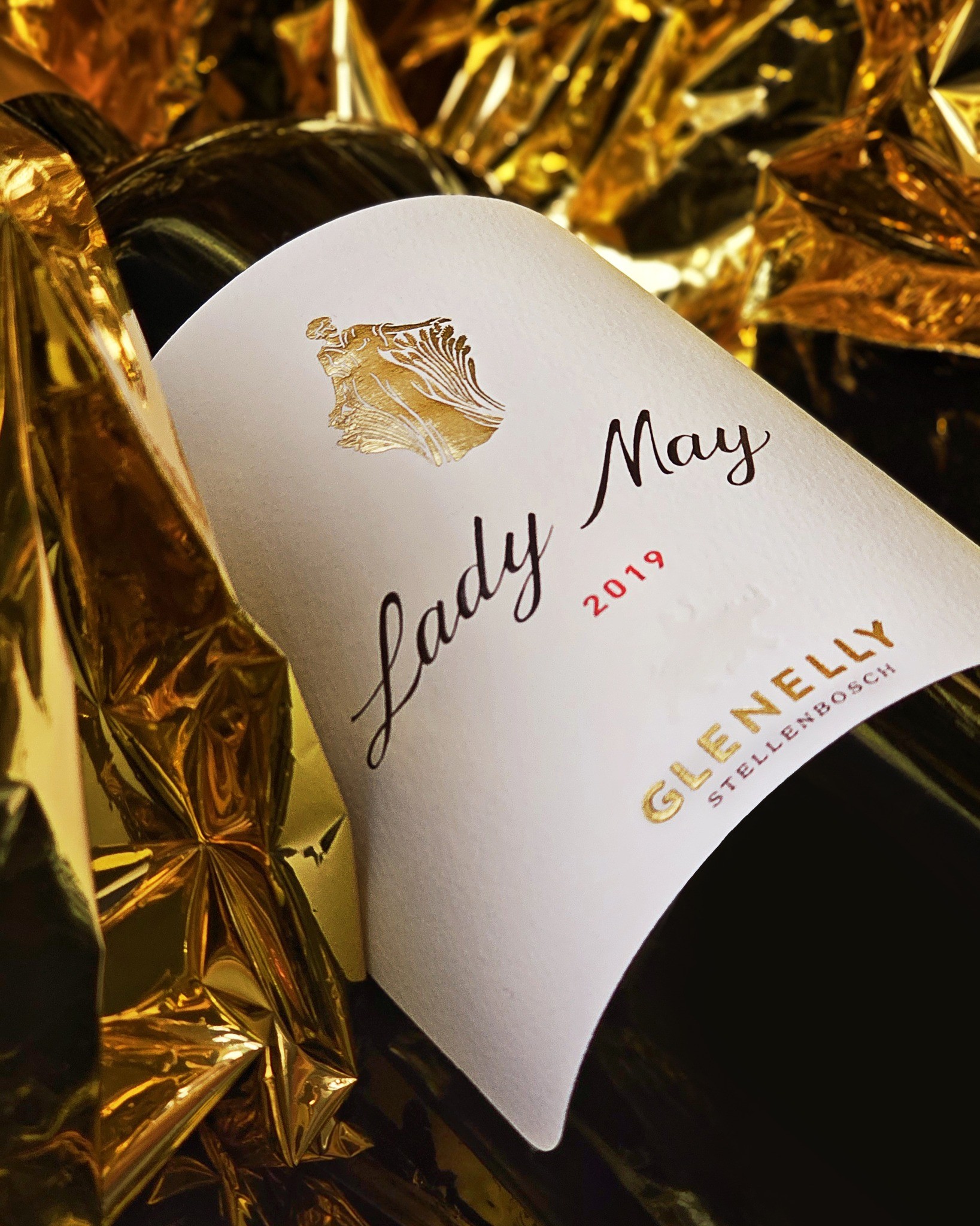
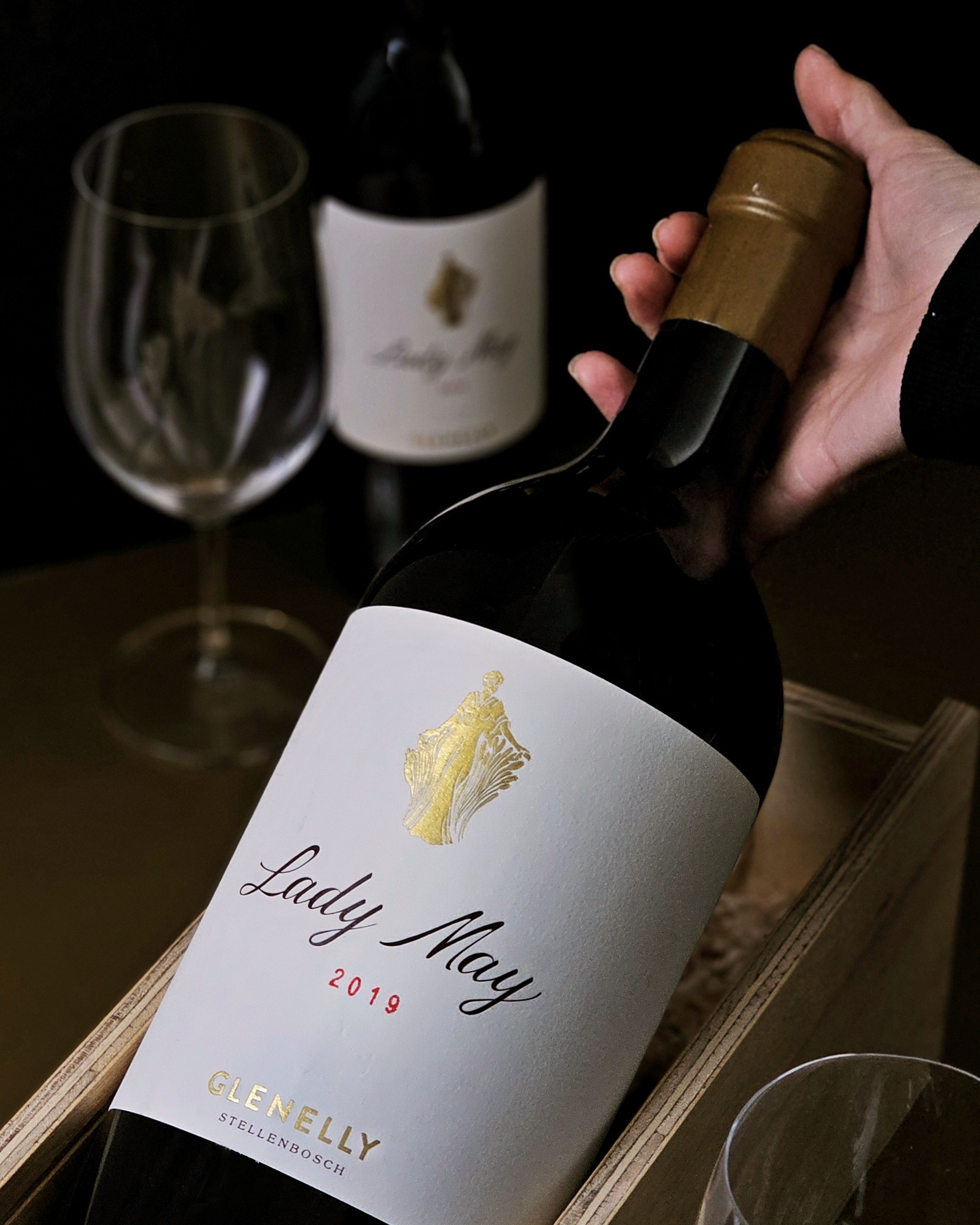
May‑Éliane de Lencquesaing is a figure of exceptional stature in global winemaking. Her name is inseparable from entire eras, iconic châteaux, and decisions that have shaped the wine map of the world. Known for her inexhaustible vitality, she was named Decanter’s “Woman of the Year” in 1994, becoming the first Frenchwoman to receive this honour. For decades, May‑Éliane de Lencquesaing helped define the identity of great wine estates – from Château Pichon Longueville Comtesse de Lalande in Bordeaux, which she led for more than thirty years, to Glenelly Estate in South Africa, created later in life as a bold and visionary project. Today, the wine named in her honour, “Lady May”, is considered one of the finest in Stellenbosch. Its distinctive character symbolises the strength of spirit of Madame May‑Éliane.
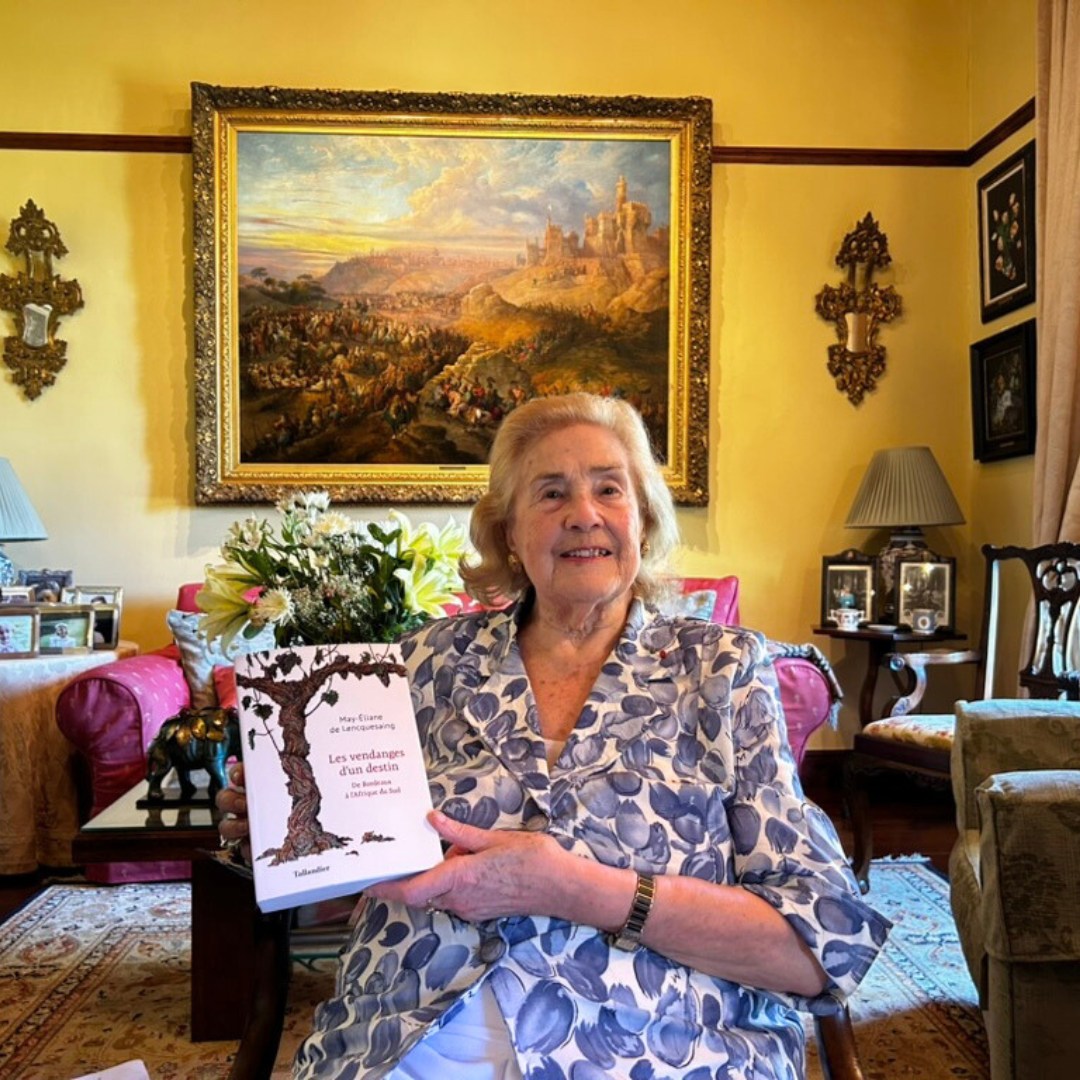
When she took the helm of Château Pichon Longueville – family legend says it was decided by drawing lots – she became the only woman winemaker in the Médoc, surrounded entirely by authoritarian men. Corinne Mentzelopoulos had not yet arrived at Château Margaux. Only ten years later did Baroness Philippine de Rothschild appear on the scene. But Lady May stood her ground. Her authority extends far beyond the vineyards: in 1993 Madame de Lencquesaing became President, and later Lifetime Vice‑President, of the International Wine & Spirit Competition (IWSC); she was awarded the title of Officier de la Légion d’Honneur, France’s highest state distinction, established by Napoleon Bonaparte in 1802. Lady May is a member of the Bordeaux Académie nationale des sciences, and an honorary member of the Pinotage Association for her outstanding contribution to the global wine industry. And this is only a fraction of the honours bestowed upon this remarkable woman. Her life and professional experience formed the basis of her memoir My Journey with Wine, a heartfelt account of a woman whose passion and determination not only transformed legendary estates but also inspired generations of winemakers around the world. And her story with wine is still being written – for this woman, whose name breathes spring, still travels from Switzerland to South Africa every year, spending several weeks there to oversee her vineyards.
Drinks+: First of all, Madame May-Éliane de Lencquesaing, allow me to thank you for taking the time and giving us the opportunity to speak with you. When I read Jane Anson’s article about you, it felt like reading a historical novel, leaving a sense of having encountered the lives of people who shaped history. You raised four children while maintaining your passion for science, managed the jewel of France – Château Pichon Longueville Comtesse de Lalande – for over 30 years, and then Glenelly Estate in South Africa for more than 20 years, and you hold numerous honorary titles. Out of everything you have done and achieved in your life, what reflects your true self? Do you ever feel any regret today for not dedicating yourself to another passion – and if so, what might that have been?
May‑Éliane de Lencquesaing: To create and to share – these are what define me, and this can be done in many different fields. But what I would have loved to study is geology – the soils and the subsoils and archeology, which I did.
D+: In one of your interviews, you spoke with deep respect and warmth about your grandfather, who was a kind and extraordinarily knowledgeable man. He taught you the sciences, foreign languages, and piano, and instilled in you a love for the land and for the terroir. Could you please tell us how your passion for winemaking began?
ML: I was very lucky for having learned from both my 2 grand-fathers. They took me with them to the vineyards, thought me viticulture and I used to pick the harvest. They took me to the cellars and slowly made me discover the different qualities of wine tasting.
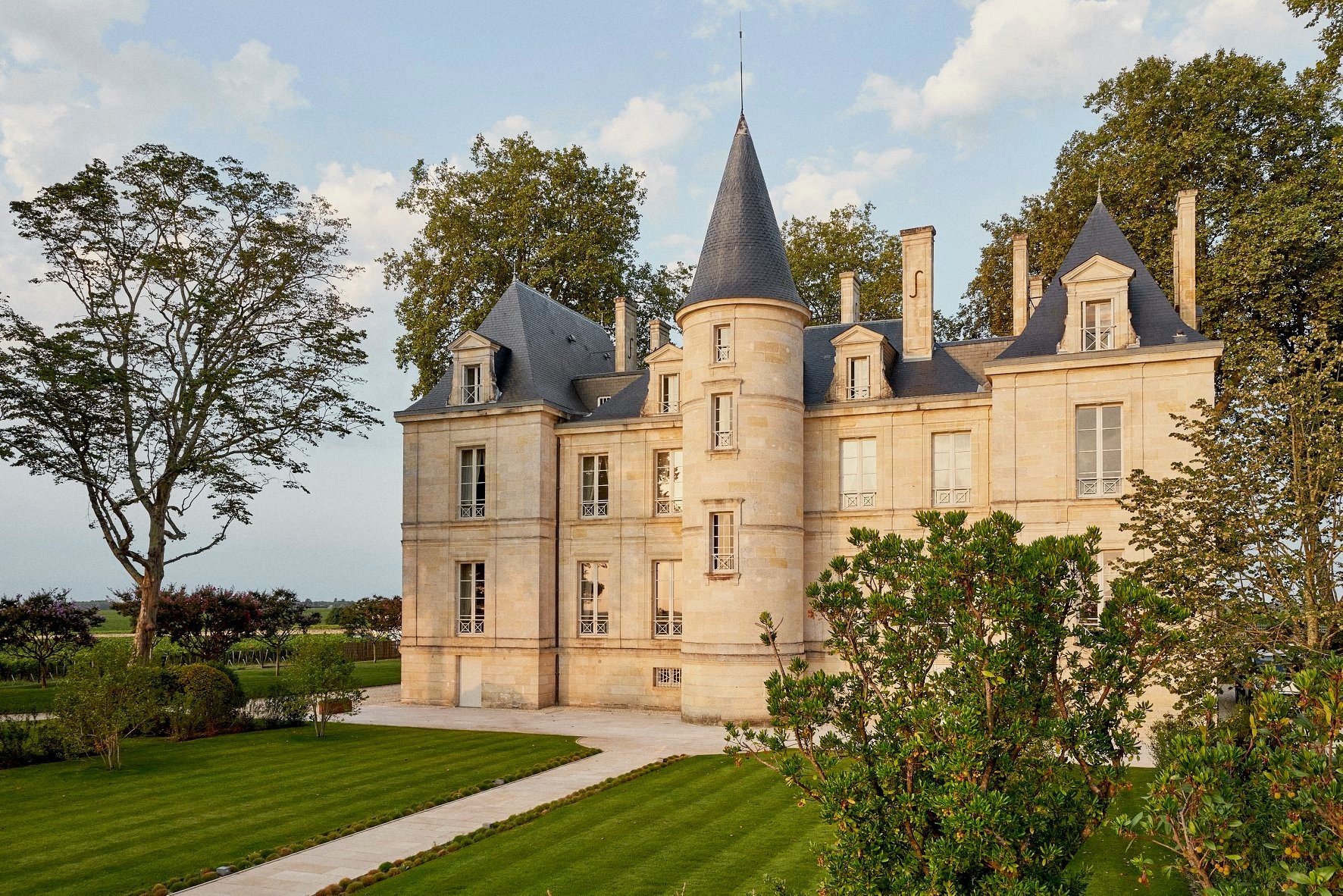
D+: For many years, you were the owner and head of Château Pichon Longueville Comtesse de Lalande, one of France’s most luxurious and magnificent châteaux. Could you recall the moment you first stepped into this estate – what were your thoughts and plans at that time?
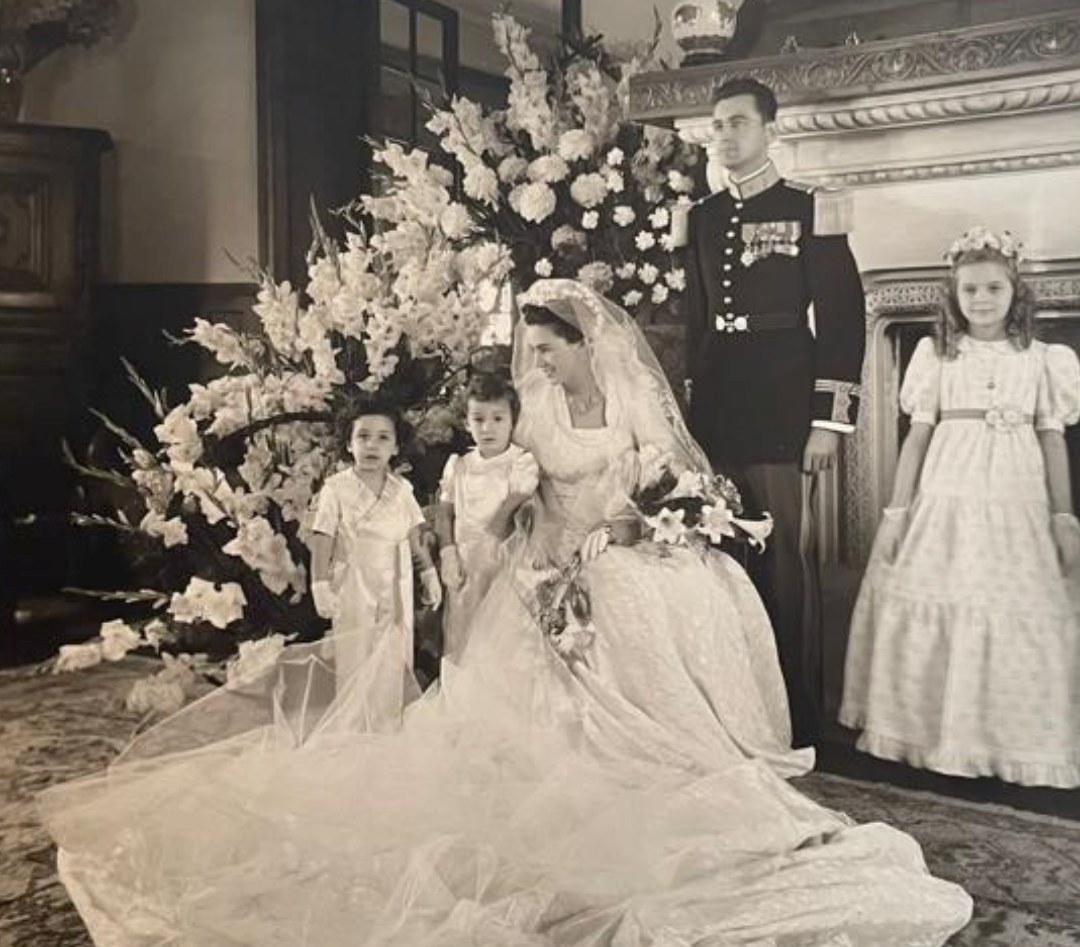
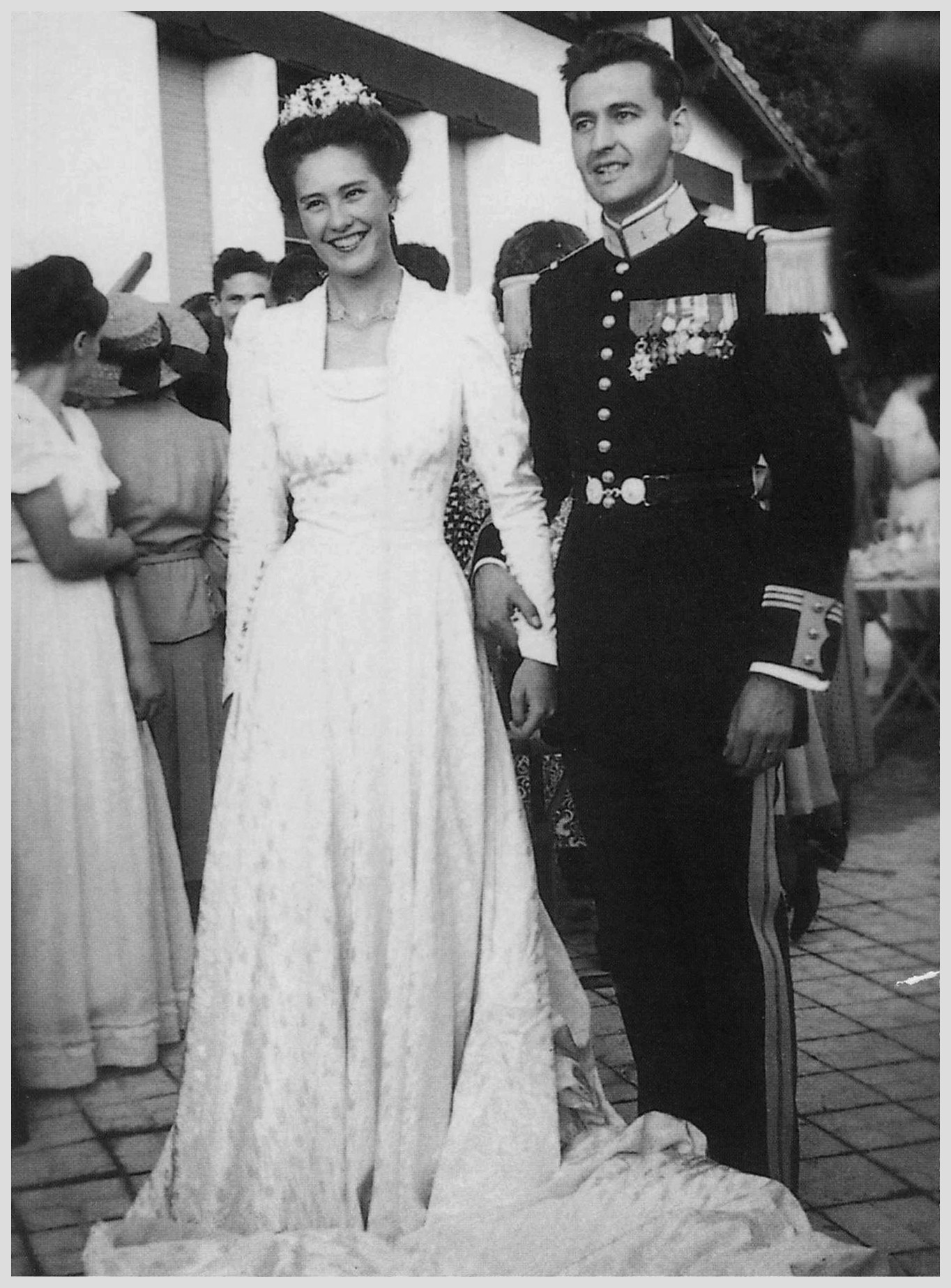
ML: I married an Army man and was taken away from vineyards. I was over 50 years old when my family asked me to take back running our family vineyards. Château Pichon Longueville Comtesse de Lalande in Pauillac in July 1978. Oenology had developed tremendously since my childhood, and I needed this scientific knowledge. I decided to go back to University to study in the class of Professeur Emile Peynaud.
D+: What prompted you to make such a difficult (as it seems to us) decision – to part with this true gem of France?
ML: I ran Château Pichon Longueville Comtesse de Lalande during 30 years with the greatest pleasure, working day and night. By the time my children were grown-up. They were army children and not interested by viticulture and by country life. This is the reason why I had to sell my family home.
D+: When you sold the château to which you had devoted decades, you were at the age when many people dream of a hammock, fishing, and knitting. Yet you chose an incredible – and undoubtedly challenging – new adventure: to lead a winery in South Africa. Why South Africa, and why not the hammock? 🙂
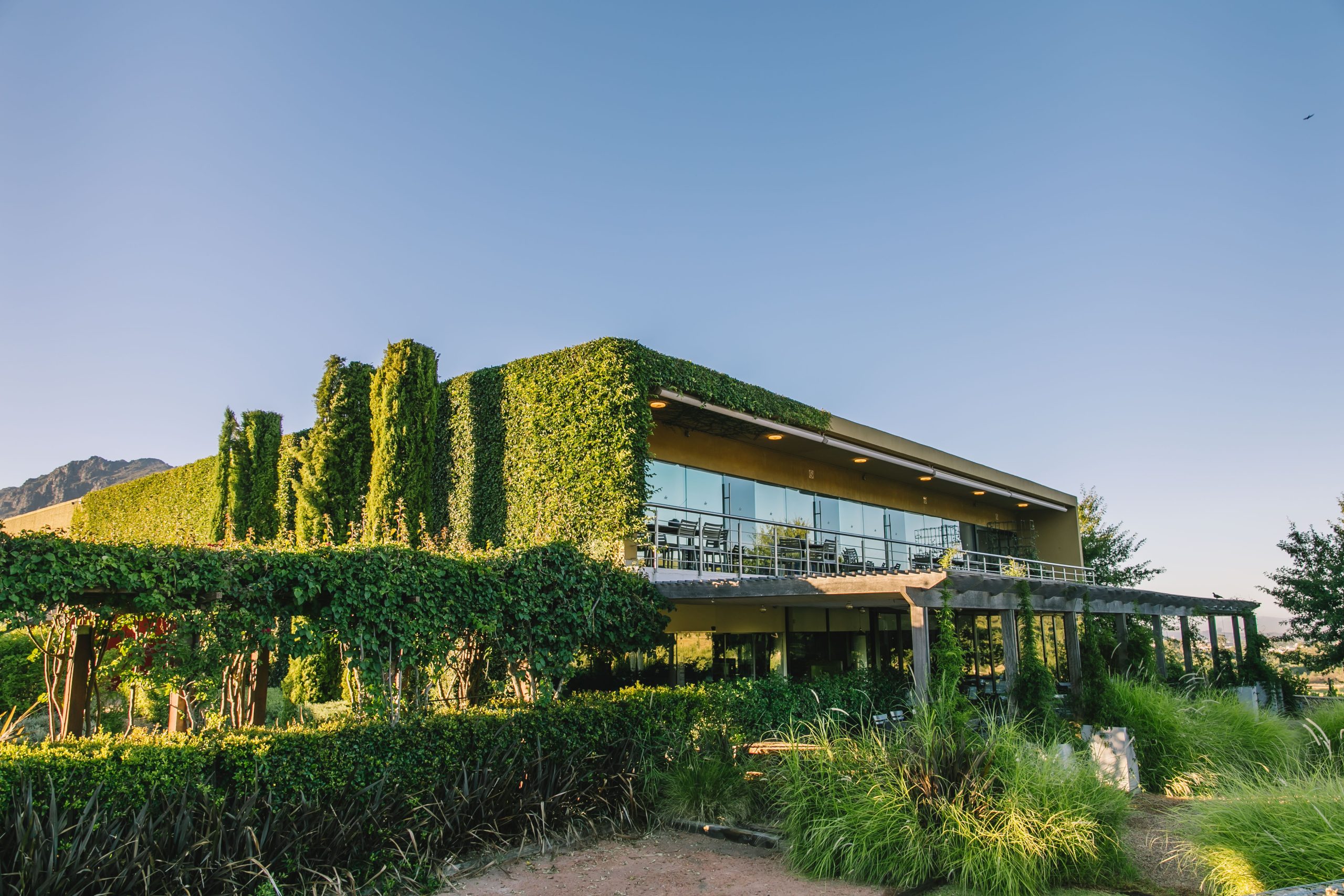
ML: I just kept Glenelly in South Africa that I had purchased a few years before for 2 reasons: help developing the economy of South Africa in memory of Nelson Mandela and develop also the vineyards knowing the quality of the “terroir” and the kindness of the people.
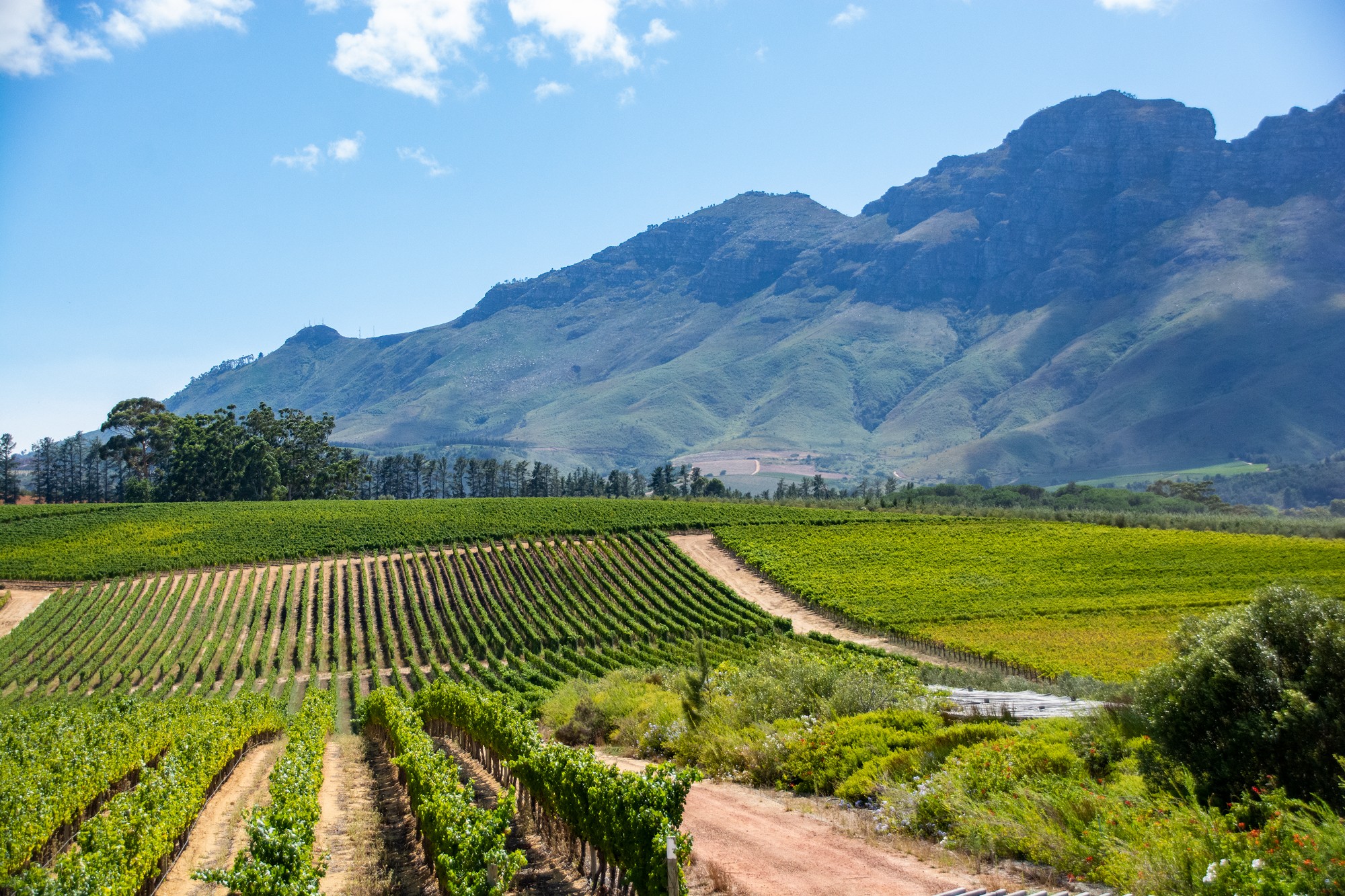
D+: Speaking of South Africa, we of course have to ask about Pinotage – a variety that has experienced both highs and lows. In your view, why has Pinotage’s path to recognition been so challenging?
ML: The Pinotage variety is very special – the wine making is different and though my best friend does lovely Pinotage wines, but I cannot tell you more.
D+: Why, having the opportunity to work with Africa’s native varieties, did you remain loyal to Bordeaux grapes?
ML: In 1688 when the Huguenots moved from France to the Cape for religious reasons, they brought with them the French varieties – these varieties developed with the terroir and the climate. No change happened – no other variety was added.
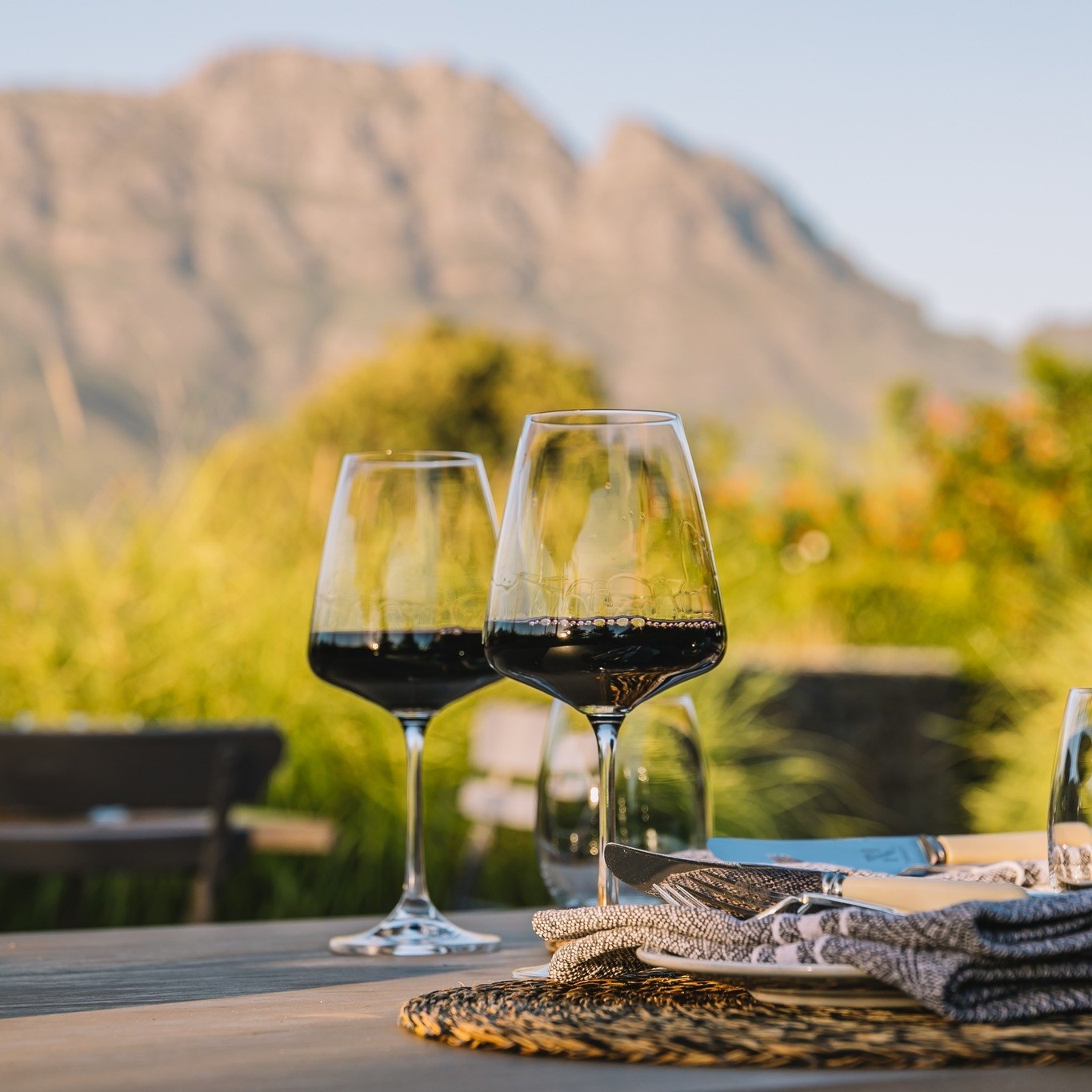
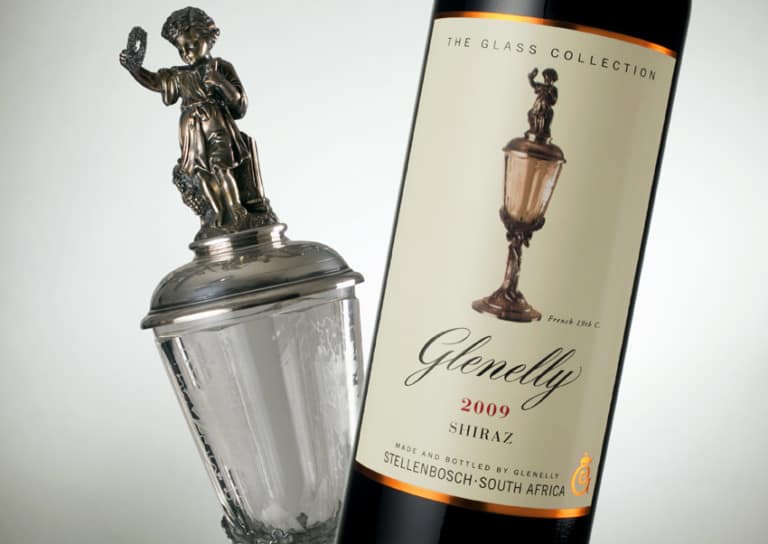
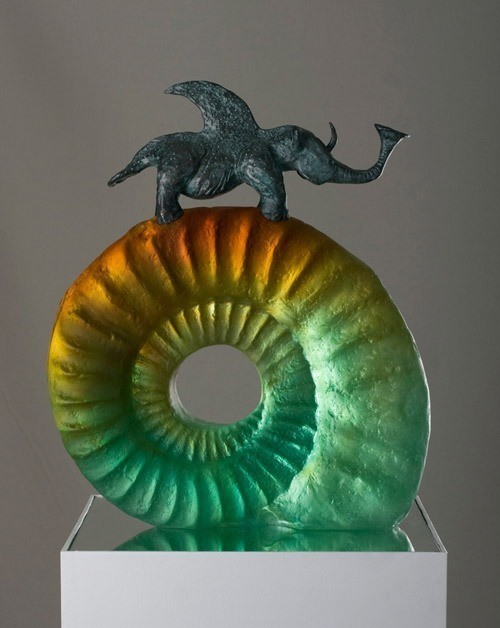
D+: Founded by you in 2003 in South Africa, Glenelly Estate is more than just a winery – it is a world-class wine estate with a luxurious restaurant and a glass museum. Could it be said that glass is another one of your passions? Your unique collection includes over 1,000 rare pieces, ranging from antiquity to modern times, and is housed in two private museums (in Bordeaux and at Glenelly). Could you tell us about this extraordinary hobby.
ML: Glass is like wine. Both are linked to poor soils – glass comes from sand and wine grows on poor soils. They exist by the skills and work of men. Glass and wine are precious and have belonged for ever to our civilization. I collected each piece one by one, some in antique stores, some from studios. I have been close friend with many artists in the US, in Italy, in France, always interested in different techniques, different creations and different skills in such a diversity of creation.
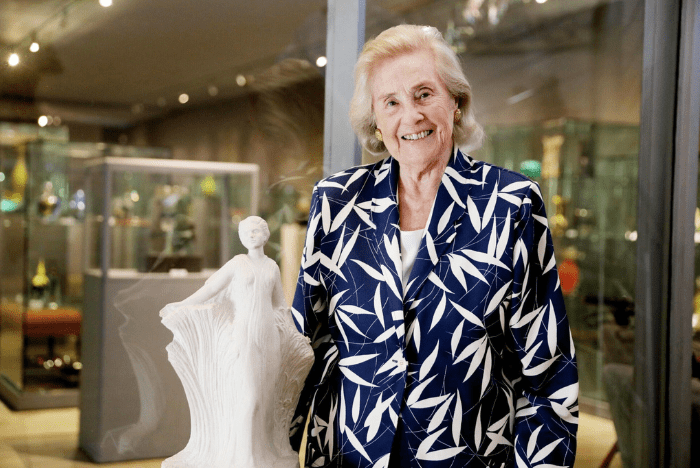
D+: Let’s return to the topic of wine 🙂 Madame Lencquesaing, do you enjoy wine yourself, and if so, how much per day and which types do you prefer? French or South African? Or perhaps something entirely different – have any exotic wine regions impressed you during your travels around the world? And which wine masterpieces do you keep in your personal cellar?
ML: I grew up in the Medoc area, north of Bordeaux, along the Garonne River, known for its classified appellation such as Margaux, Saint Julien, Pauillac and Saint Estèphe an area for only red wines. Wine was always served with our meals. At age 7, we were given a glass of wine mixed with water. But we were educated to look at the color of wines, to the nose related to the age of the wine and to the story of the harvest. Later we were allowed to taste.
I drink wine every day with my food by small quantity – red or white depending what kind of food. I enjoy all kind of wines. They can be so different, more fruity, more tannic, more complex with short or long after taste. I prefer elegant wines to powerful wines.
D+: Have you ever visited vineyards in Eastern Europe? If it is so, which regions and wines have left an impression on you, and why? Have you perhaps had the opportunity to taste any Ukrainian wines?
ML: I am interested in Italian and German wines. Such as their Ice Wines. My grandfather used to collect wines from Tokay. The most Eastern wines I have tasted were from Lebanon and Georgia, they are great. I never have had the privilege of tasting Ukrainian wines and I would love to know more about their soils and their varietals.
D+: You have immense experience and knowledge about wine – you taste and identify styles, and seem to know everything about it. Could you perhaps offer a few tips for people who are just learning to taste wine: how to develop their palate and keep it sensitive?
ML: No, you never know everything about wine, wine is such a mystery. The color, the brilliance, the intensity in the glass is the first discovery. Then comes the nose, touch of flowerness berries or of notes of spices. This complexity brings you to guess what you will discover in your palate. More your taste, more you learn to discover all these elements. It is a discovering experience to be shared with friends. In the palate you must always look for the fruit more than the alcohol and for balance and also for the quality of the tannins.
Wine is very good for the health. When I was a 10 years old child I had growing problems. Every day I was given by my grandmother, before my lunch, a cookie with a glass of melted sugar in water with two spoons full of red wine mixed. It made me strong.
D+: What are your thoughts on young people today who tend to abstain from alcohol entirely, or from wine specifically, finding it confusing or too complex? How do you view the current development of the non-alcoholic wine industry? Overall, what do you see as the future of wine?
ML: Young people should learn more about wine, the history through the centuries. The precious work of growing a vineyard, the respect for the fruit – this gift of God. Young people should enjoy wines, they just need education and moderation. In France we say “food without wine is a day without sun”.
Stay connected with Wine Travel Awards: