
Hospices de Beaune. From a Healing Cup to a Barrel for Charity
Author: Dariia Melnyk
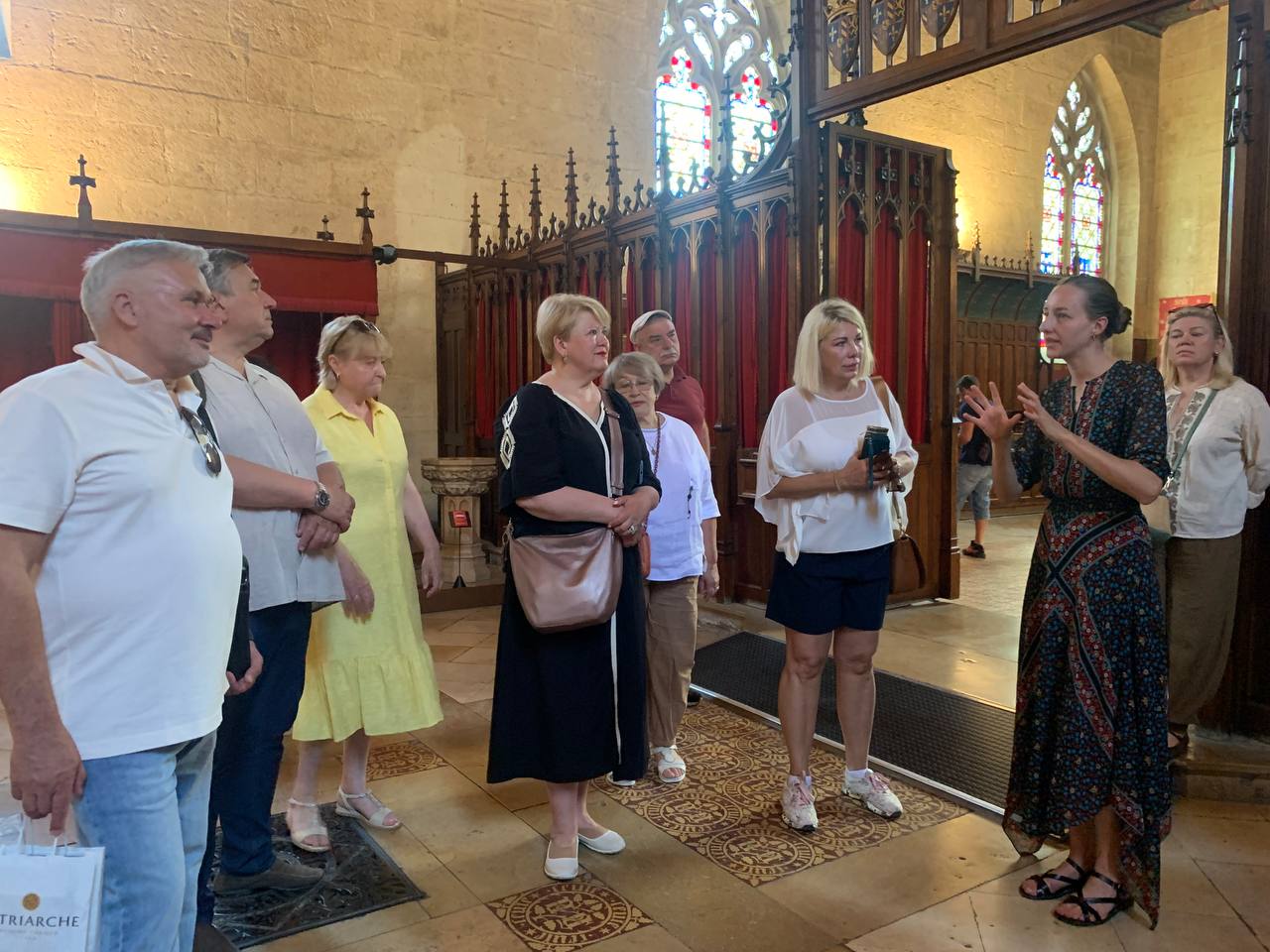
This summer, the Drinks+ and Wine Travel Awards team, together with everyone who joined our journey through Burgundy, visited one of Beaune’s most celebrated historic landmarks – the Hospices de Beaune. In fact, this was the very place where the first day of our educational wine tour began, and the choice was anything but accidental. This extraordinary site is renowned far beyond Burgundy not only for the architectural legacy of the famous Hôtel-Dieu but also for its unique model of financing healthcare through wine producers. And, of course, for one of the world’s most prestigious wine auctions, held here every autumn.
Why is the Ministry of Health mistaken?
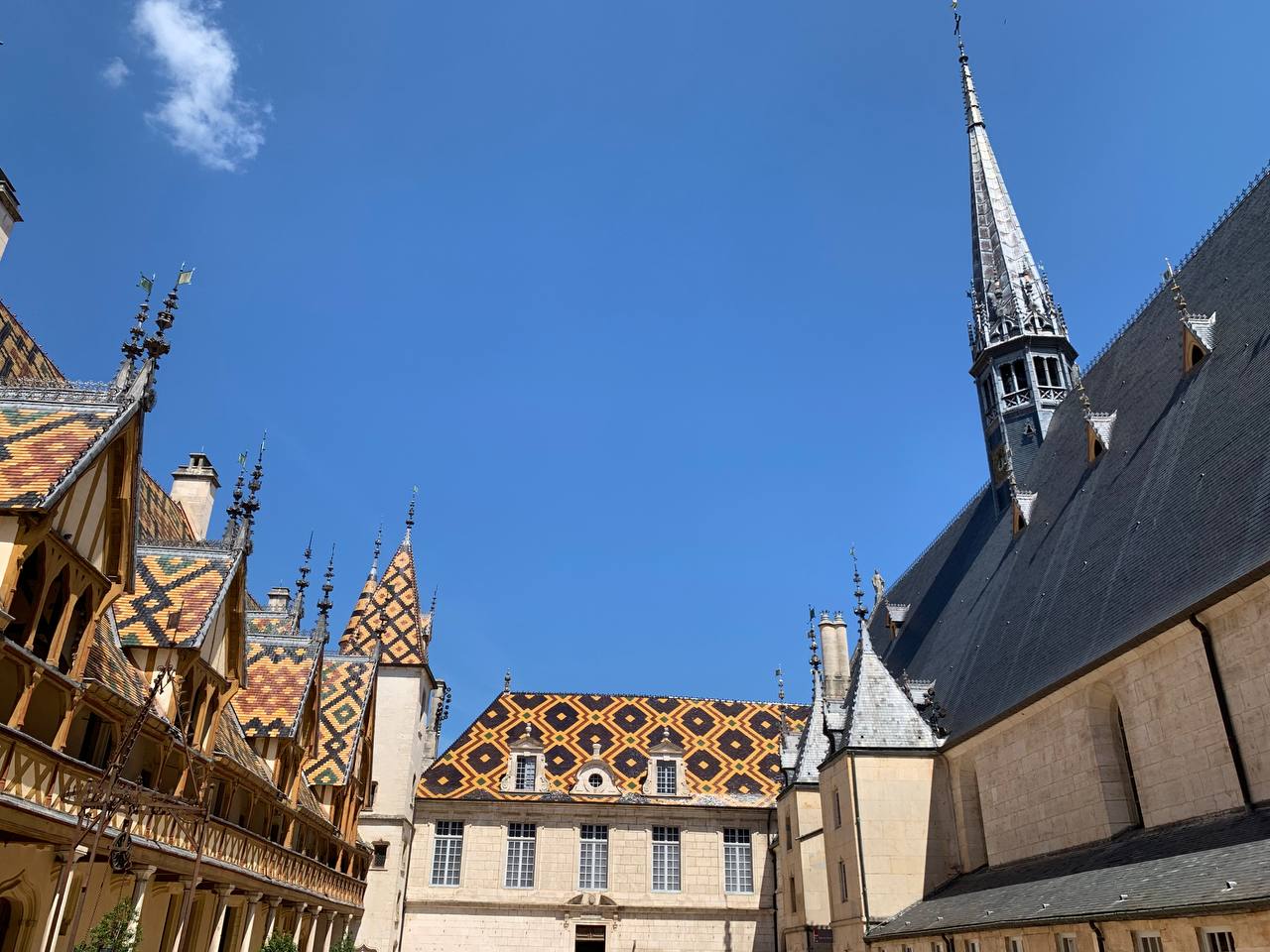
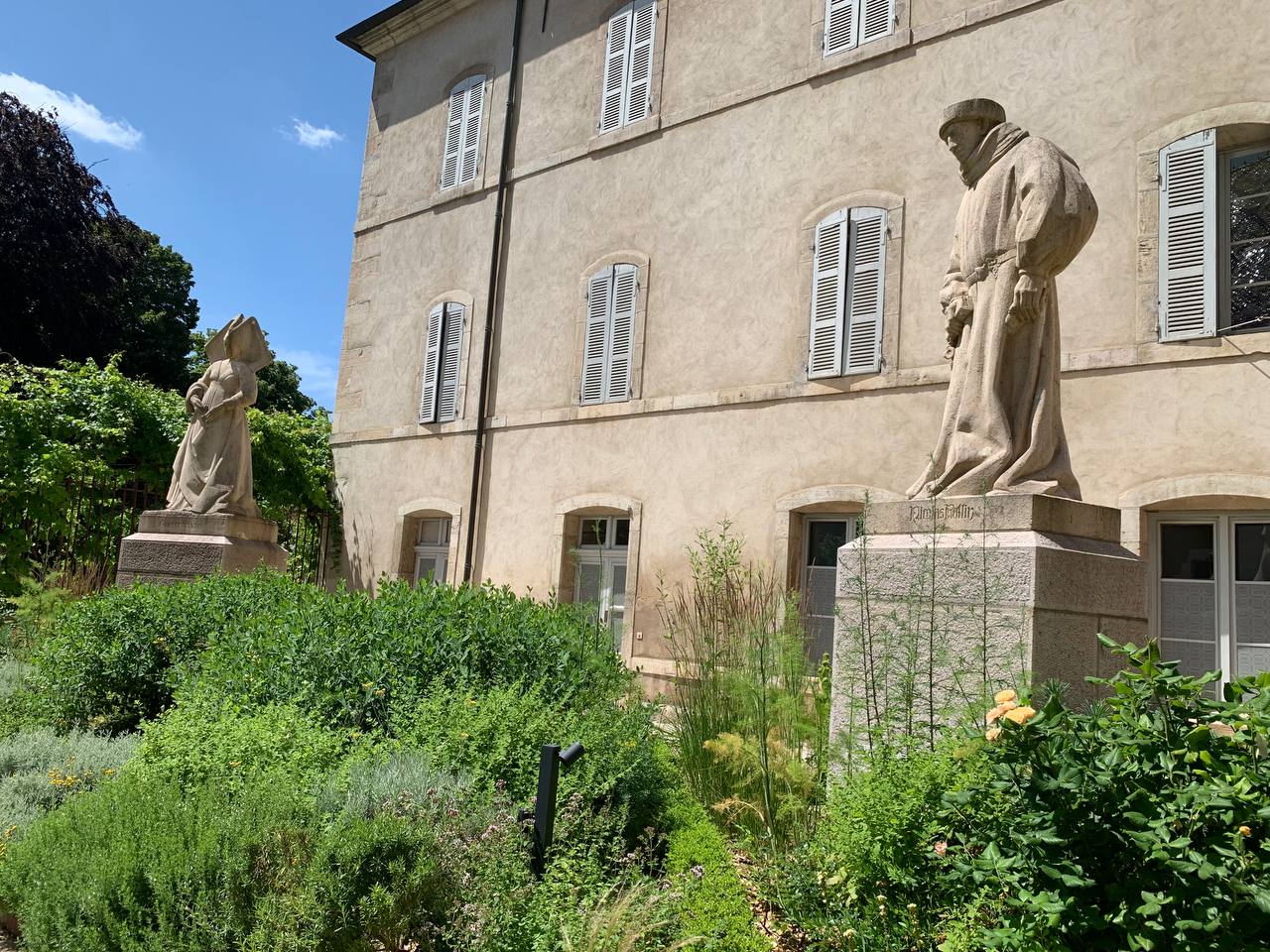
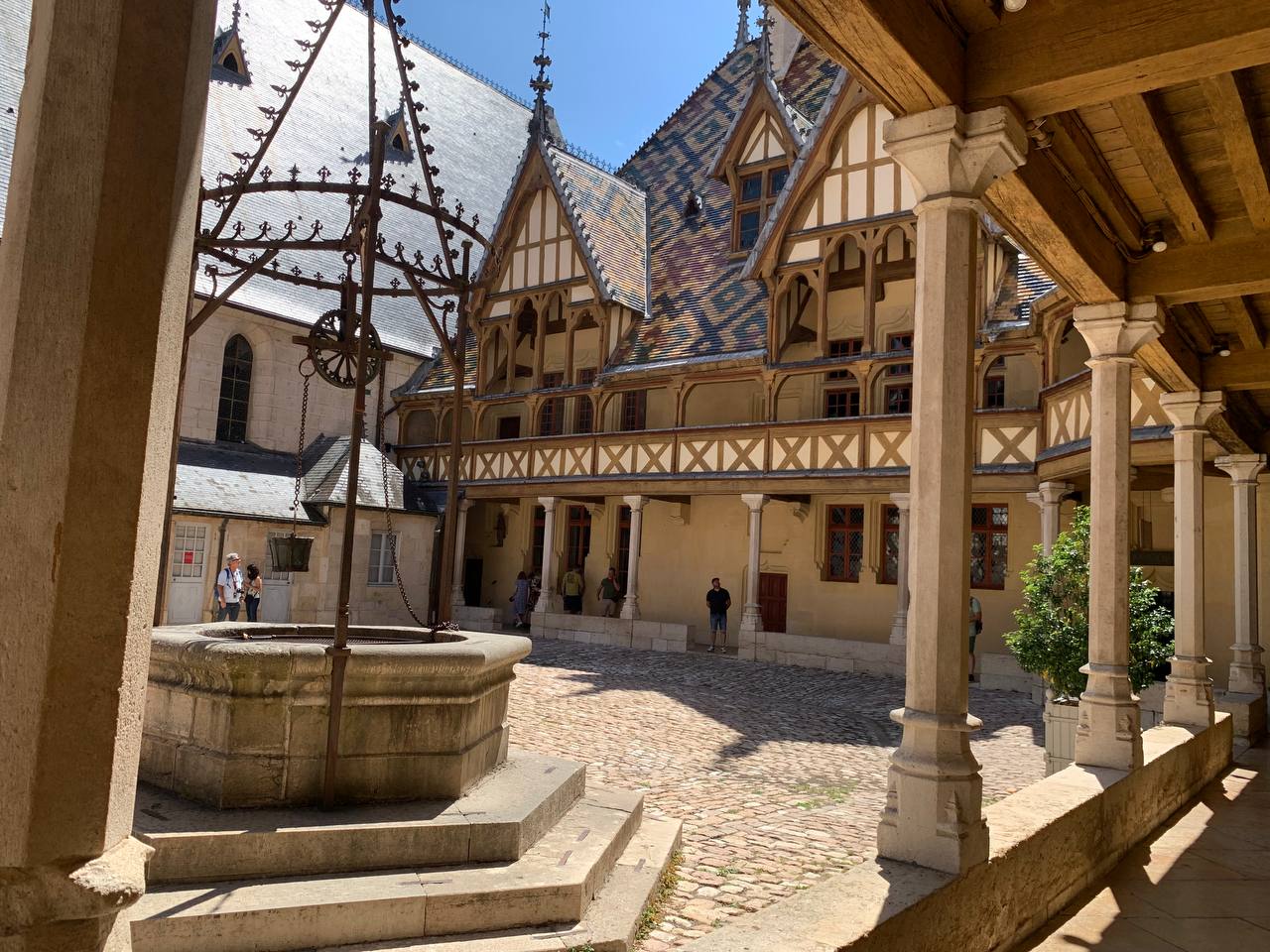
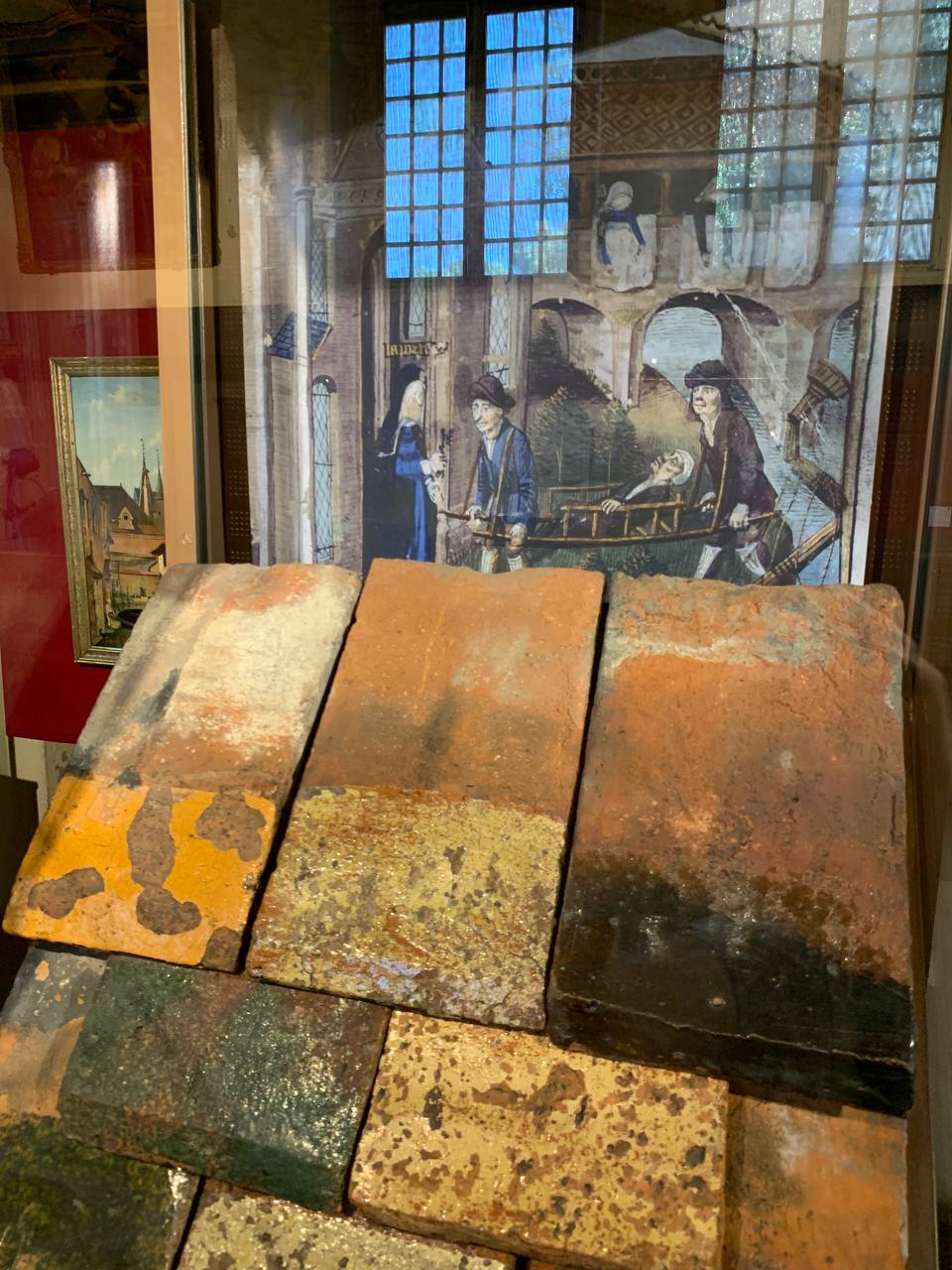
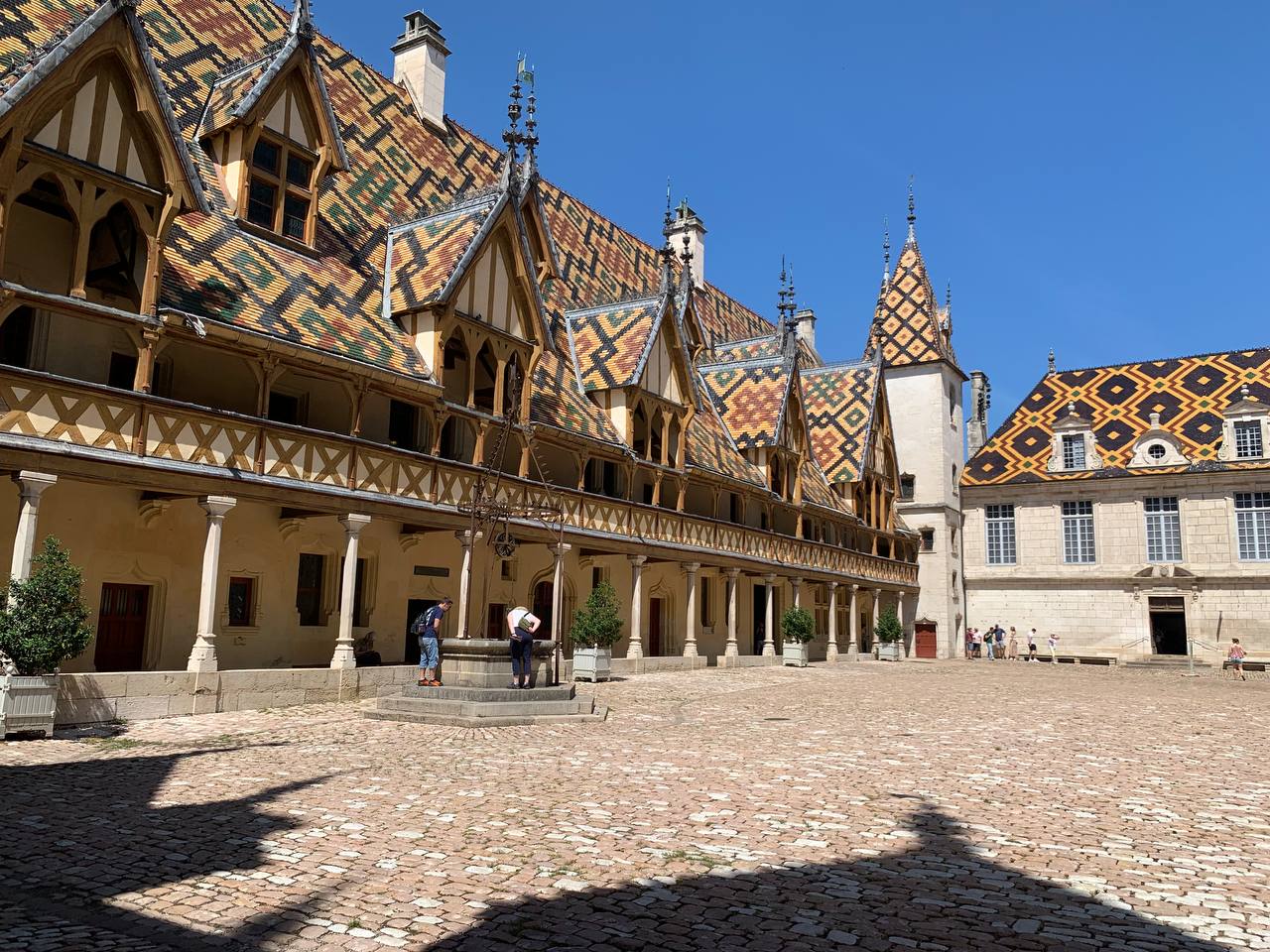
Today, this site welcomes hundreds of visitors daily from around the world, offering a magical opportunity to stroll through the medieval halls of the Hospices and immerse oneself in a remarkable history that, in our view, deserves far deeper study. Founded in 1443 by Nicolas Rolin, Chancellor to the Duke of Burgundy, and his wife Guigone de Salins, the Hospices de Beaune began as a charitable hospital for the poor. The Hôtel-Dieu quickly became a symbol of medieval Burgundy, admired for its colourful roof of glazed tiles in mustard, deep blue and terracotta tones, its Gothic architecture and its philanthropic mission. Although the historic site no longer functions as a hospital, it remains one of Beaune’s most important cultural and tourist landmarks. So what exactly took place beneath the roof of this building that resembles a castle from a children’s fairy tale?
Let us begin with the founding principles developed by Nicolas Rolin and the institution’s celebrated financial patron, Duke Philip the Good. Their central idea was to create a “palace for the poor” – a place where medical treatment was inseparable from spiritual care. Philip the Good supported the creation of the hospital as part of a broader policy of recovery after the Hundred Years’ War and widespread epidemics. His belief was that the state must care for its poorest citizens, for doing so strengthens society as a whole. Together with Rolin, his chancellor, the Duke invested his own funds to demonstrate Burgundy’s strength and moral authority. The hospital became a symbol of stability and generosity on the part of the rulers of that era. And, indeed, such a philosophy would be welcome in our own time.
The economic model developed during Philip the Good’s reign had intriguing nuances. The hospital was financed not by the state but through private donations – often land, farms or vineyards. The first vineyards were gifted to the hospital as early as 1457. Viticulture became the foundation of the Hospices’ independence and long-term sustainability.
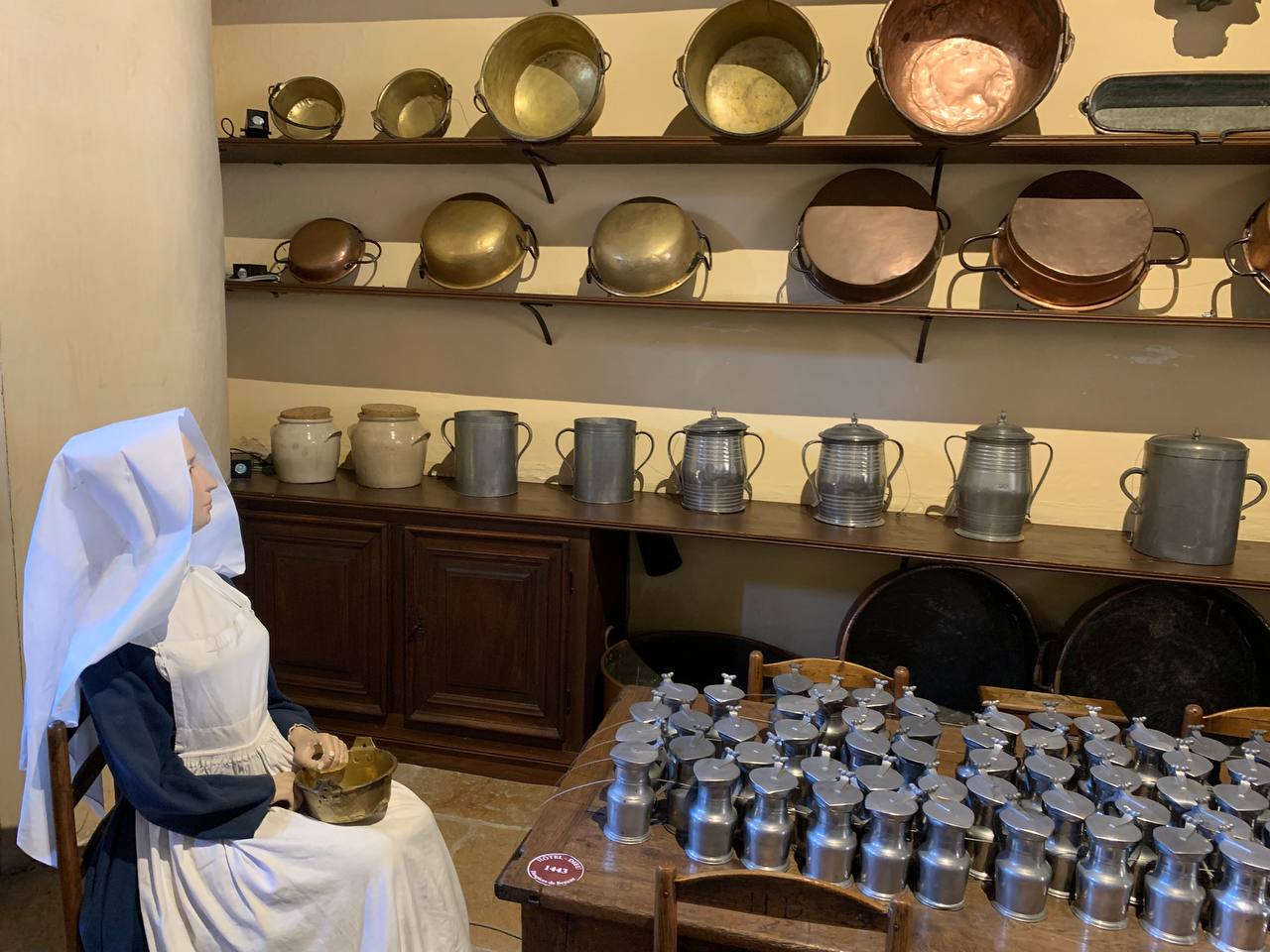
In addition, Chancellor Rolin founded the order of the sœurs hospitalières, who were tasked with healing both body and soul – through care, prayer, discipline and moral support. Treatment included medical procedures, nourishing food (naturally, accompanied by wine), prayer and spiritual conversation. The sisters lived alongside the patients, ensuring constant care.
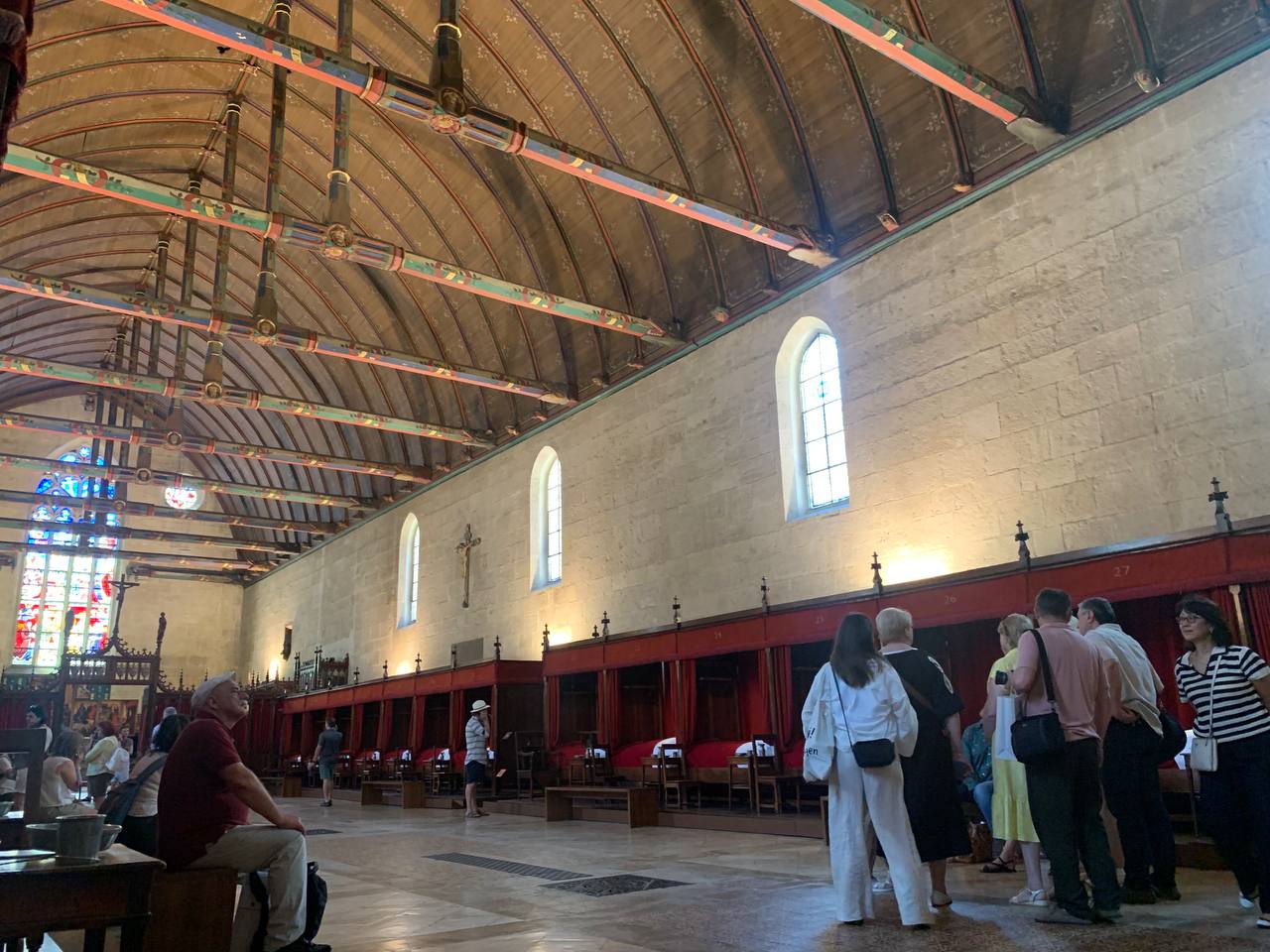
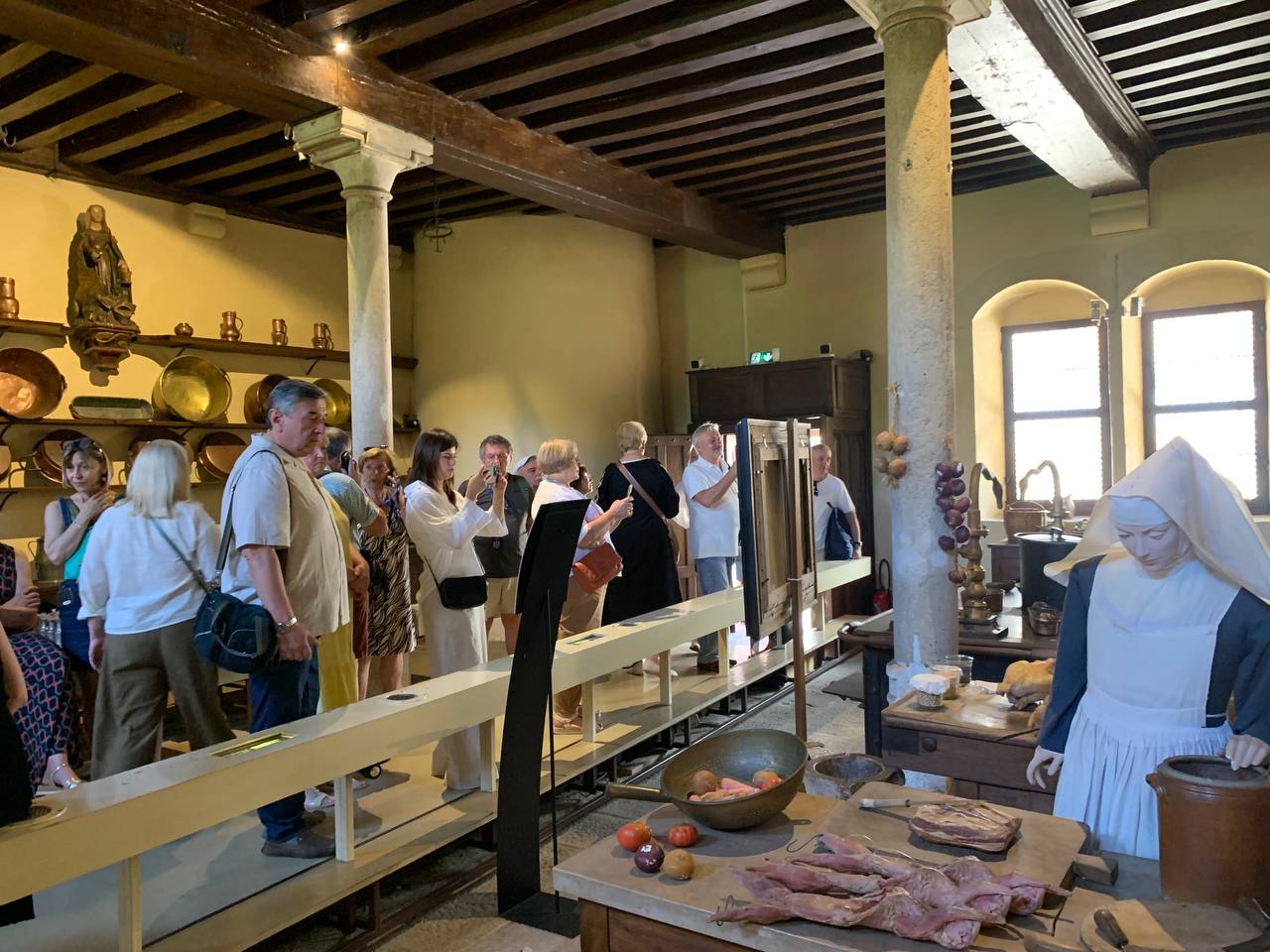
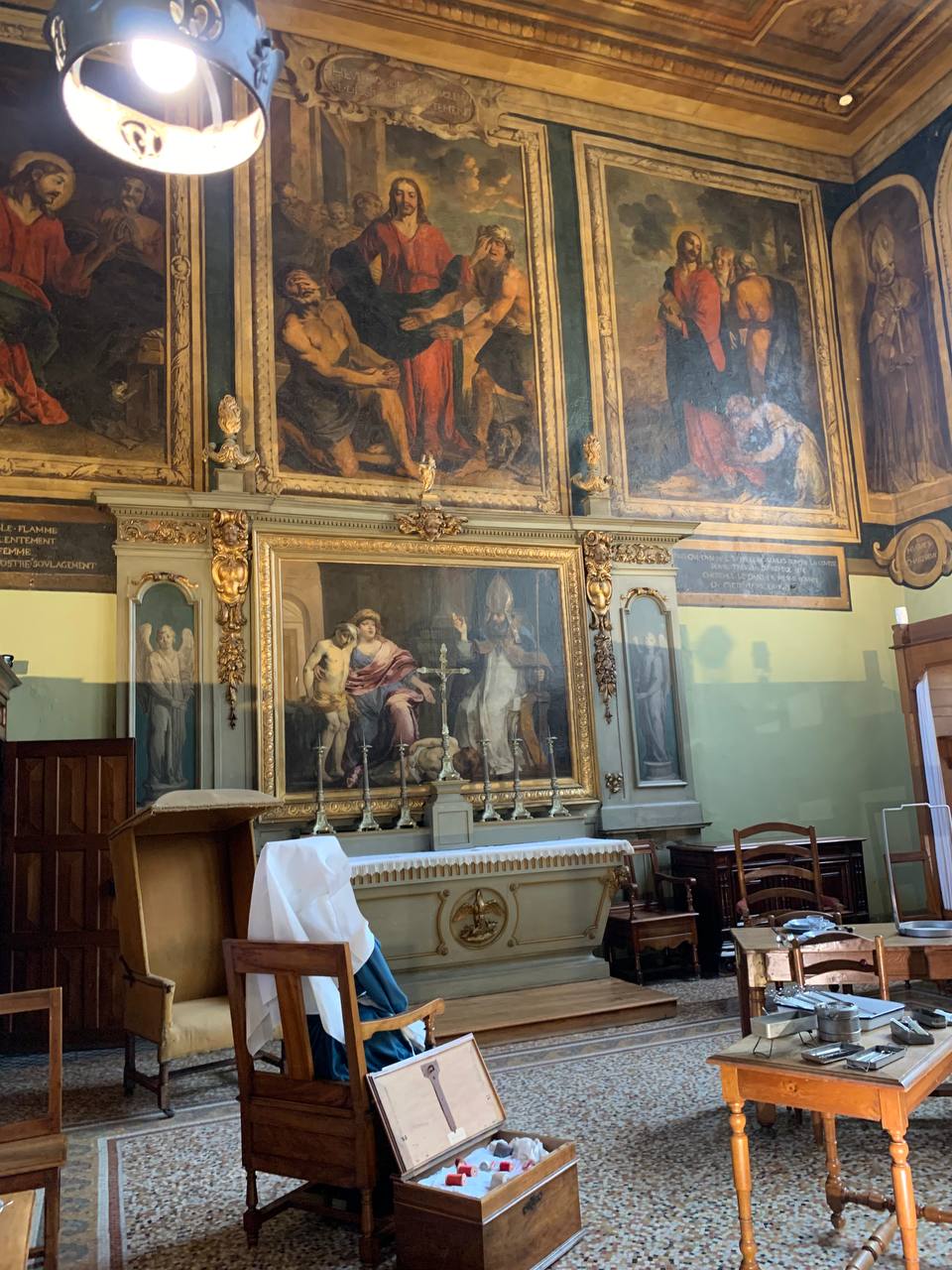
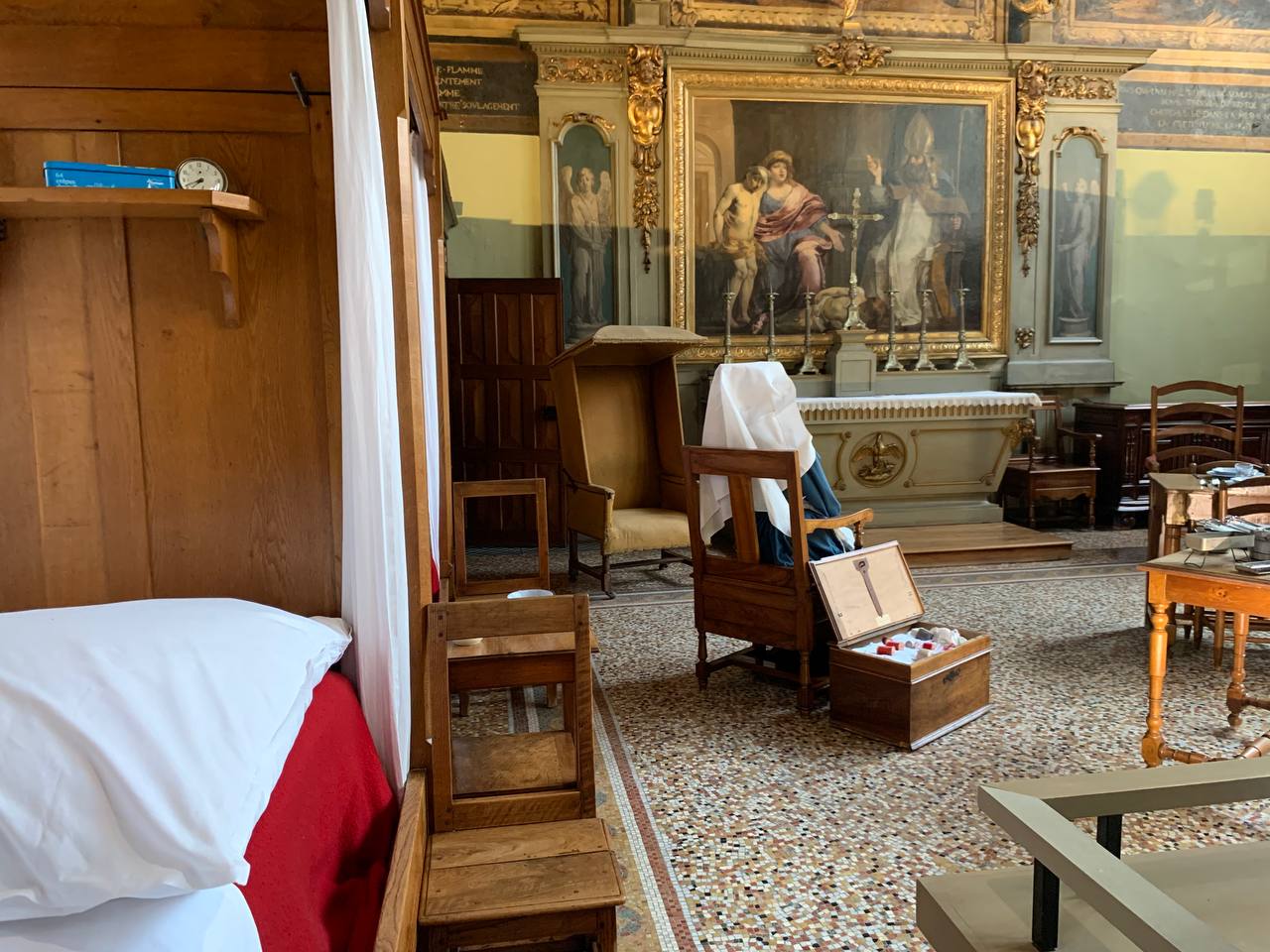
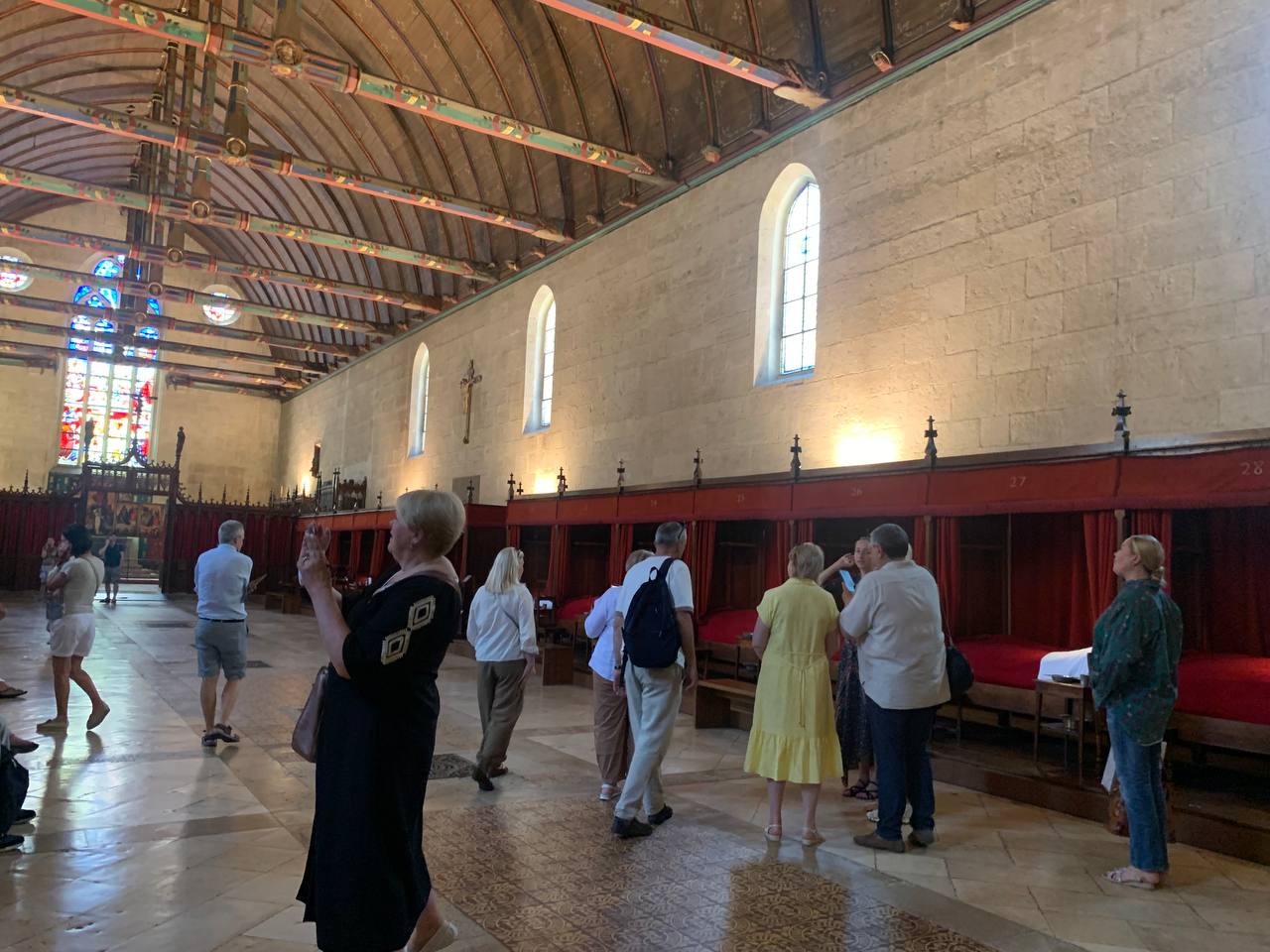
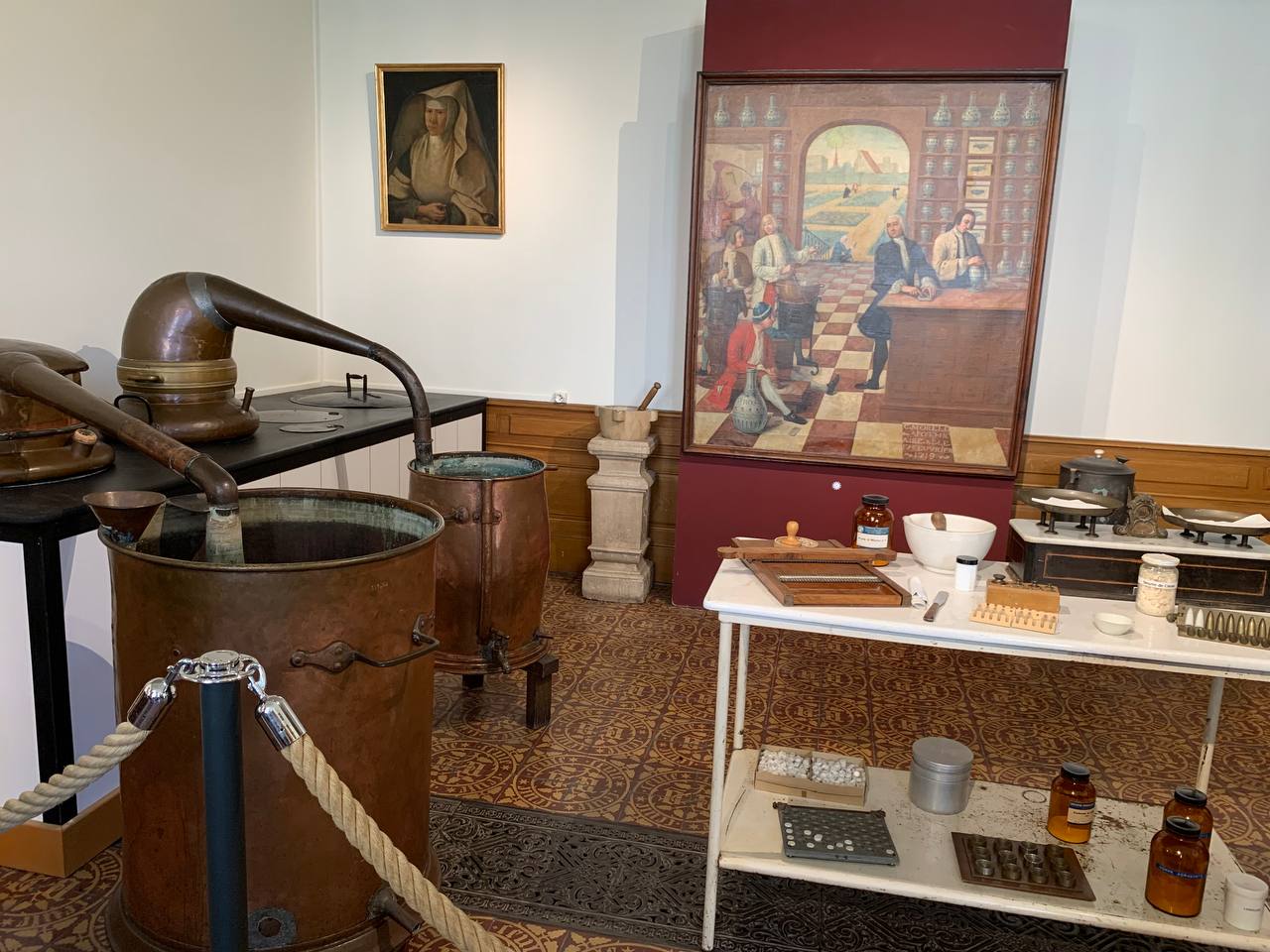
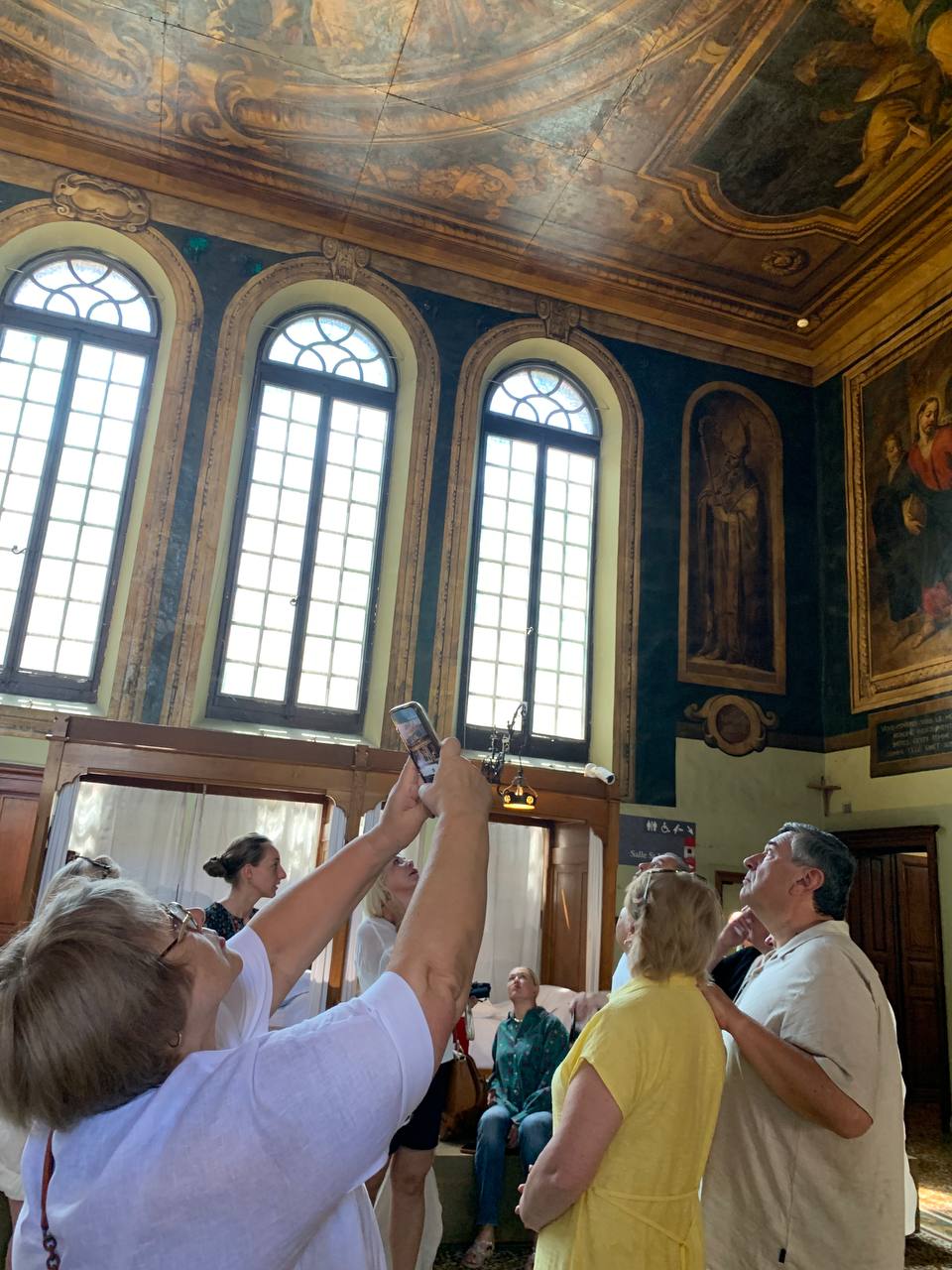
Today, the Hospices de Beaune function essentially as a museum — one of the best-preserved examples of medieval medicine. Tourists can see original instruments, the apothecary, the kitchen, the beds and the Salle des Pôvres – the hall for the sick. This hall is astonishing: a grand space more reminiscent of a sanctuary than a ward, yet designed for patients, with beds separated by velvet curtains, a high ceiling with wooden beams and stained-glass windows.
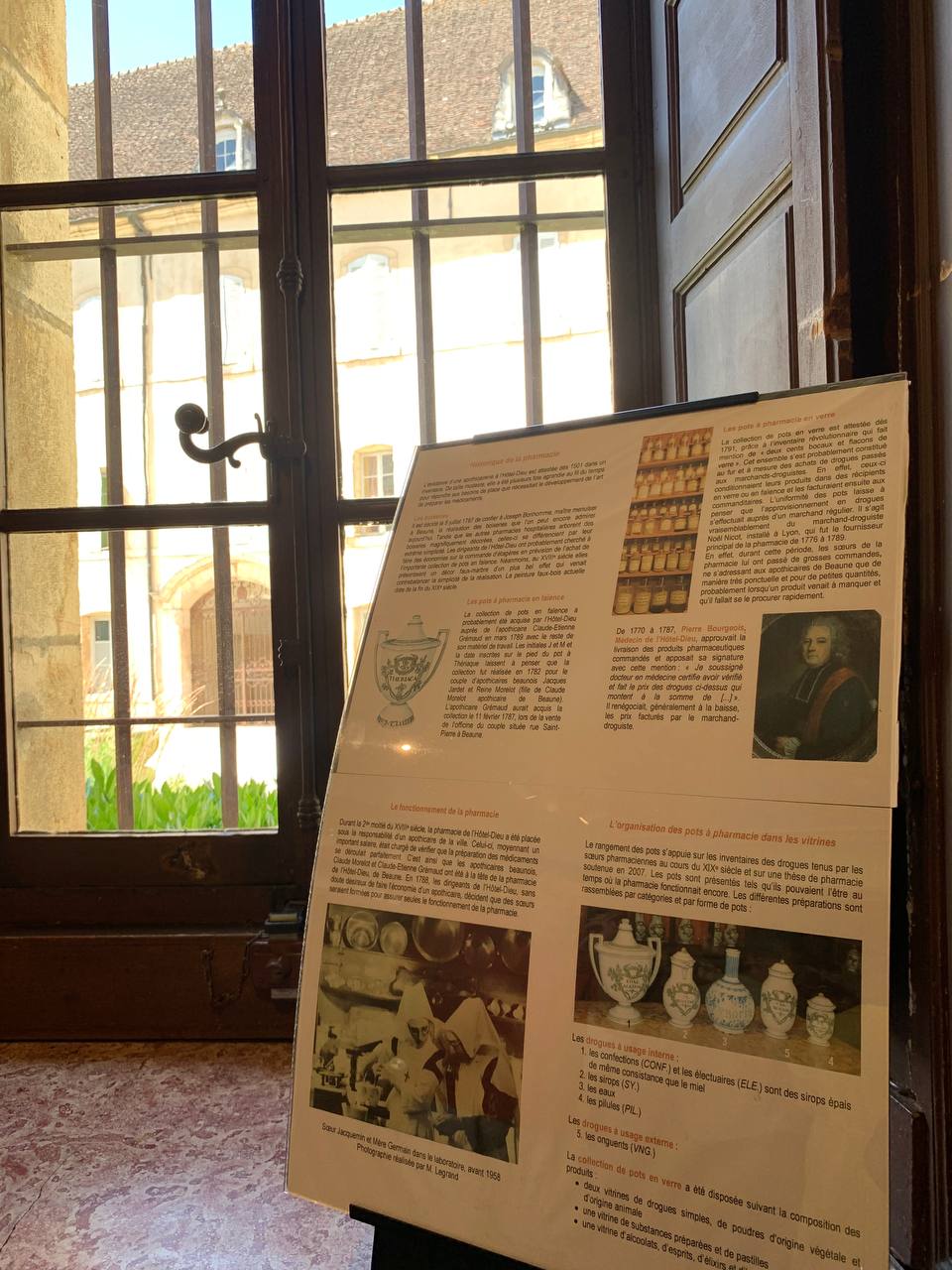
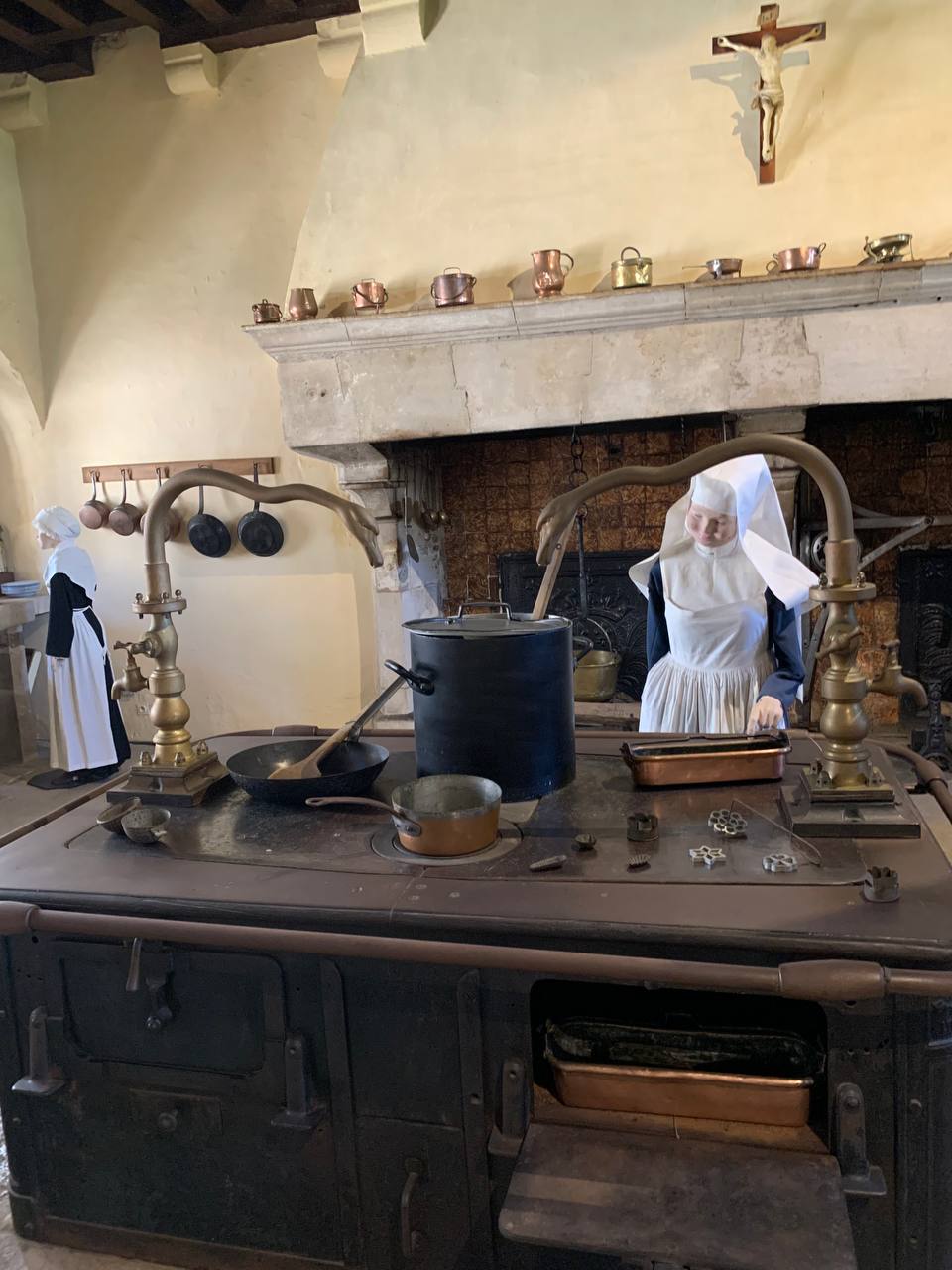
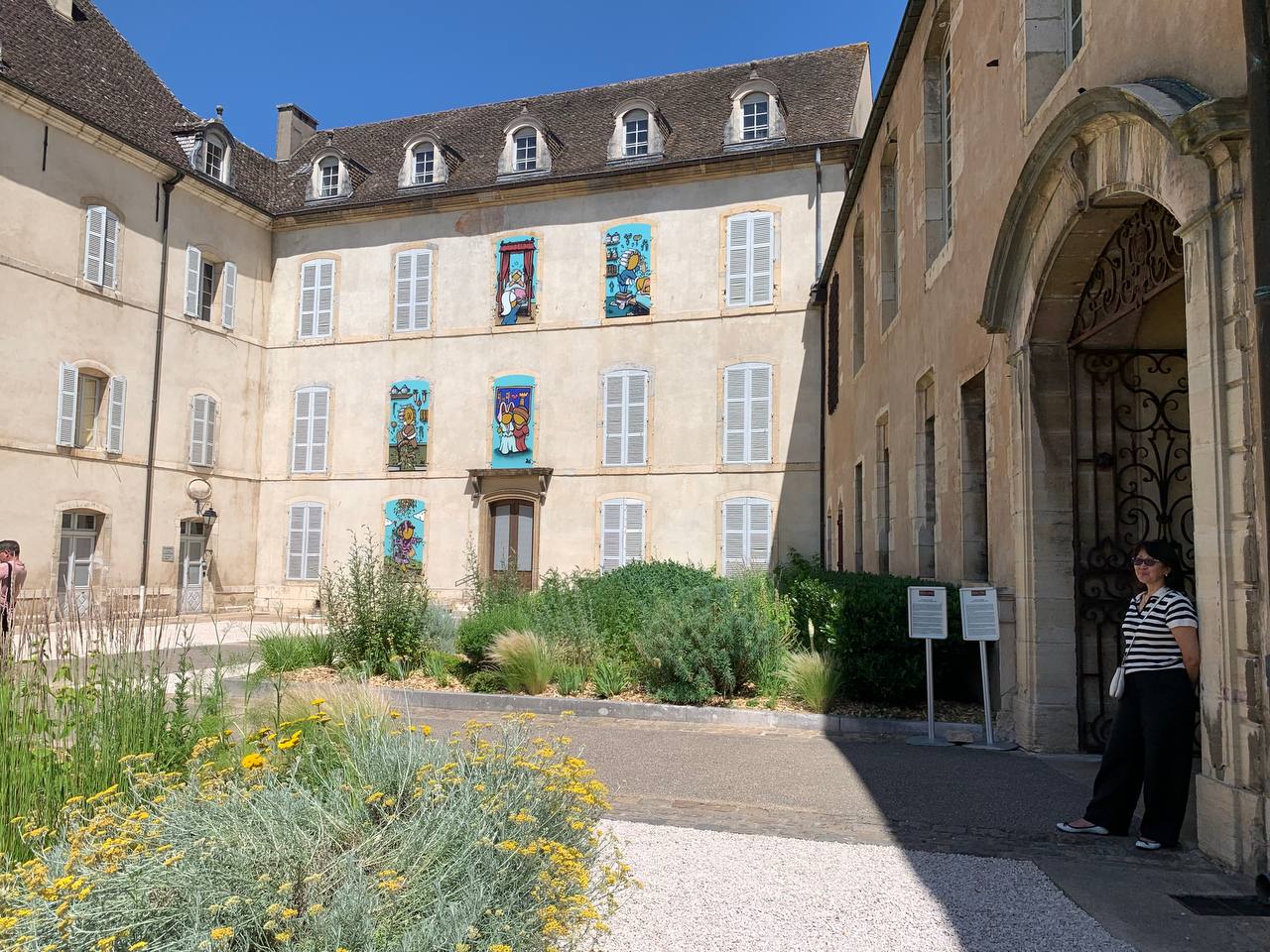
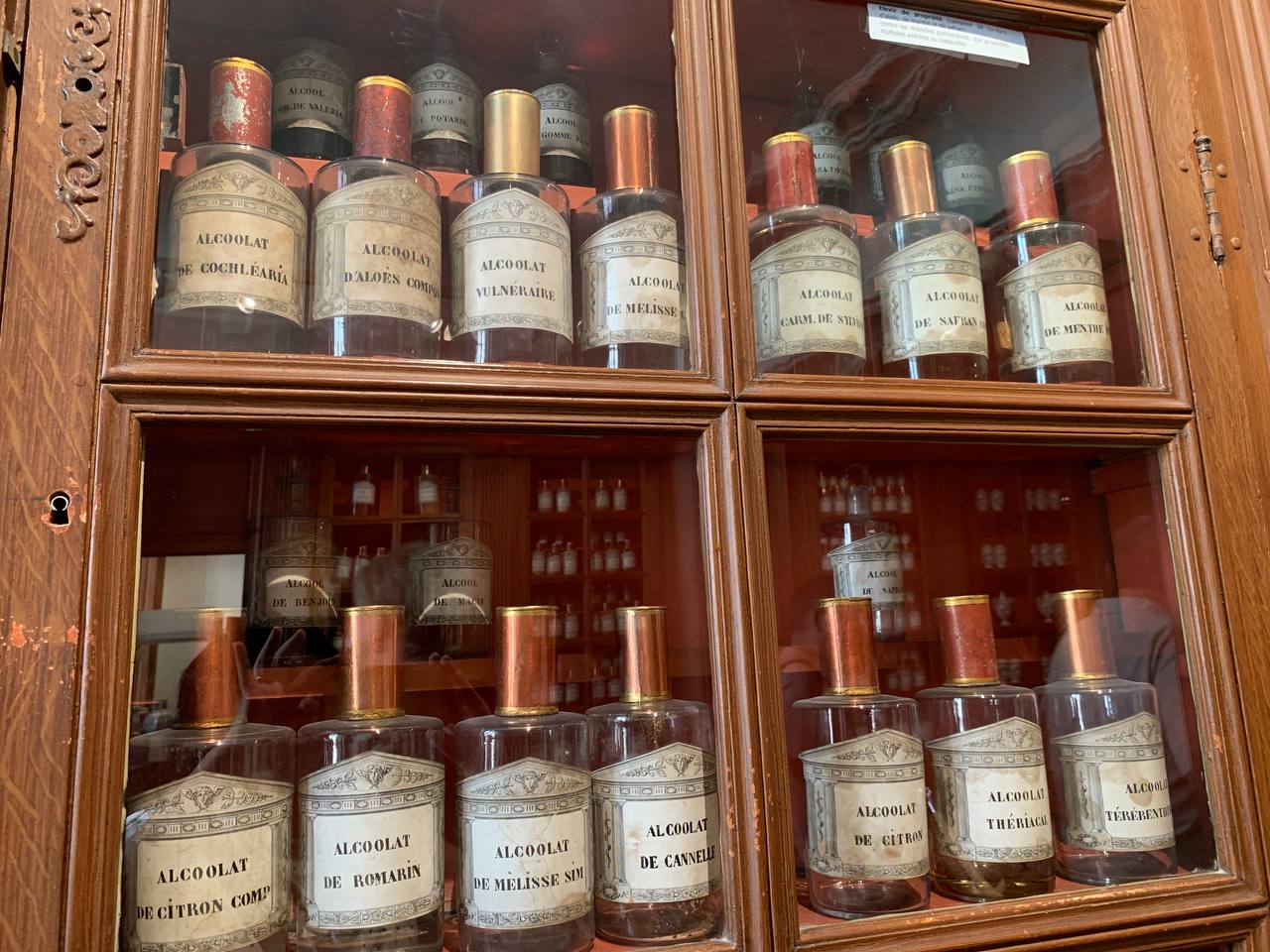
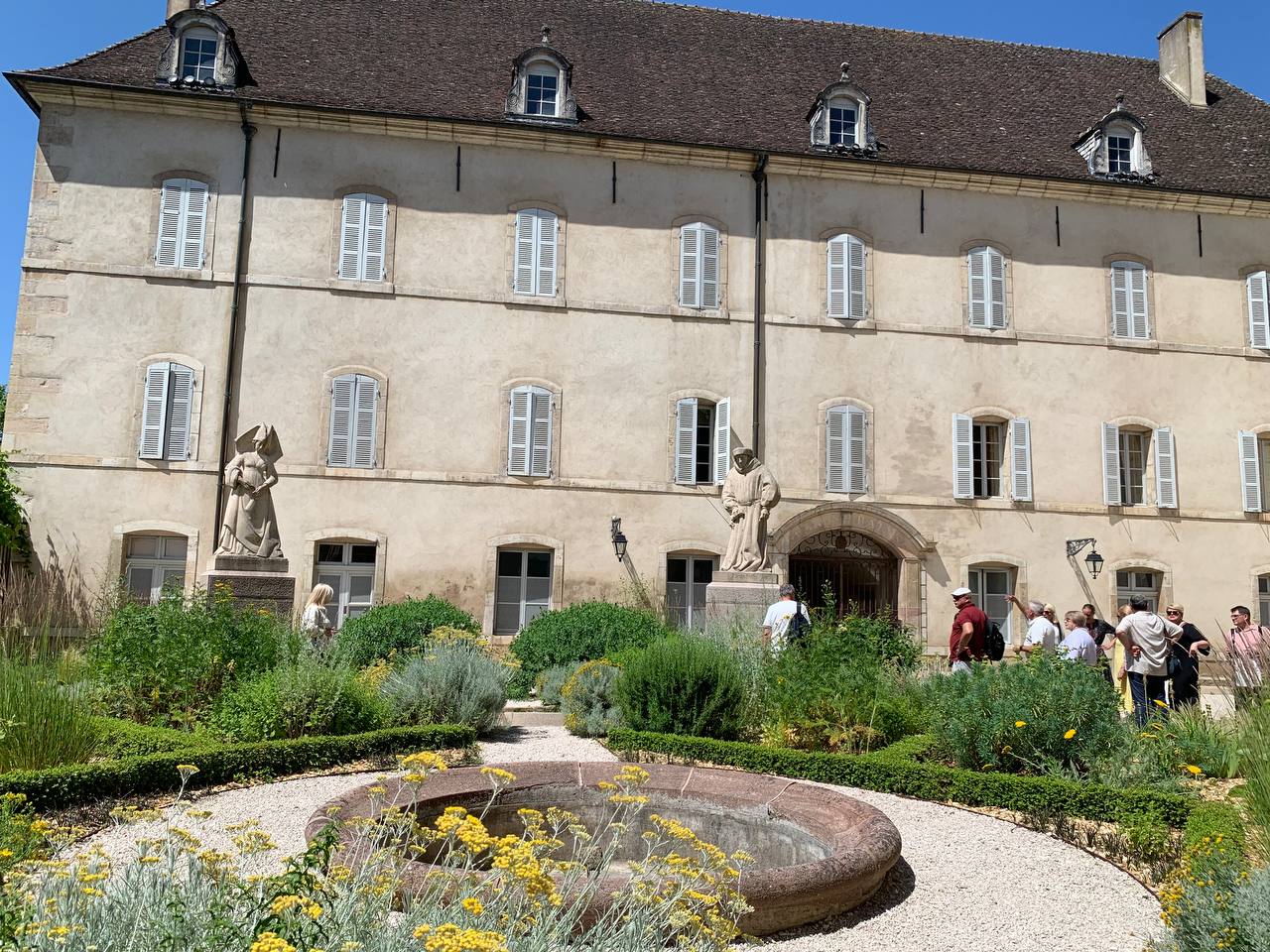
The complex included an apothecary stocked with herbs, tinctures and balms. Medicinal plants were grown in the hospital’s own garden, which still survives in one of the courtyards. The sisters used herbal preparations, syrups and balms made in the castle kitchen, as well as remedies brought from Flanders and other parts of France.
Diet was an essential part of treatment. Food played a crucial role, especially for those weakened by famine and epidemics. Patients received warm meals, wine (which, unlike the modern position of the healthcare system, was considered medicinal – and we suggest not arguing with that), bread and soups. In the hall where the beds stood, strict hygiene and order were maintained: for the fifteenth century, this was truly revolutionary – clean bedding, regular ventilation. Separate zones were introduced for different types of patients, and those with infectious diseases were placed in dedicated isolation rooms.
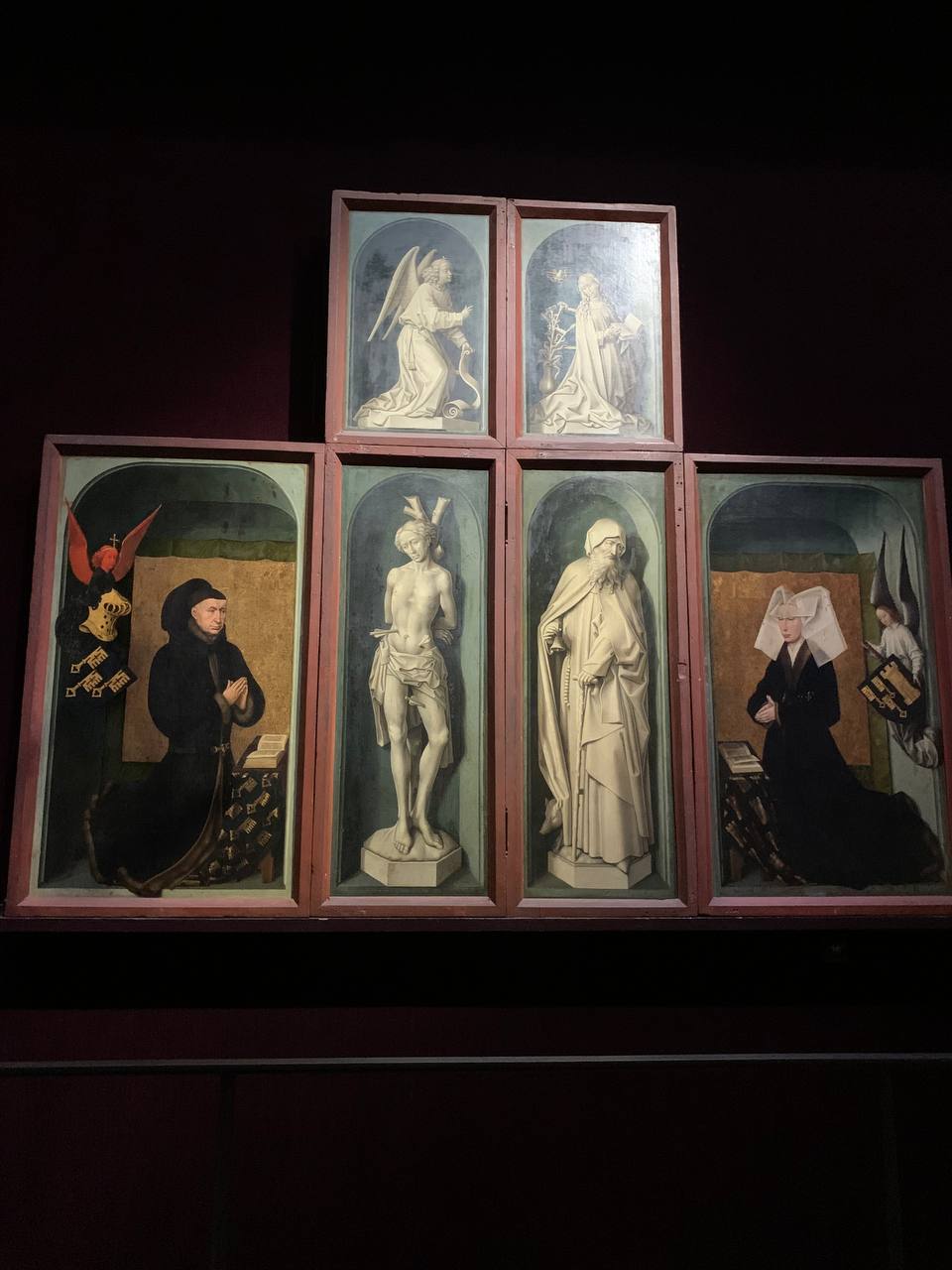
The architecture of the Hospices encouraged light and ventilation – both considered part of the healing process. Later, art joined wine as a therapeutic element, and the halls of the Hospices became a place for collecting paintings. Today, millions of art and history enthusiasts travel to Beaune to see Rogier van der Weyden’s Last Judgement polyptych – one of the most valuable works of Flemish art, displayed at the Hospices de Beaune.
As for our group of experts and winemakers travelling through Burgundy this summer, the wine domaine of the Hospices de Beaune was of particular interest as a unique model of a “hospital-winery”, where healthcare is funded through the proceeds of wine auctions.
The charitable mission of the Hospices also shaped its wine legacy. Over centuries, vineyard donations formed the prestigious wine estate of the Hospices de Beaune. Today, it produces wines from some of Burgundy’s most renowned appellations. Each autumn, these wines are sold at the famous Hospices de Beaune auction.
The event takes place every November and is one of the most significant dates in the international wine calendar. Enthusiasts, collectors, négociants and professionals from around the world gather in Beaune to participate in futures sales – bidding on wines still ageing in barrel.
A special highlight of the auction is the Pièce des Présidents – the charity barrel that attracts particular attention each year. In 2025, the Pommard Premier Cru Les Rugiens was sold for €400,000, with the proceeds directed to charitable projects. This tradition perfectly reflects the essence of the Hospices de Beaune – a place where Burgundy’s wine heritage has been inseparable from philanthropy for centuries.
Not only the auction
The Hospices de Beaune is not merely a destination for auction enthusiasts – buyers, agents or private collectors. Its unique blend of history, wine culture, architecture and gastronomy makes it an essential stop for anyone discovering Burgundy. Allow us to offer a few recommendations from our editors for visiting.
The connection between wine and gastronomy will be especially vivid in the coming months during a series of prestigious events linked to Saint-Vincent Tournante 2027 in Volnay. The 83rd edition of Saint-Vincent Tournante will take place on 30–31 January 2027, marking the 90th anniversary of the Volnay AOC. As part of the celebrations, the historic Bastion des Hospices de Beaune will host distinguished gastronomic banquets.
Registration is now open for two evenings:
– Héritage Vivant. 29 January 2027
– Élégance Rare. 30 January 2027
Both events will combine fine Burgundy wines, haute cuisine and the region’s characteristic art de vivre. Renowned chefs will participate. Tickets are priced at €350 per person.
For travellers planning a wine journey through Burgundy in early 2027, these events offer a wonderful opportunity to experience several defining features of the region at once: its historical heritage, prestigious wines, gastronomy and culture of hospitality.
Stay connected with Wine Travel Awards: