
Domaine Mongeard-Mugneret: A Family Estate at the Heart of Vosne-Romanée
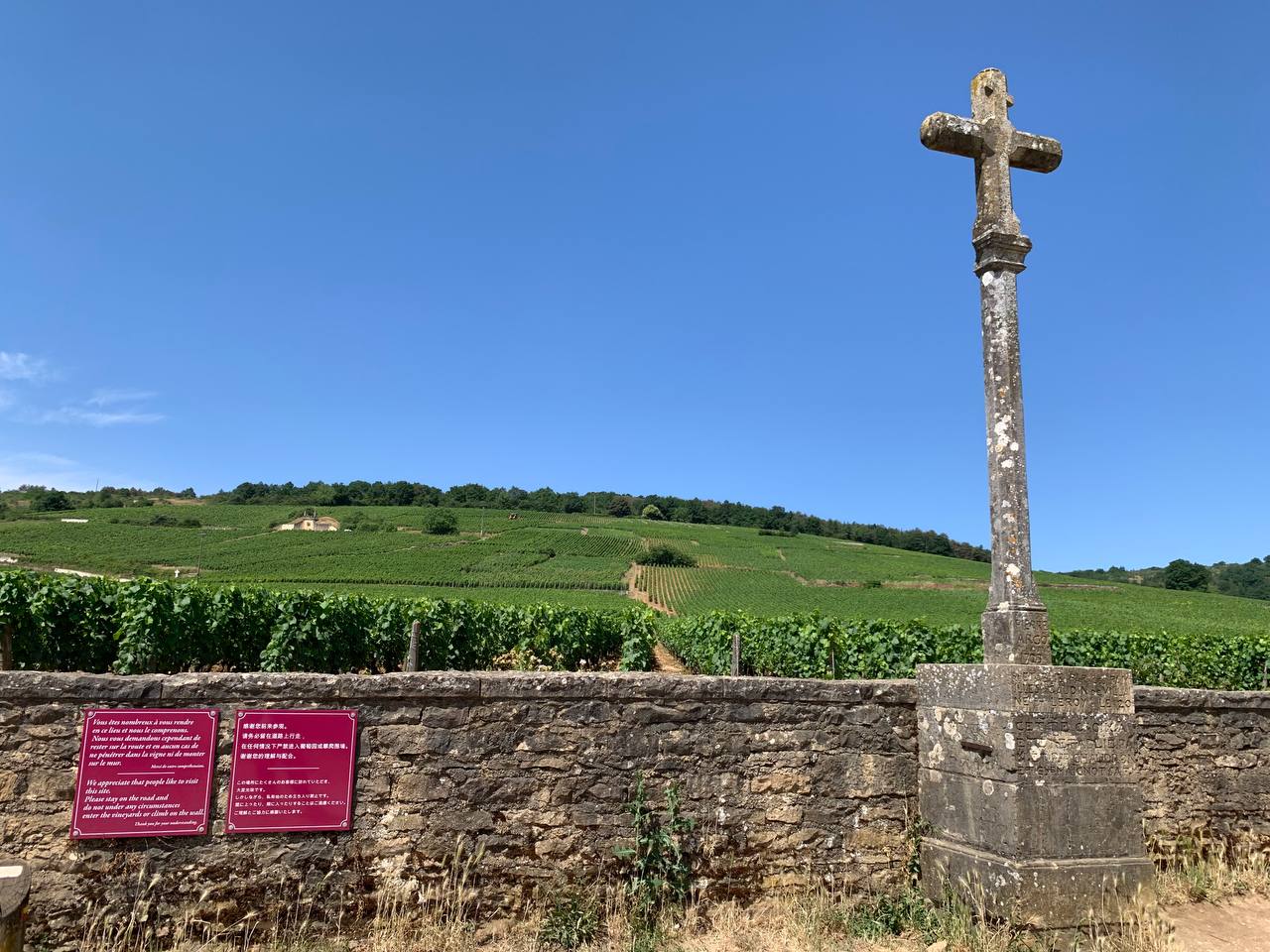
The history of Burgundy can almost be felt beneath one’s feet. Nowhere is this more apparent than in Vosne-Romanée, where a few hundred metres may separate an outstanding vineyard from one of the most coveted terroirs on earth. What is remarkable is that there are no ordinary sites here. Vosne-Romanée remains one of the rare places in the wine world where virtually every neighbour is a legend and where the names of the climats have long become part of wine’s global pantheon.
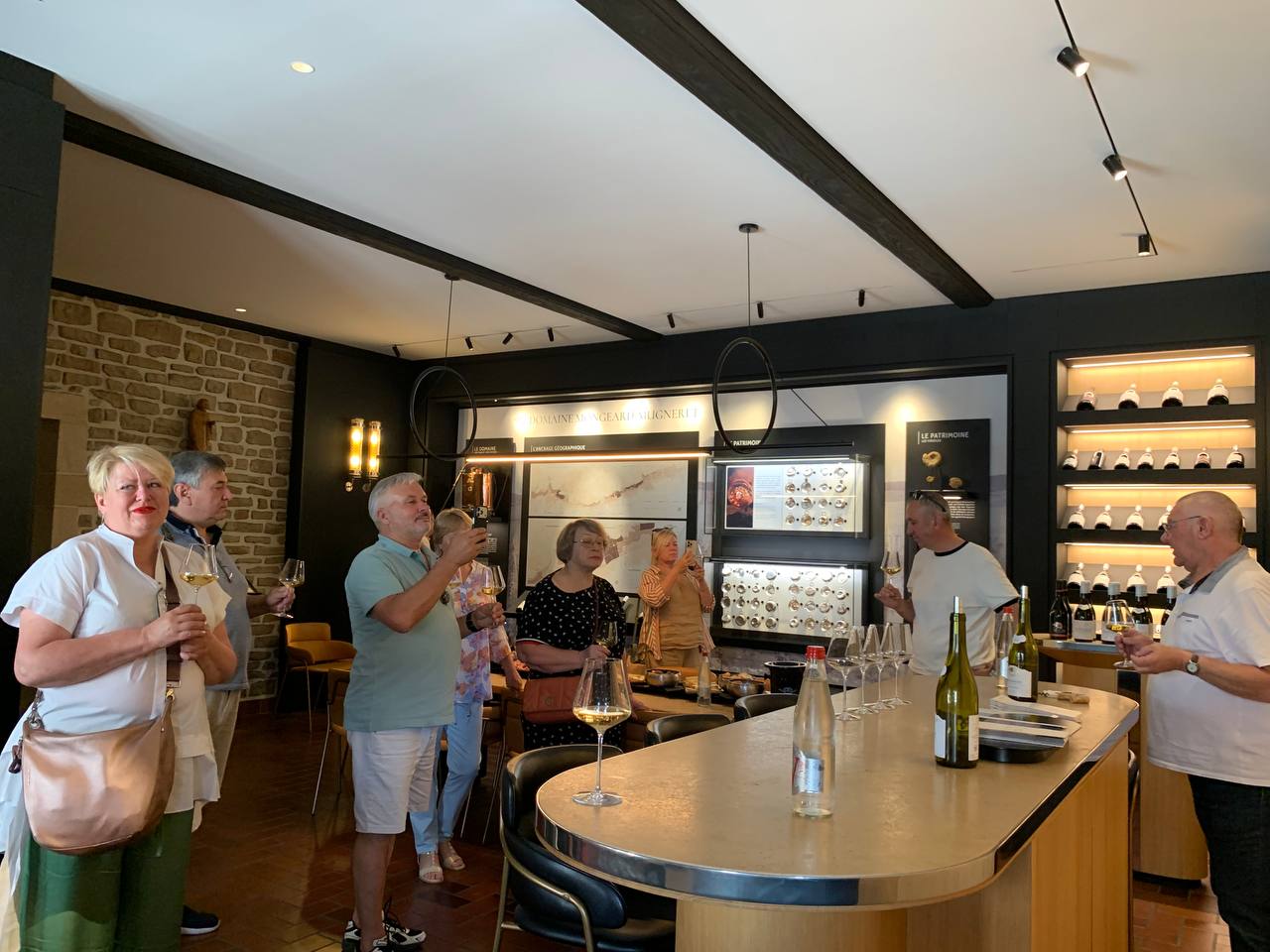
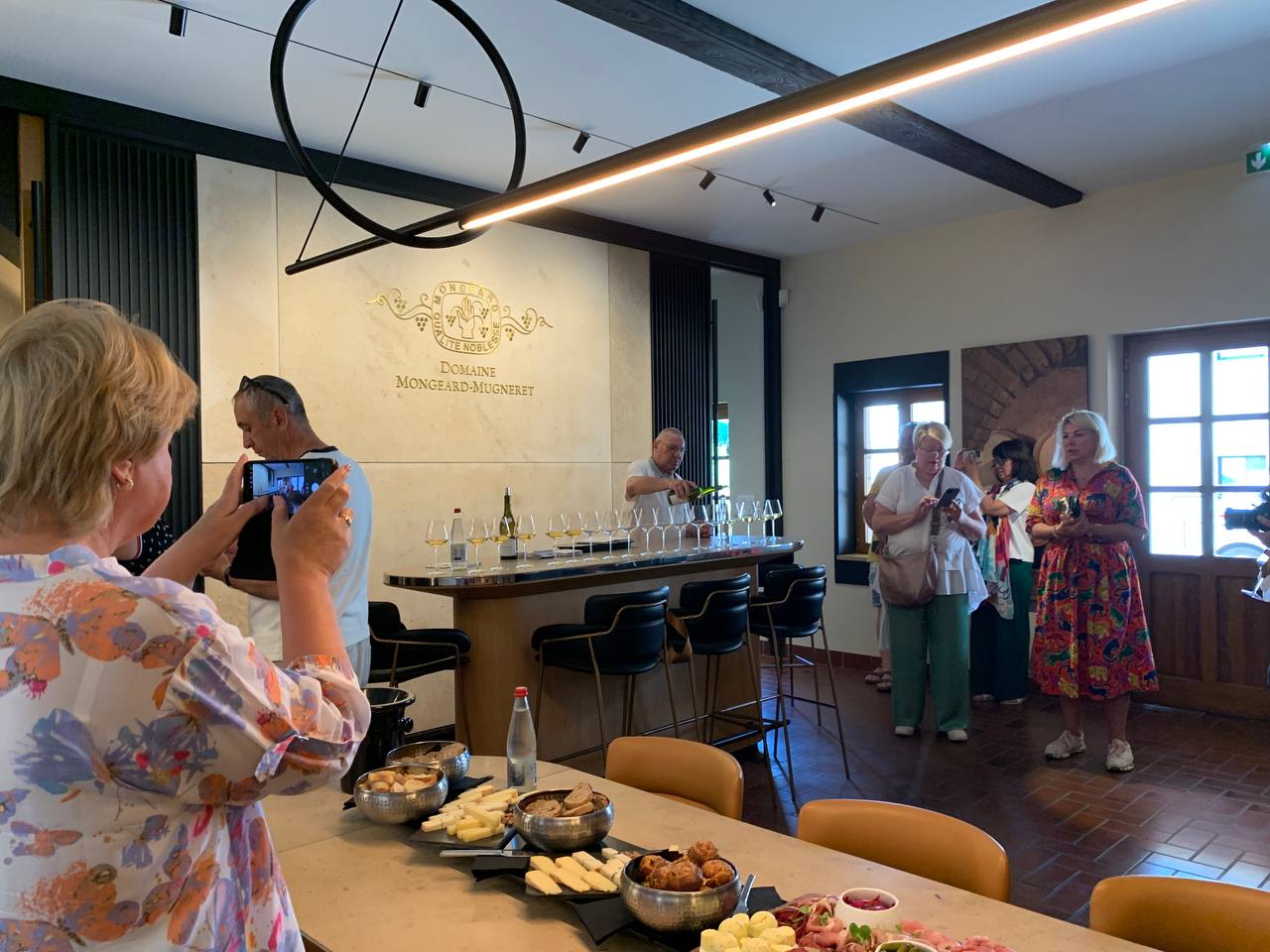
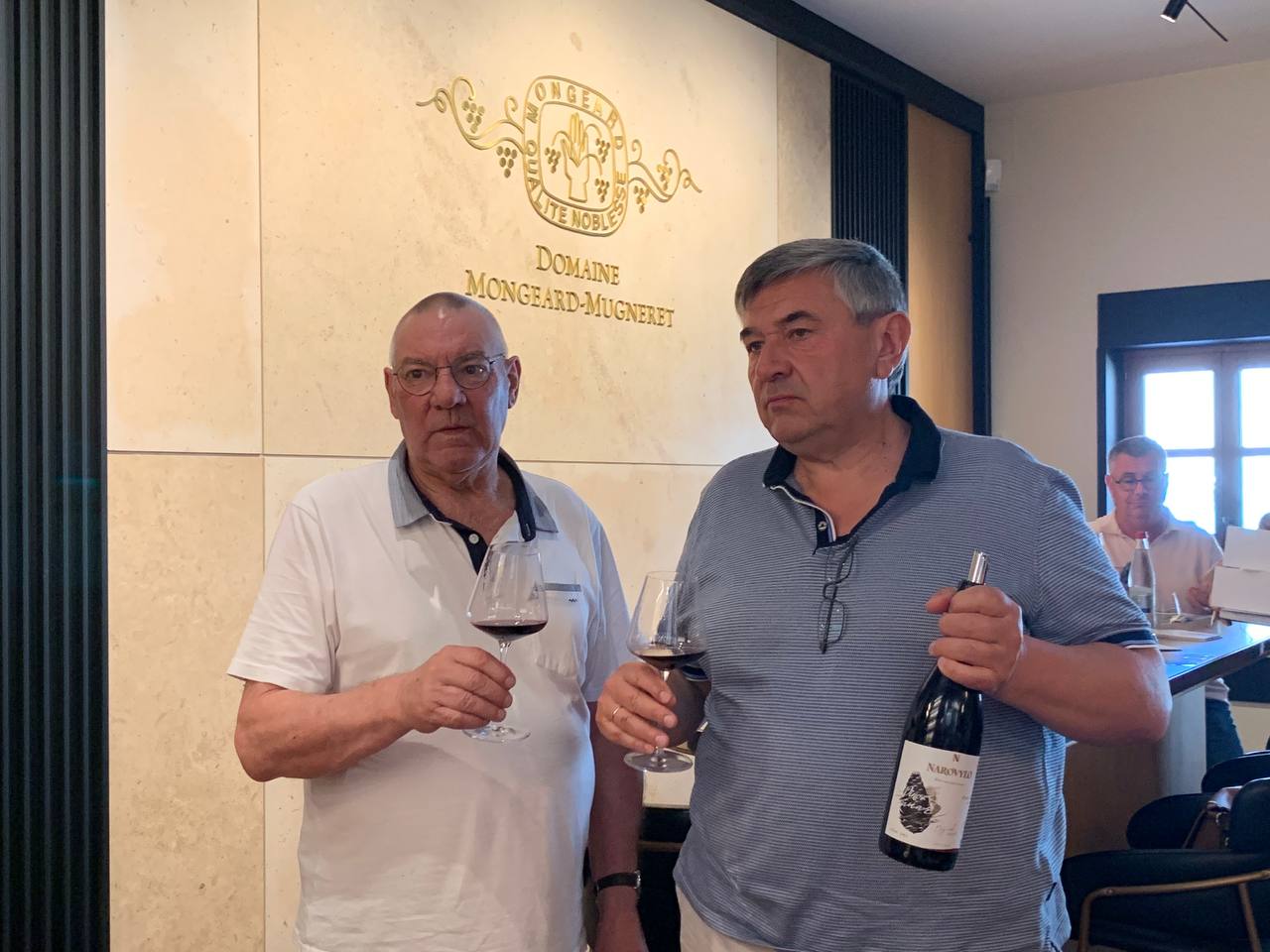
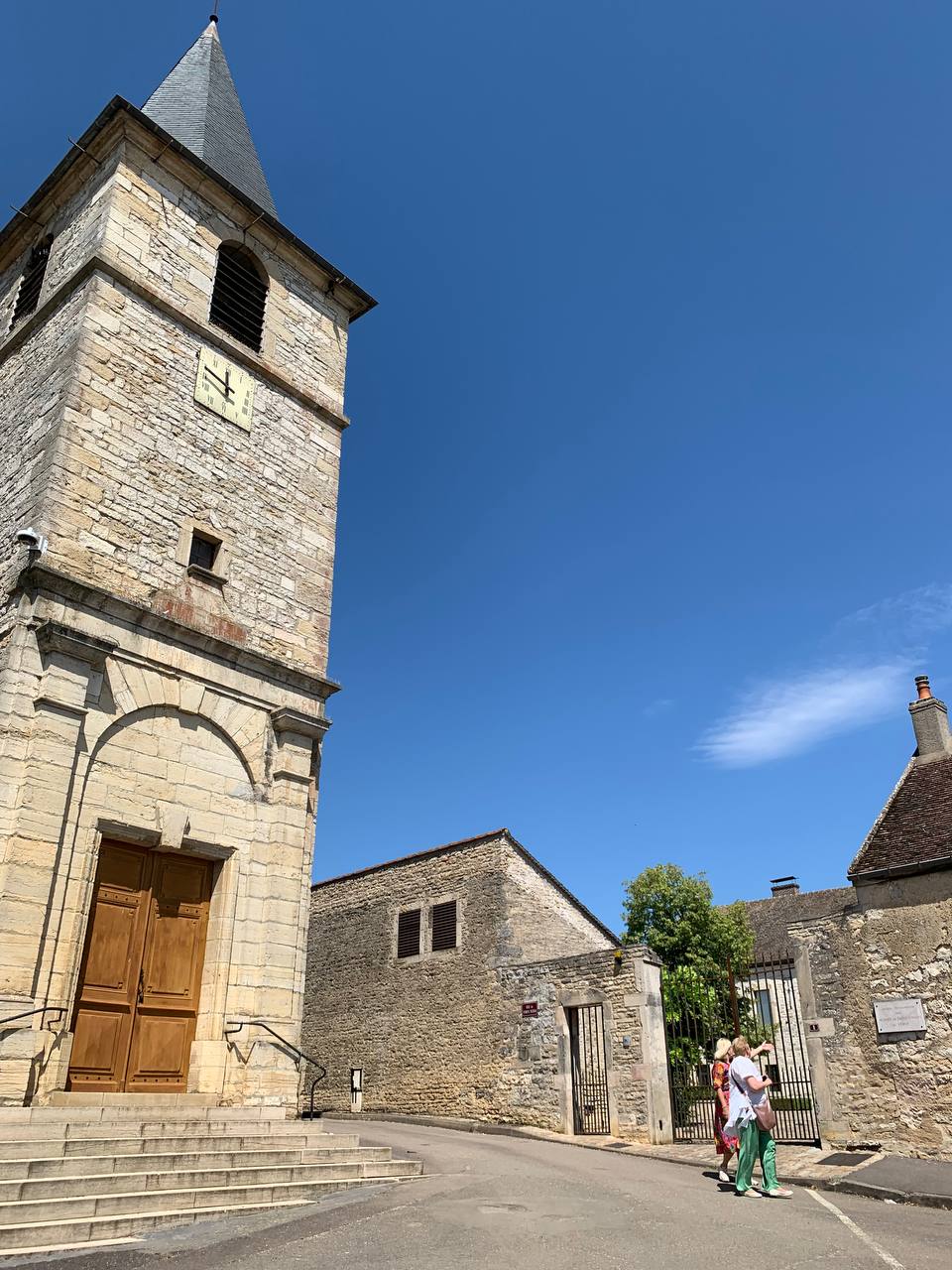
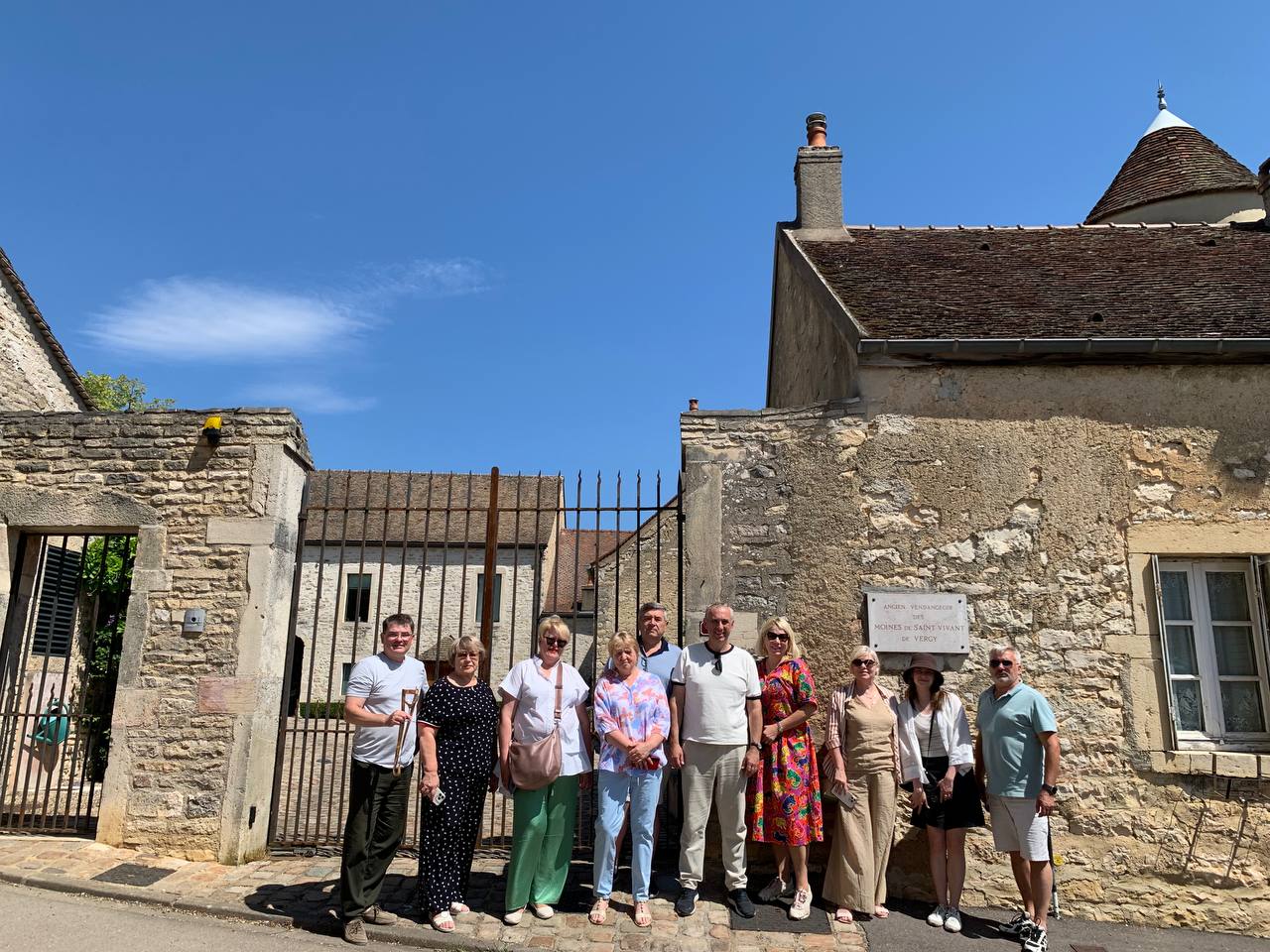
It is in this extraordinary setting that Domaine Mongeard-Mugneret is rooted. Earlier this year, our group of Ukrainian wine producers, restaurateurs and wine journalists had the opportunity to visit the estate as part of a journey through Burgundy’s most celebrated vineyards.
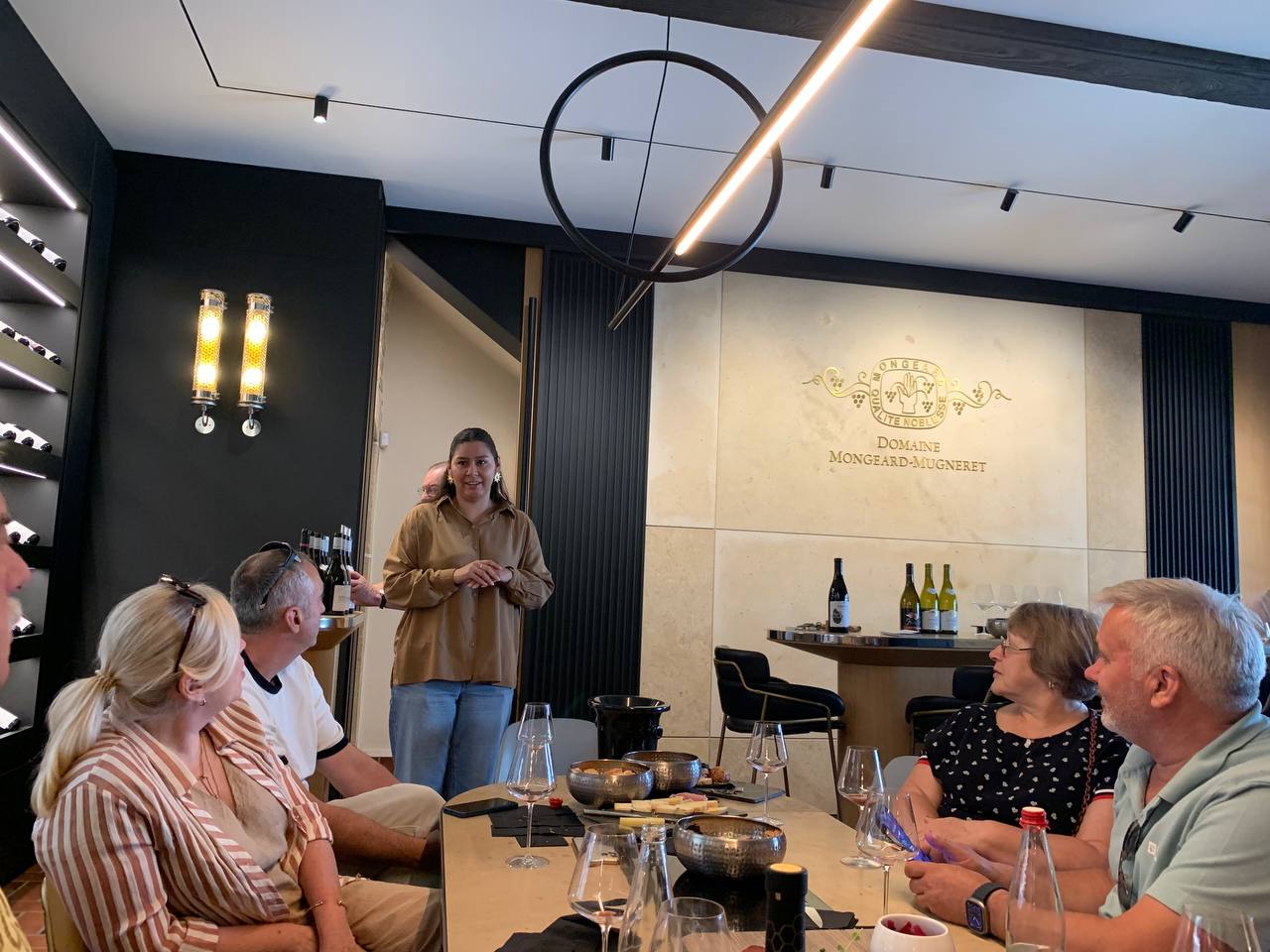
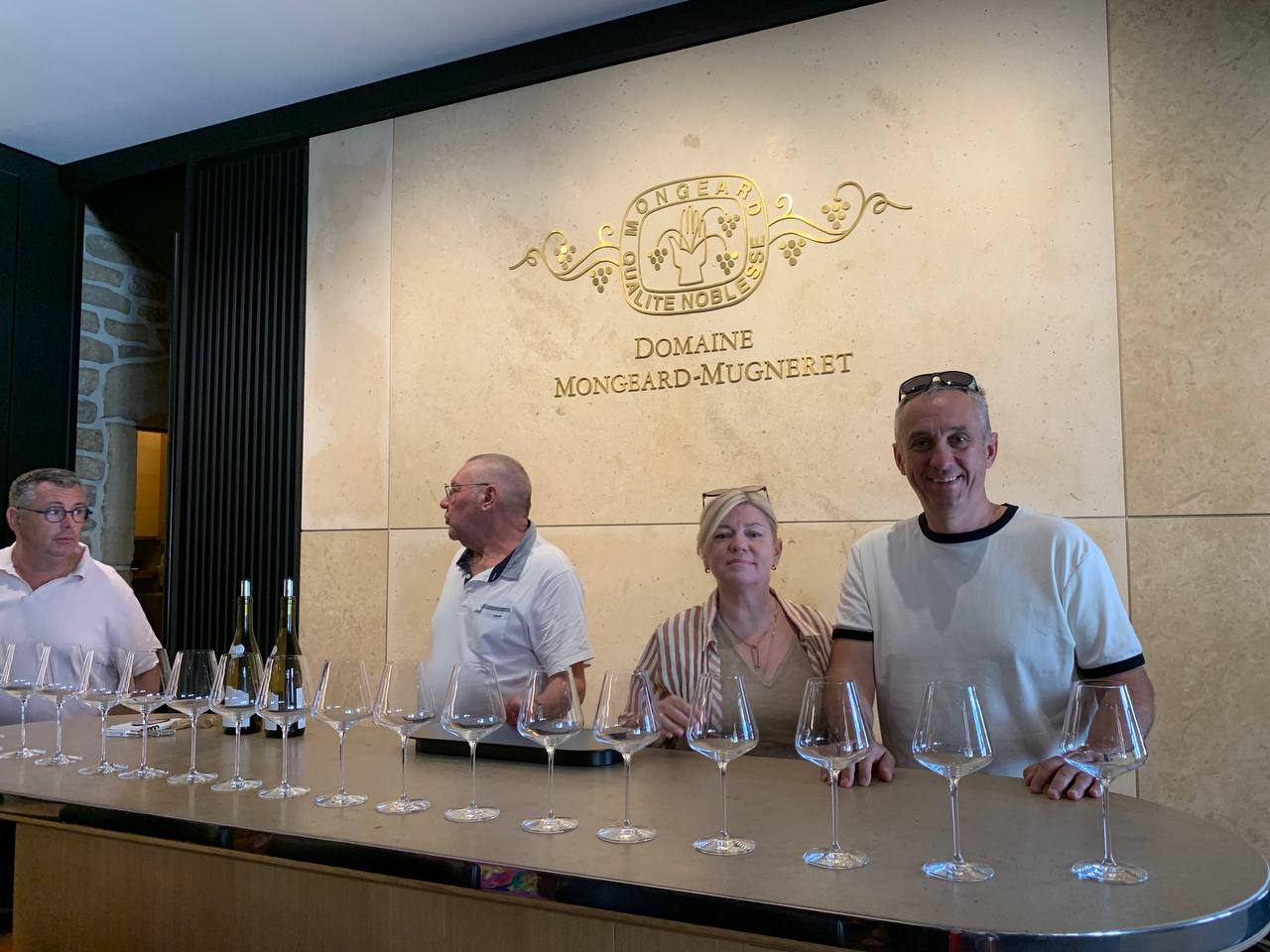
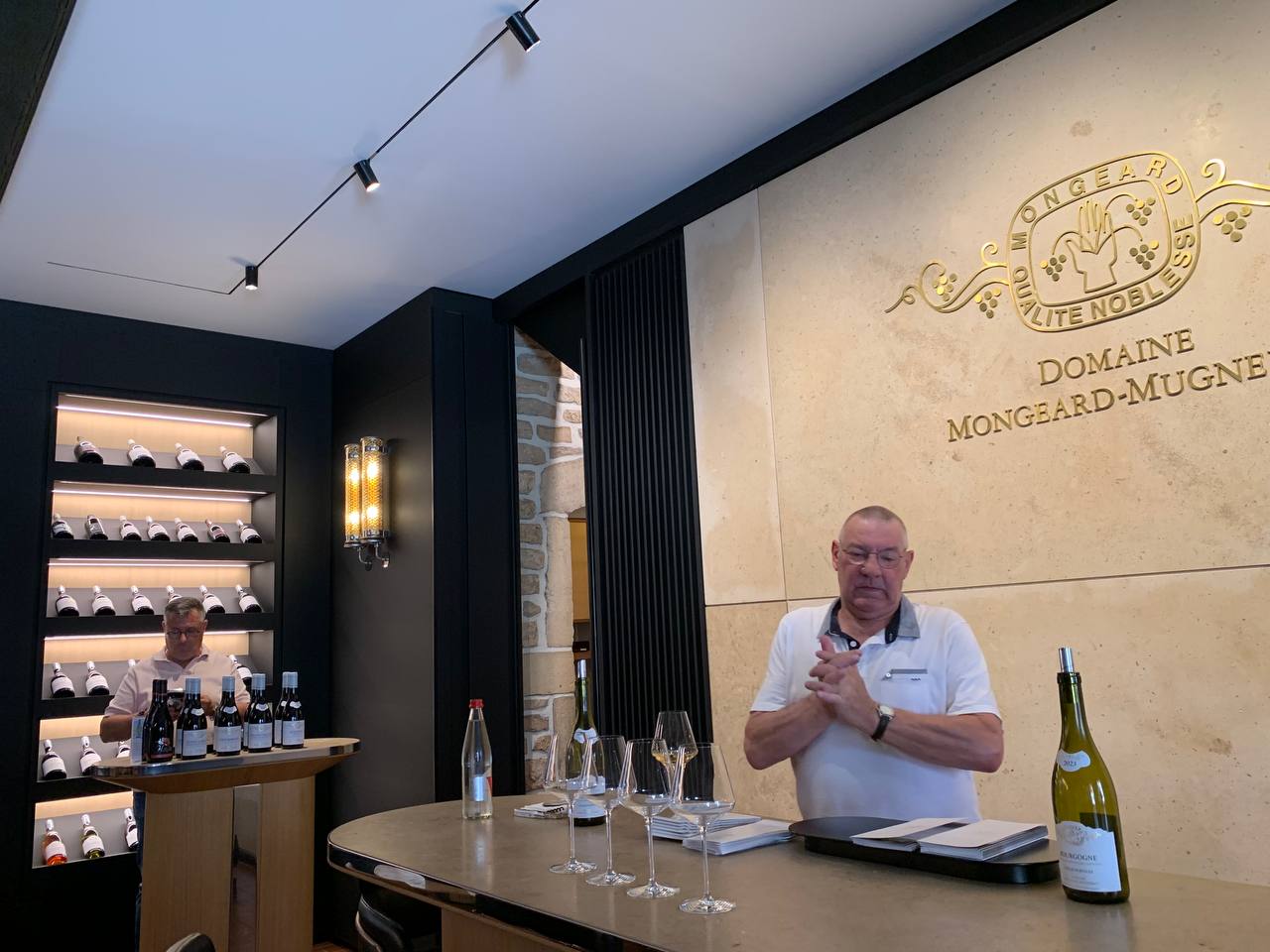
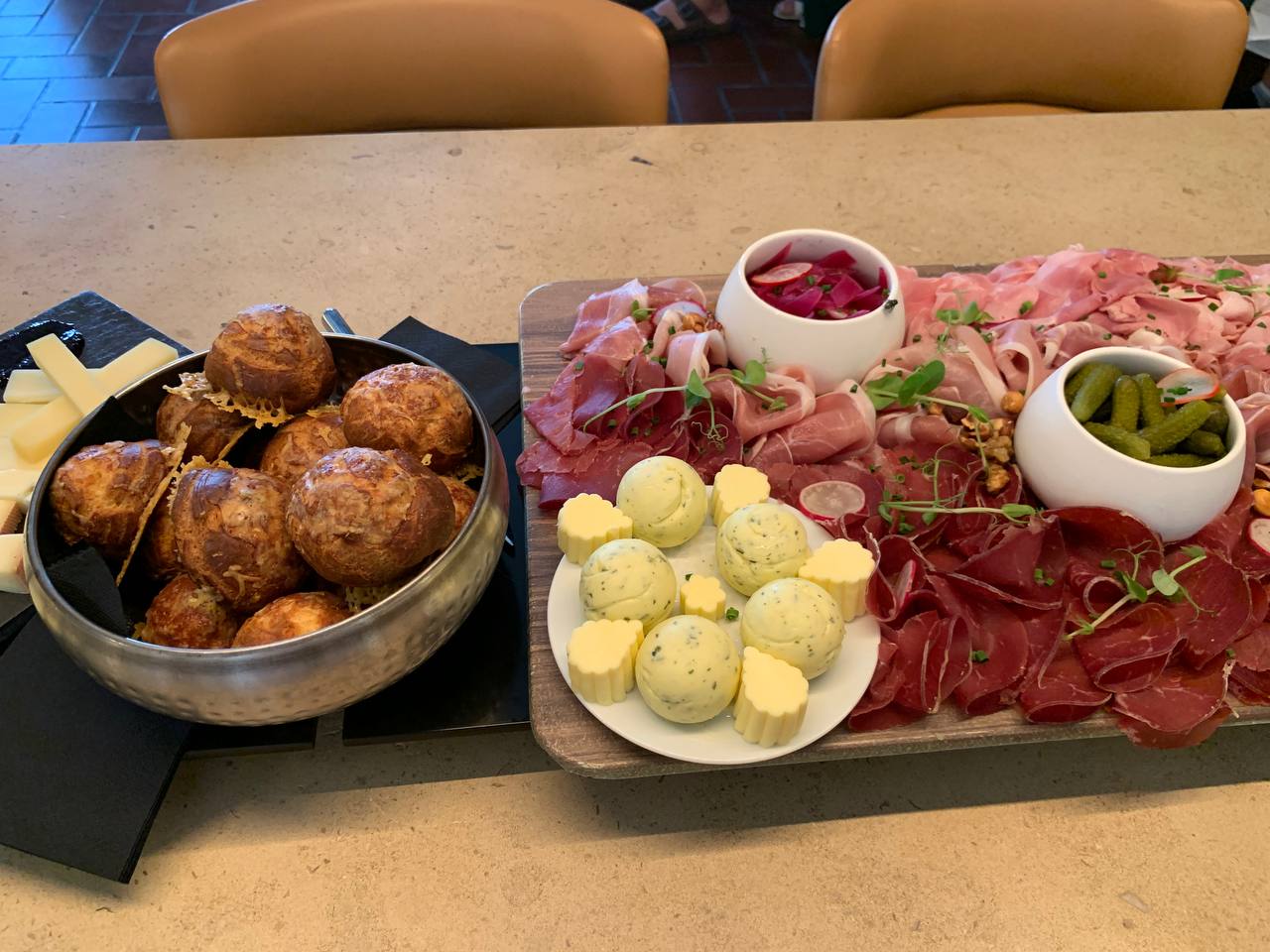
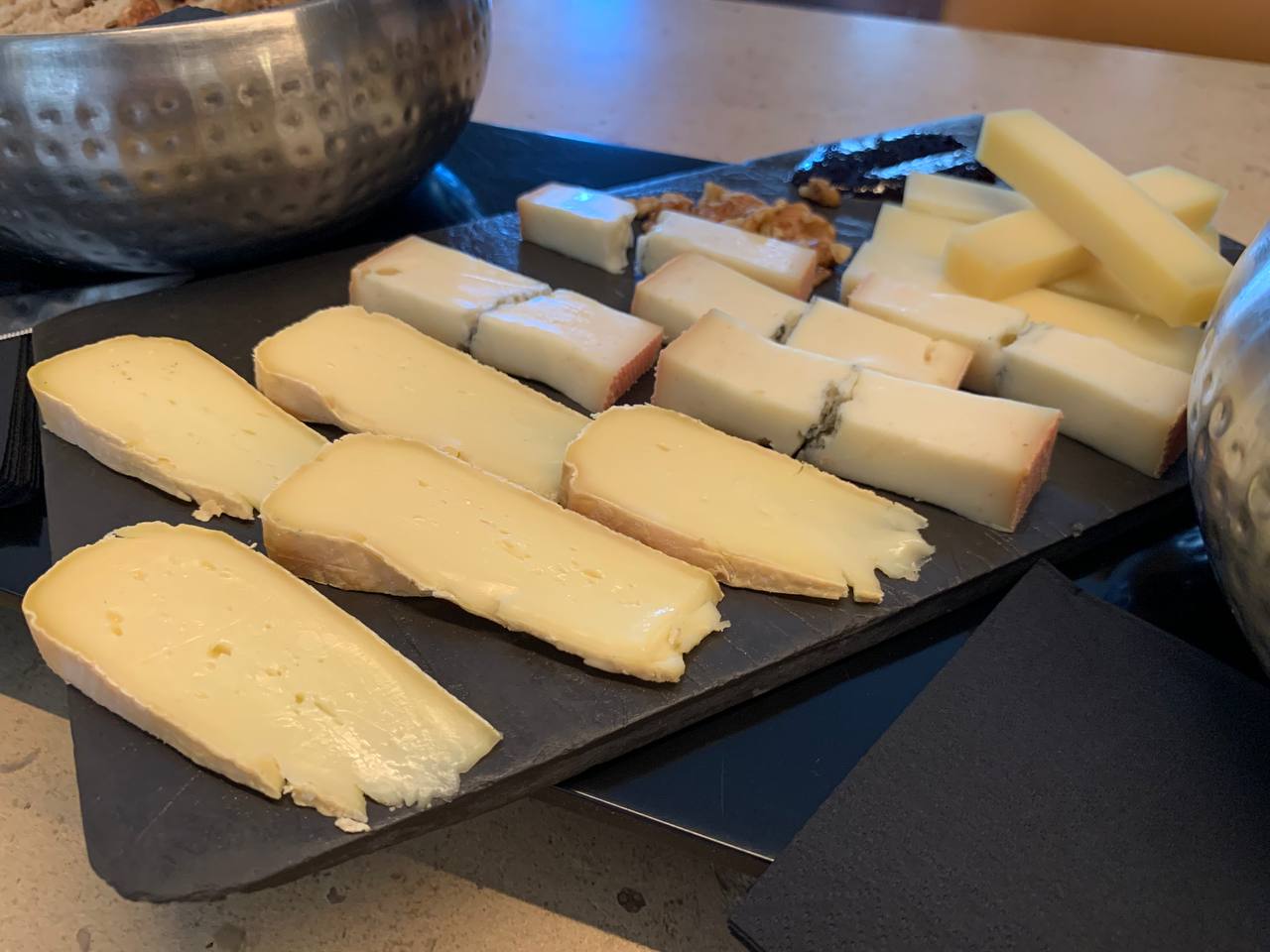
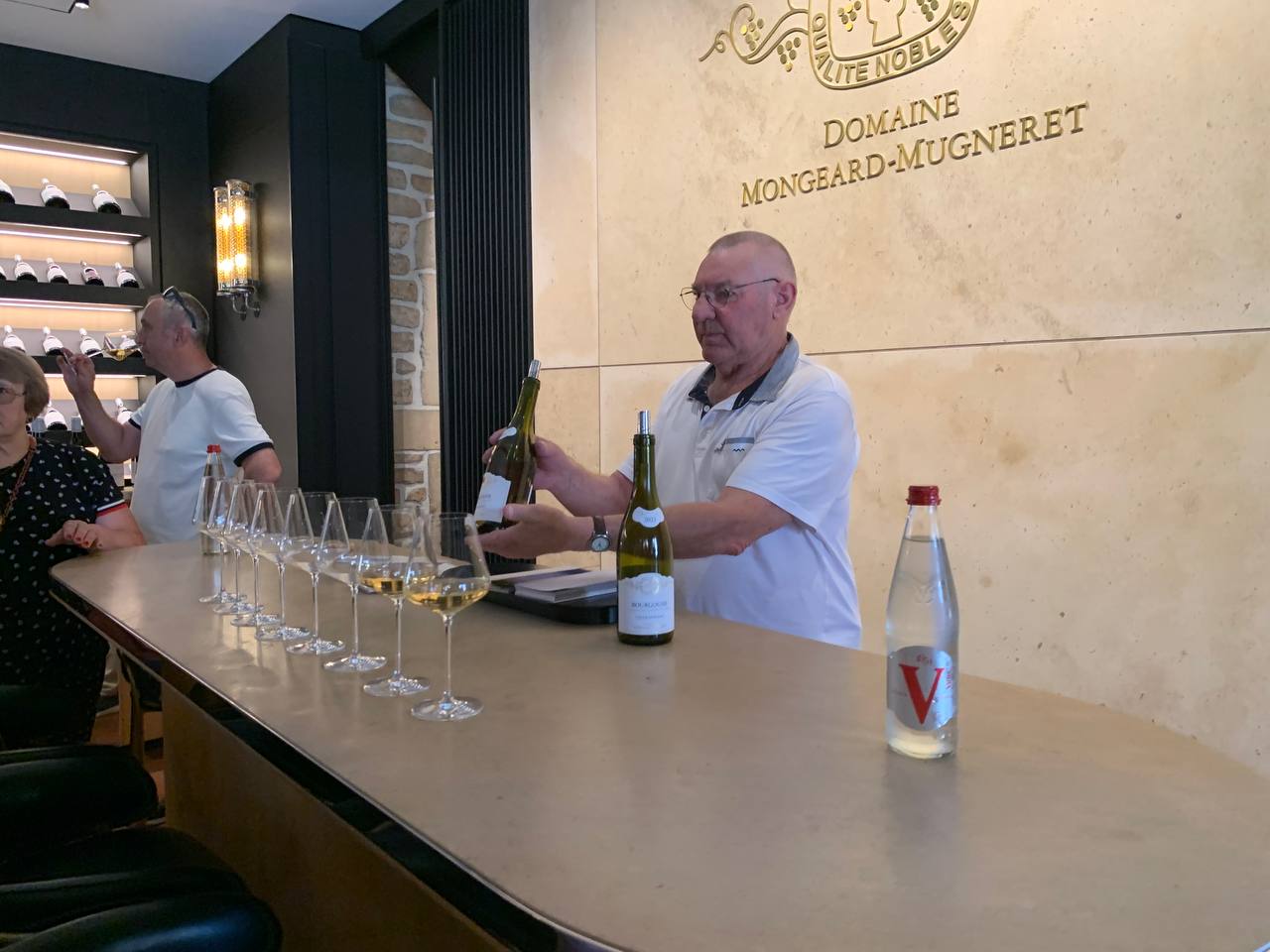
The welcome was quintessentially Burgundian: refined, generous and warmly personal. Vincent Mongeard received us himself. A comprehensive tasting, an elegant lunch and conversations about land, time and family succession revealed the estate not merely as a successful wine business, but as a living embodiment of why Burgundy continues to set the benchmark for fine wine around the world.
The story of Domaine Mongeard-Mugneret stretches back to 1620 and today spans eight generations. The modern estate took shape following the marriage of Eugène Mongeard and Edmée Mugneret in 1920, uniting two distinguished Burgundian winegrowing families. Today the domaine farms close to 30 hectares across 37 appellations, from regional Burgundy to some of the Côte d’Or’s most sought-after Grand Crus, including Richebourg, Grands Échezeaux, Échezeaux and Clos de Vougeot. This remarkable mosaic of vineyards has made Mongeard-Mugneret one of the most significant family-owned domaines in the Côte de Nuits.
For Vincent Mongeard, the defining word remains terroir. A statement that appears throughout the estate’s literature serves almost as a manifesto: ‘Our wines draw their essence from the land, yet it is the careful craftsmanship of the winemaker that allows their finest expression and reveals their true character. It is this pursuit of excellence that gives our wines their elegant, refined, harmonious and authentic style.’
This philosophy explains much of what makes Mongeard-Mugneret distinctive. The estate strikes a palpable balance between heritage and evolution. The family continues to preserve its own historic massal selection known as Pinot Mongeard, farms according to High Environmental Value (HVE) principles, protects the natural ecosystems surrounding its vineyards and is already preparing the next chapter. Vincent speaks with evident pride about sharing his knowledge with his grandson, Maxence Mongeard, who represents the future generation of the domaine.
Particularly noteworthy is the family’s work with its own Pinot Noir plant material. Unlike modern clonal selection, where new vineyards are established from standardised nursery clones, Domaine Mongeard-Mugneret continues to rely in part on sélection massale. The principle is simple yet profound: cuttings are taken from the estate’s finest old vines and propagated for future plantings.
Over generations, this approach has helped preserve the genetic diversity accumulated within the vineyards, while maintaining a direct link between young vines and the historical identity of the terroir. In Burgundy, sélection massale has long since ceased to be merely a viticultural technique. It is increasingly regarded as a means of preserving the genetic memory of a vineyard. That is why many of the historic domaines of the Côte de Nuits continue to work with their own vine material rather than relying exclusively on commercial clones.
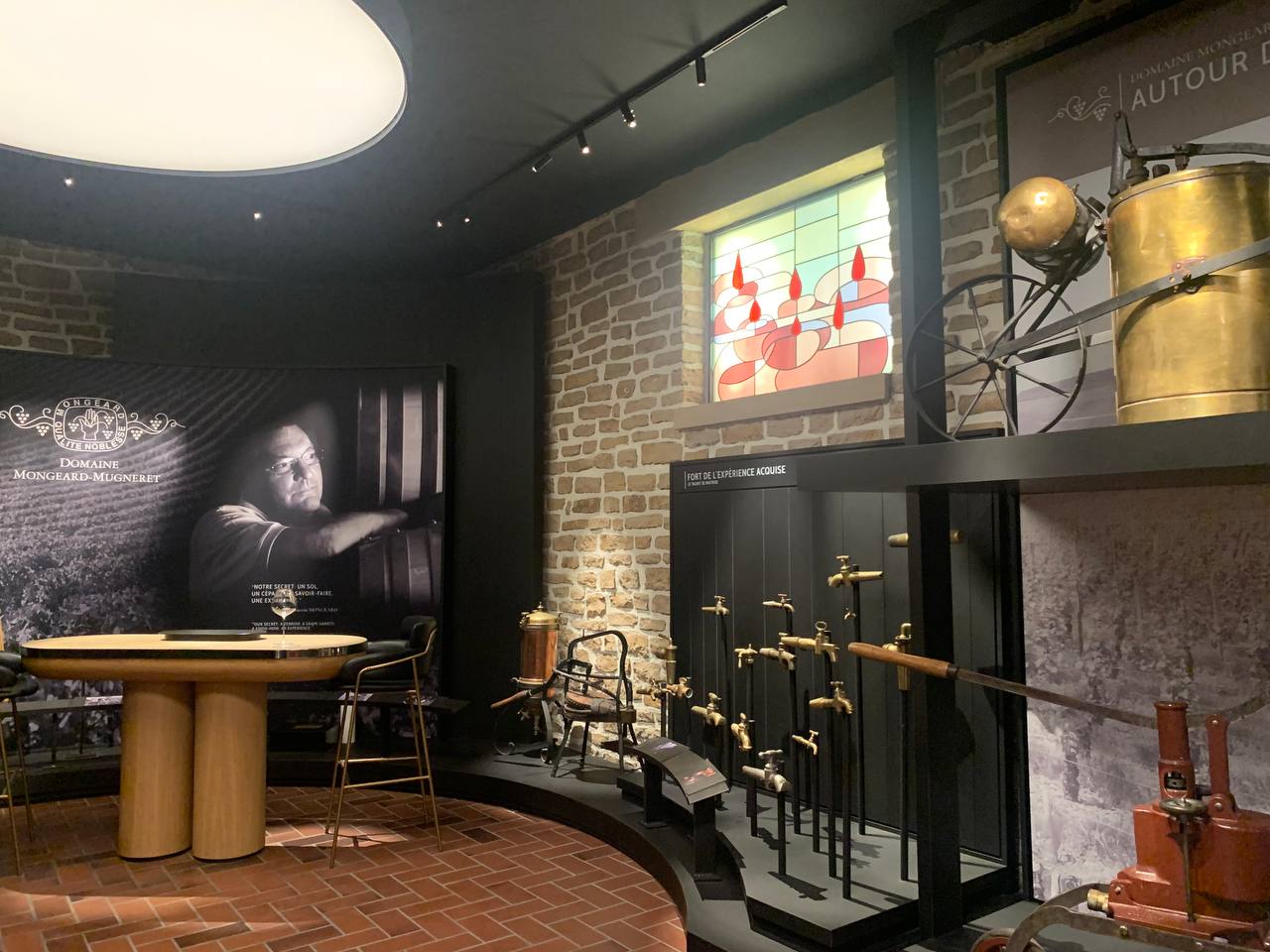
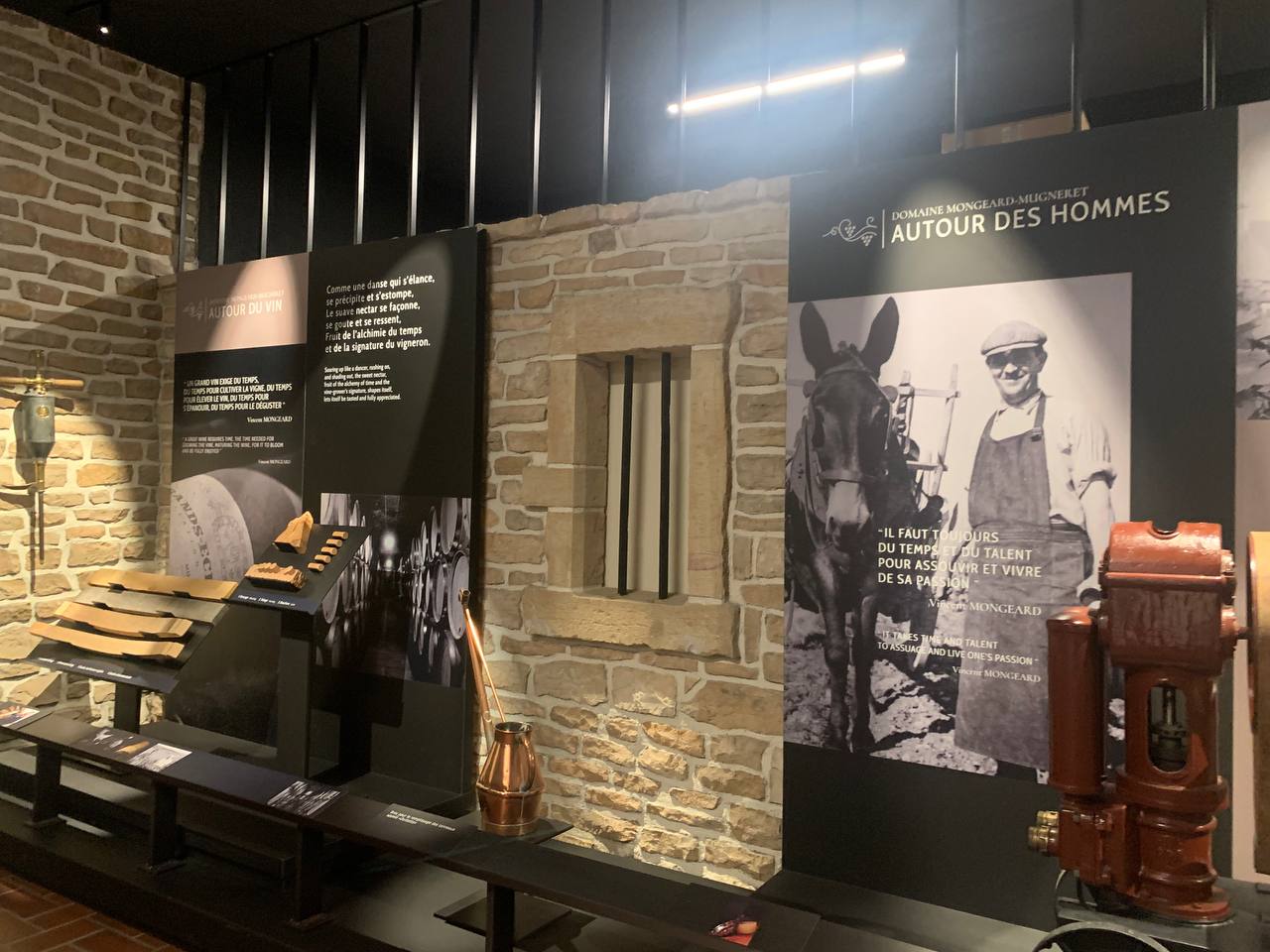
For family estates such as Mongeard-Mugneret, this is more than an agronomic choice; it is a form of cultural inheritance. The domaine even speaks of its own “Pinot Mongeard”, not as a distinct variety or registered clone, but as a unique genetic pool of Pinot Noir shaped by centuries of family selection. At a time when many of the world’s great vineyards are moving towards increasing uniformity, such an approach feels almost like an act of conservation. What is being preserved is not merely plant material, but the living memory of a place. Each generation of the Mongeard family continues a dialogue with vines whose lineage reaches back through decades, and in some cases centuries, of cultivation.
Yet even without delving into the technical details of viticulture and winemaking, Mongeard-Mugneret immediately impresses as one of Burgundy’s jewels. The stature of the domaine becomes self-evident when one considers its neighbours.
The estate’s most prized holdings lie at the very heart of Vosne-Romanée’s most revered terroirs. Its parcel in Richebourg borders the legendary Romanée-Conti, while its holdings in Grands Échezeaux and Échezeaux sit alongside vineyards farmed by Domaine de la Romanée-Conti. For winegrowers, sommeliers and collectors alike, few addresses in the wine world carry greater significance.
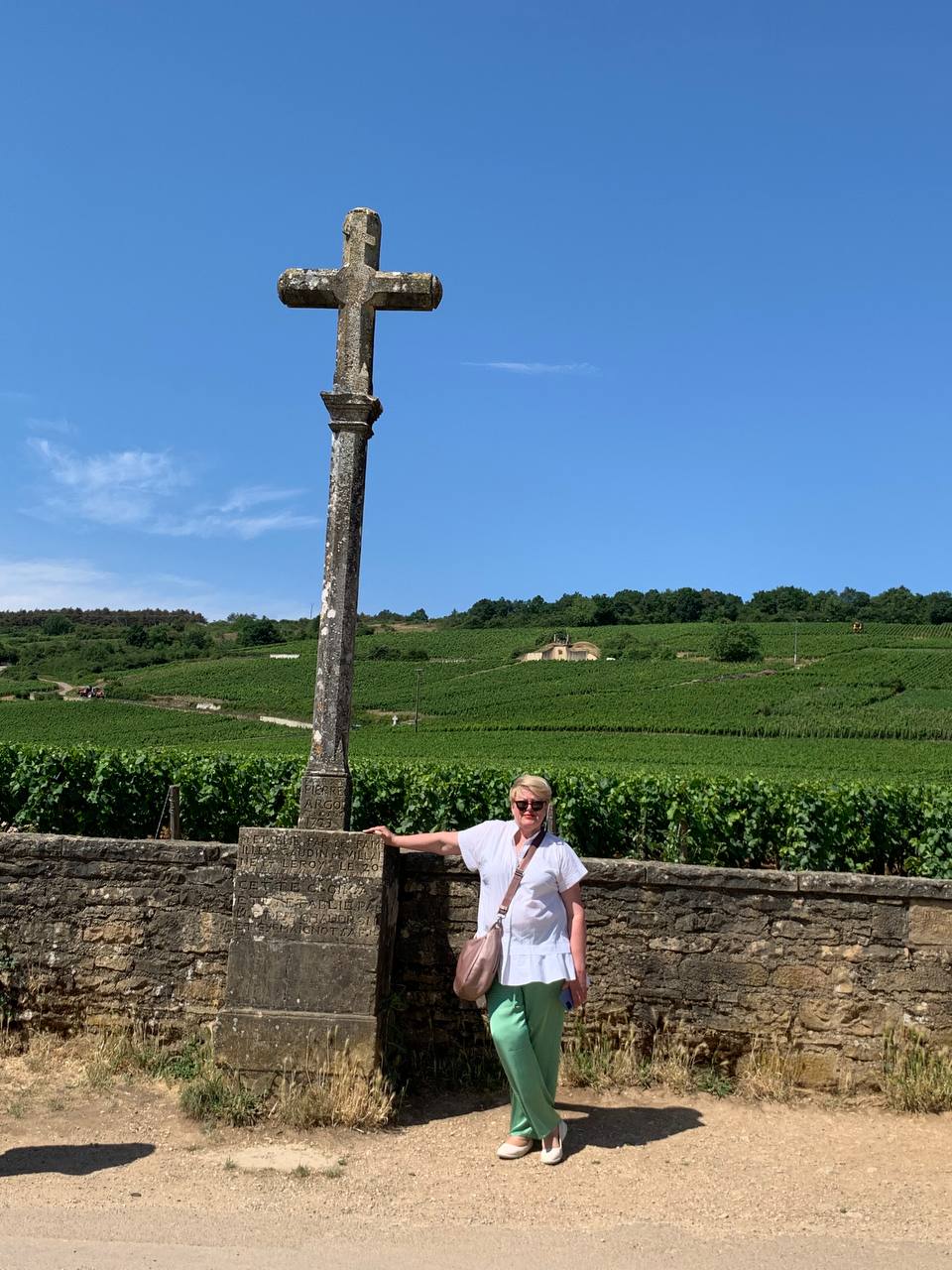
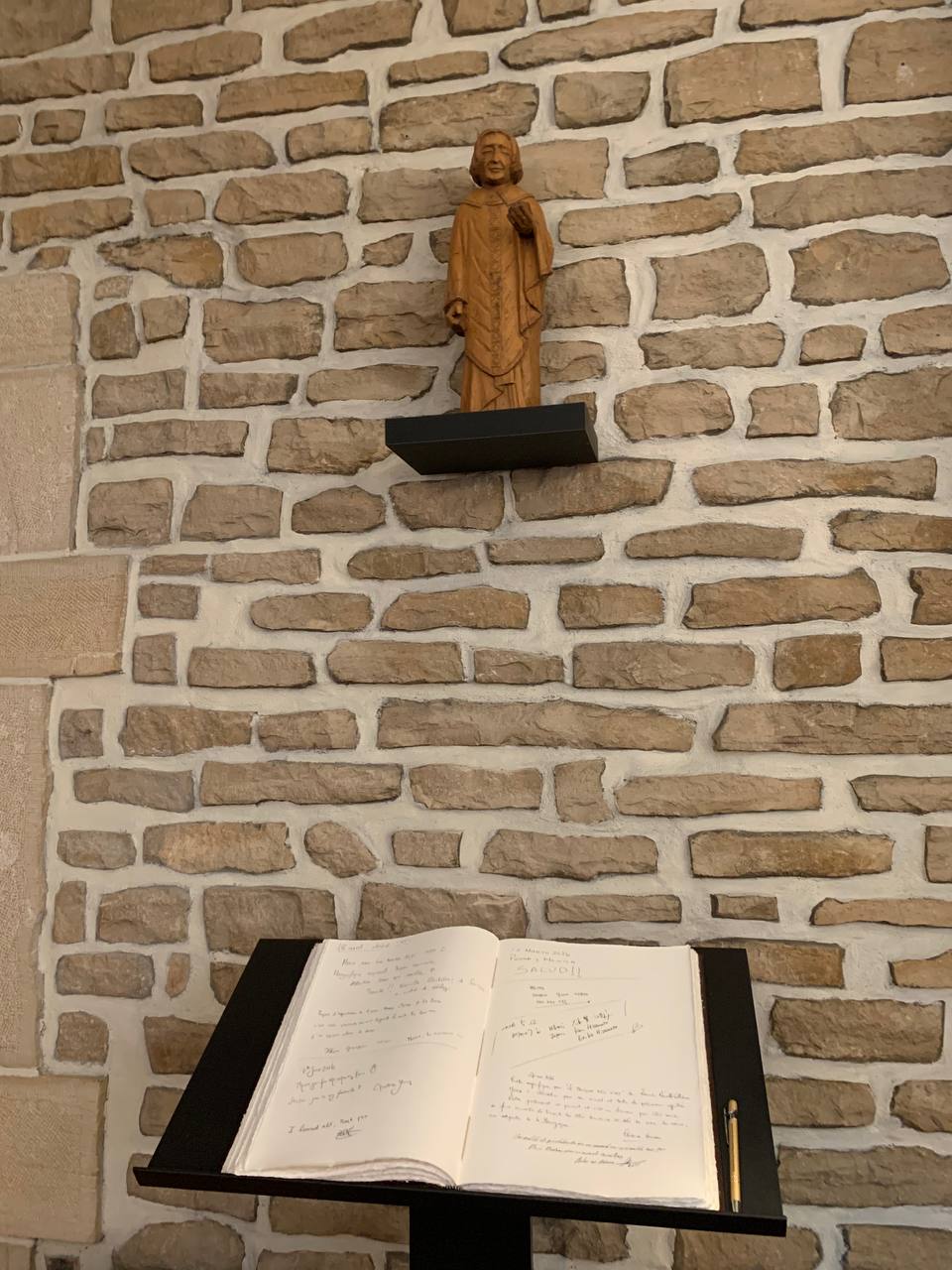
What makes Mongeard-Mugneret particularly compelling, however, is that it has never attempted to become “another DRC”. Its wines speak in a voice of their own.
As Vincent Mongeard puts it: “I am a winemaker. Everything begins in the vineyard. I know every parcel, every row. Yet once the grapes have been harvested, another stage begins: guiding the wine and allowing it to develop at its own pace. In that respect, I follow my own path.”
In many ways, the domaine represents a masterclass in Pinot Noir. The family’s intuitive understanding of the variety appears almost hereditary. Fermentation begins naturally after several days of cold pre-fermentation maceration and generally lasts around twelve days. Demanding no less of himself than of the grape, Vincent Mongeard personally oversees every cuvée. At pressing, it is his palate that determines the proportion of new oak each wine will receive.
Where some contemporary producers pursue ever greater delicacy and weightlessness, the style of Mongeard-Mugneret remains unapologetically classical: concentrated fruit, depth, structural precision, the spice and sensuality that define Vosne-Romanée, and an unquestionable capacity for ageing.
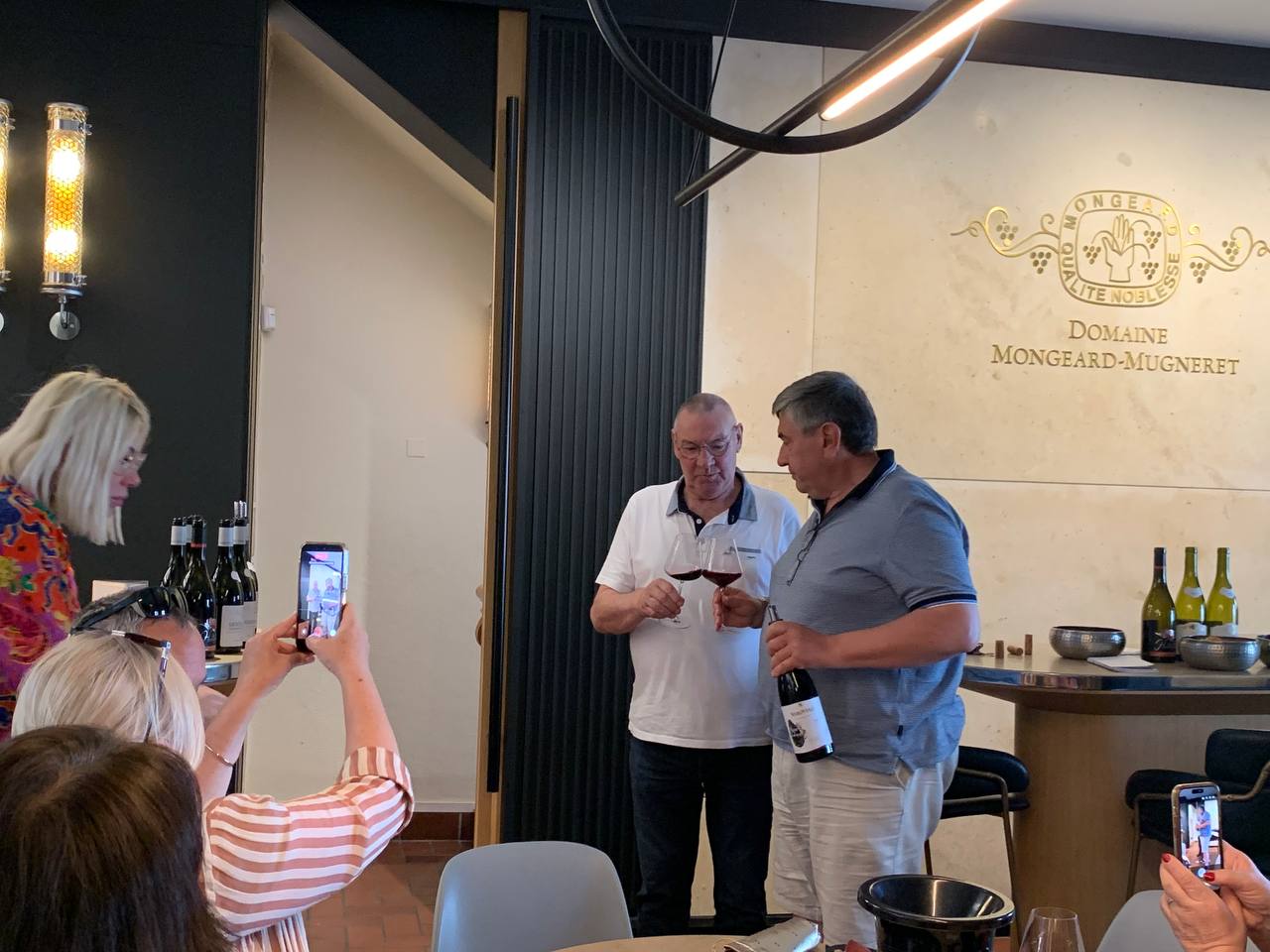
To understand the character of the wines, another observation from Vincent Mongeard is revealing: “From father to son, our wines have always matured in oak barrels, and I continue that tradition with the utmost care. For me, wood has never been merely a vessel. I seek to understand its character and to reveal its finest qualities.
That is why I regularly visit the forests of Tronçais, Bertranges and Châtillon, where I personally select the oak for our barrels. I look for the finest grain, wood that will accompany a wine rather than dominate it. Such oak allows the gentlest oxygen exchange and contributes the most refined tannins, enabling the terroir to speak in its own voice.”
Recent tastings suggest that the domaine has excelled in vintages such as 2019, 2020, 2022 and 2023, combining the generosity of warm growing seasons with the refinement expected of great Vosne-Romanée and with Vincent Mongeard’s particularly accomplished use of oak. At auction, meanwhile, vintages such as 2010, 2015 and 2019 have achieved some of the strongest performances among the domaine’s Grand Cru wines.
That reputation is reflected not only in the wines themselves, but increasingly in the value of the land beneath the vines.
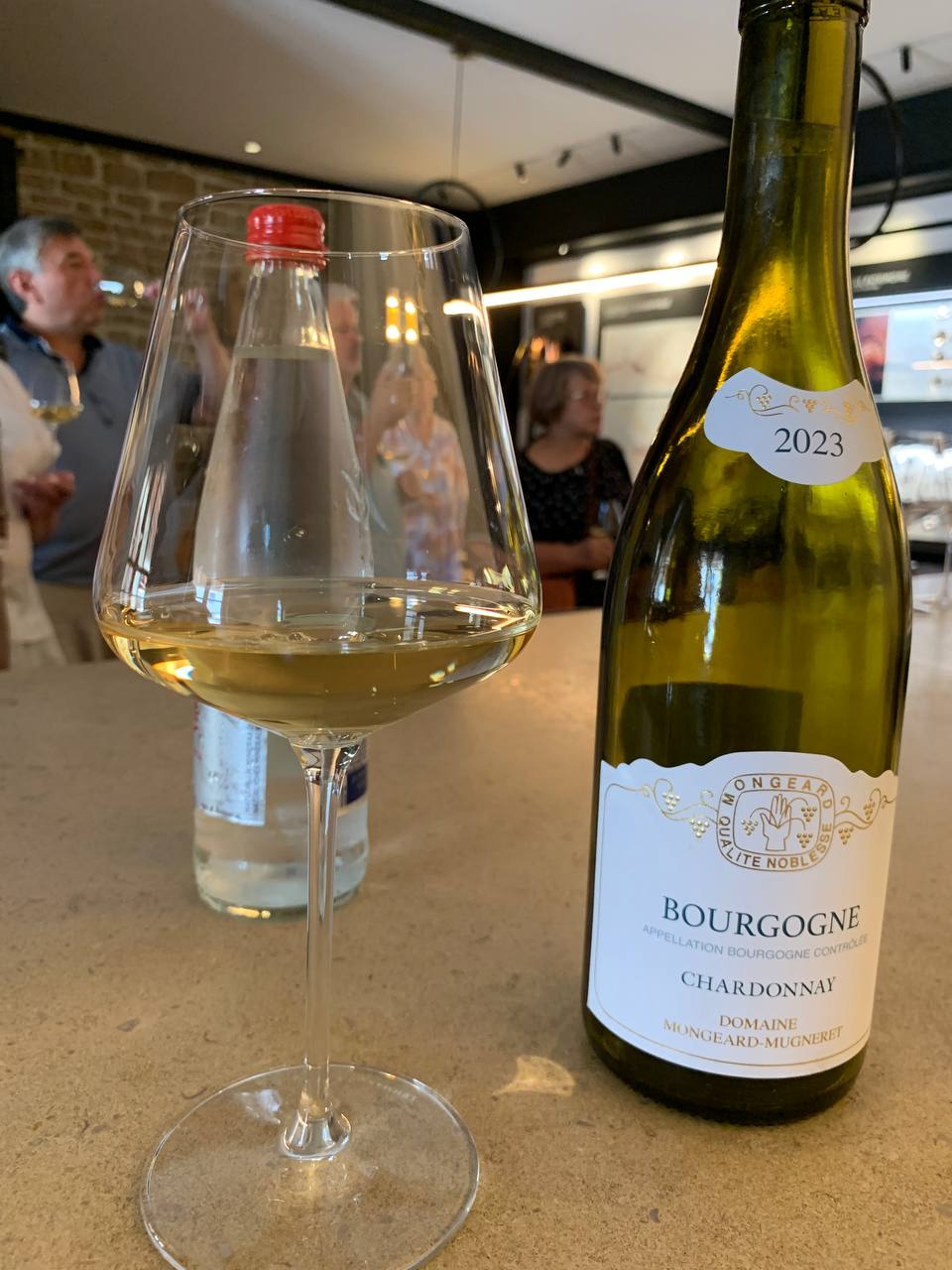
Coincidentally, it was during our visit to Burgundy in June 2026 that rumours began circulating about a possible sale of Domaine Mongeard-Mugneret. Industry reports suggested a valuation exceeding €360 million, while some publications speculated that major luxury groups, including LVMH, Artémis (Pinault), Chanel and AXA, might be among the interested parties.
The family’s response was immediate and unequivocal. The domaine publicly stated that it was not for sale, had never been offered for sale and remained firmly committed to its future as an independent family estate.
Nevertheless, the emergence of such figures says much about the contemporary status of vineyard property in Vosne-Romanée and, more broadly, throughout Burgundy.
Only a generation ago, vineyards were still viewed primarily as agricultural land. Today, the finest Grand Cru sites of Burgundy are increasingly regarded as some of the world’s most exclusive luxury assets. Their value is often discussed alongside rare works of art, collectible automobiles and prime real estate in the world’s most prestigious locations.
Recent market data illustrate the extraordinary trajectory of Burgundian land values. By 2025, vineyard prices in the Côte de Nuits had reached levels once considered unimaginable. Village-level Côte de Nuits Rouge vineyards were valued at approximately €925,000 per hectare. Premier Cru Rouge vineyards approached €1.15 million per hectare, while Premier Cru Blanc parcels were estimated at around €2.7 million per hectare. The last published average valuation for Grand Cru vineyards in the Côte d’Or stood close to €9 million per hectare, although transactions involving the region’s most celebrated sites are so rare that any reported figure should be treated with caution.
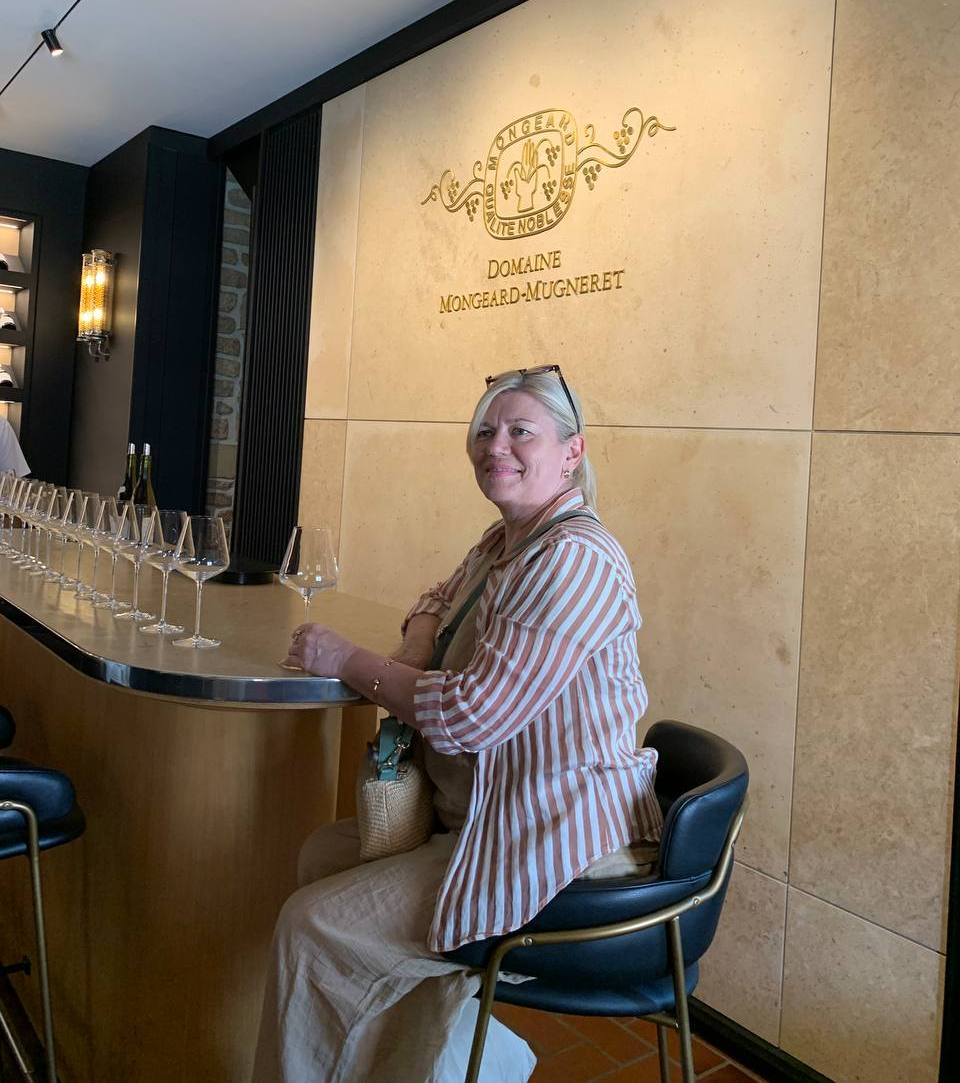
What is clear is that Burgundy today behaves less like a traditional agricultural market and more like a luxury market driven by scarcity, reputation and long-term collectability.
Yet even within this rarefied universe, Romanée-Conti occupies a category of its own.
The vineyard covers barely 1.8 hectares and exists as a monopole, entirely controlled by Domaine de la Romanée-Conti. There is effectively no open market for such land, and comparisons with conventional vineyard transactions quickly become meaningless. Most specialists regard Romanée-Conti as a virtually priceless asset, one whose theoretical value remains impossible to calculate with any precision.
This context helps explain why Domaine Mongeard-Mugneret attracts attention well beyond the circles of wine collectors and Burgundy enthusiasts. Situated in the very heart of Vosne-Romanée, between Romanée-Conti and Richebourg and within immediate reach of Grands Échezeaux and Échezeaux, the estate occupies some of the most coveted vineyard real estate on earth.
Yet its significance extends beyond geography alone. Mongeard-Mugneret remains one of the relatively few substantial family-owned domaines in Vosne-Romanée that has retained its independence despite intense interest from investors and luxury groups. In an era of increasing consolidation throughout the fine-wine world, that independence has become a value in itself.
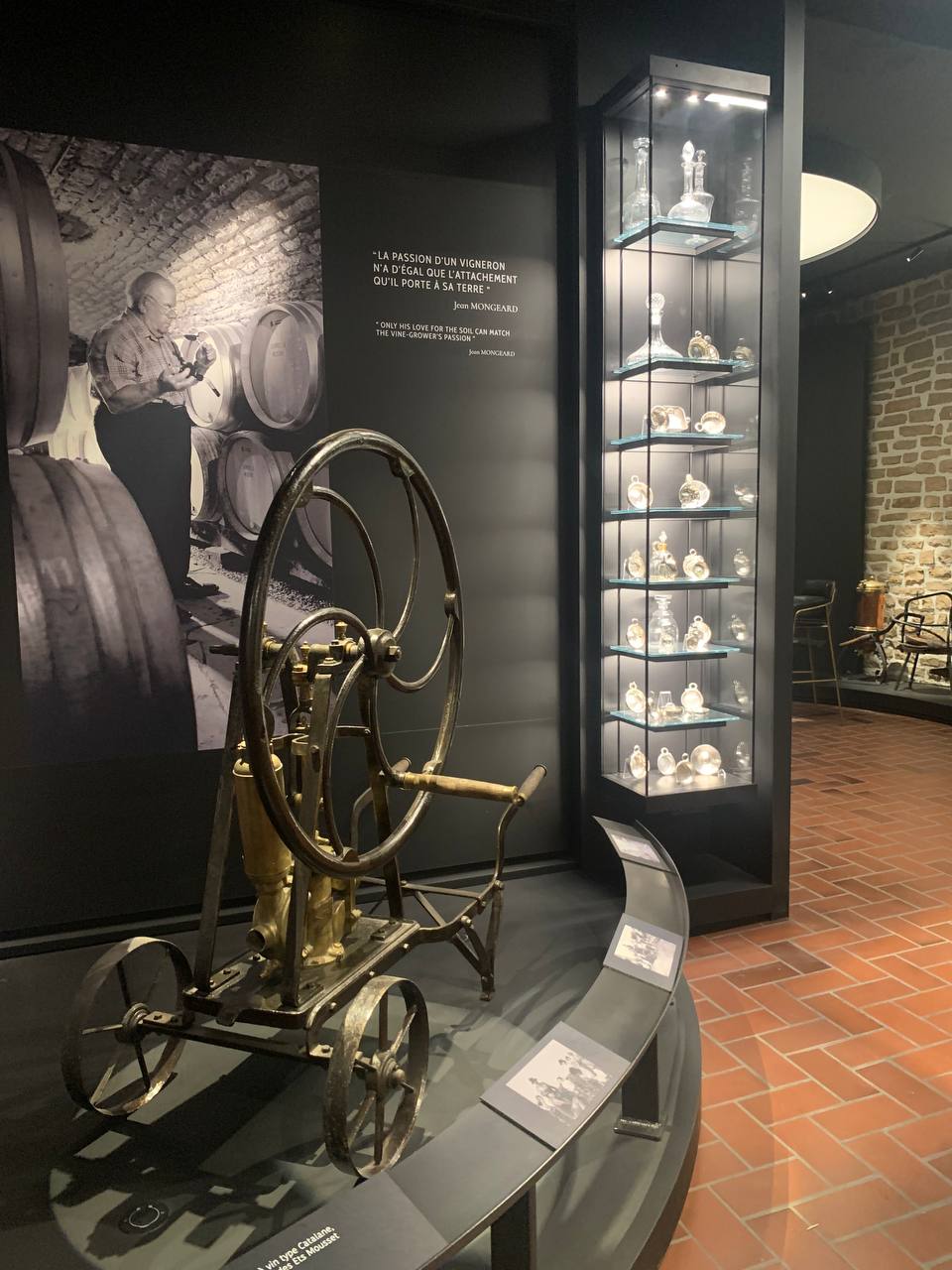
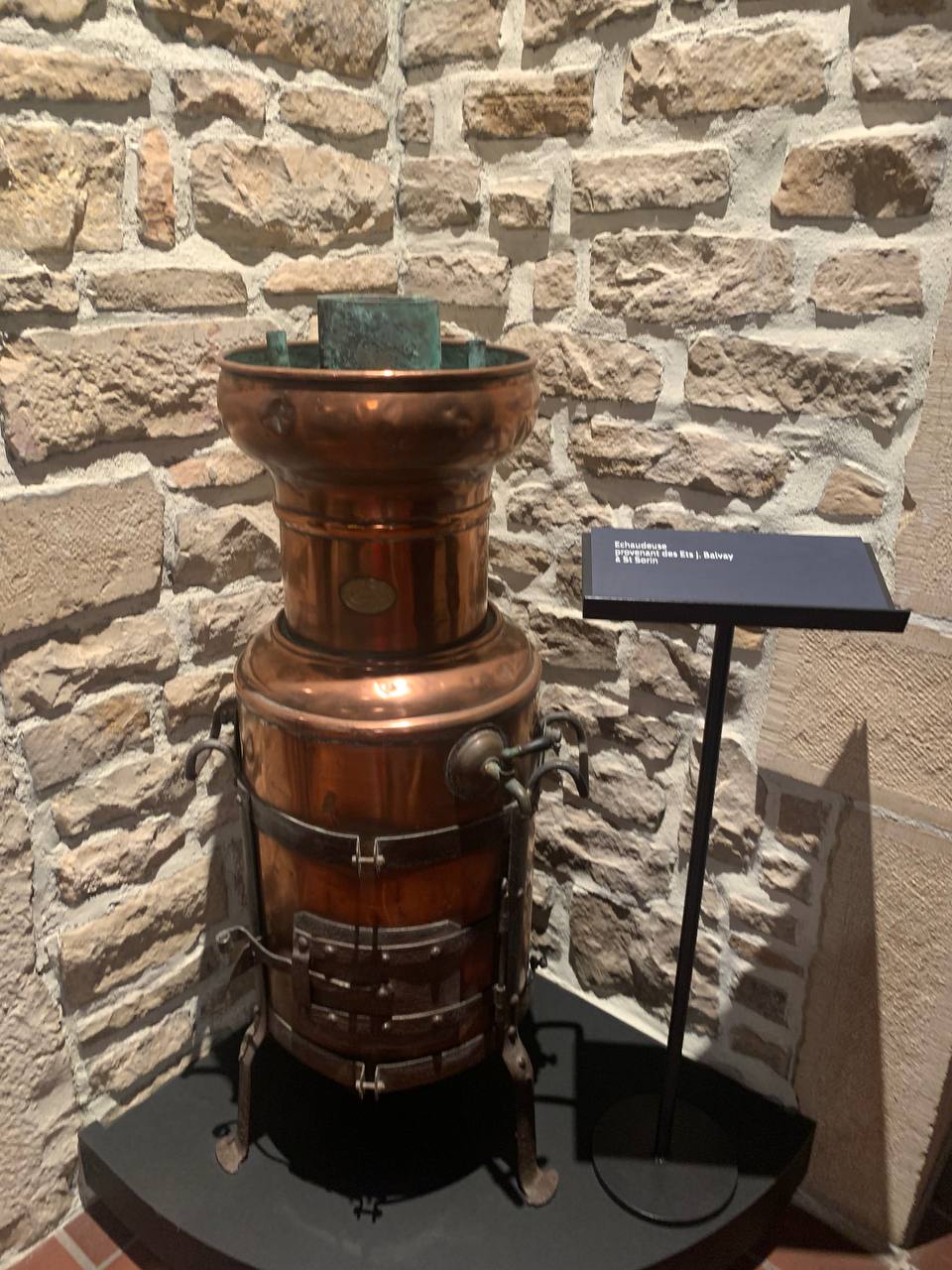
Another subject that featured prominently during our conversations at the domaine was the future. The 2026 vintage has already entered the history of Burgundy as one of the earliest harvests on record. Across the Côte d’Or, observers were predicting an exceptionally early harvest well before midsummer, and by August many estates had begun picking one to two weeks ahead of their usual schedule.
Heat, prolonged drought, very small berries and significantly reduced yields became defining features of the growing season. The challenges were considerable, yet vineyard health remained generally strong. Although final assessments will require years of bottle ageing and critical evaluation, many Burgundian observers are already speaking of a highly concentrated vintage with considerable ageing potential.
Overall, 2026 is being characterised as an extraordinarily early year, marked by intense summer heat, substantial water stress and notably low yields. The conditions inevitably invite comparisons with some of the great warm vintages of recent decades.
For a producer such as Mongeard-Mugneret, whose style has always combined concentration with structural balance, 2026 may ultimately recall vintages such as 2020, albeit with even smaller quantities available. As always in Burgundy, definitive conclusions must wait until the wines have completed élevage and the first serious tastings take place in 2027 and 2028.
Still, collectors seeking the next generation of noteworthy fine wines would be wise to keep a close eye on the domaine. And yet, after spending time at Mongeard-Mugneret, one leaves with the sense that the estate’s true value cannot be measured solely in hectares of Grand Cru vineyards, auction results or hypothetical market valuations. Its significance lies in something less tangible and ultimately far more enduring: the ability to sustain a family story in a corner of Burgundy where land has become one of the world’s most coveted assets.
Perhaps the most compelling answer to all the speculation about ownership, succession and future value can be found not in financial reports but in the daily life of the estate itself. Three generations of the Mongeard family continue to work together, united by the same vineyards and the same long view of stewardship.
In Burgundy, that may be the most meaningful measure of value of all.
Stay connected with Wine Travel Awards: