
Château du Clos de Vougeot – the ancient and modern acropolis of Burgundy
The Wine Travel Awards team set out to answer a question that has long intrigued the wine world: what lies behind the contemporary phenomenon of Burgundy – a region that somehow manages to remain untouched by the turbulence sweeping through global wine markets? How does a region that accounts for merely 4.3% of France’s vineyards maintain its global primacy in prestige, wine prices and cultural influence? And why, at a time when wine sales and real‑estate values – including vineyard prices – are falling elsewhere, does Burgundy continue to demonstrate dignified growth across every indicator?
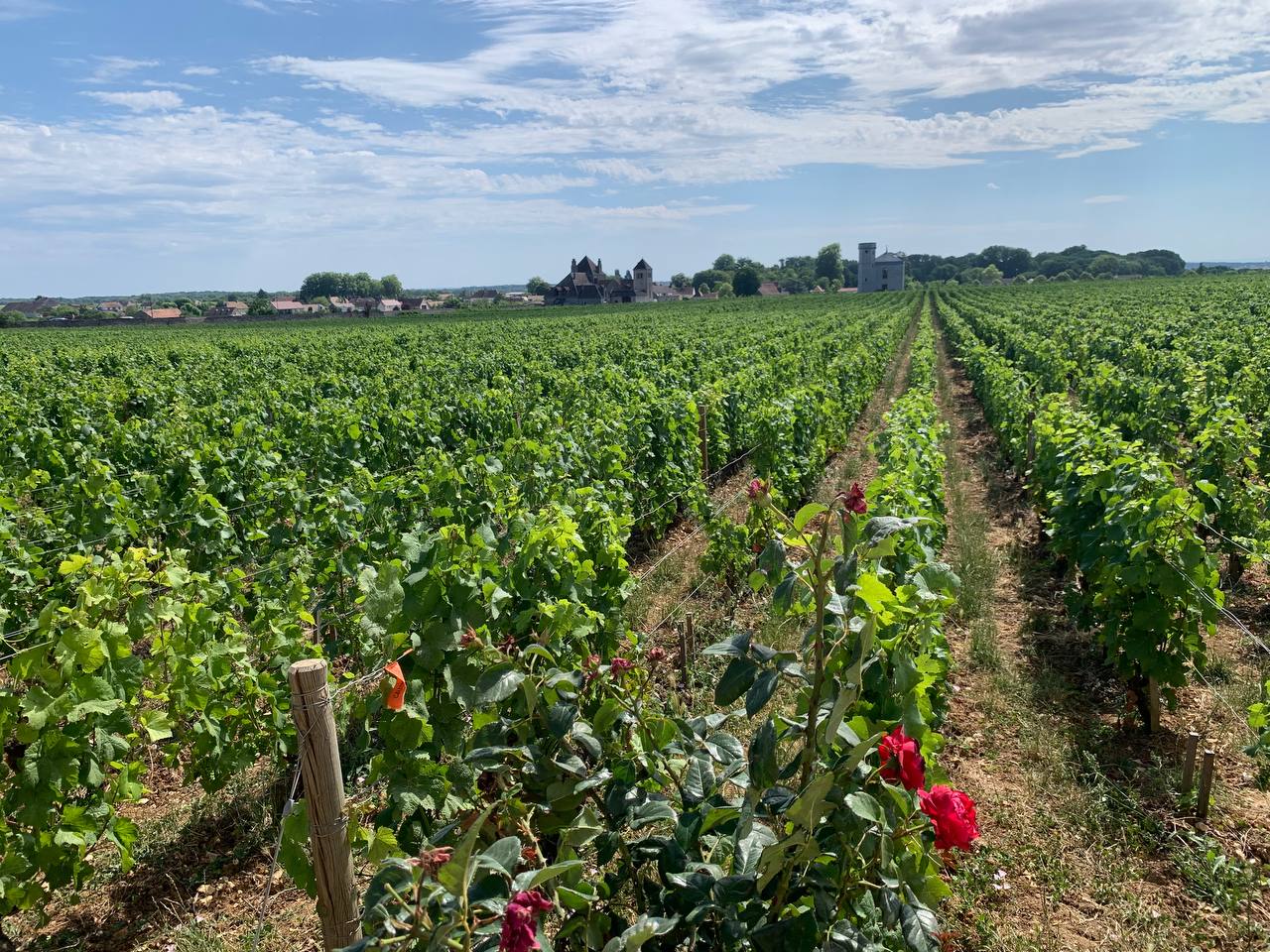
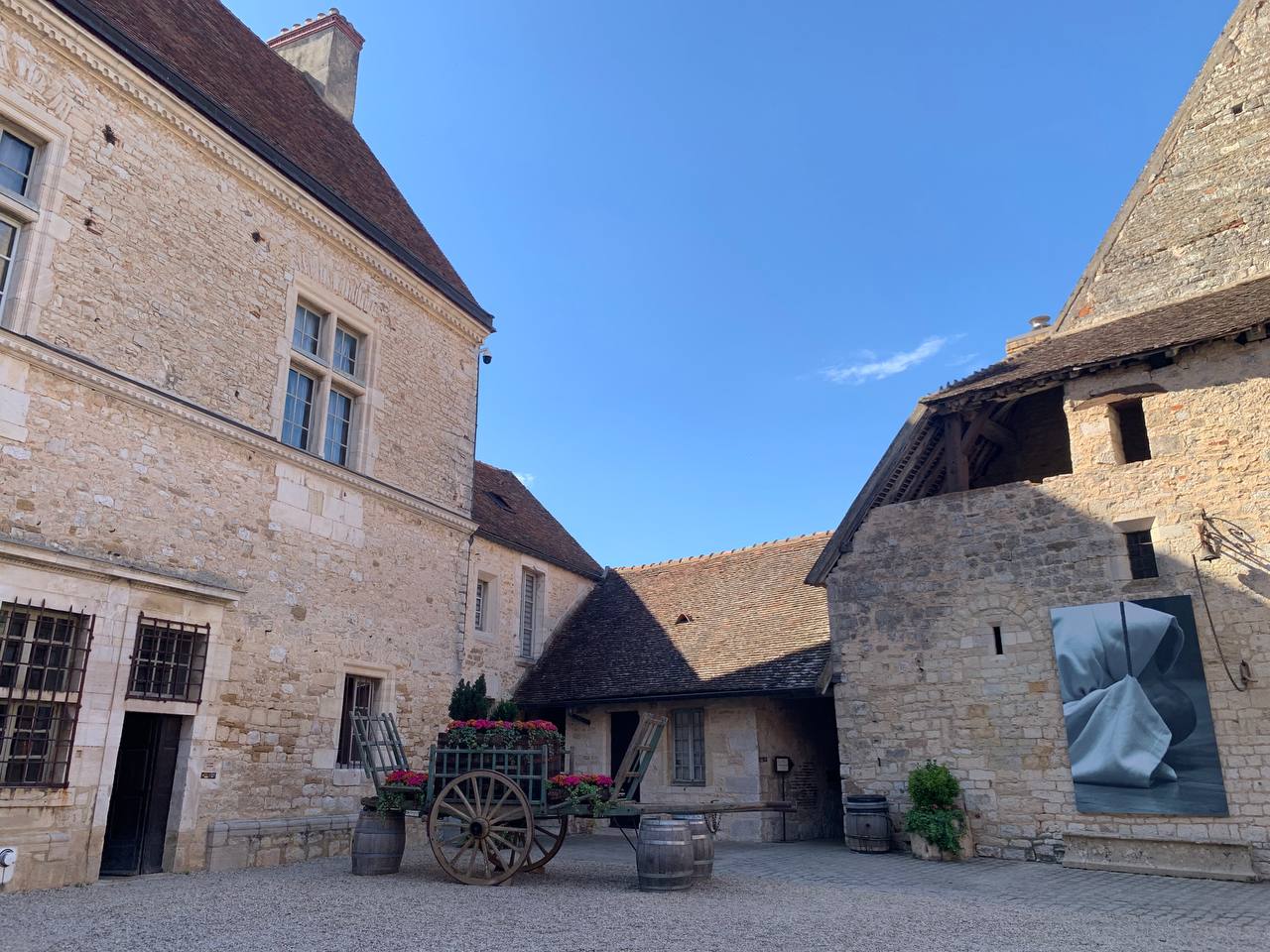
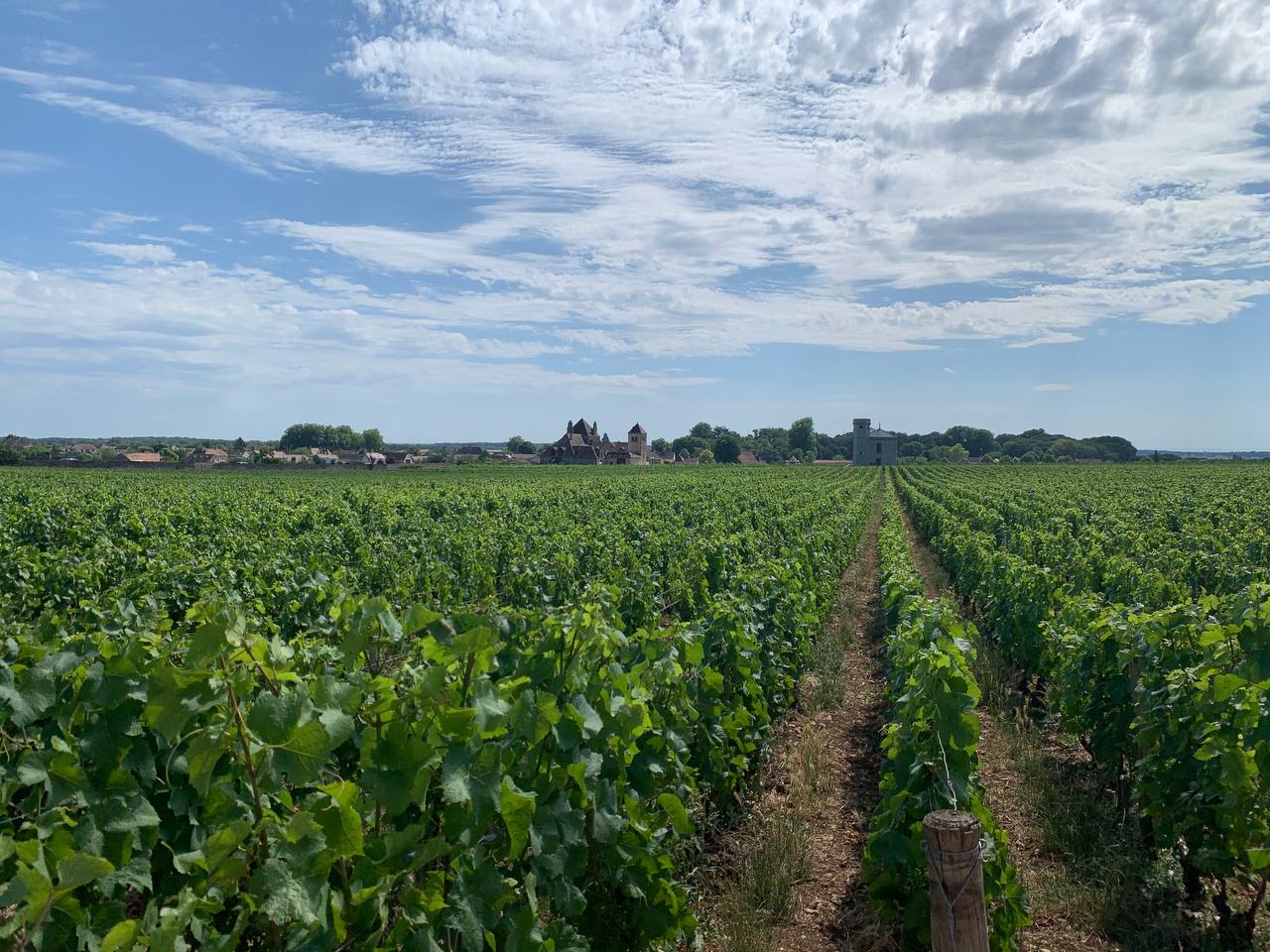
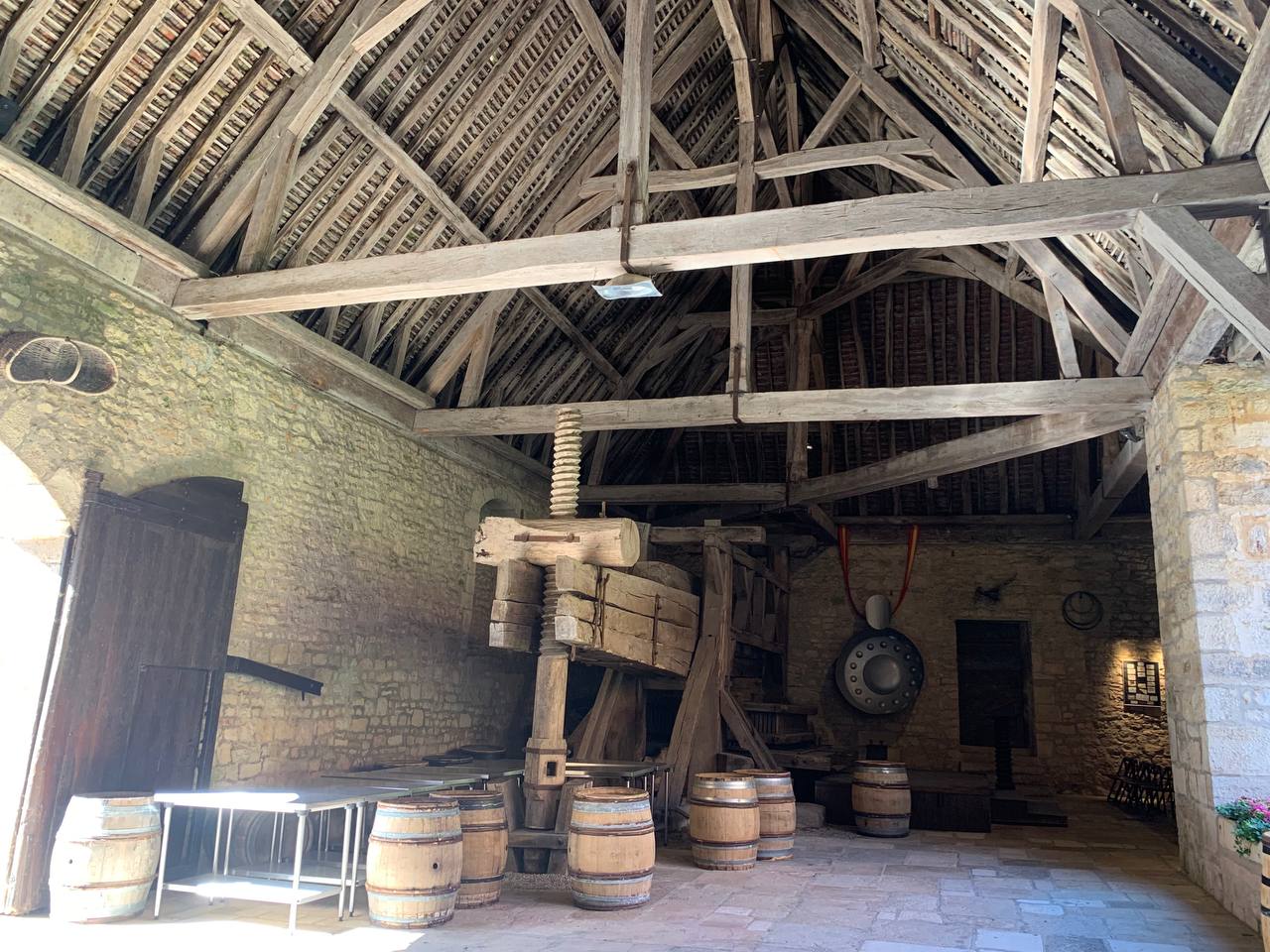
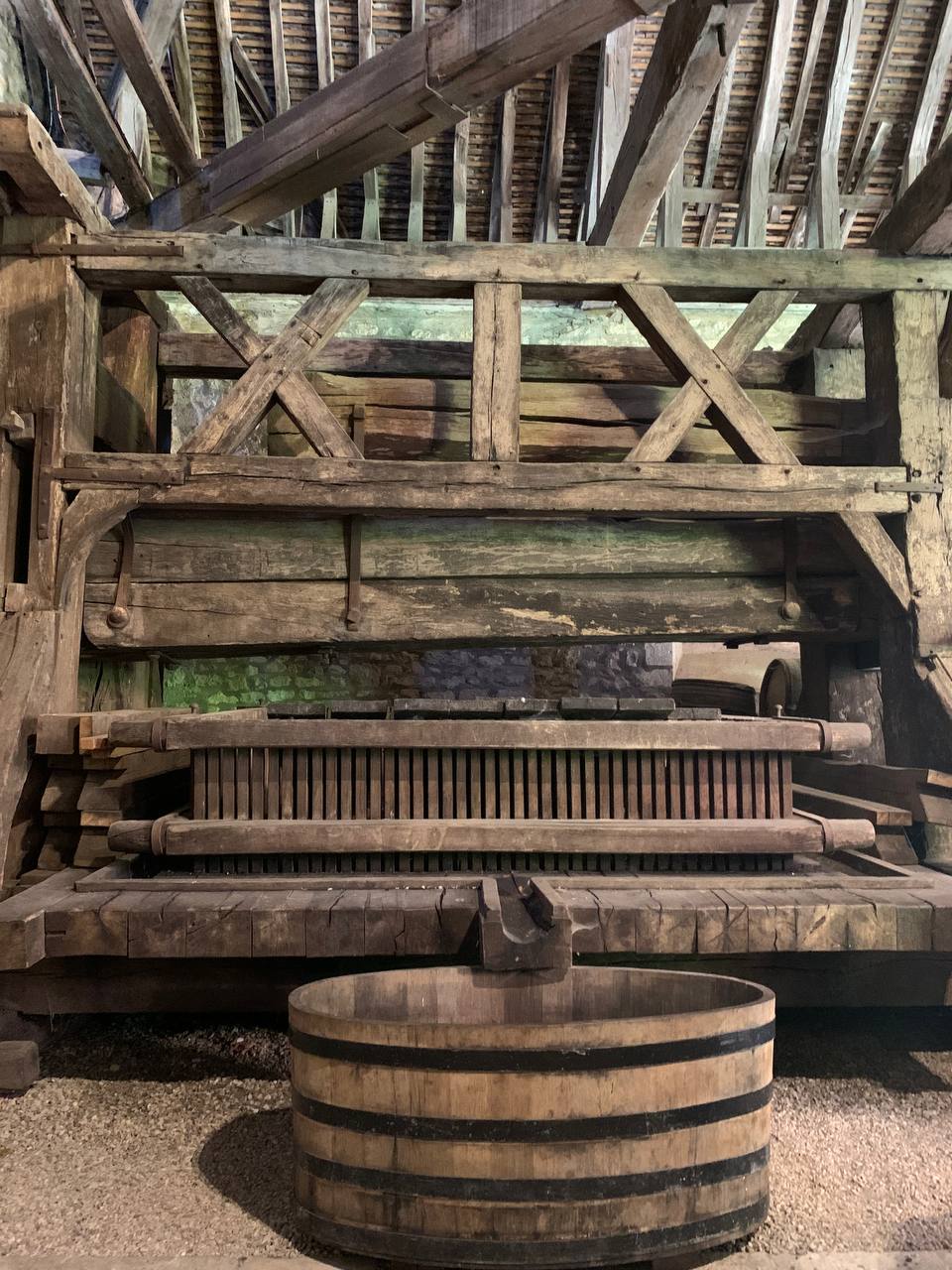
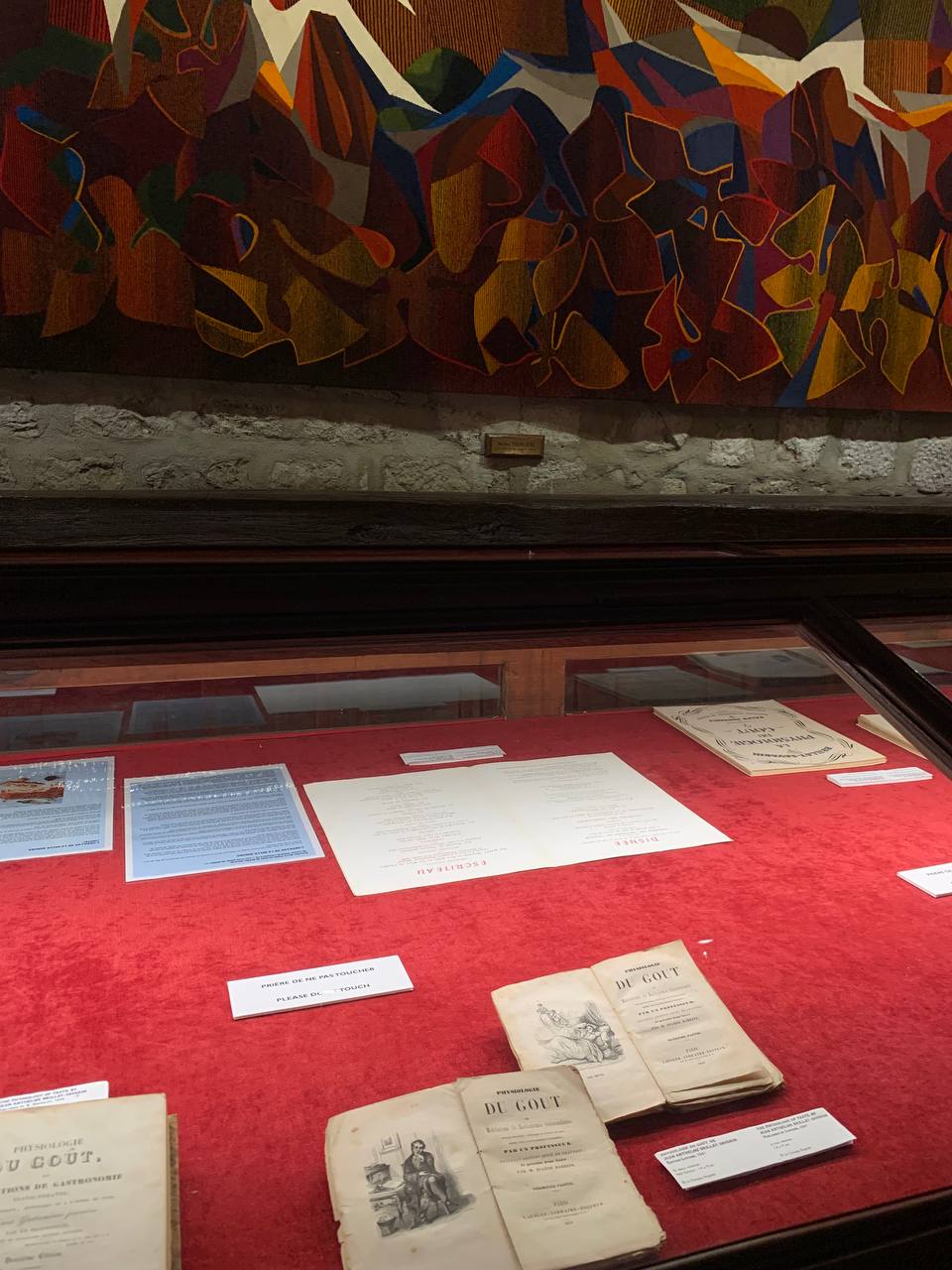
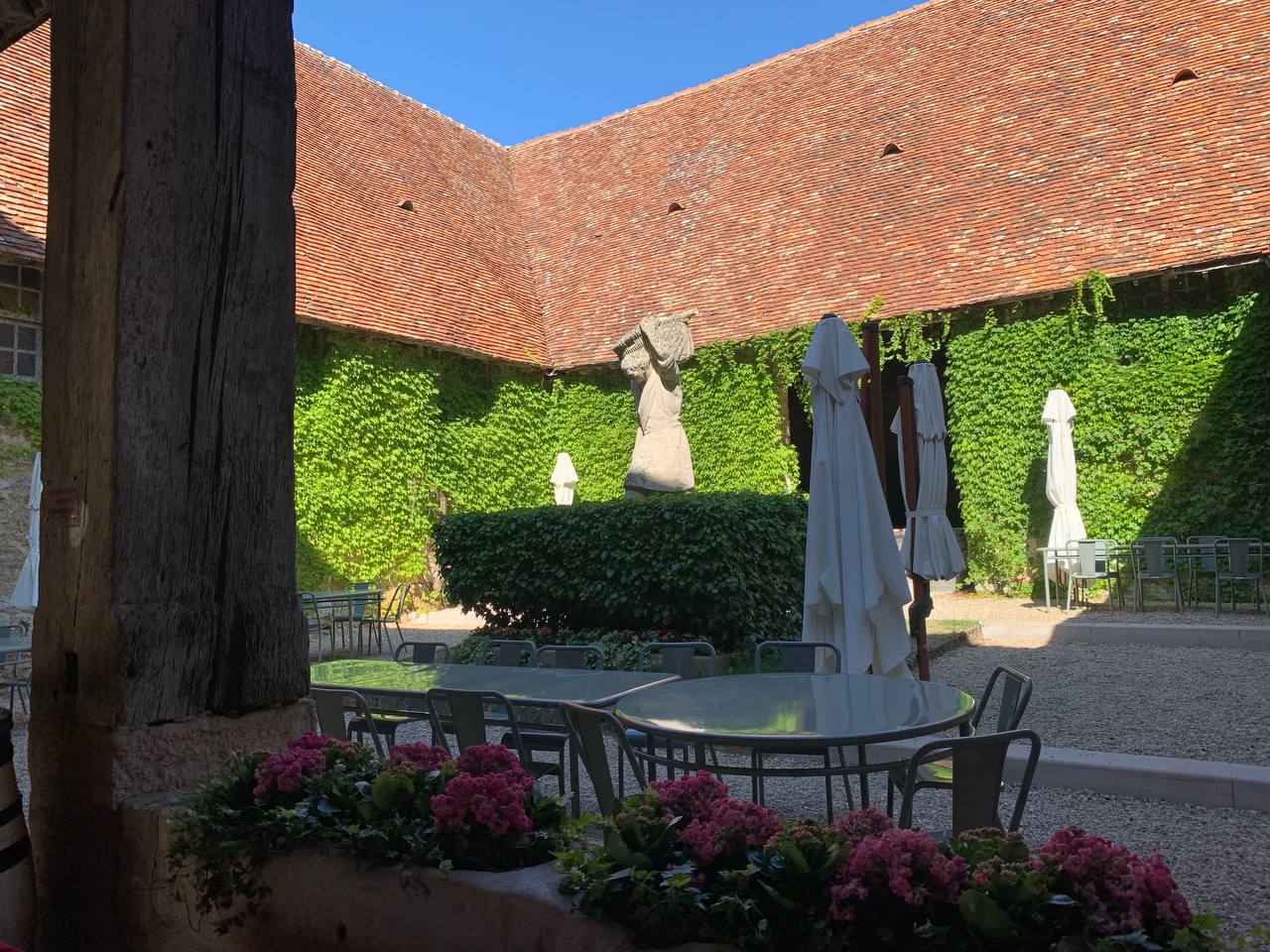
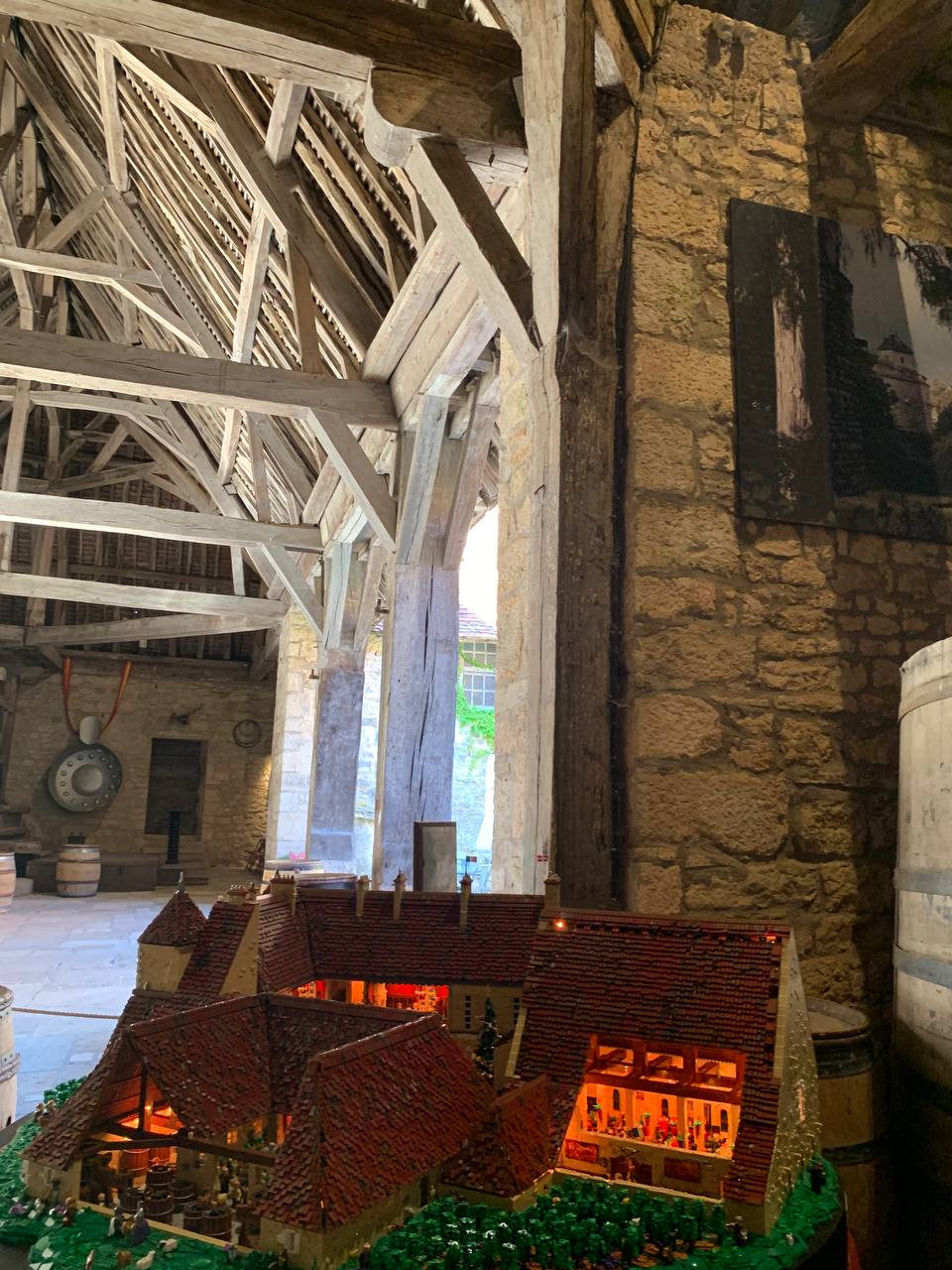
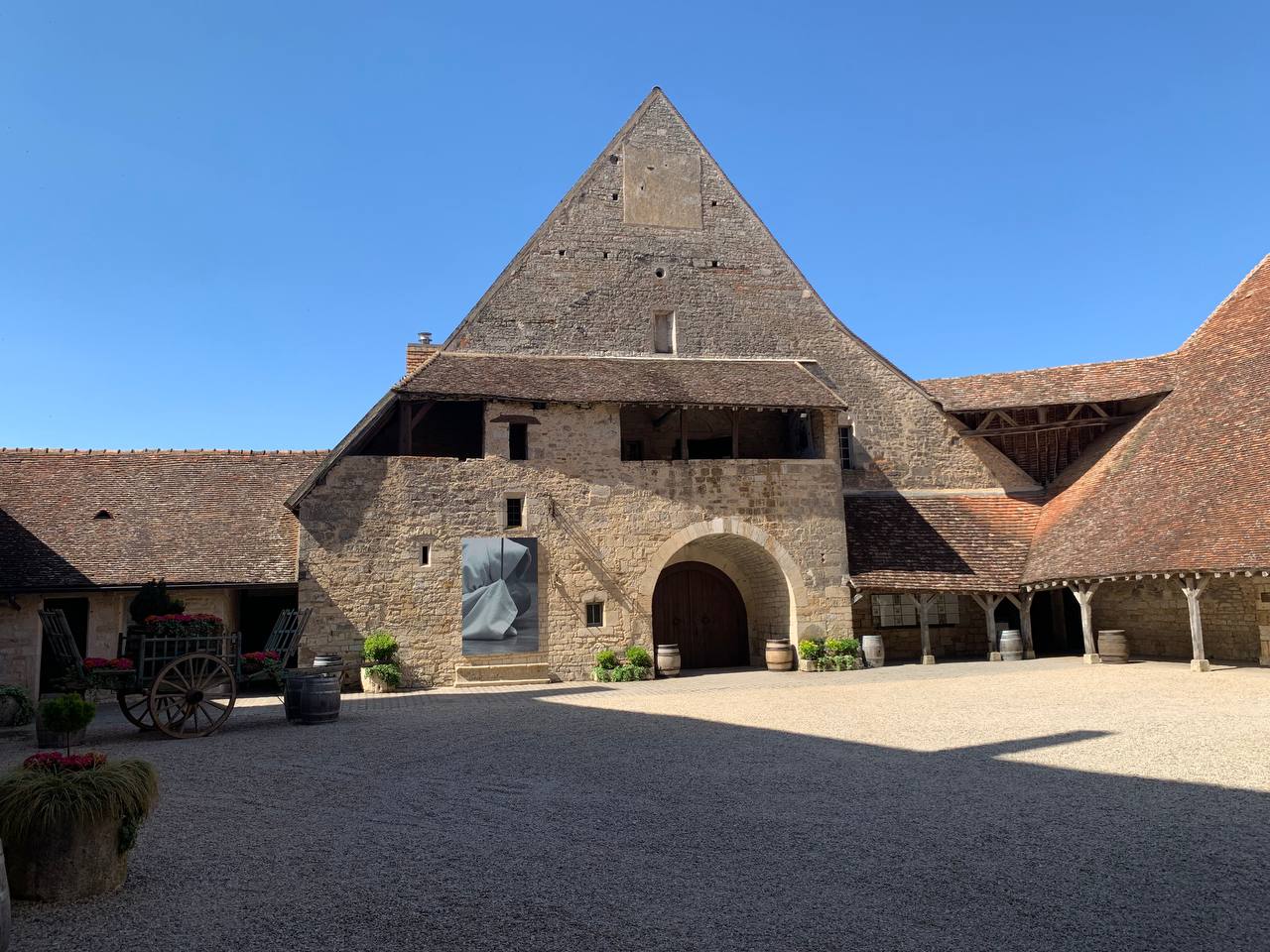
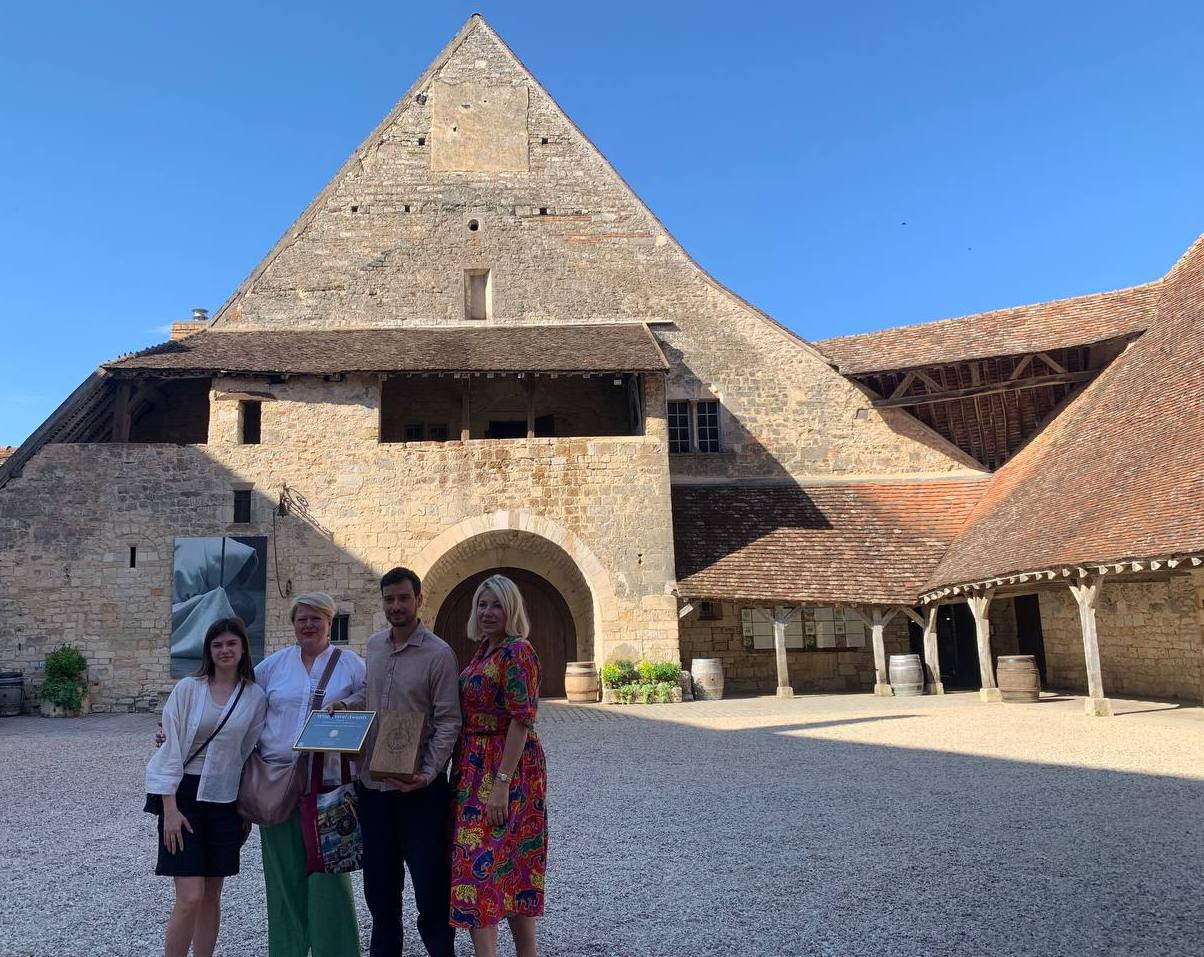
To seek answers, we travelled – in the company of renowned winemakers and restaurateurs – through Burgundy’s domaines from north to south, from Chablis to Mâconnais. The epicentre of our exploration, naturally, was the legendary Côte d’Or. And above all, the bearer of the region’s cultural code: Château du Clos de Vougeot – the place where Burgundian identity took shape and its traditions acquired a sacred weight. In essence, Château du Clos de Vougeot is Burgundy’s place of power, its cultural and intellectual centre.
The Burgundians themselves sometimes compare this Cistercian château to an acropolis. An equally apt parallel is a parliament – for it is here that the meetings of Confrérie des Chevaliers du Tastevin, founded in 1934 on the grounds of Clos de Vougeot, take place. The brotherhood was created to promote Burgundy’s wines within France and beyond.
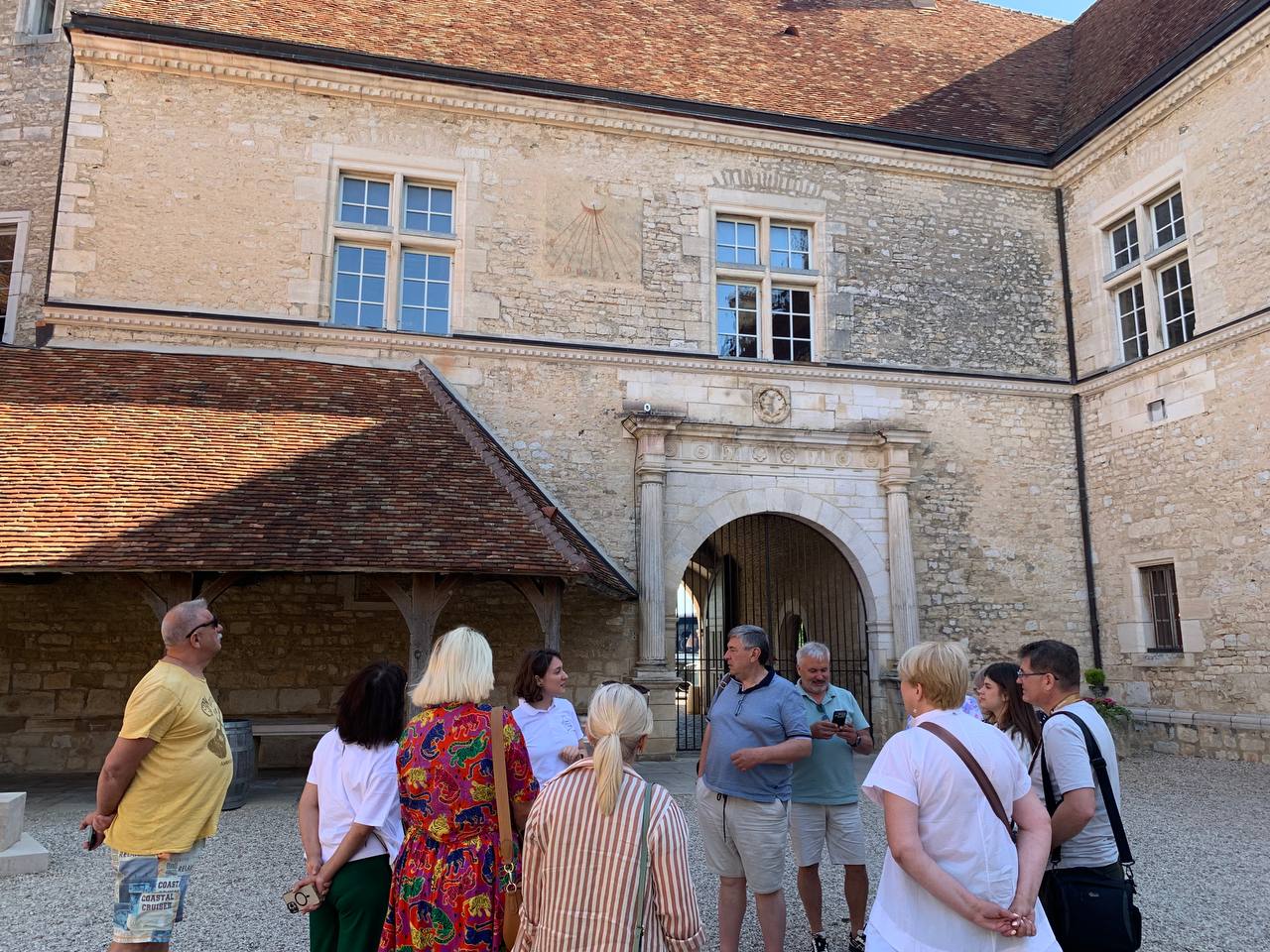
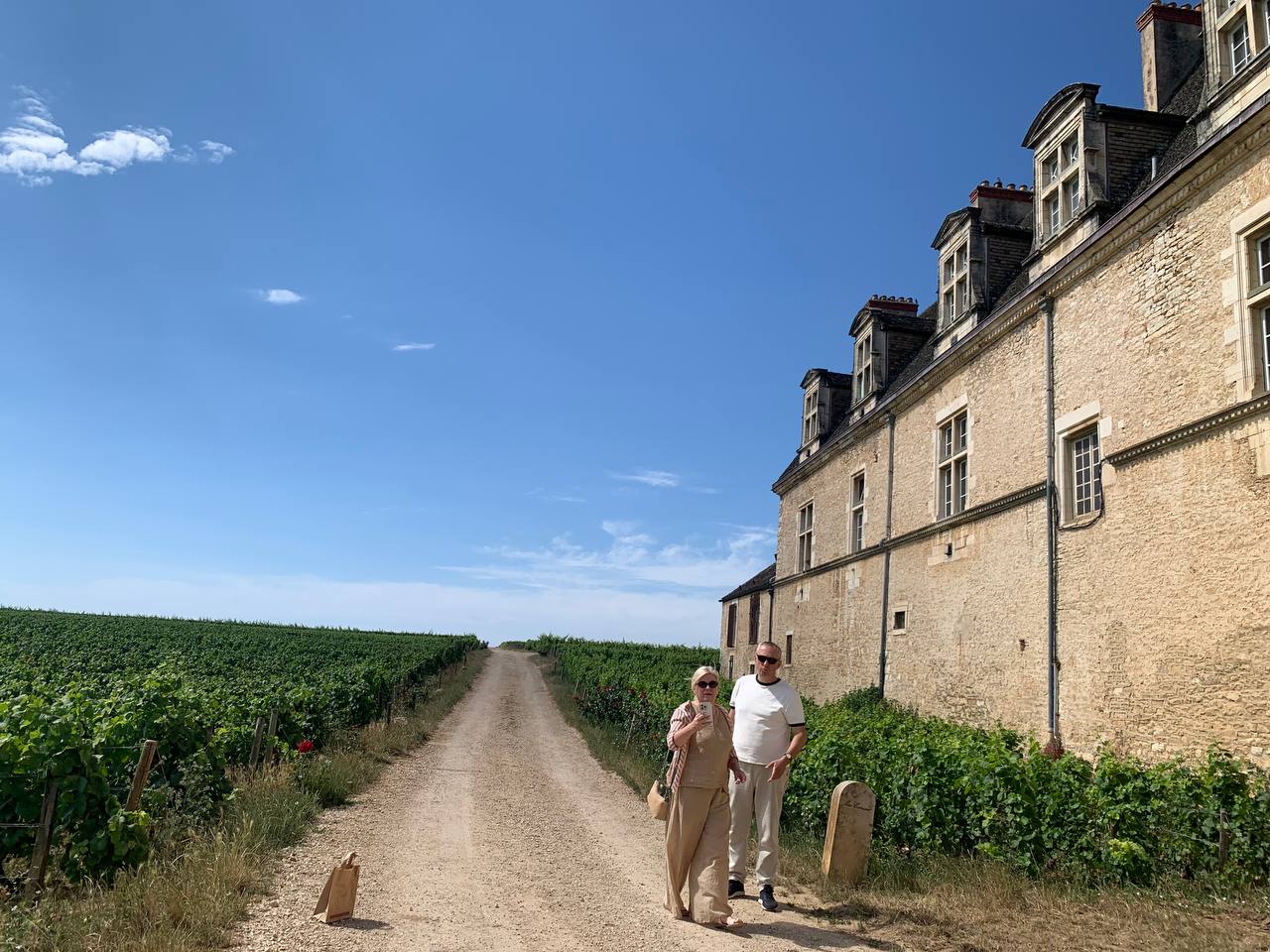
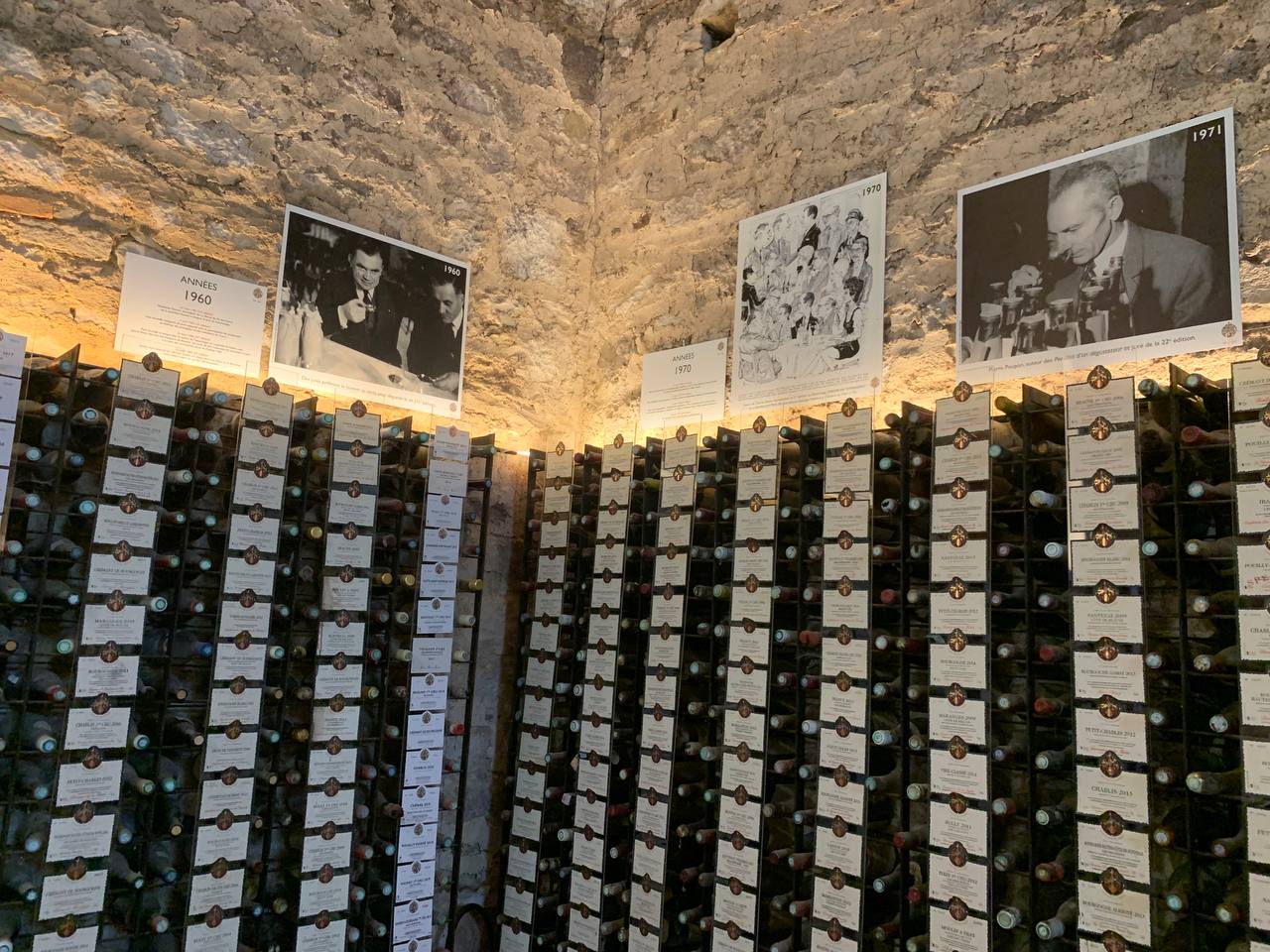
Not everyone realises it, but every sommelier in the world is, in one way or another, connected to the Confrérie des Chevaliers du Tastevin. The brotherhood’s name includes tastevin – the small silver cup from which winemakers traditionally tasted wine for maturity in Burgundy’s dark cellars. It was the brotherhood’s idea to transform the tastevin from a utilitarian tool into a symbol of professional belonging. In time, the tastevin became a global emblem of the sommelier’s craft. Among the brotherhood’s honorary members are Charles de Gaulle, other French presidents, Ronald Reagan, Alfred Hitchcock, Grace Kelly and Catherine Deneuve. Today, this remarkable community counts 12,000 chevaliers. The brotherhood is also one of the most influential organisers of major regional events – including the Saint‑Vincent Tournante festival, the Tastevinage competition and the restoration of Clos de Vougeot itself, where the annual gastronomic world championship Championnat du Monde des Œufs en Meurette is held – this year’s winner of the Wine Travel Awards.
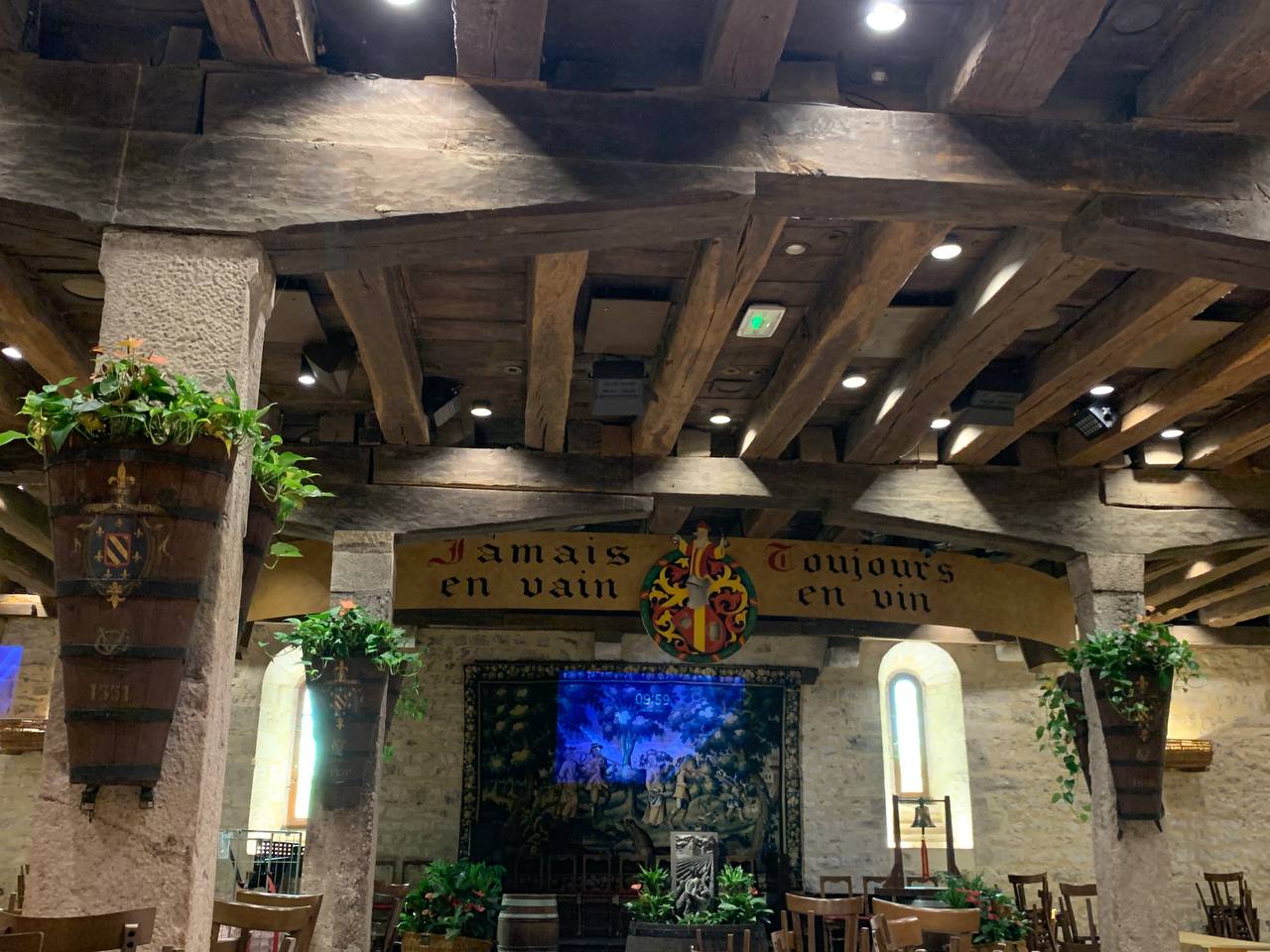
It is only logical that the reasons for Burgundy’s resilience in today’s economic turbulence should be sought in its historical roots. So let me recount the historical vignette we heard during our tour of Château du Clos de Vougeot – a journey back to the 1930s, to the origins of the Confrérie des Chevaliers du Tastevin.
Despite the outstanding vintages of 1929, 1933 and 1934, Burgundy at that time was in the grip of a severe economic crisis. Wine sales had collapsed; winemakers were struggling. And in the very midst of this crisis, two optimistic Burgundians from the small town of Nuits‑Saint‑Georges – Georges Faiveley and Camille Rodier – gathered friends in a wine cellar and delivered a speech inspired by the humour of Rabelais and the philosophy of Molière. And, of course, by a measure of local wine. I dare say that the final dose of courage was not exactly modest. In any case, beneath the vaults of the medieval cellar, they proclaimed:
“Fine wines such as ours must inspire joy and optimism. Enough lamentation! If our cellars are full, we must empty them – and invite friends to help. Let us revive our old bacchic brotherhoods. To defy fate, let us borrow from Rabelais his stubbornness and good humour, and from Molière his smiling philosophy and common sense…”
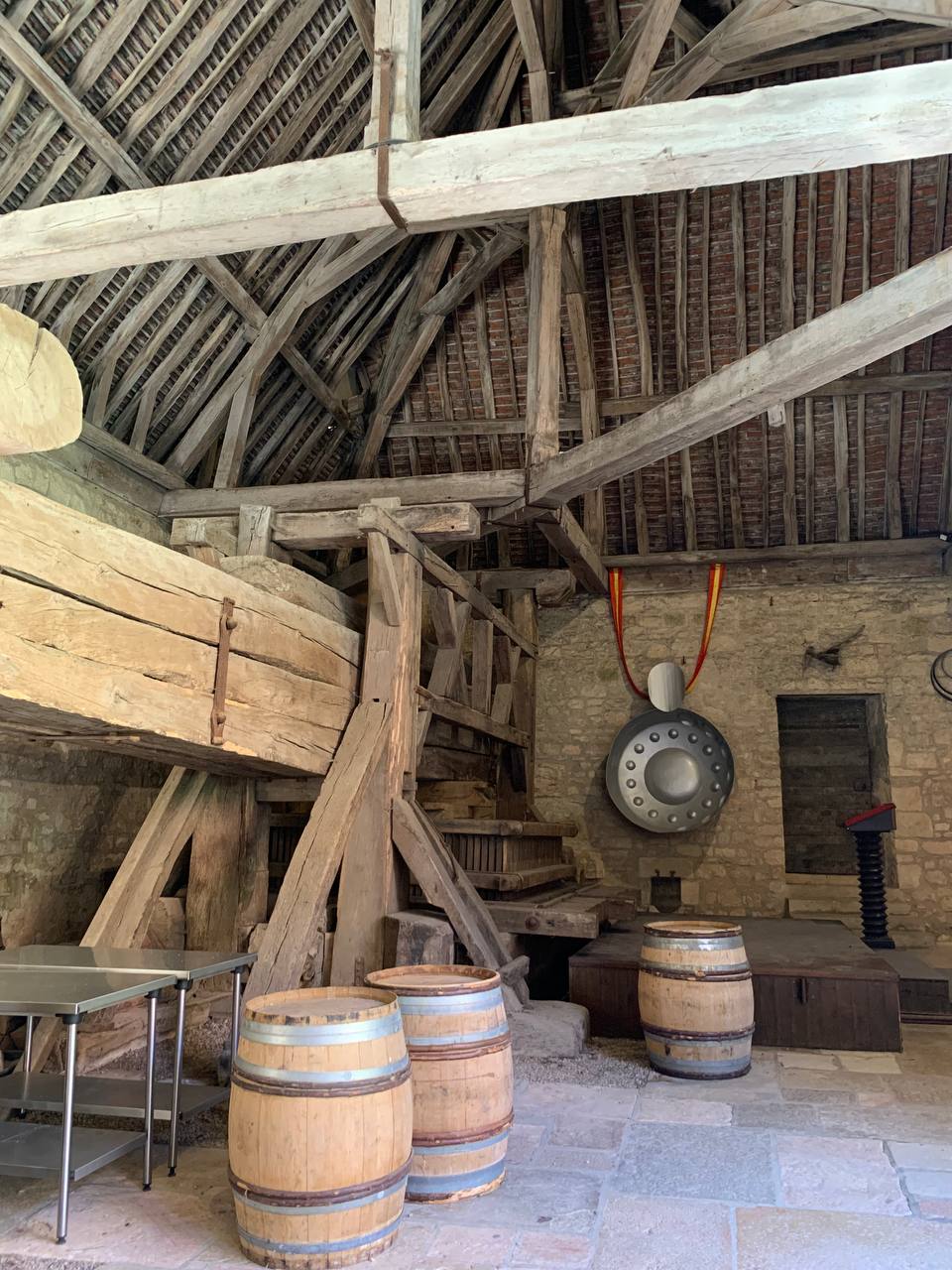
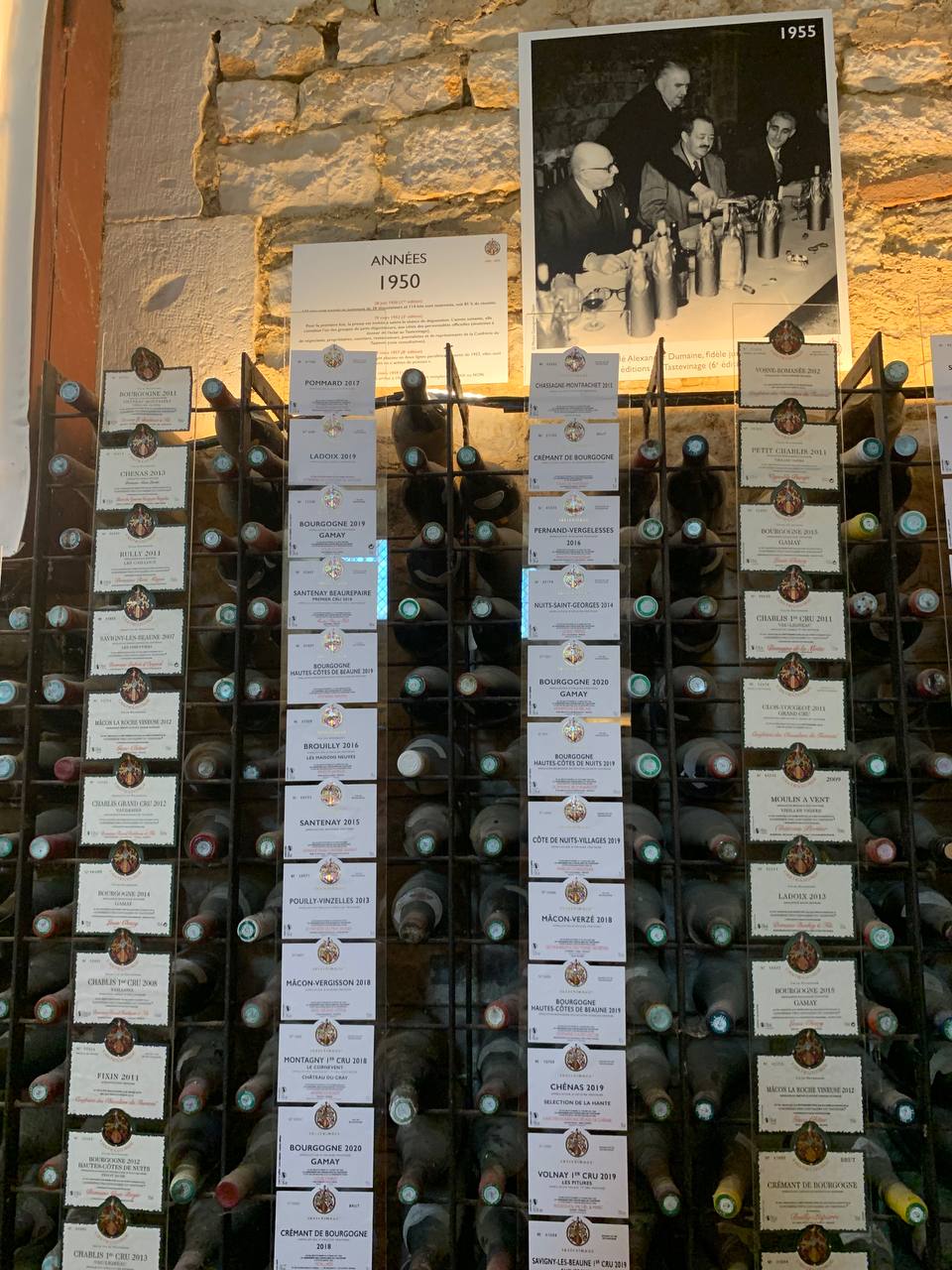
The meeting, they say, lasted long into the night and ended only when the participants solemnly pledged to fight “for the benefit of the great wines of France in general, and Burgundy’s wines in particular”. As historians would later recall, that gathering was “a ray of sunlight in the night of the cellars”.
Truth be told, the Tastevin of that era became a revival of the bacchic brotherhoods of the 17th–18th centuries – bachiques confréries, wine guilds that continued the ancient traditions of festivals dedicated to Bacchus – though this time the cause was not abundance but economic hardship. And who knows – perhaps the brotherhood would have remained merely a cheerful feast in the annals of history, had its first decisive act not been the purchase of Château du Clos de Vougeot, which provided a “showcase among the vines”.
Let us recall that as early as the 16th century, Clos de Vougeot held the privileged status of the largest wine producer in the area. But in line with the ambitions of the founders of the Confrérie des Chevaliers du Tastevin, quantity was to be transformed into the highest degree of quality. Their next natural step was the creation, in 1950, of the wine competition Tastevinage.
This competition is so unique that it deserves a separate explanation. In essence, it is not a contest but a test of trust – trust in the wine and in its maker. The judges, unlike in the professional evaluations we are accustomed to, do not focus on acidity, drinkability, density, colour or tannin maturity. Those who assess wines at Tastevinage must answer entirely different questions: “Do you like it? Would you offer it to a friend? Would you share this wine with someone dear to you?” I dare suggest that only Burgundy – with its regal impeccability, where the highest quality of all other parameters is assumed – can permit itself such “light‑heartedness” in wine evaluation.
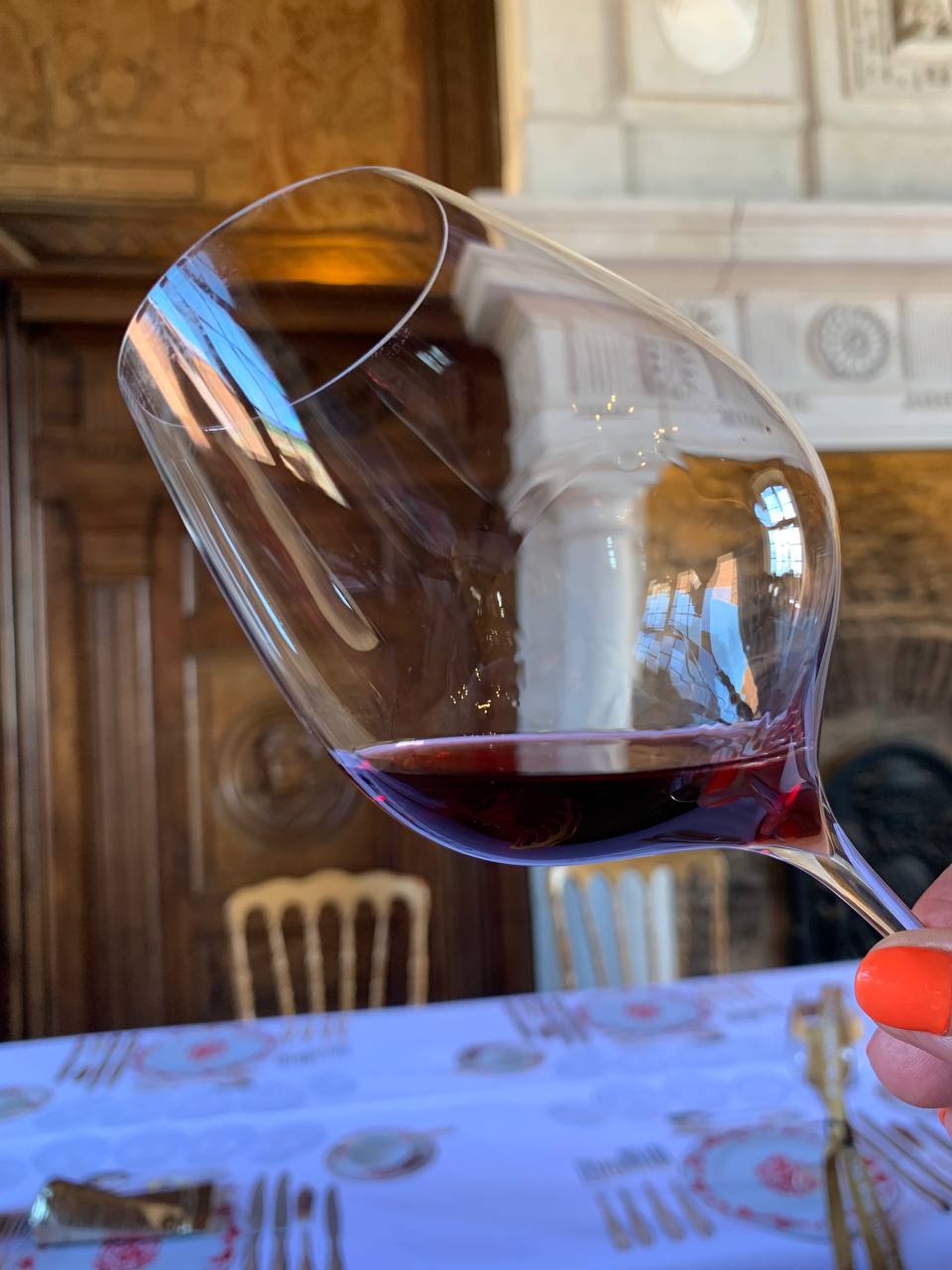
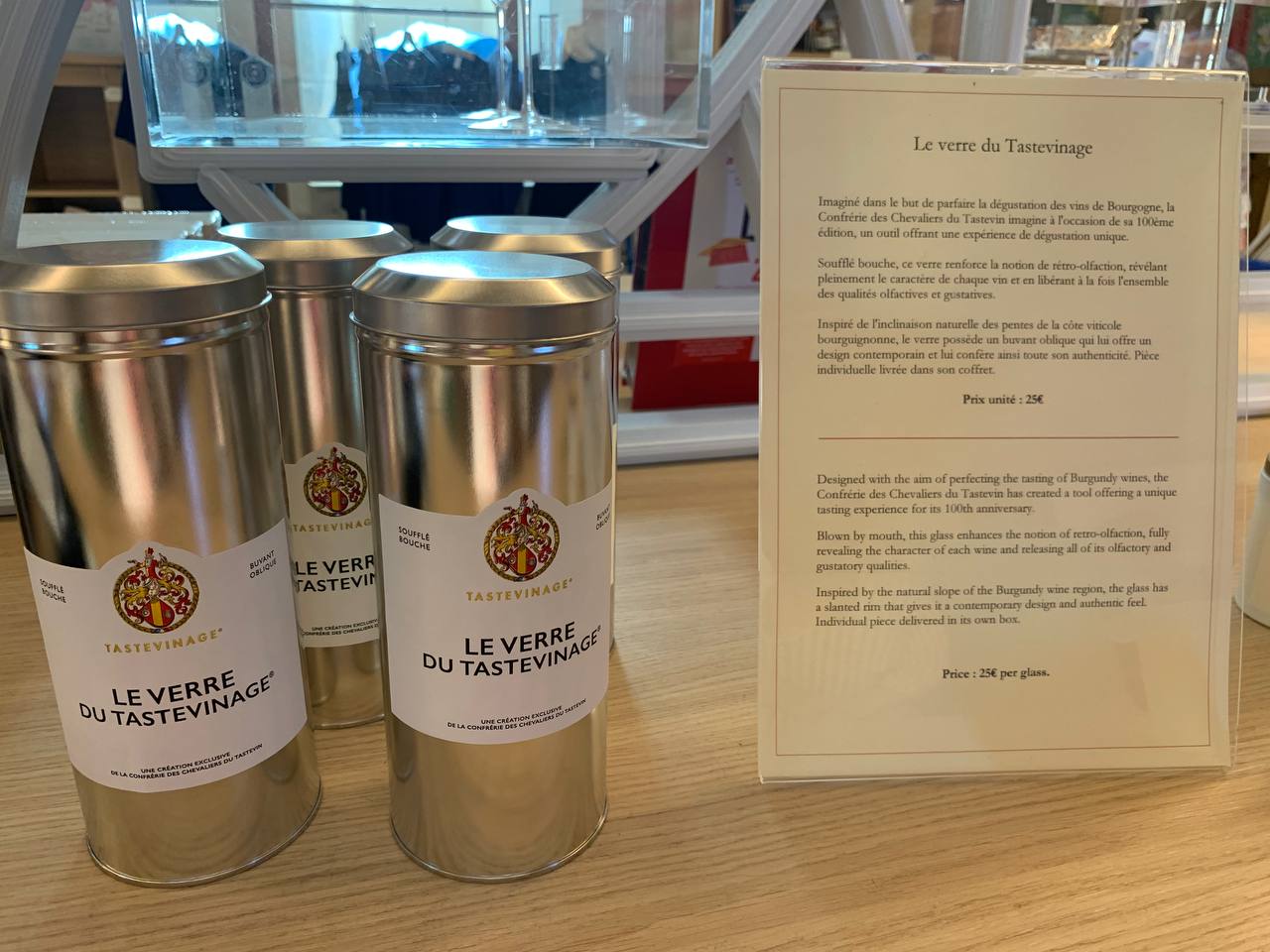
Yet this empathetic angle does not exclude the highest degree of professionalism. For the sake of ideal perception, a special glass was developed for the 100th session of Tastevinage – patented exclusively for Château du Clos de Vougeot. Its tulip‑shaped bowl and distinctive slanted rim – inspired by the incline of Burgundy’s vineyard slopes, divided into legendary climats – enhance retro‑olfaction, concentrate the bouquet and allow for more precise assessment of the nuances of Pinot Noir and Chardonnay. The glass has become the modern symbol of Tastevinage and is used during official tastings at Château du Clos de Vougeot.
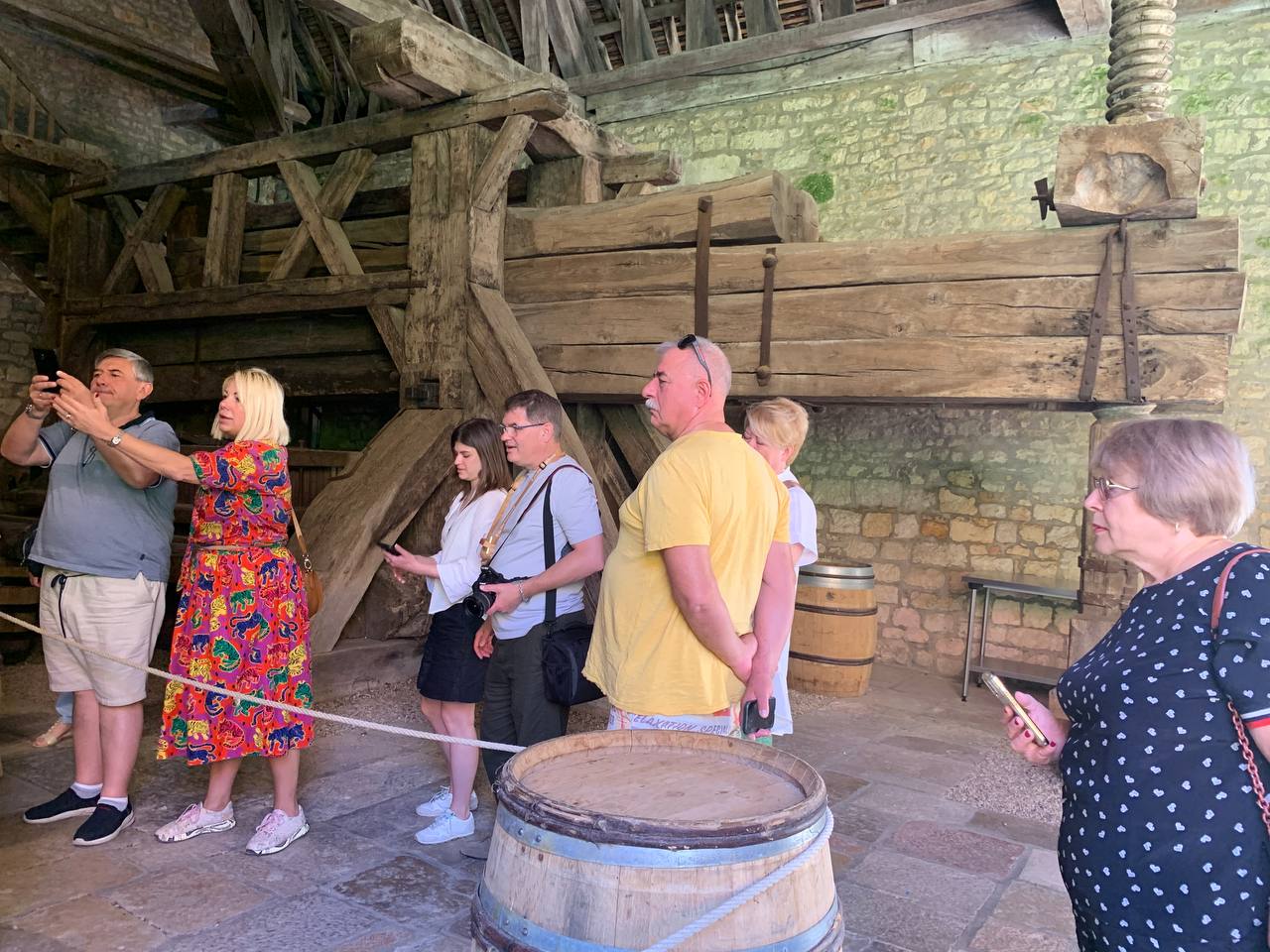
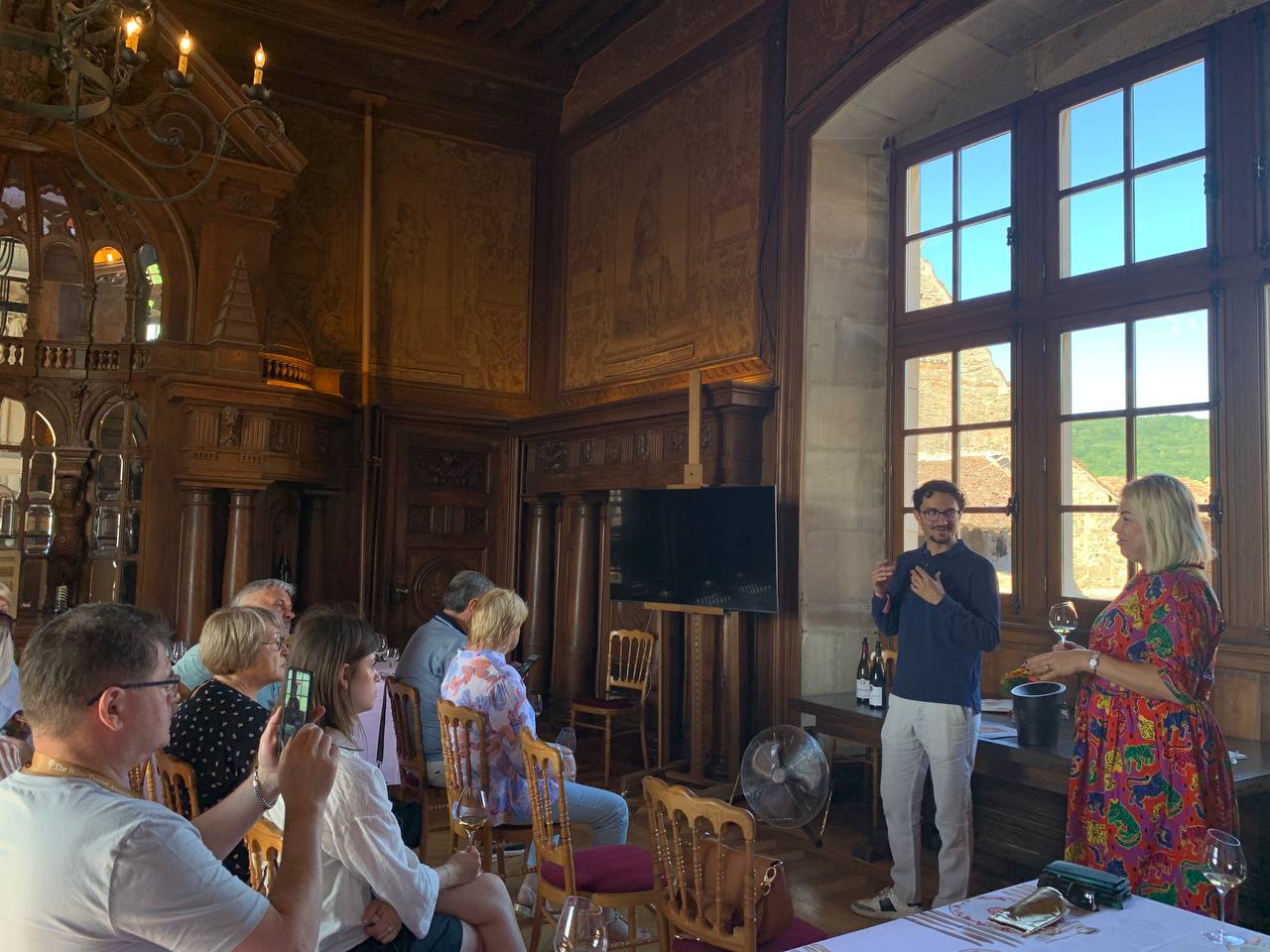
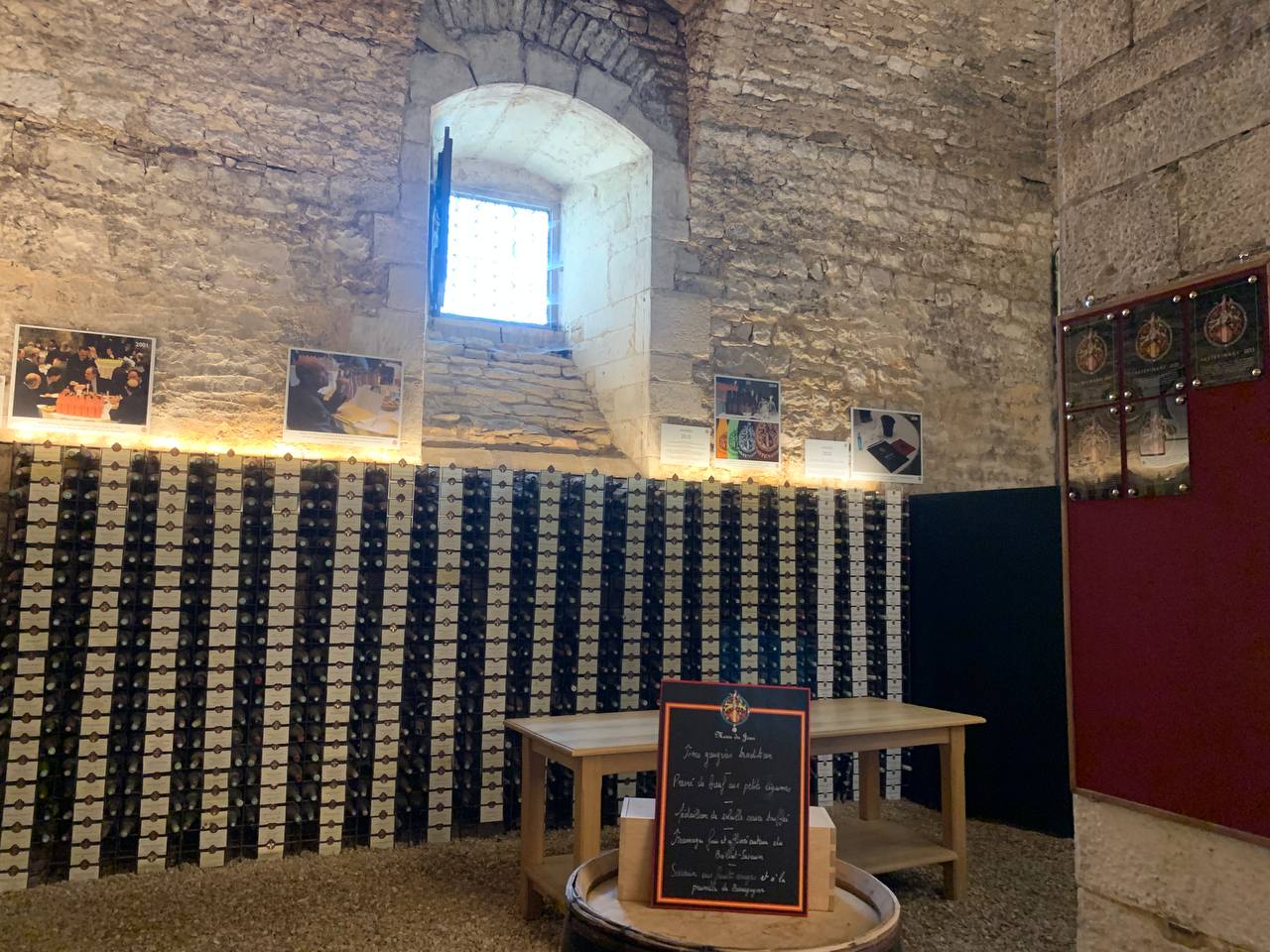
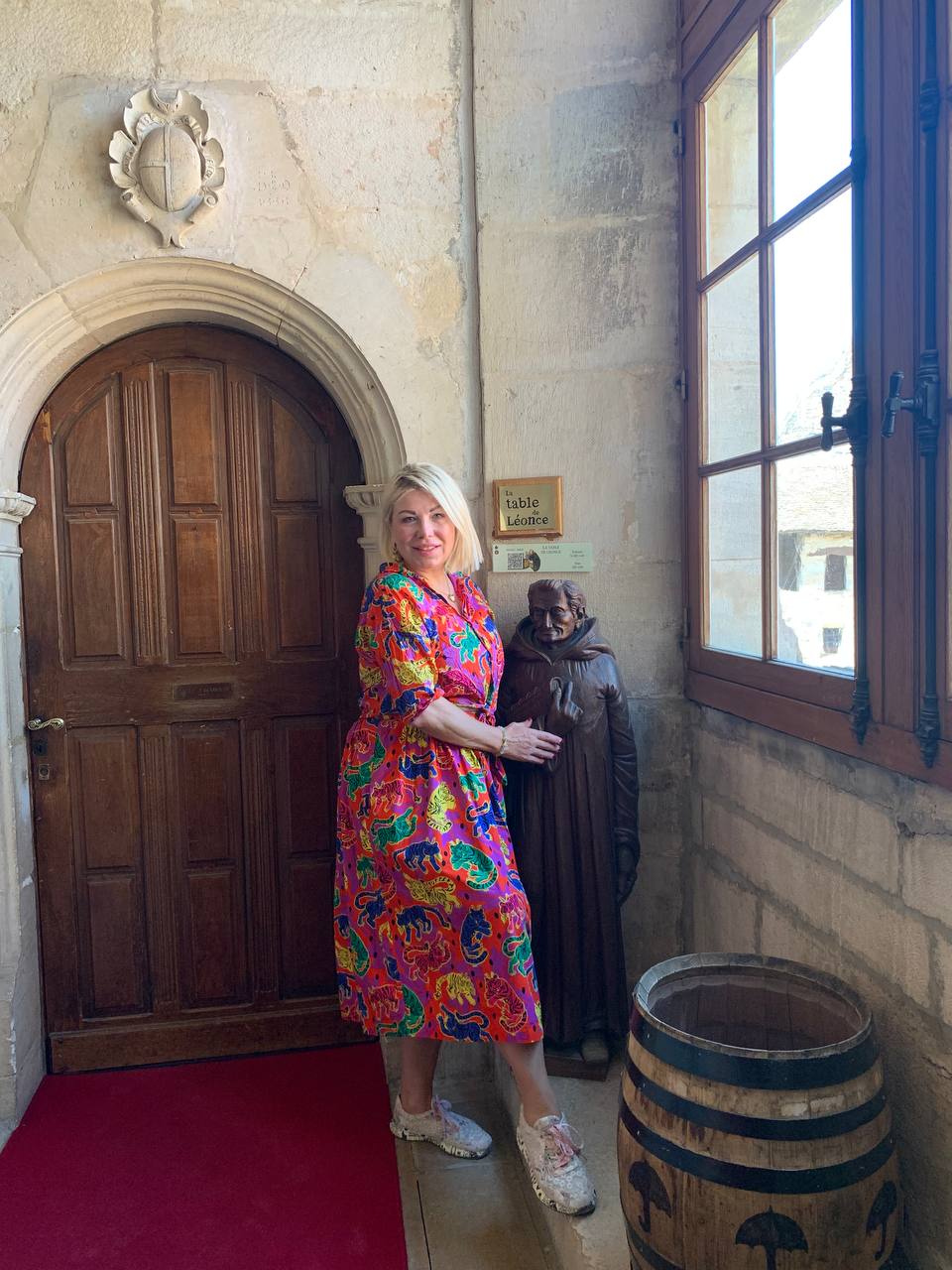
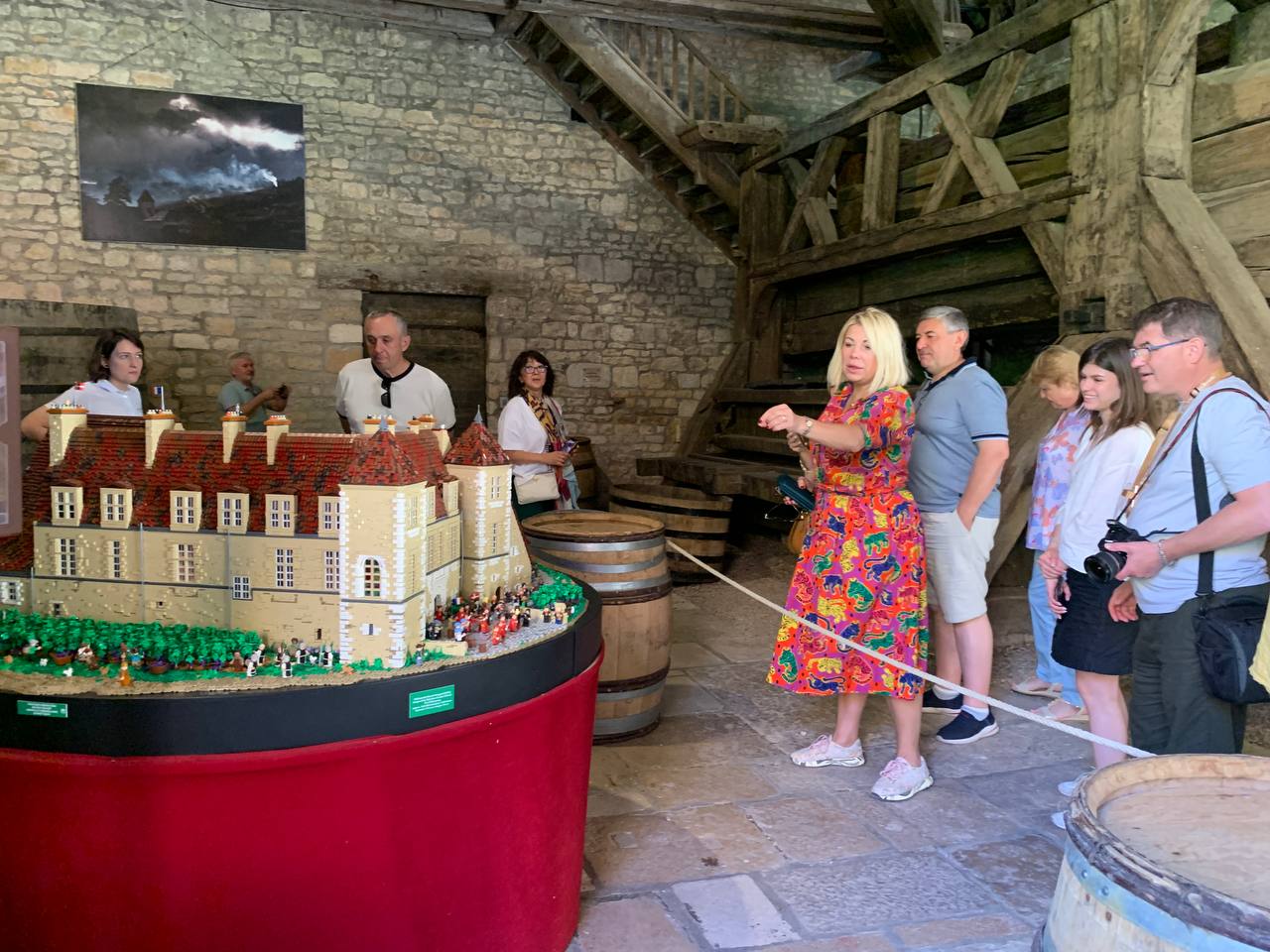
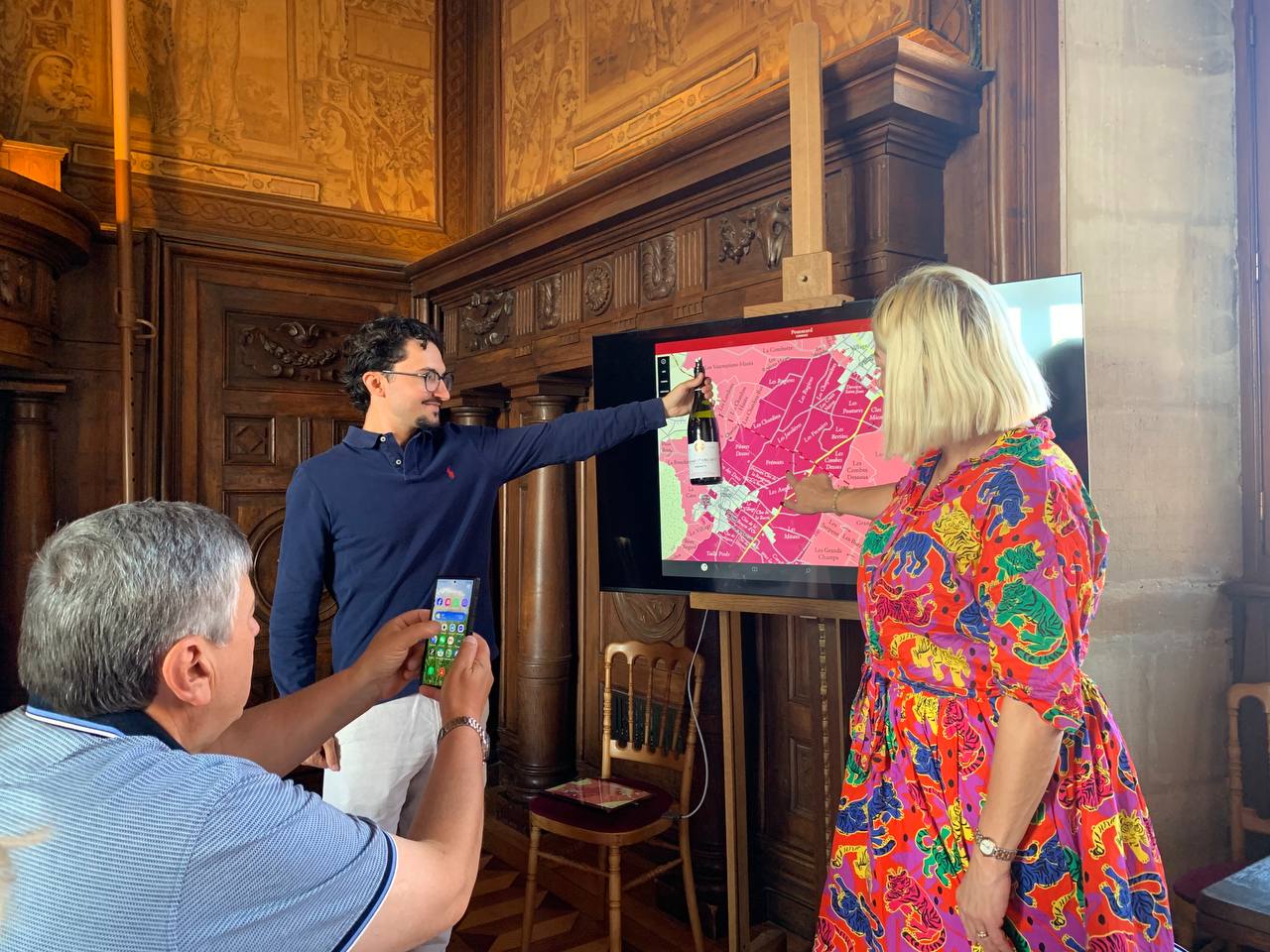
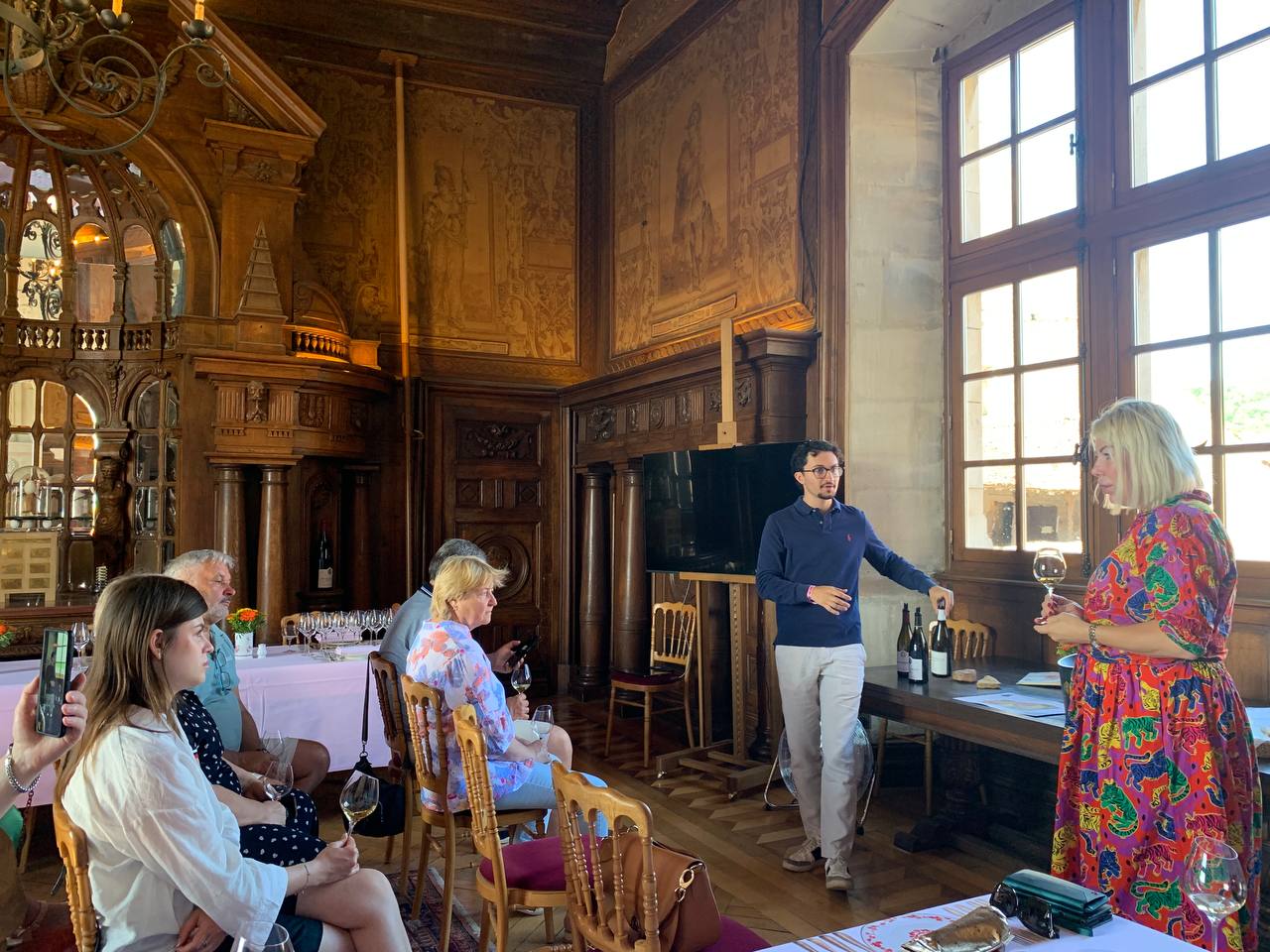
We are grateful to the administration of Château du Clos de Vougeot – and to our good fortune. During the Wine Travel Awards nominees’ tour, we were received at the highest level, in the hall reserved for honorary ceremonies, and the tasting was conducted using these new original glasses – delicate instruments created for the utmost precision in evaluating Burgundy’s wines. It seems fitting here to remind our readers of the correct serving temperatures: reds at 16°C, whites in the 11–13°C range.
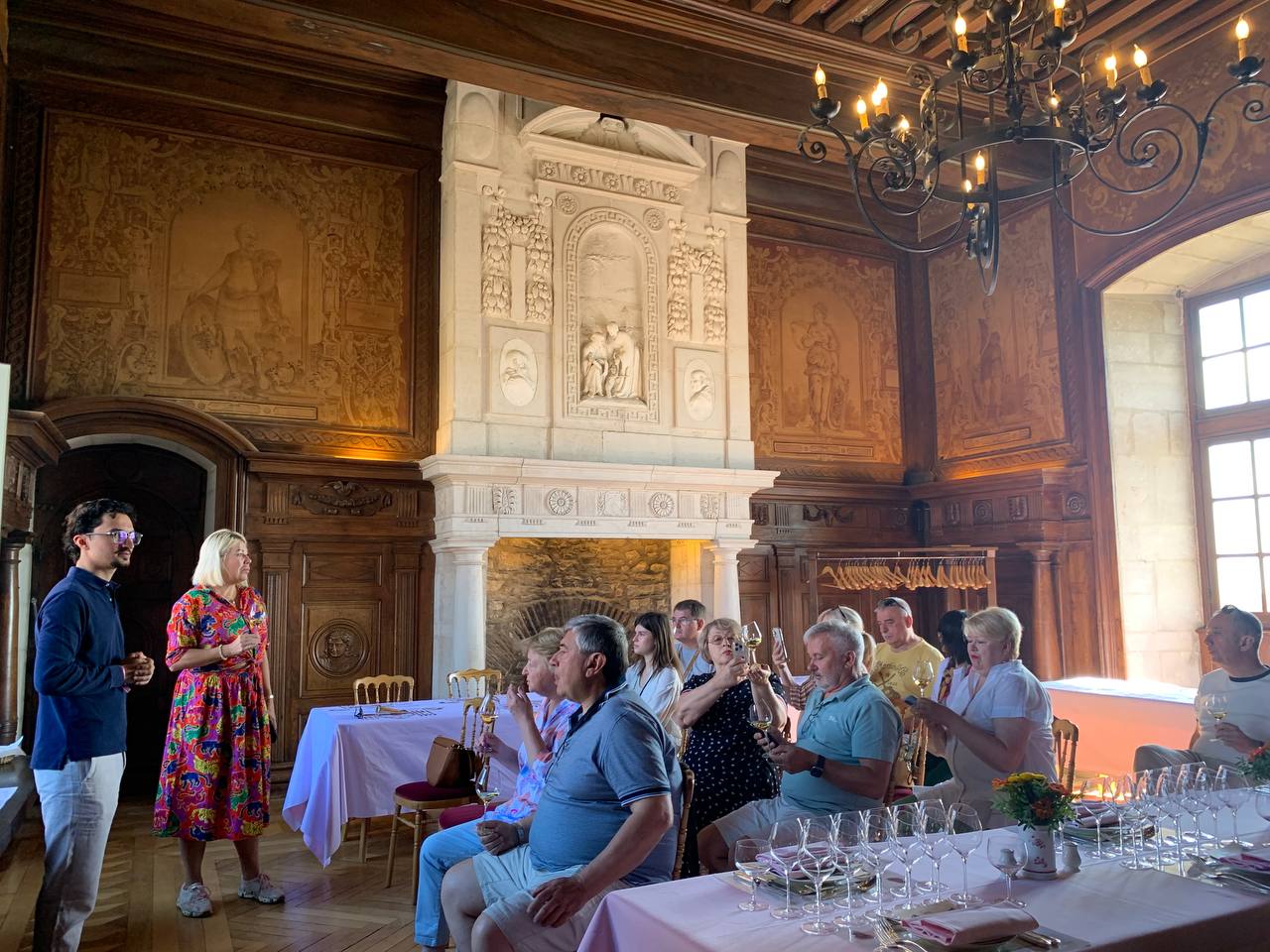
The rich tasting organised for our group at Château du Clos de Vougeot led us through the principal stylistic lines of Burgundy and Vosne Romanée, home to six of the region’s thirty‑three grands crus. These are the legendary vineyards that produce wines of global renown – including the incomparable Romanée‑Conti, whose 1945 vintage is valued today at hundreds of thousands of dollars. And most intriguingly, experts assure us that the wine is still alive – still capable of giving pleasure.
We tasted white wines from 2019 and 2020: the first vintage – classic and structured; the second – born of a hot summer yet astonishingly balanced. In the reds of Vosne Romanée, the sommelier showed us two stylistic lines – floral (rose petals, violet) and berry (blackcurrant, raspberry) – explaining how heat shifts the aroma towards the blackcurrant spectrum.
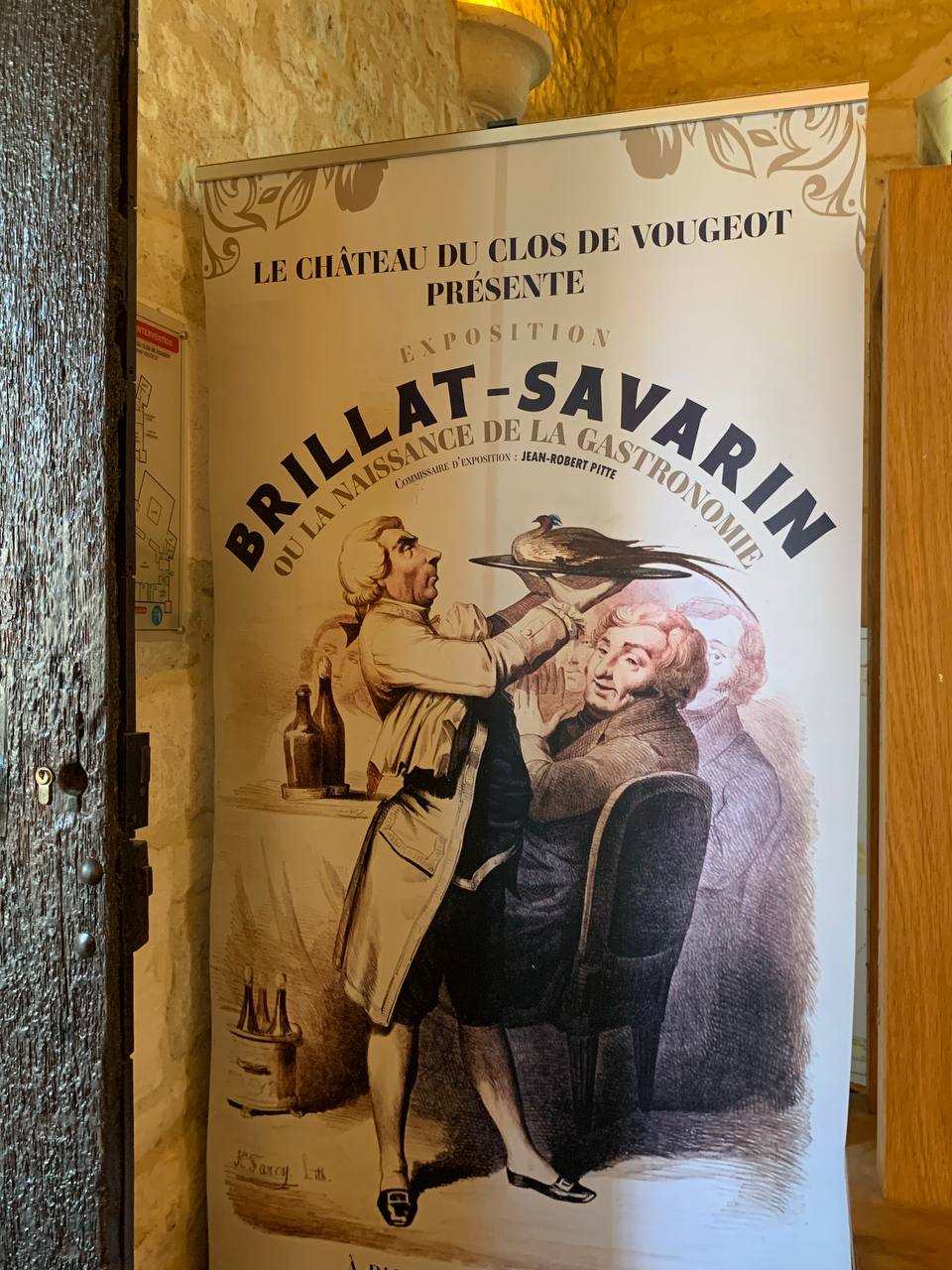
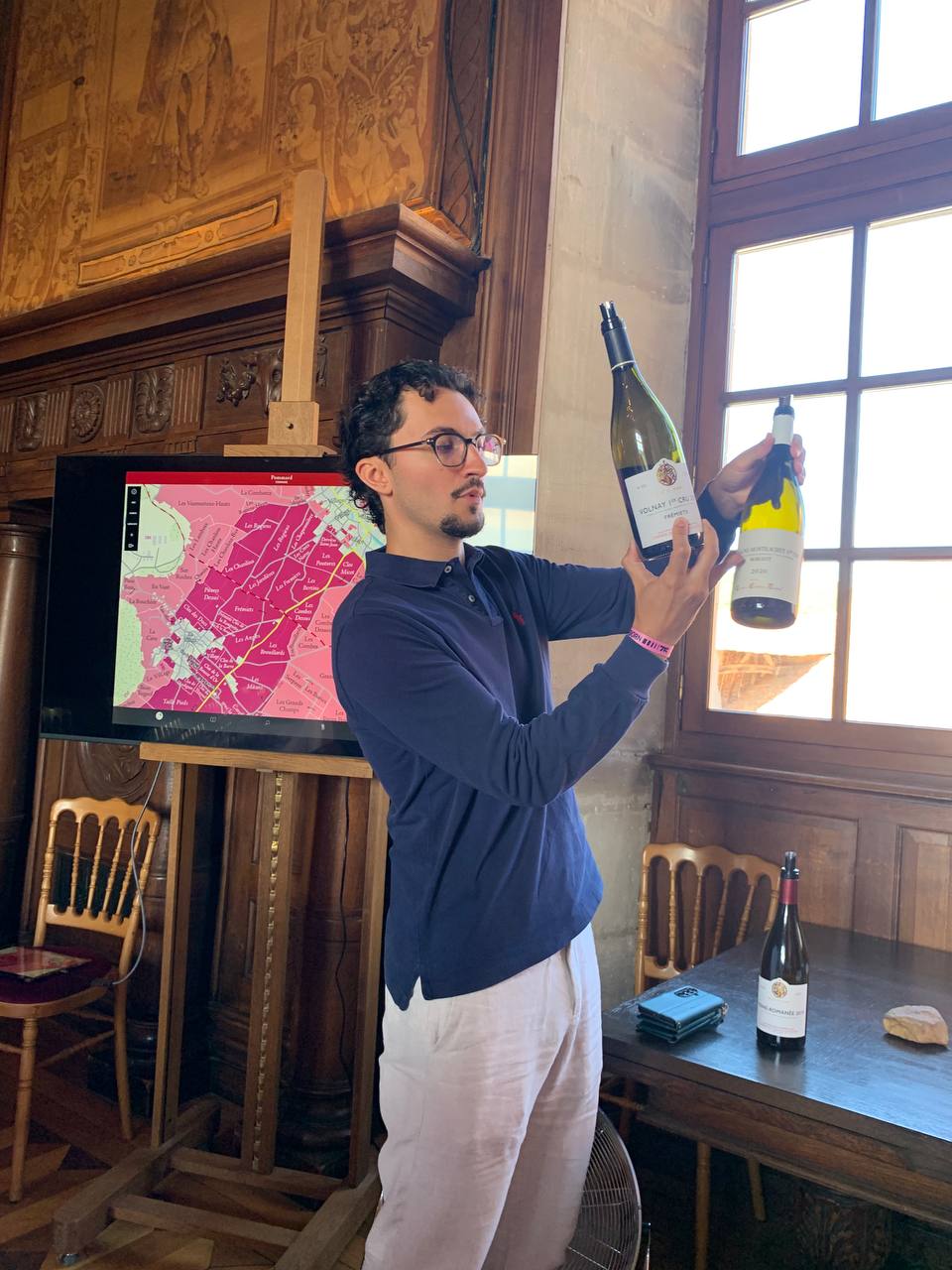
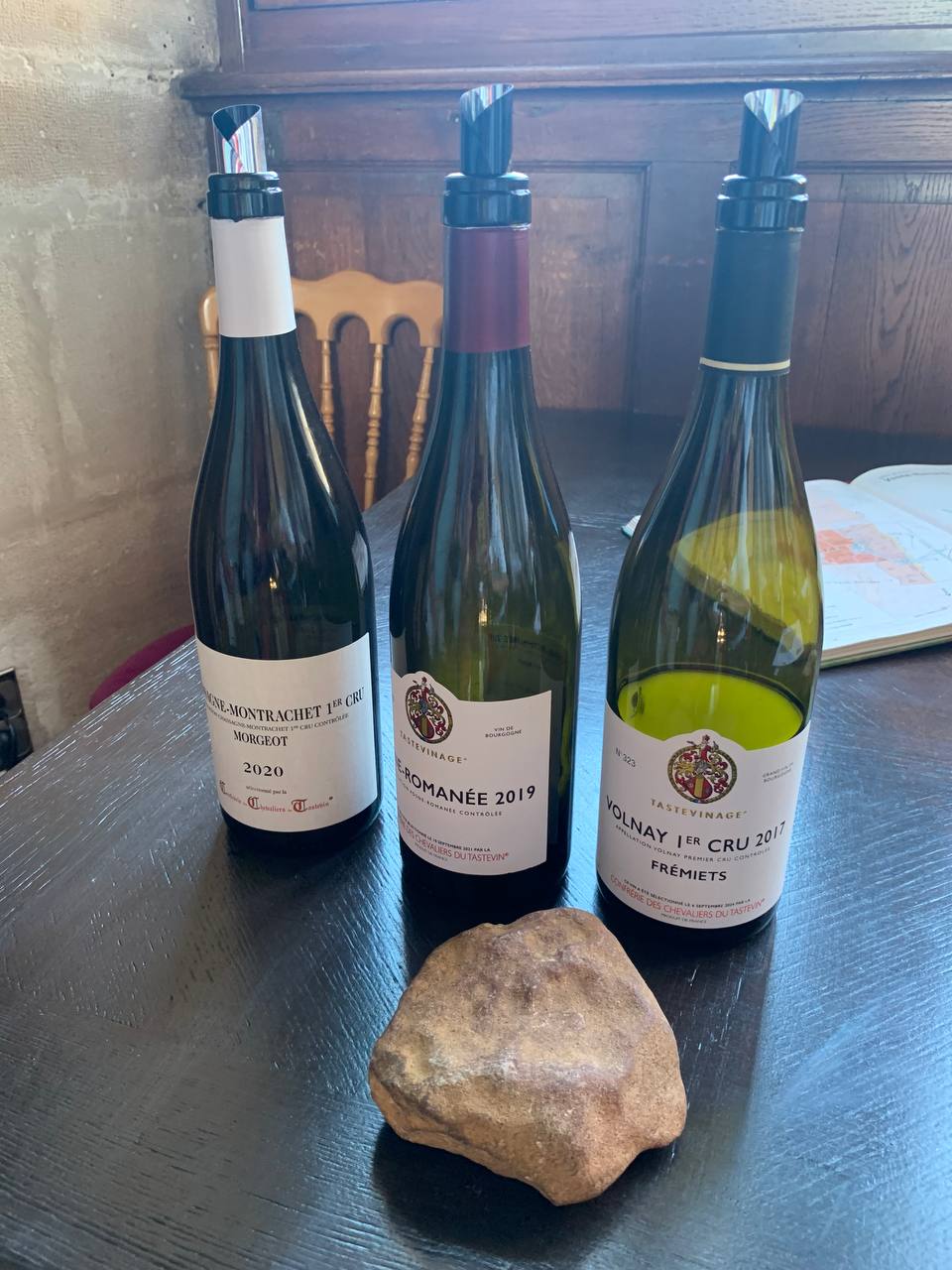
The samples from the commune Chambolle‑Musigny (Côte de Nuits) are traditionally described as Burgundy’s “feminine” wines – and this is not a metaphor but an officially recognised characteristic of the appellation. Its style is distinguished by exceptional elegance: velvety tannins, a floral bouquet of violet and rose, delicate notes of raspberry and strawberry, and a silky texture that Burgundy describes as soie et dentelle – “silk and lace”. Despite its gentleness, AOC Chambolle‑Musigny possesses a firm yet exquisitely presented structure, creating a unique balance of strength and delicacy. The sommelier at Clos de Vougeot commented on it precisely as such – the most elegant and refined expression of Pinot Noir in Côte de Nuits.
The wines of Volnay and Pommard demonstrated the contrast between finesse and structure, as well as the importance of the concept of climat: a single letter in a vineyard’s name today may signify different soil, exposure and an entirely different wine character. This is why one parcel in these parts may be valued at €9 million per hectare, while just across a footpath another may be suitable only for grazing calves.
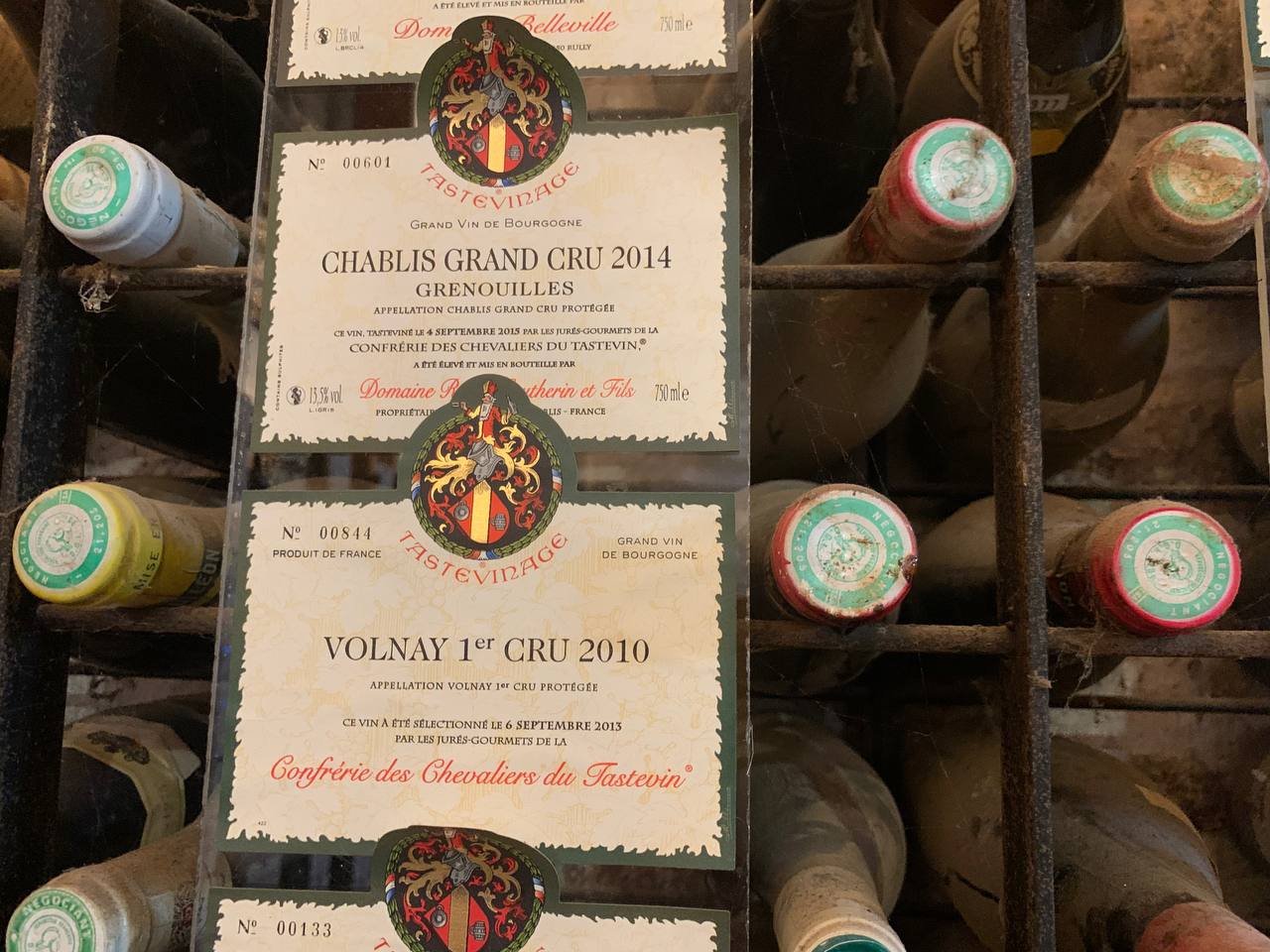
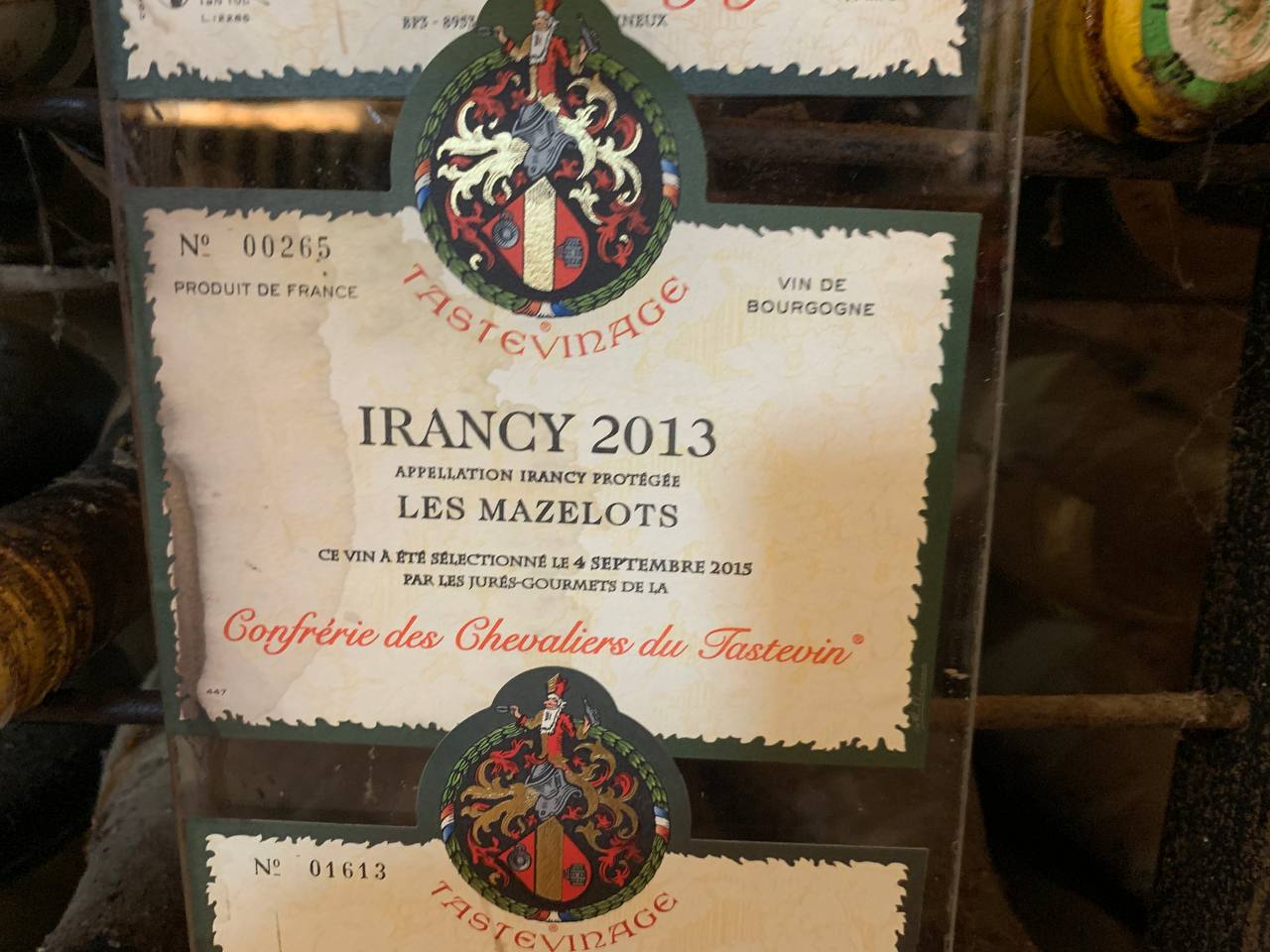
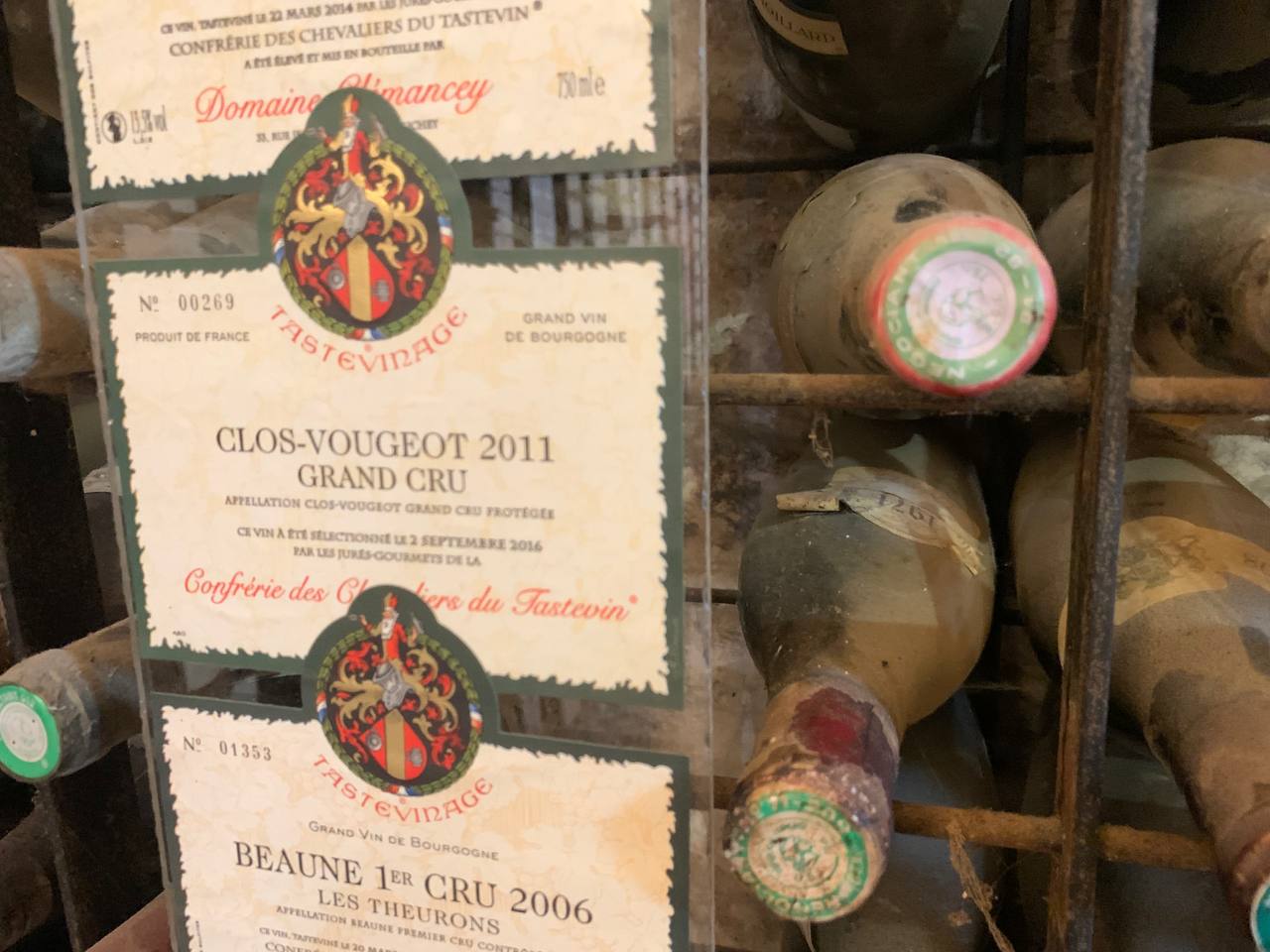
Let me remind you: Burgundy has more than 1,200 climats – historical micro‑terroirs listed by UNESCO. Each has its own story, and together they produce the remarkable statistics shared with us at Château du Clos de Vougeot. These current figures allow us – at least partially – to understand the nature of the Burgundian phenomenon.
Burgundy in numbers
(sources: Douanes, IRI, BIVB, DRAF, CAVB, DGDDI; averages for 2019–2023)
Vineyards and production
- 32,301 ha of vineyards – 4.3% of France’s vineyard area
- Territory – 203 km²
- Average annual production – 1.49 million hl
- Production structure: 61% white wines, 27% red and rosé, 12% Crémant de Bourgogne
Appellations and varieties
- 84 AOC – 23% of all French appellations
- 33 Grands Crus
- 44 Villages and Premiers Crus
- 7 regional appellations
Varieties
- Chardonnay 57%
- Pinot Noir 34%
- Aligoté 6%
- Gamay and Sauvignon 3%
Regional structure
- Chablis & Grand Auxerrois – 20% of area and production
- Côte de Beaune – 13% of area, 11% of production
- Côte de Nuits – 6% of area, 5% of production
- Côte Chalonnaise – 5%
- Mâconnais – 6%
- Regional appellations – 50% of area and more than half of production
Economy and production structure
- 3,489 domaines, of which 1,926 produce more than 10,000 bottles
- 316 négociant houses
- 16 cooperatives
- Contribution to regional GDP – 3.3%
- Employment – 45,200 people (7% of the labour market of Bourgogne–Franche‑Comté)
- Average domaine size – 8.51 ha
Exports
- 50% of production exported
- Main markets: USA – 20%, UK – 16%, Canada – 9%, Belgium – 8%, Japan – 8%
Financial indicators
- Total turnover – €2.3 billion – 58% exports – 33% traditional channels (restaurants, cavistes, direct sales) – 9% supermarkets and hard discount
- Burgundy’s share in global wine trade – 4% of value with 0.4% of world production
- In France: 25% of export turnover with 5.5% of national production
These figures show that Burgundy is a wine region whose cultural and economic weight far exceeds its physical scale. In truth, Burgundy is an economic and cultural giant disguised as a small region.
Yet nothing offers clearer perspective than comparison. So the Drinks+ editorial team conducted a brief – perhaps cursory – study: “Burgundy vs Bordeaux”.
Varieties Bordeaux – multi‑varietal blends Burgundy – mono‑varietal wines dominated by Pinot Noir and Chardonnay
Terroir Bordeaux – classification by estates Burgundy – the cult of micro‑terroir, classification by vineyards and climats
Style Bordeaux – powerful, structured wines Burgundy – refined, elegant, transparent to the soil
Vineyard area (2025) Bordeaux – 110,800 ha Burgundy – 30,000–32,000 ha
The ratio is almost 4:1, yet in reality it is Burgundy that is often more expensive, more prestigious and more unattainable. Perhaps scarcity breeds desire.
The exclusivity of land – the foundation of Burgundy’s stability
During our journey, we visited domaines where vineyard prices reach €9–12 million per hectare. And even at such prices, parcels are not for sale. At all.
This closedness, inaccessibility and ultimately elitism form Burgundy’s unique advantage. Unlike Bordeaux, where estates can expand, Burgundy’s land has sacred value. It is passed down, protected, preserved as heritage.
According to many observers, this is precisely why Burgundy has maintained its remarkable stability throughout the global wine crisis – prices have not fallen, demand has not waned, and the value of land continues to rise. Denis Anjuere, Export Manager at Albert Bichot, offered a succinct explanation: “If you look at Burgundy’s potential in terms of vineyard surface, over the past 40–45 years it has expanded only very modestly – by roughly 1,000 hectares – while neighbouring regions have grown by 10,000 to 20,000. I believe this is the key reason. And, of course, more and more people are discovering Burgundy for themselves – as a region producing truly unique wines – which is why prices continue to rise despite the broader crisis.”
Climate change – a troubling horizon
Our June expedition lasted a week. In the final days, temperatures held at 38–40°C. For us, it was not merely a test of endurance during tastings (for which the D+ team is especially grateful to everyone who embarked on that scorching journey), but a revelation: even the Golden Slopes – Côte d’Or, famed for cool summer rains – are not protected from global warming. Today, France, which endured that June heatwave with difficulty – and even with human losses – stands on the threshold of revising many of its principles, including the ban on installing air‑conditioning in historic buildings.
Moreover, we heard from several winemakers – calmly, without drama – that within a few years Burgundy may cease to produce its incomparable, delicate Pinot Noir. This is a fact, a reality for which preparations are already underway. And a new question arises: is there a region on the planet capable, under the pressure of warming, of taking over Burgundy’s fine‑wine baton? For now, the answer is unclear. But it is precisely such questions that keep the wine world alive – and compel us to return to Burgundy’s golden slopes again and again.
Dossier
Grand Auxerrois Grand Auxerrois is a wine sub‑region of Burgundy that unites several appellations around the town of Auxerre. It is not a separate AOC but a geographical wine zone within the broader Bourgogne region.
It includes a group of appellations located near Chablis yet possessing their own stylistic identity and history:
- Irancy AOC • Saint‑Bris AOC (the only Sauvignon Blanc in Burgundy) • Côte d’Auxerre • Bourgogne Côtes d’Auxerre • Bourgogne Coulanges‑la‑Vineuse • Bourgogne Épineuil • Bourgogne Chitry
- Stylistically, Grand Auxerrois offers: • Pinot Noir with bright fruit and light tannins (Irancy, Épineuil) • Chardonnay in a fresh, mineral style • Sauvignon Blanc in Saint‑Bris – unique for all of Burgundy • Aligoté and other local expressions.
Stay connected with Wine Travel Awards: