
The Vineyards at Dodon #87
The Symphony of the Plant World: Energy, Connections, Evolution
Plants have existed on Earth for about 400 million years. That’s a long time for evolution to eliminate what doesn’t work and improve what does, generation after generation. During this period, plants have learned to use solar energy to convert atmospheric CO2 into food for other members of their community, from the tiniest microbes to the largest animals. They offer shelter for insects and birds that are vital for reproduction, and their roots and leaves help stabilize soils and shape landscapes over time.
They create rain in the dry season through a process called hydraulic redistribution. Instead of sending their waste to landfills, they produce oxygen in a circular economy. They communicate among themselves and with their communities, including humans, through chemical signals, many of which we find enjoyable. In countless subtle ways, plants influence the health of the ecosystems around them, supporting life far beyond what is immediately visible.
Nature’s Lessons – Diversity as Strength
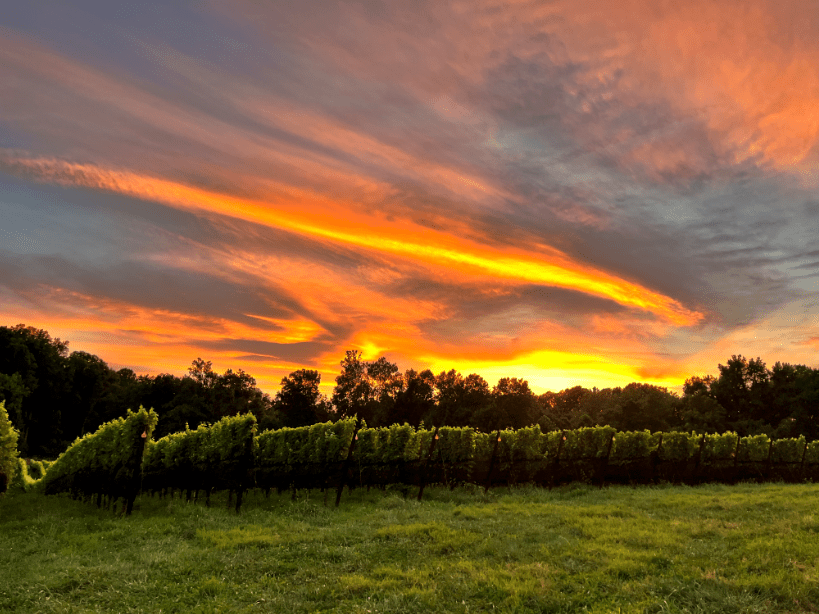
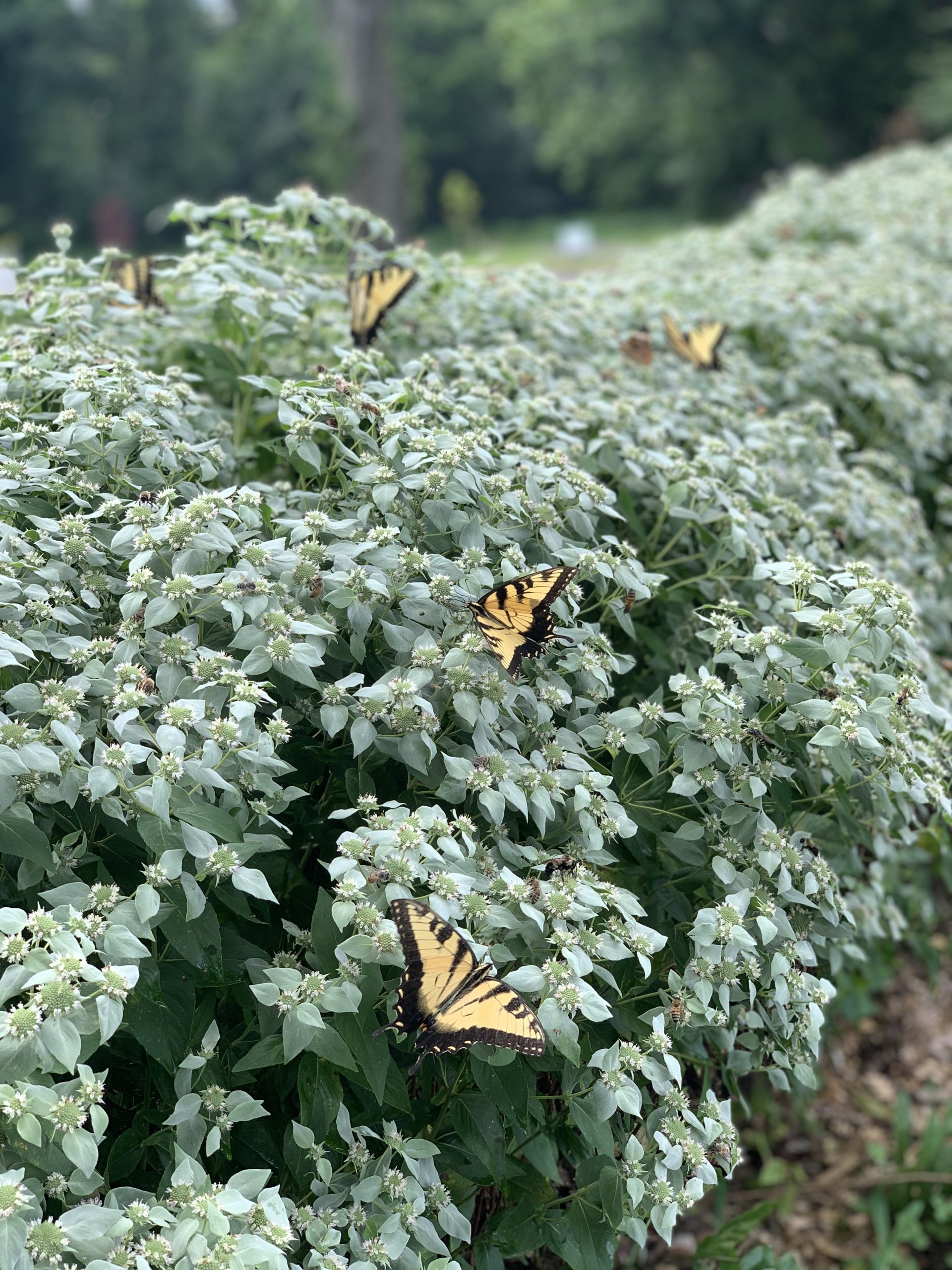
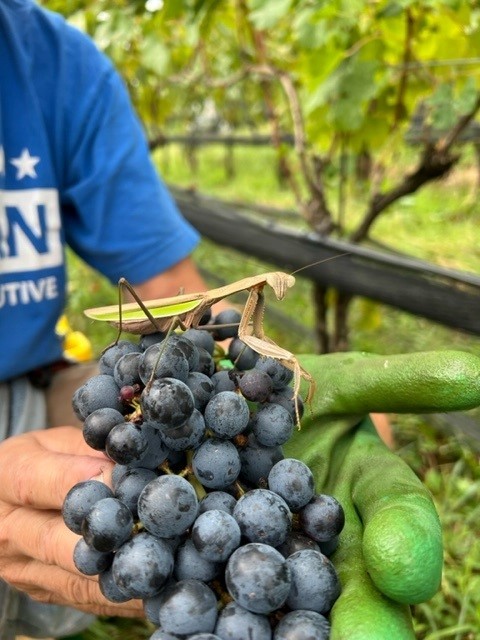
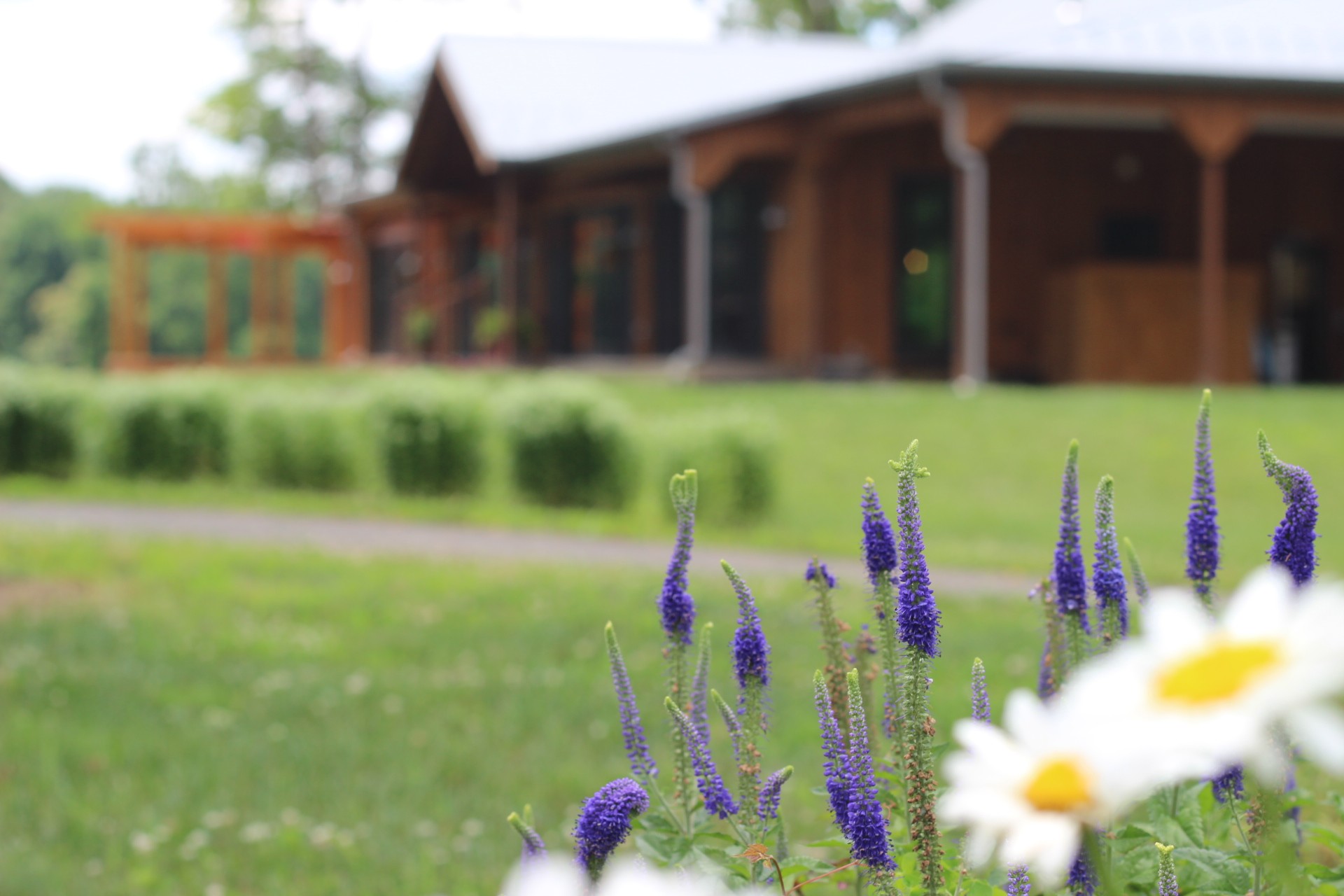
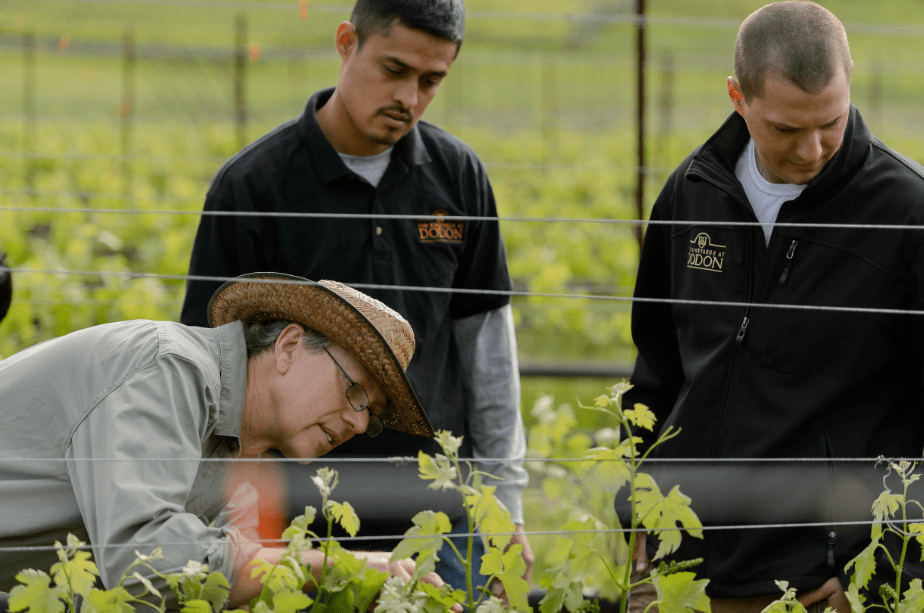
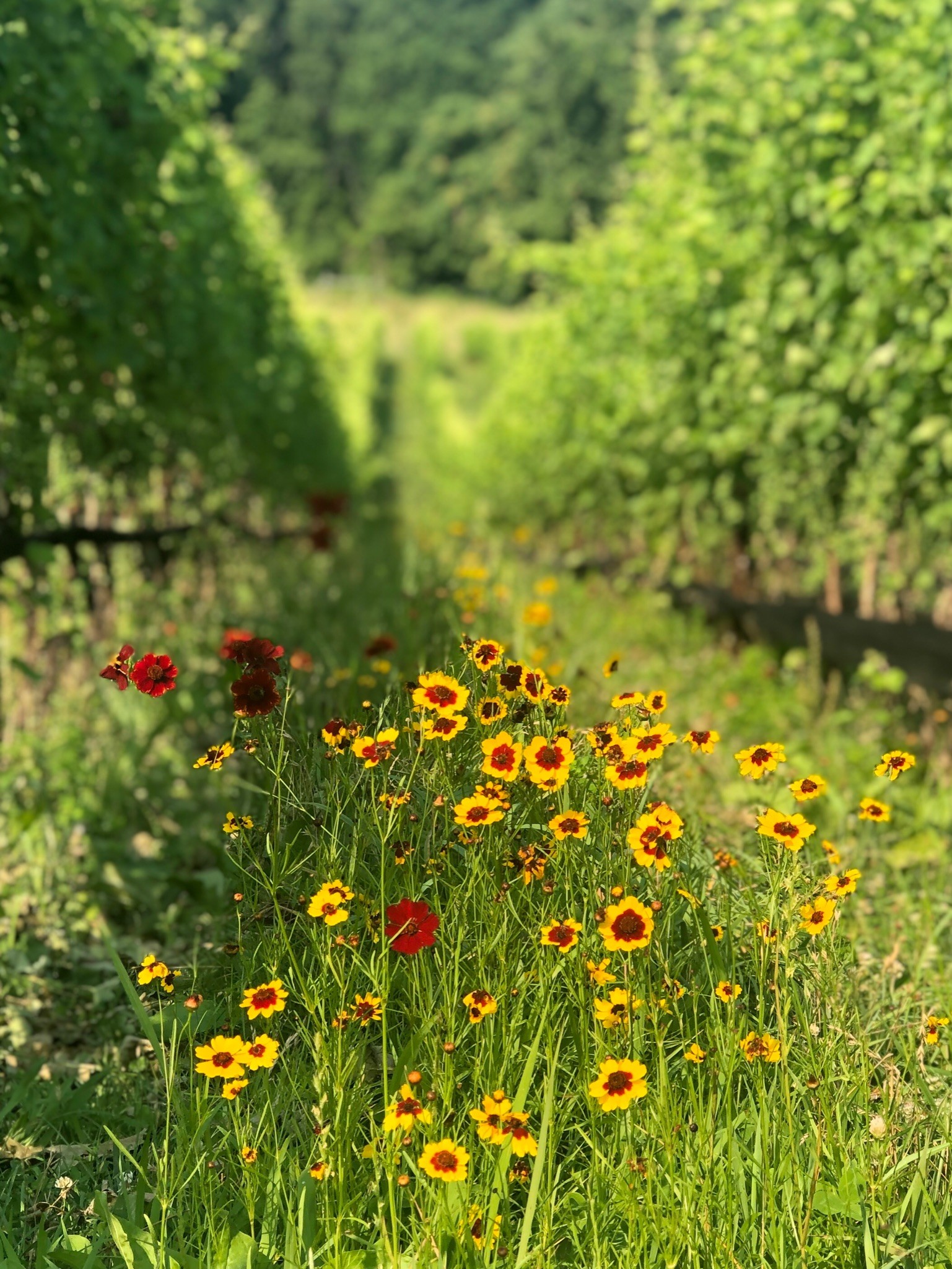
At Dodon, nature serves as the teacher for tackling complex challenges. Increasing the diversity of plant life in the vineyard enhances resilience to more frequent droughts and heavy rains, improves nutrient cycling to supply the vines with essential nutrients when they are needed most, and creates conditions for long-term carbon storage in the soil. A variety of plants throughout the vineyard attracts numerous insects and birds that help control pests, while producing a broader range of phytonutrients that protect the vines from mildew and rot.

A Reciprocal Relationship with the Land
One of the most important lessons observed at Dodon is that the natural world is not owned but respected. In return for a bountiful harvest, the vineyard gives back to the land. This may include direct care, such as weeding and pest control, or more indirect support, like dedicating land as habitat for microbes, birds, and insects that feed and protect the plants. The approach creates a reciprocal, giving economy, fostering a harmonious relationship between the vineyard and the natural world.
From Earth to Glass
This relationship with nature has provided tremendous benefits. Our vines remove nearly 300 tons of atmospheric carbon dioxide each year and store it in the soil – the same amount emitted from burning 30,000 gallons of gasoline. We have almost eliminated insecticides, cut fungicide use by a third, and make seventeen fewer tractor passes each season, decreasing carbon and chemical pollution. Our yields have increased by 30%, and the wine now exhibits greater freshness, richness, and flavor. Dodon wine truly embodies our connection with nature.
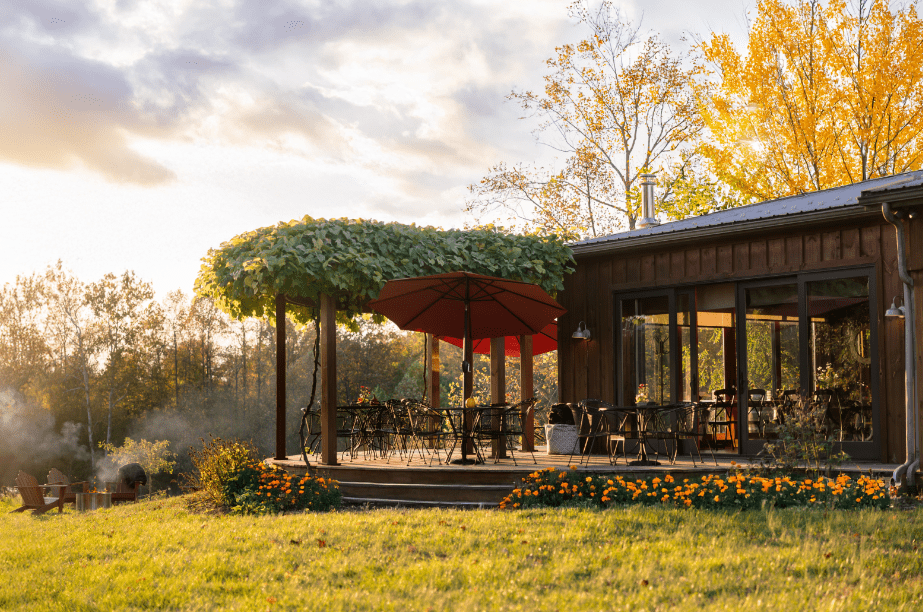
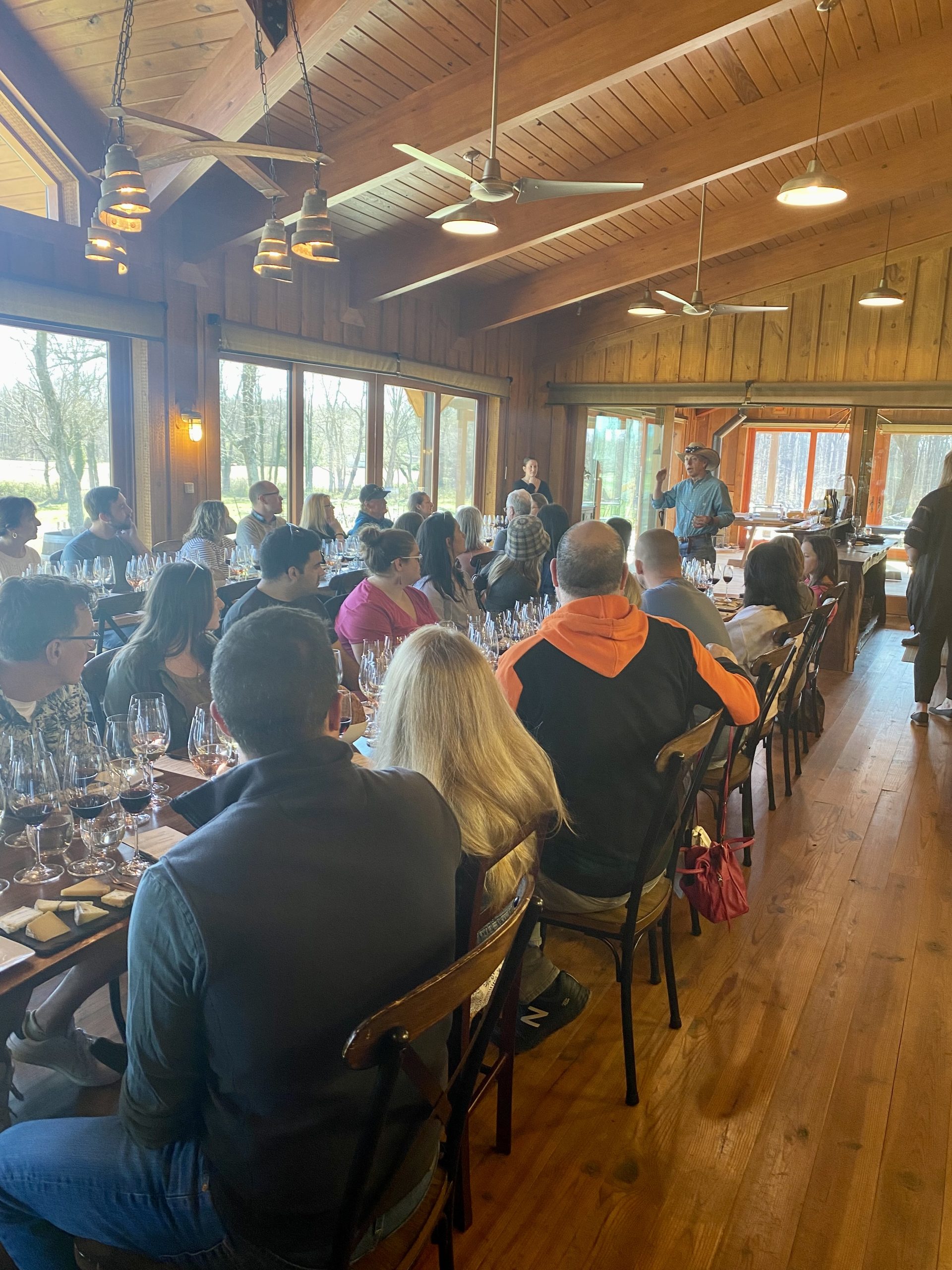
As members of the wine industry, we have both the opportunity and the responsibility to share these lessons with our community. Every weekend, we invite guests to experience firsthand the benefits of a reciprocal relationship with nature, witness its natural beauty, and taste wines unique to Dodon’s ecosystem.







Reviews
“The Vineyards at Dodon is that rare winery that actually walks the talk when it comes to caring for the land and educating customers and partners about why that’s important. Their leadership in this arena comes from the top as Tom and Polly are deeply and personally invested in viticulture and regenerative agricultural principles. Tom and I served together on the Maryland Healthy Soils Commission for several years, and it is a pleasure to see him transform knowledge into action through the Creation of the Dodon Center for Ecological Farming. The mission statement (below) is powerful, and the work is underway! The Dodon Center for Ecological Farming promotes a rich transition to ecological farming and a sustainable food system through collaboration, training, and education. Working at the intersection of agriculture, science, human health, and social equity, we advance farming practices that restore the environment and produce nutritious food, promote the dignity and rights of farmworkers, foster dialogue and shared values, and develop and disseminate solutions to create a just, healthy, and ecological world.”
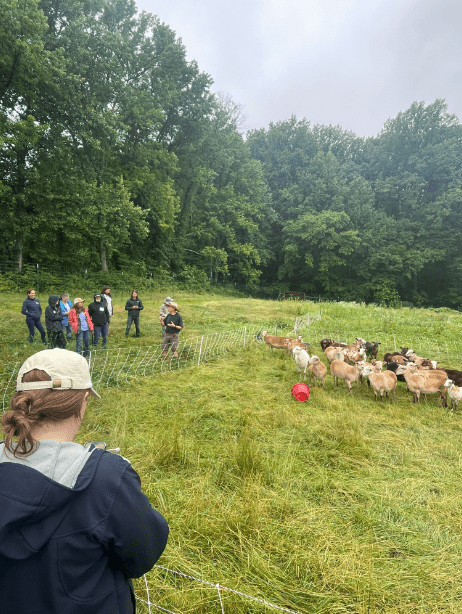
“Regenerative viticulture may be hard to say, but it’s easy to understand by the time you leave The Vineyards at Dodon. It is winemaking that fully embraces the power of community. The staff and its “resident” gaggle show rather than tell you about the vineyard and its landscape from the moment you arrive. The sheep are usually somewhere along the drive up to the main building; you can see the big daikon sprouts between the vines, and Tom may chase you down to show you the damage caused by pesticide drift from a neighboring farm. That same community grows as Dodon connects you with professional cheese makers, local farmers, or other winemakers at dinners or tastings. Every time I leave Dodon, I’ve learned at least two new things that have impacted the way I see the world. It is a renaissance vineyard, valuing curiosity and experimentation and then sharing its discoveries in thoughtful ways.”
“I first stepped foot at the Vineyards at Dodon over ten years ago. Though we don’t go as often as we’d like to, it feels like home every visit. Tom Croghan and Polly Pittman are the most approachable owners. From our very first tasting until today we learn something new (and usually several things): from characteristics of a certain vintage and the growing conditions that yielded them to the always-improving health of the vineyard’s ecosystem. This is why in 2024, when serving in the White House, I asked Tom to present to a new peer-to-peer learning network focused around restoring and protecting America’s waters. Dodon is on the cutting edge of innovating with nature, and the first to share their secrets because they believe that doing right by the environment and people is the recipe for exceptional wine. And it shows! I recommend a full tasting, and take home at least a few bottles of the Reserve Sauvignon Blanc.”