
The Venissa Estate #100
Venissa and the Revival of the Venetian Lagoon
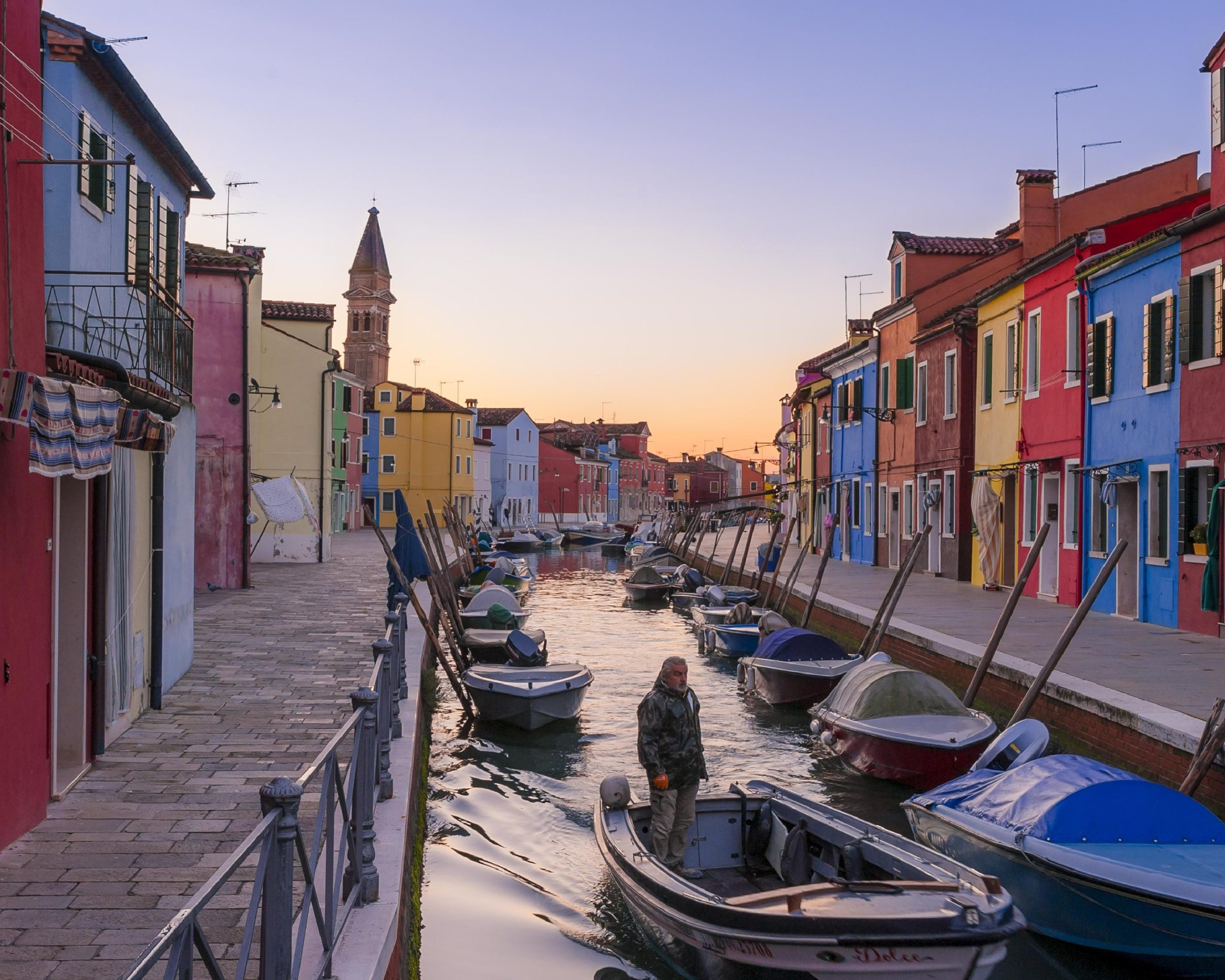
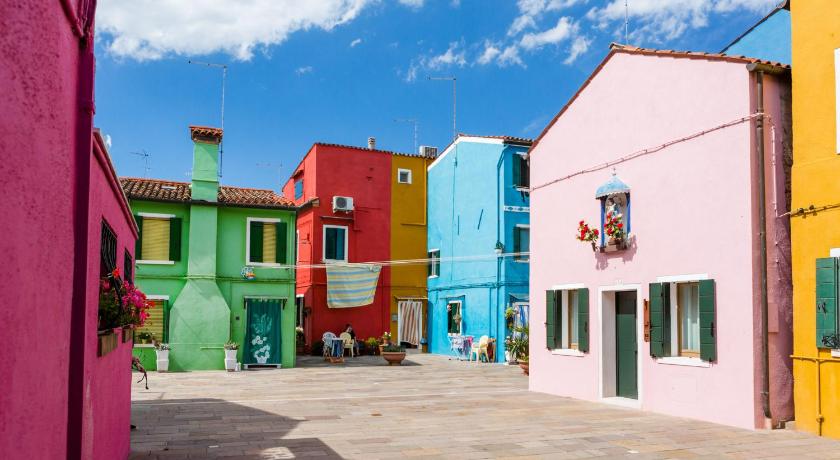
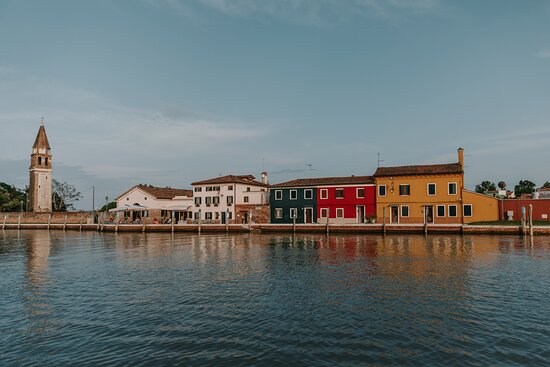
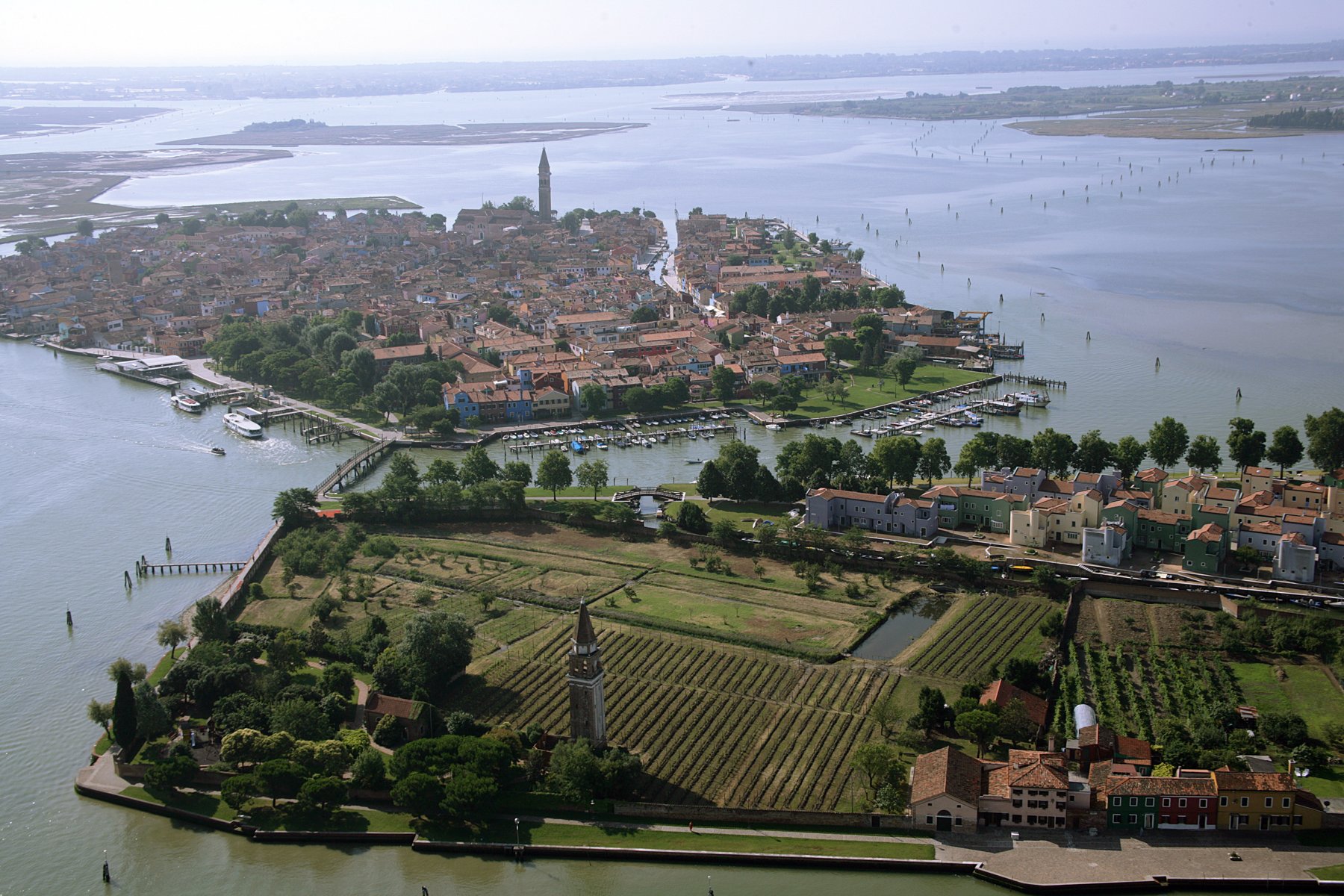
The Venissa Estate is located on the island of Mazzorbo, part of the unique lagoon archipelago together with Burano and Torcello – a territory where nature, vibrant colors, authentic flavors, and centuries of art come together to form what is known as Native Venice.
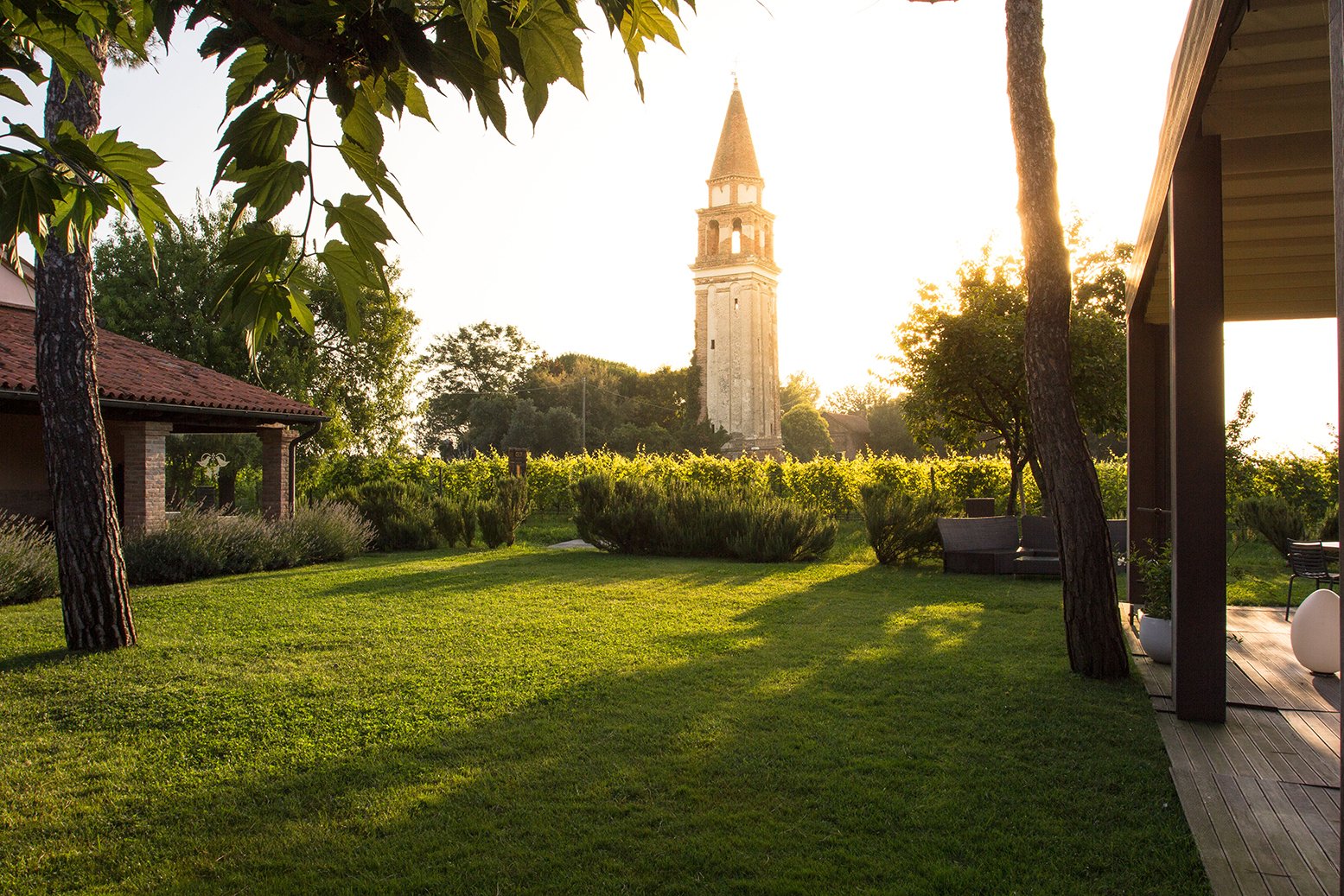
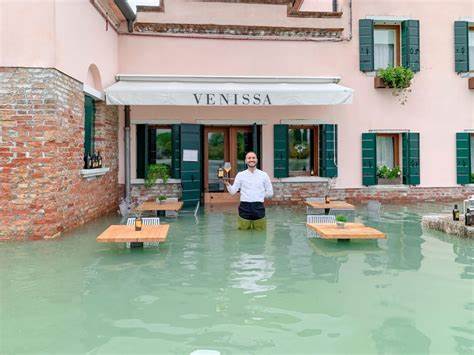
Venissa is a rare and striking example of a historic walled vineyard. Carefully restored by the Bisol family, renowned for their winemaking heritage, the estate has become a symbol of the revival of Venetian viticulture. Within its ancient walls grows Dorona, an indigenous grape variety of the Venetian lagoon that nearly disappeared after the devastating flood of 1966. Today, Dorona once again thrives here, embodying the resilience of the land and the commitment to preserving its cultural and agricultural identity.
Two Millennia of Winemaking
Venissa’s story began almost by chance, leading to a remarkable discovery: some of the very last remaining grapevines in Venice, a living trace of a winegrowing culture nearly erased by the flood of 1966. This tradition reaches back more than 2,000 years, to a time when vineyards even surrounded Piazza San Marco, before gradually giving way to the iconic palazzos admired today. Until just fifty years ago, many islands of the Venetian Lagoon were still devoted to wine production, particularly Mazzorbo, Burano, and Torcello – the heart of what is now known as Native Venice.
Lost to history. Found for history
“While accompanying some customers on a trip to Torcello, I noticed an old grapevine in a private garden near the Cathedral of Santa Maria Assunta. I persuaded the owner to send me some of the grapes as soon as they were ready. The crates arrived full of thick-skinned grapes with a brilliant golden color. It was the famous Dorona, the golden grape loved by the Venetians, served during the Doges’s banquets, and then lost to history.” – Gianluca Bisol. Gianluca Bisol discovered 88 vine plants in 2002 in the gardens and remaining vineyards of Venice. The Dorona di Venezia is a native white-skinned variety that adapted well to the high waters and the particular conditions of this unique terroir.
After the first microvinifcations were carried out, Gianluca Bisol and his colleagues decided to replant the variety, which, in the lagoon, produces a nectar that cannot be found anywhere else in the world. The ideal location turned out to be Mazzorbo and specifically the Scarpa Volo estate – a walled vineyard and winery for centuries until the great flood of 1966. It is here that the Bisol family decided to replant 4000 vine plants of Dorona (less than 1 hectare).
Dorona, the golden grape
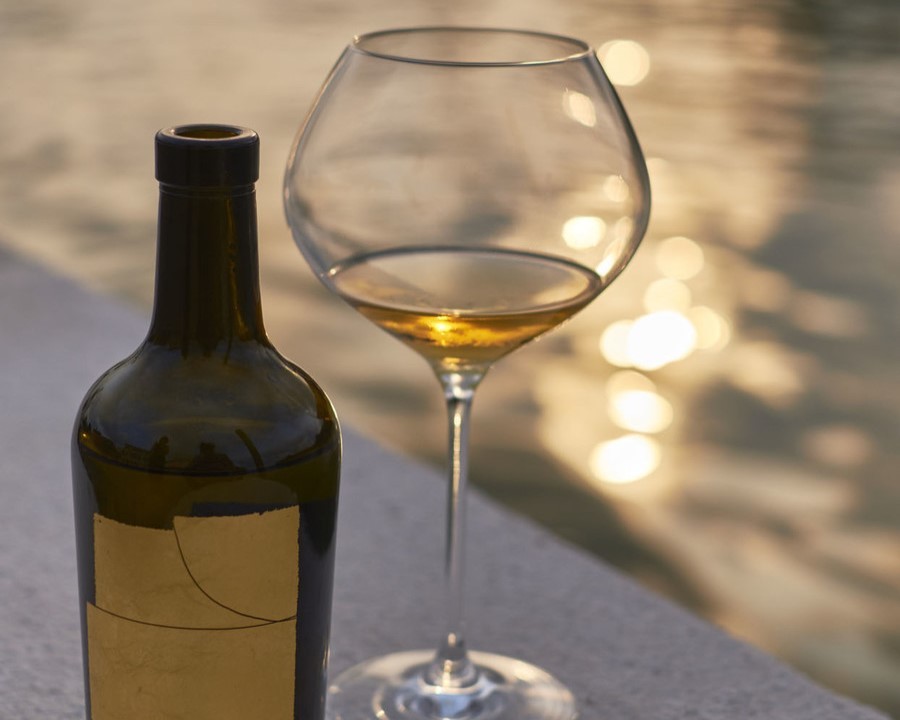
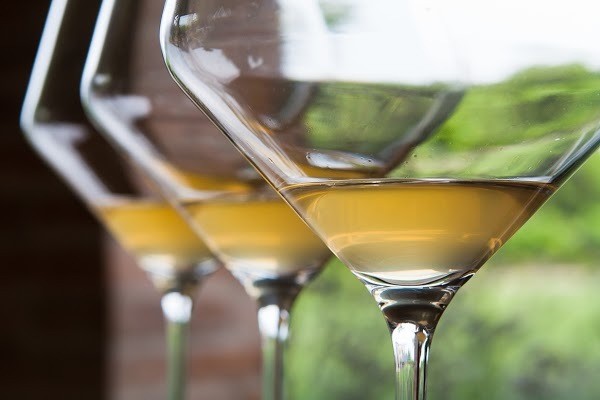
Vinification is carried out by Matteo Bisol, son of Gianluca, who also led the Venissa project from 2013 to 2021. His approach is deeply rooted in tradition, with a long skin maceration – a technique once widely practiced by local growers in the Venetian Lagoon. This method gives rise to a complex white wine with remarkable structure, depth, and ageing potential. Through prolonged contact with the skins, the wine draws out the distinctive sapidity, layered flavors, and singular aromas of this inimitable terroir. The sensory profile reveals notes of honey, wormwood, and white peach, expressing both the character of the Dorona grape and the unique lagoon environment in which it is grown. The bottle itself pays tribute to Venice’s rich cultural heritage, honoring three historic local traditions: winemaking, gold, and glassmaking. Its design is the result of a thoughtful association of ideas that begins with the very name of the grape – Dorona, meaning “the golden one” – a fitting symbol of Venice’s past and the rare treasure preserved within each bottle.
Gold and glass
One of the greatest traditions of Venice’s artisanal past is, in fact, that of the families of gold hammerers, the “Battiloro” in Italian. They hammer gold by hand, ultimately obtaining an impalpably fine gold leaf. It is a tradition that, like winemaking, had almost disappeared from Venice: of the more than three hundred gold making families that once existed, only one remains, the Berta Battiloro family. Traditional Venetian gold leaf is applied by hand to each bottle of Venissa and baked onto the glass in one of the glassmaking ovens on the famous island of Murano.
The “walled vineyard"
Venissa has been a pioneer in bringing wine back to the lagoon, whose reputation is quickly spreading among international wine lovers as an ideal and unique place for viticulture. Today, this walled vineyard produces 3000 bottles of Venissa Bianco, one of the most sought-after wines in the world by enthusiasts and collectors; a unique wine with a complex profile that is directly connected to the symbiosis between the Dorona and its terroir of origin. After Venissa came Rosso Venissa, a red wine produced from Merlot and Carmenere from a 50-yearold vineyard located on the island of Santa Cristina. Both are wines that immediately drew the interest of wine connoisseurs. The first vintage of Rosso Venissa, the 2011 harvest, was awarded 93 points by the prestigious Italian Veronelli guide, which also gave 94 points to Venissa Bianco 2016. Venissa Bianco 2015 won Veneto Wine of The Year from AIS in 2021 and received 92 points from Vinous.
Ristorante Venissa, Osteria Contemporanea& Wine Resort
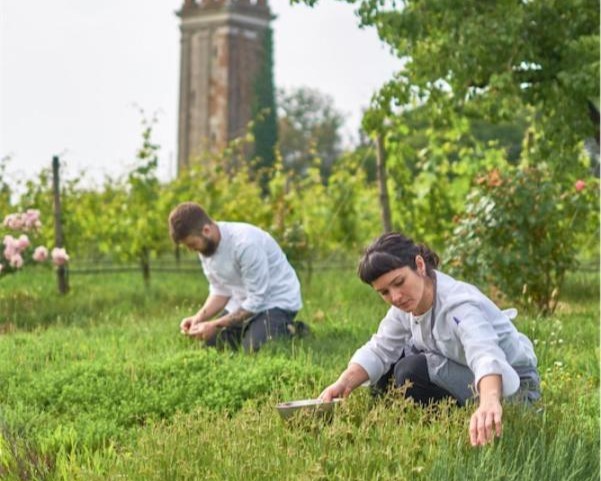
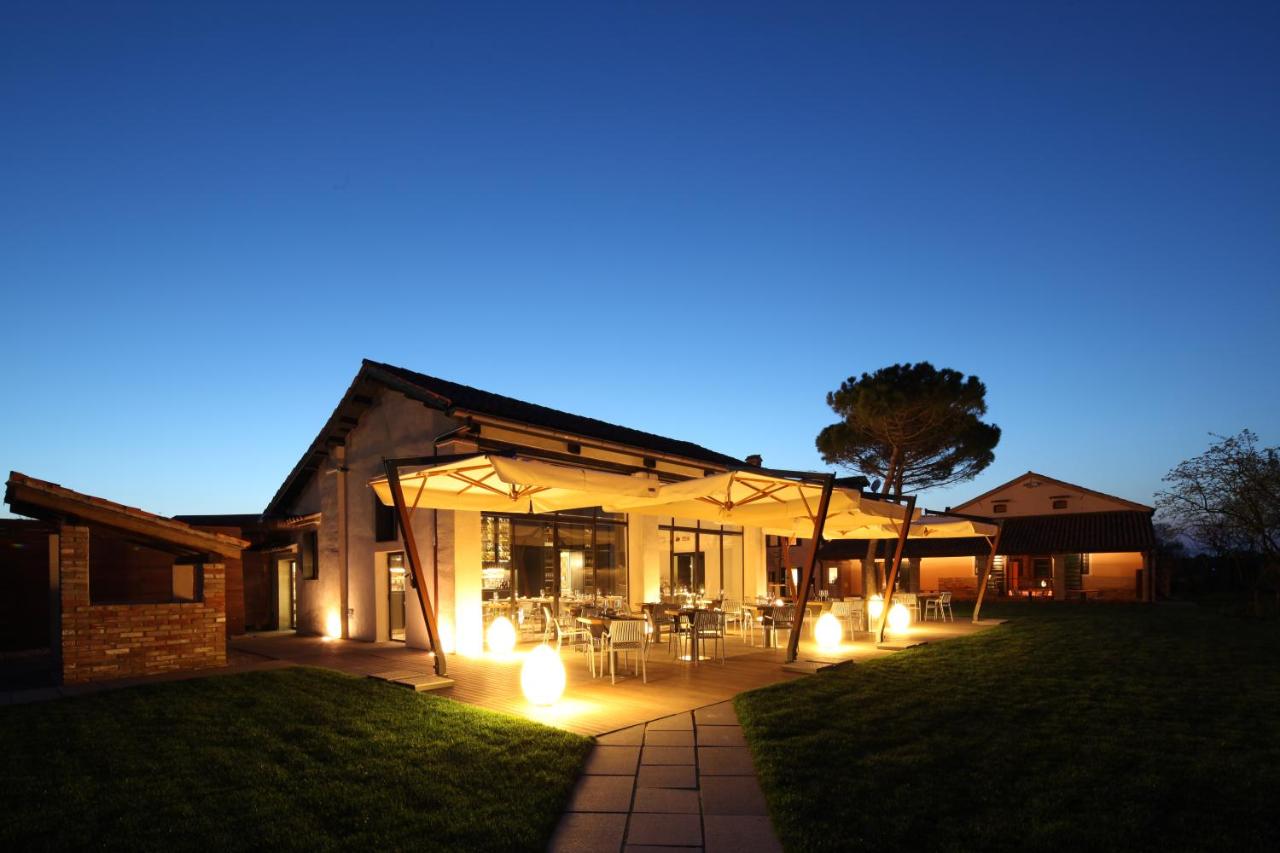
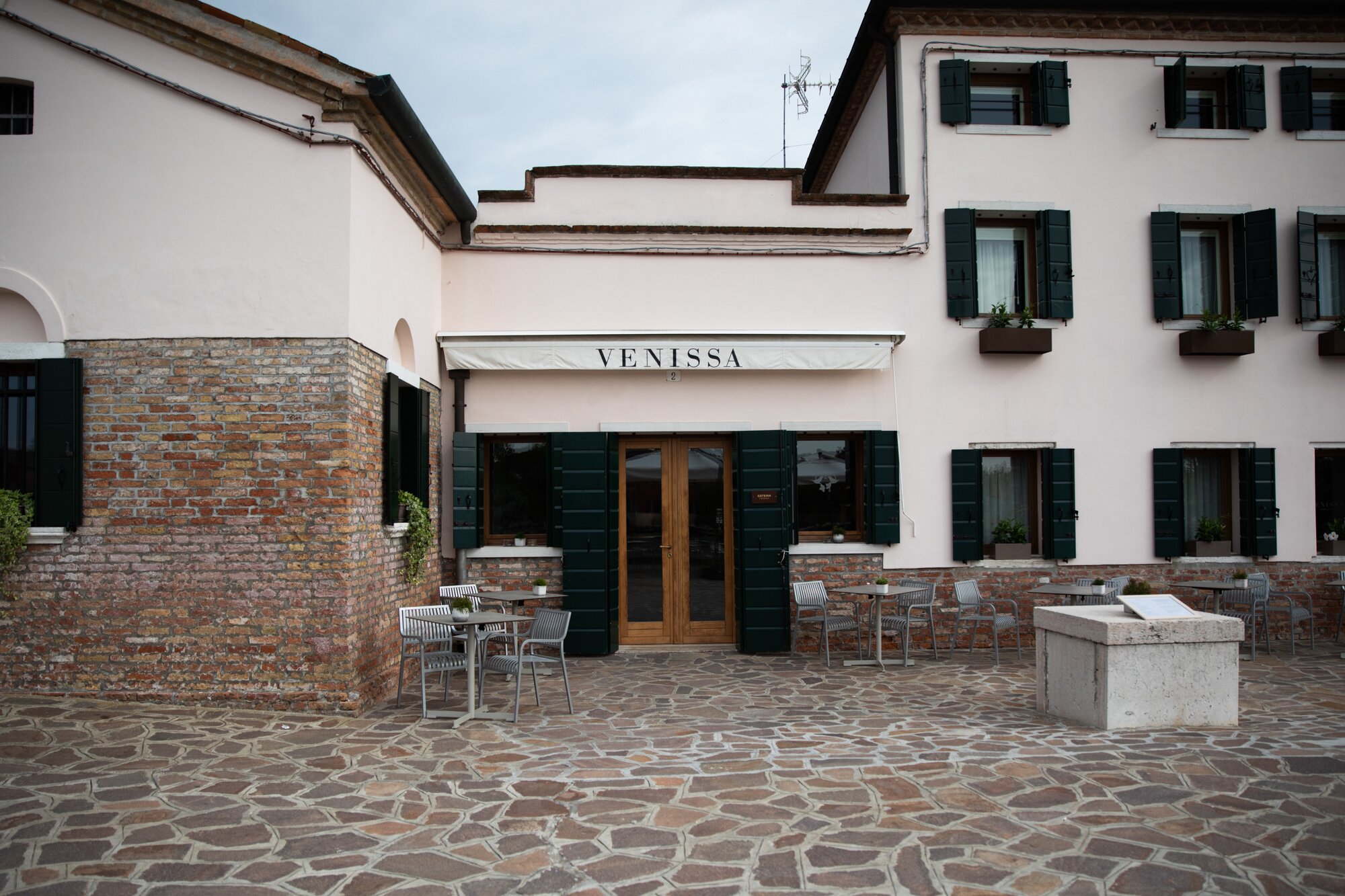
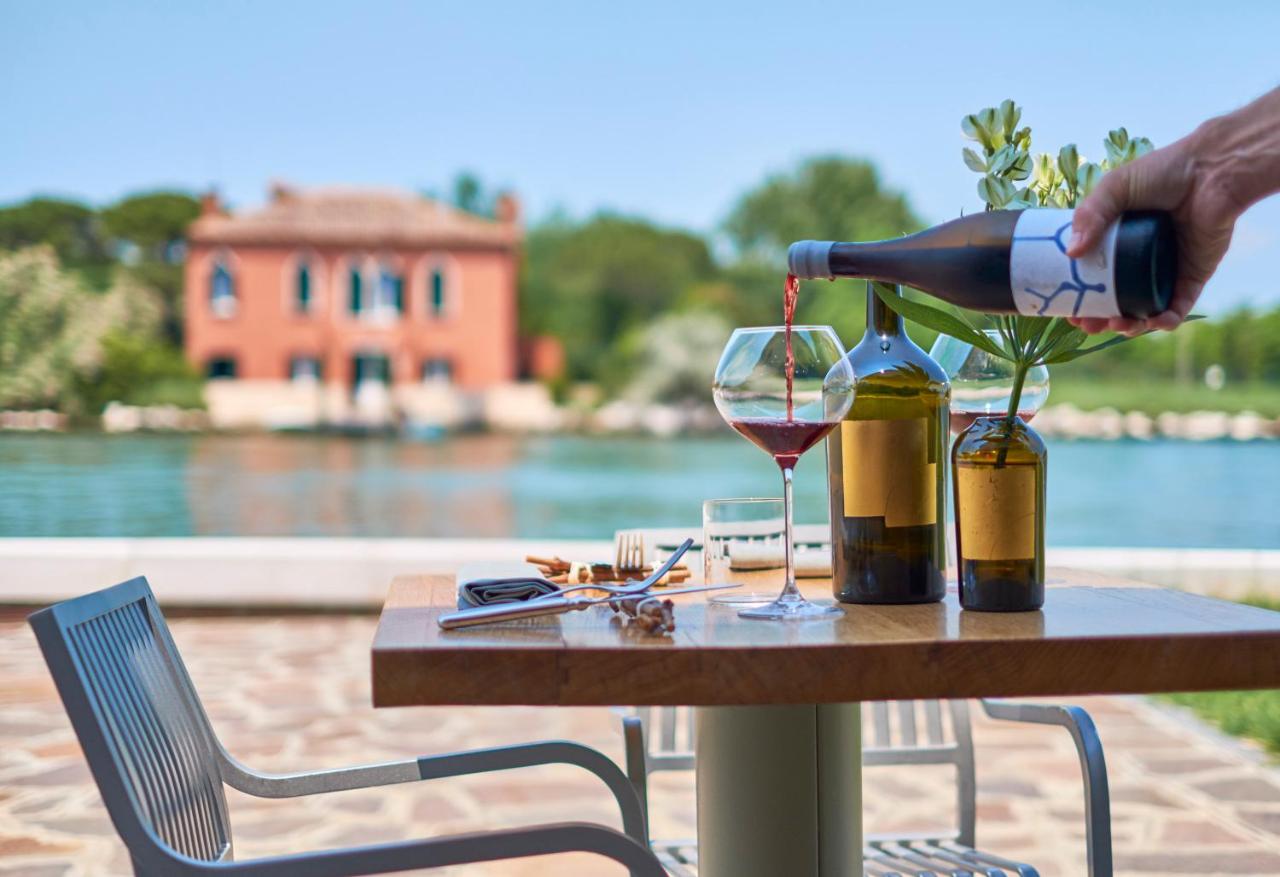
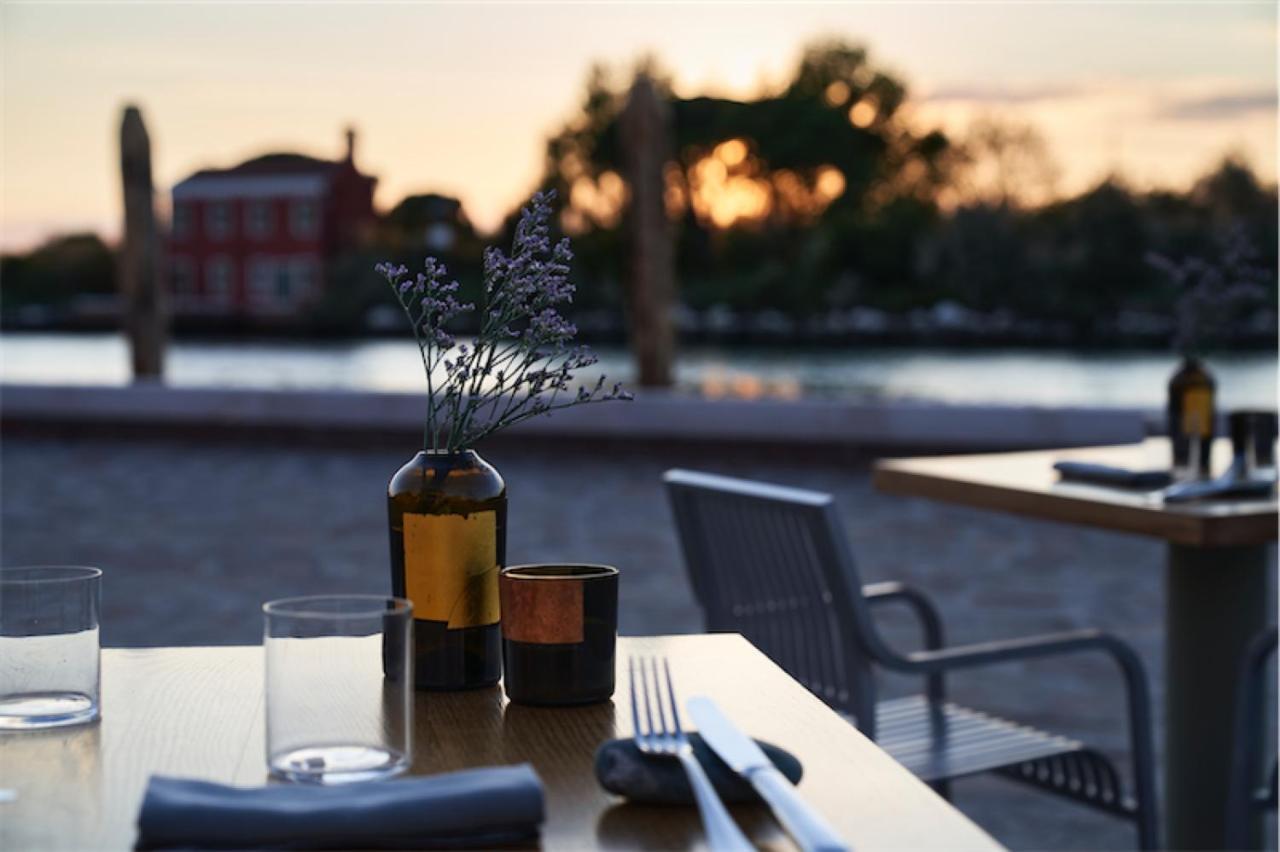
The walled vineyard works as a perfect setting for the Ristorante Venissa, where Francesco Brutto and Chiara Pavan put their own unique spin on Native Venice through a cuisine that offers a true taste of place and reflects on its environmental impact. Their cucina ambientale is seasonal and local and prioritises vegetables, lesser fish and seafood & foraged ingredients from the lagoon. The same ingredients are also the protagonists of the cuisine of the Osteria Contemporanea, where food becomes convivial and the atmosphere is cheerful and relaxed. Facing the garden, Venissa’s Bar offers the perfect gourmet break with snacks, wines and cocktails. Not to be missed are the Wine Experiences, during which guests go on a tour of the estate and taste the Venissa wines. For a complete experience, guests can sleep in one of the 5 rooms of the Wine Resort or in one of the 13 rooms of Casa Burano, Venissa’s hospitality project on Burano island.