

The First Wine Museum in Georgia. SHUMI #145
The First Wine Museum in Georgia. SHUMI
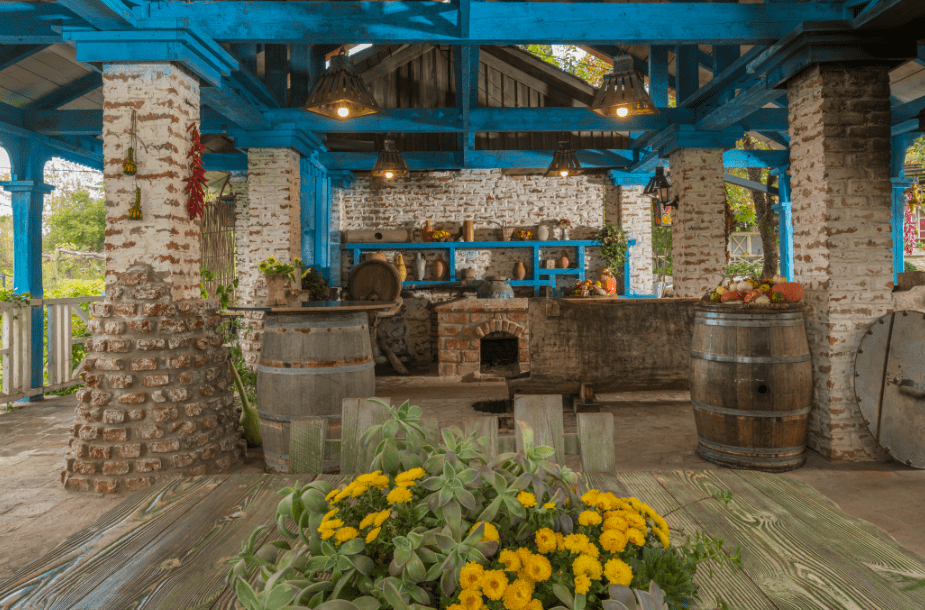
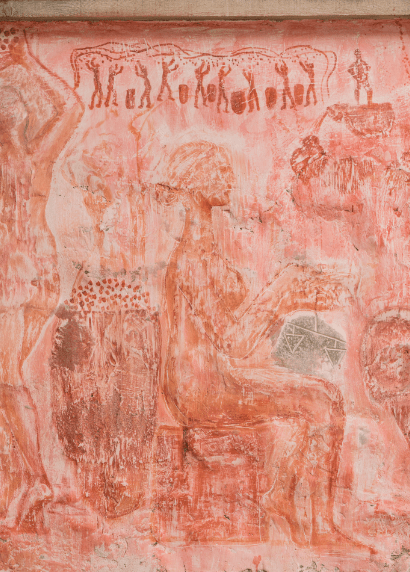
In 2005, SHUMI founded The First Wine Museum in Georgia, which contains exhibits of ancient Georgian household and winemaking traditions. Most of the exhibits are artifacts found during archaeological excavations in Kakheti, which embody the life and development of winemaking in different eras of Georgia. The oldest artifacts of the museum are more than 6,000 years old. Greek sources were the first “reporters” of the ancient world and contain an invaluable “archive” for the early history of Georgia. Georgia (ancient Colchis and Iberia) occupies an honorable place in ancient mythology. For the ancient Greeks, this region was a country of mysterious knowledge and untold riches. On the western wall of the VINOBIZA pavilion is the famous story of the visit of the first “official tourists” to Georgia – the expedition of the Argonauts about 33 centuries ago, whose main goal was to take the Golden Fleece. Another fresco shows scenes from the life of Georgia at that time, including grape harvesting and grape pressing and winemaking. Georgia was a country of cultural farming, where, in addition to grapes, fruits and wheat were grown and honey was collected (the oldest honey ever found in history was found in Georgia, and it is 5,000 years old). Therefore, the ancient Greeks called the country Georgia – the country of farmers.
Preserving the Genetic Heritage
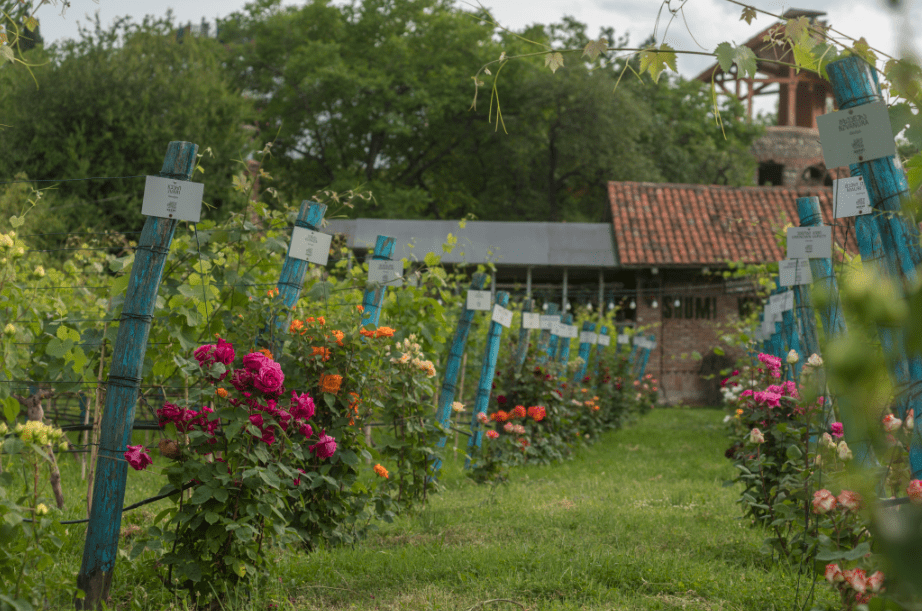
In 2003, in order to preserve the integrity of the genetics of Georgian autochthonous grape varieties, SHUMI created The First Private Ampelographic Collection in Georgia.
This initiative became an important step toward protecting the country’s unique viticultural heritage. It also laid the foundation for long-term scientific research and preservation of rare grape varieties.
The World’s Largest Private Ampelographic Collection
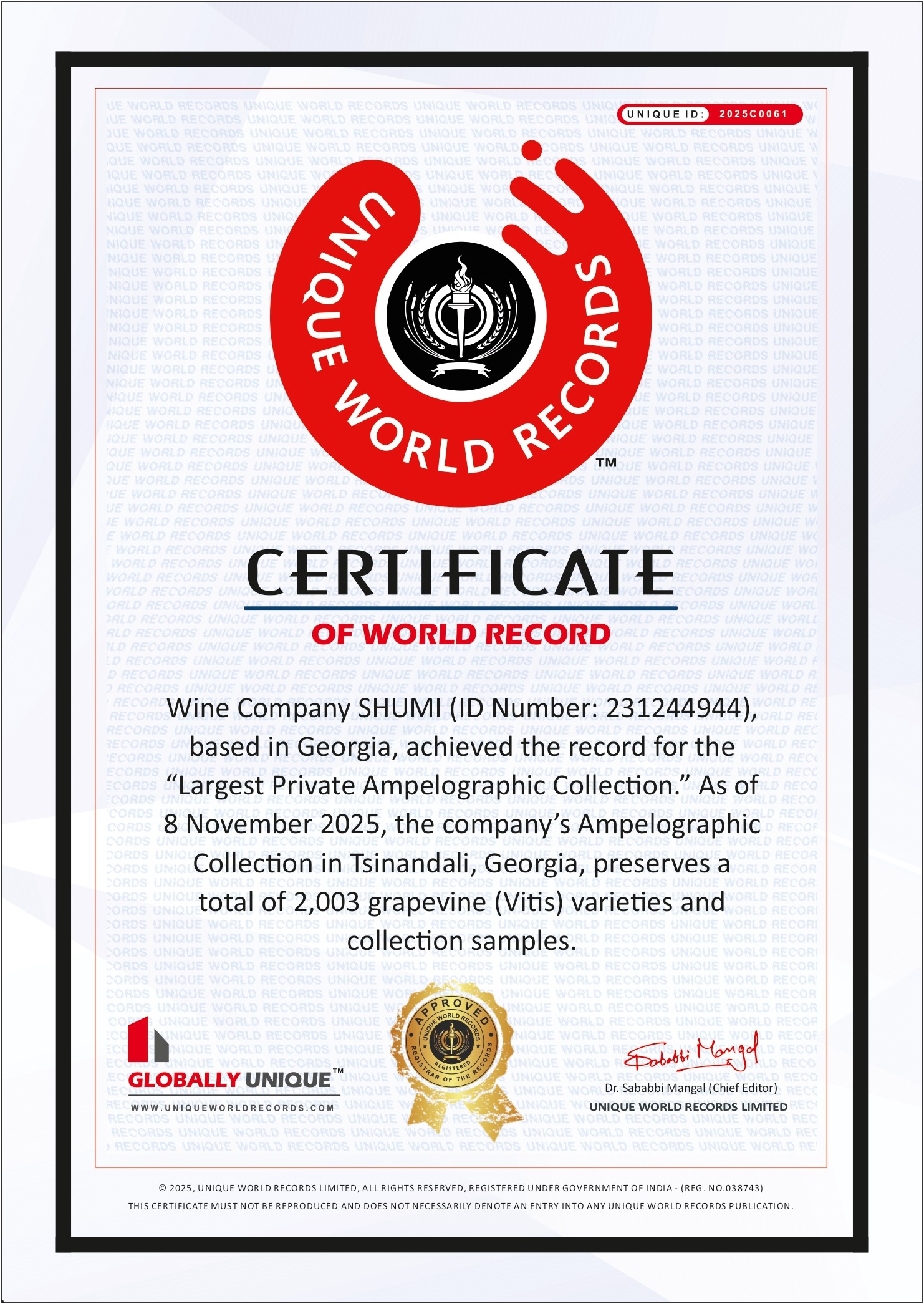
It is currently the largest private ampelographic collection in the world. Today, the collection includes more than 2000 varieties of grapes from 49 countries.
To this day, the company successfully fulfills this historic mission, with great enthusiasm continues to find and return rare grape varieties both from local private vineyards and from various collections around the world. Although the Georgian gene pool is rich in unique wine grape varieties and they allow you to create ideal wines, today, unfortunately, a large number of grape varieties are forgotten and are not used for wine production.
The SHUMI Ampelographic Collection, which serves as a basis for scientific research, is included in the list of the FAO at the United Nations and has its own unique code. Georgian, French, Italian, Japanese and other scientists conduct research, experimental work, seminars for students and employees of various educational institutions.
SHUMI specialists are constantly researching and identifying the potential of rare varieties of vines. SHUMI was the first to cultivate autochthonous vines that were on the verge of extinction, such as Ubakluri, Simonaseuli, Shavi Rkatsiteli and others, and created a new line of wines “Lost Collection.”
The revival of rare ancient grape varieties is a big challenge that requires a lot of work, more than decades. But SHUMI, aware of their value and paying tribute to the ancestors who have grown grapes for thousands of years, and thanks to the work of scientists who have preserved the collections, has taken on the mission of reviving these varieties and producing rare wines from them.
Mythology and Cultural Narratives
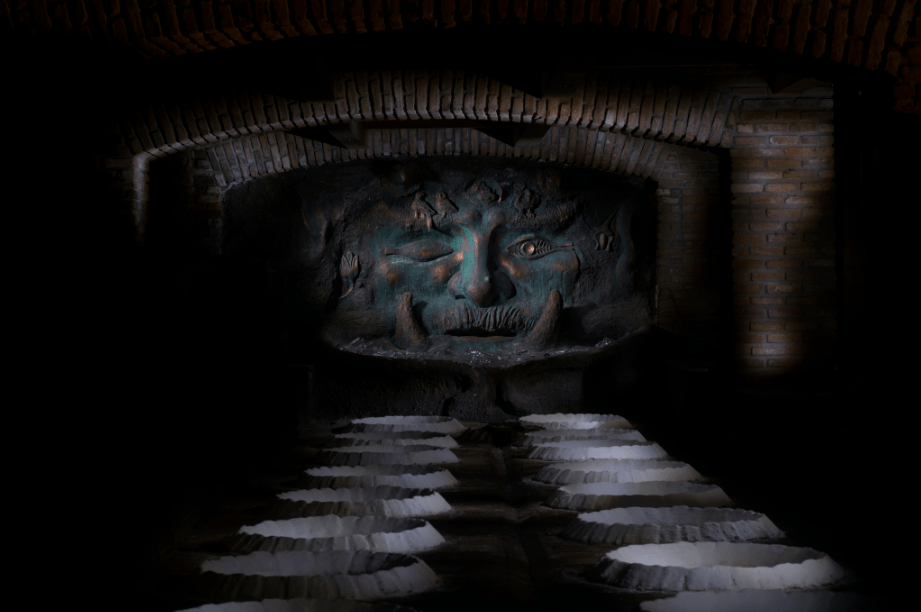
Much of Greek mythology consists of Georgian characters and Georgian history. On the frescoes you can see the Minotaur. The fact is that the Minotaur was Georgian. The mother of the Minotaur was Pacifaya, wife of the Cretan king Minos, also sister of the Georgian king Aeitus and Medea’s aunt. Sisters of the Minotaur were Pacifaya’s daughters – Ariadna, Fedra, as well Kirka (Circe) – a sister of Pacifaya and an aunt of Medea as well, who saved Odysseus and married him. In addition, ancient mythology is tightly present in the house of GESTALT, a place to restore mental and physical harmony and achieve balance. There are bronze statues of ancient and mythological heroes: Amirani, a hero of Georgian mythology – the prototype of Prometheus (in Greek mythology), and a bronze statue depicting the scene of the last feat of Hercules – his strangulation with his bare hands of Cerberus, the three-headed dog guarding the entrance to Hades.
Art and Symbolism at the SHUMI Tourist Complex
There is also a “Sculpture of Mixed Roots”, where at the bottom of the sculpture there are soil samples of SHUMI’s vineyards, collected from different microzones: Mukuzani, Tsinandali, Napareuli and Kindzmarauli.
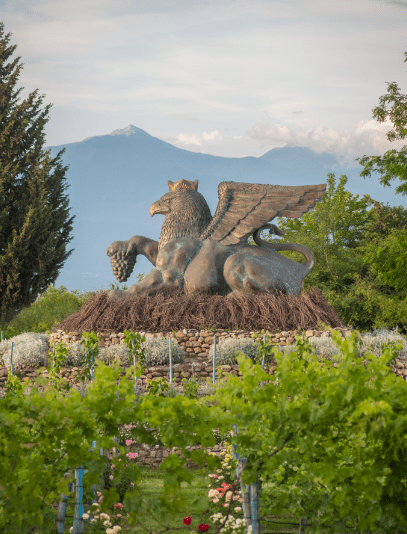
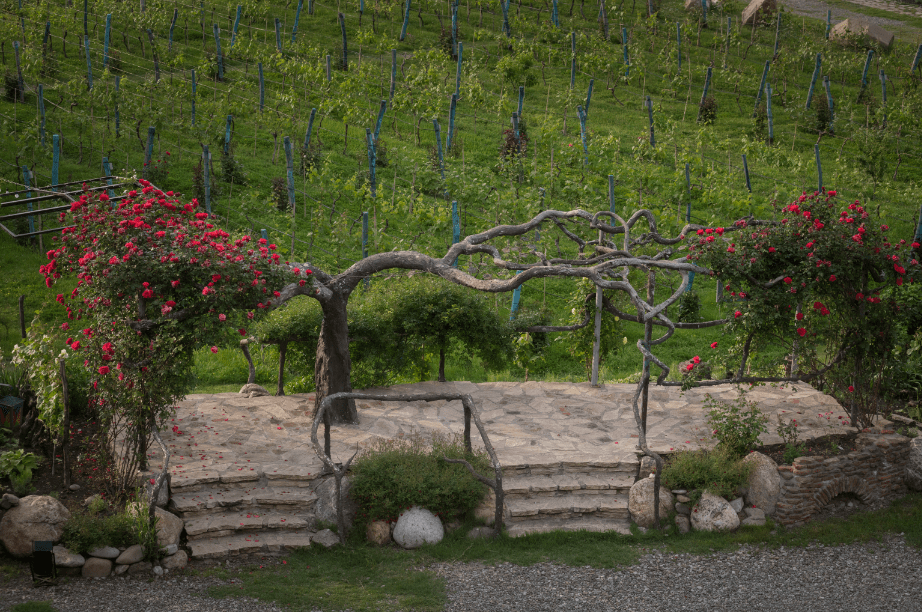
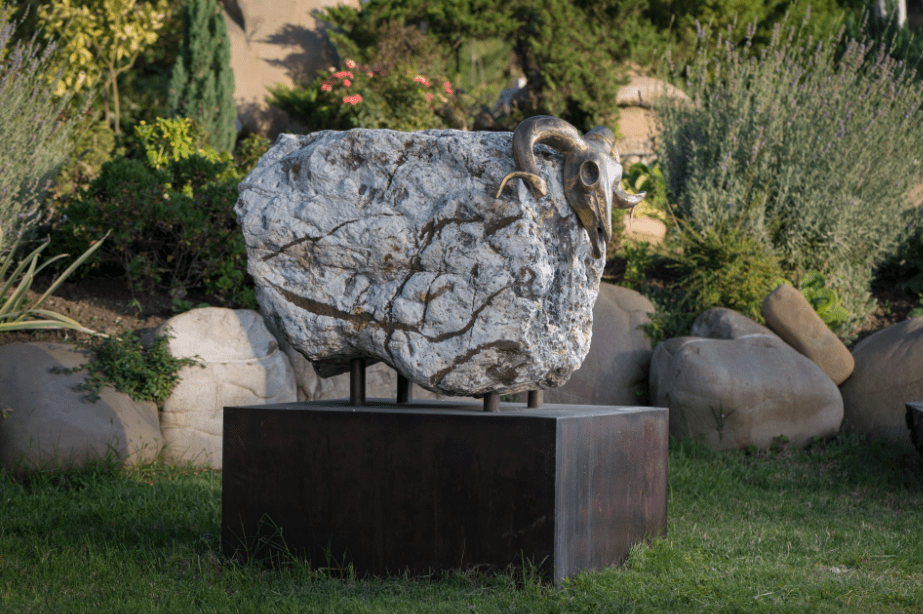
Mythological heroes “come to life” in the SHUMI Ornamental Garden, where the works of modern masters, both Georgian and foreign, are collected. In the center of the Tourist Complex there is a special attraction – the sculpture of the Griffin, the symbol of the company. This majestic sculpture belongs to the outstanding master Merab Merabishvili, and the Griffin is one of his last works.
On the territory of the Tourist Complex there are hundreds of art objects and works, including characters of Georgian mythology: Devi, Barbale, Lazare and many others, created by famous Georgian artists and sculptors: Merab Merabishvili, Lado Gudiashvili, Zurab Tsereteli, Gia Japaridze, Gela Durujeli, Sergo Tbileli, Gia Khizanishvili, David Gelashvili and others.