
Paicines Ranch Vineyard #82
Paicines Ranch Vineyard: A Vineyard Designed by Nature
The Paicines Ranch Vineyard has been designed and is being tended to promote ecosystem health and flourishing biodiversity while producing exceptional quality wine and food. This 25-acre polyculture vineyard in central California’s San Benito County explores a key question: What if a vineyard could require minimal inputs or human labor, deliver high-quality grape yields, produce animal protein, improve soil health, sequester carbon, increase biodiversity, and still offer strong financial returns?
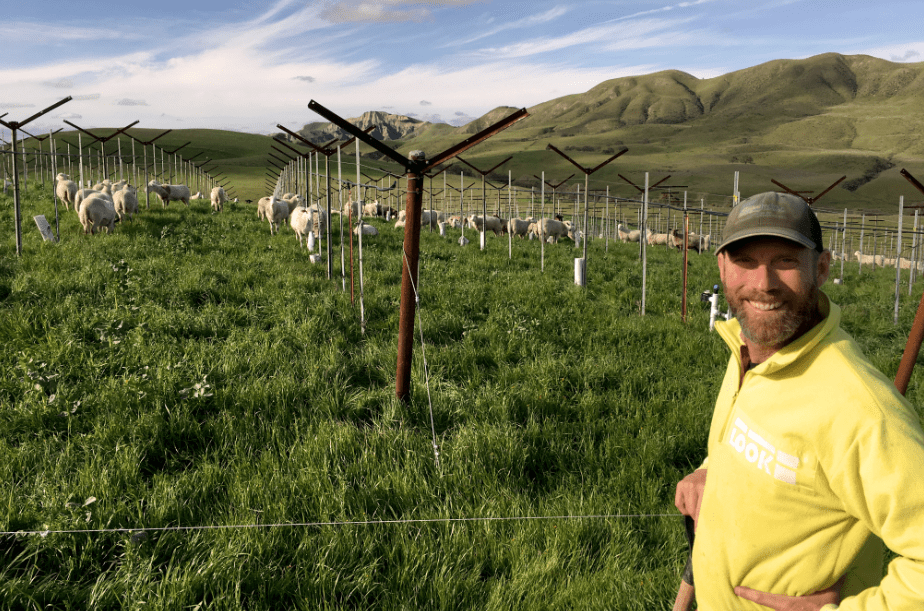
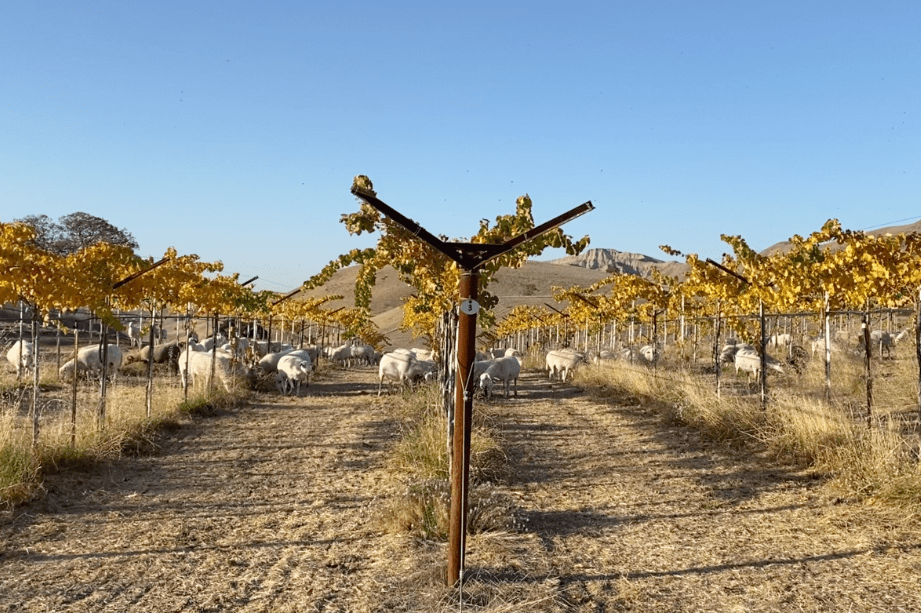
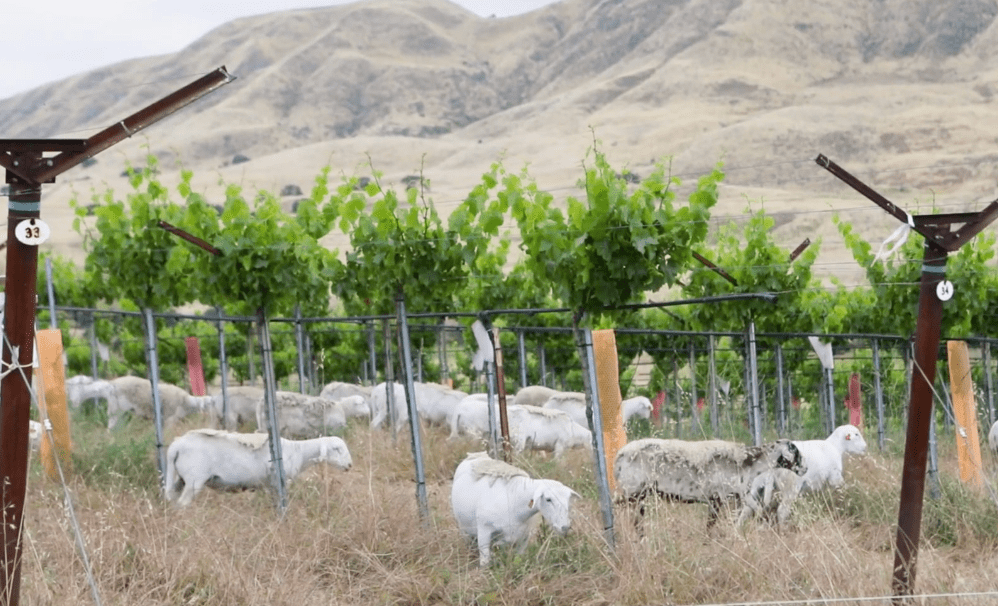
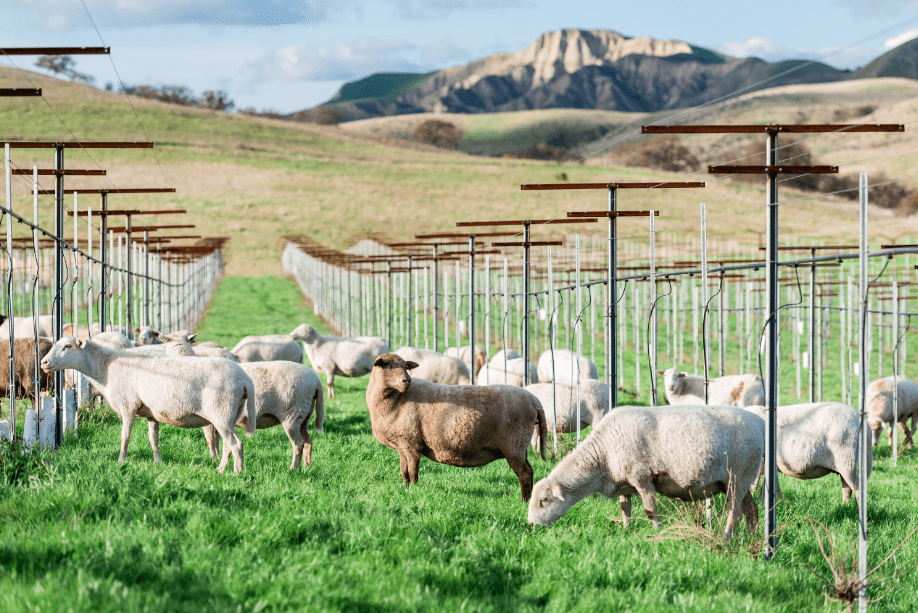
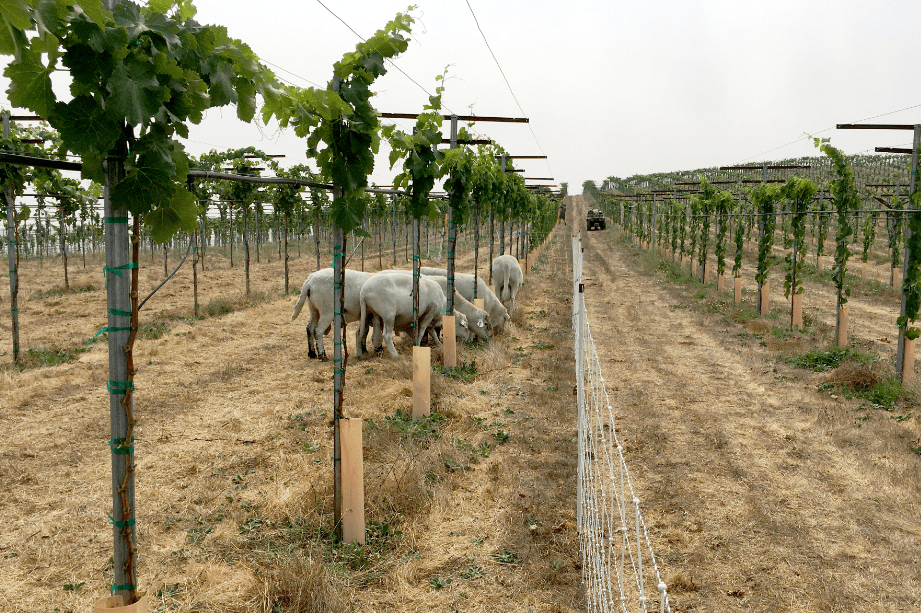
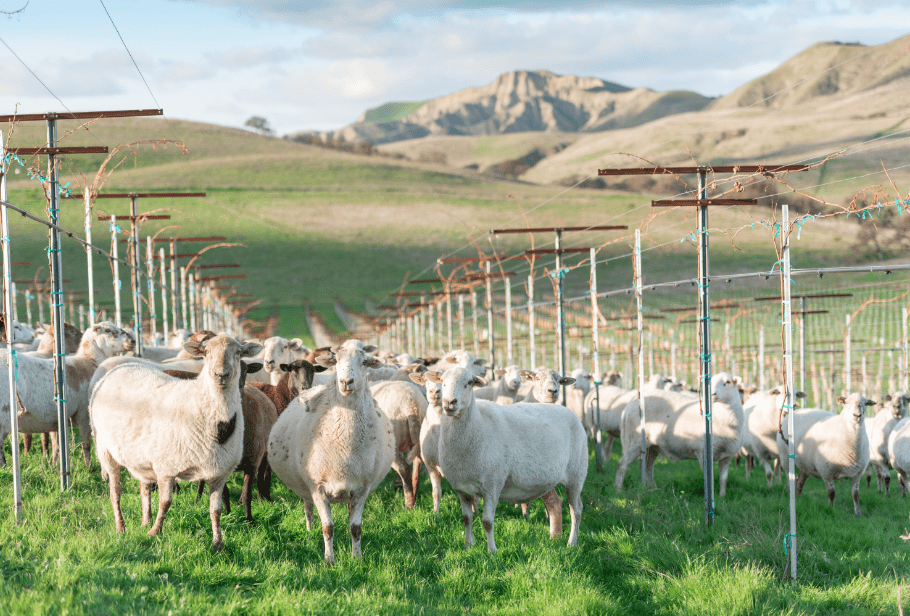
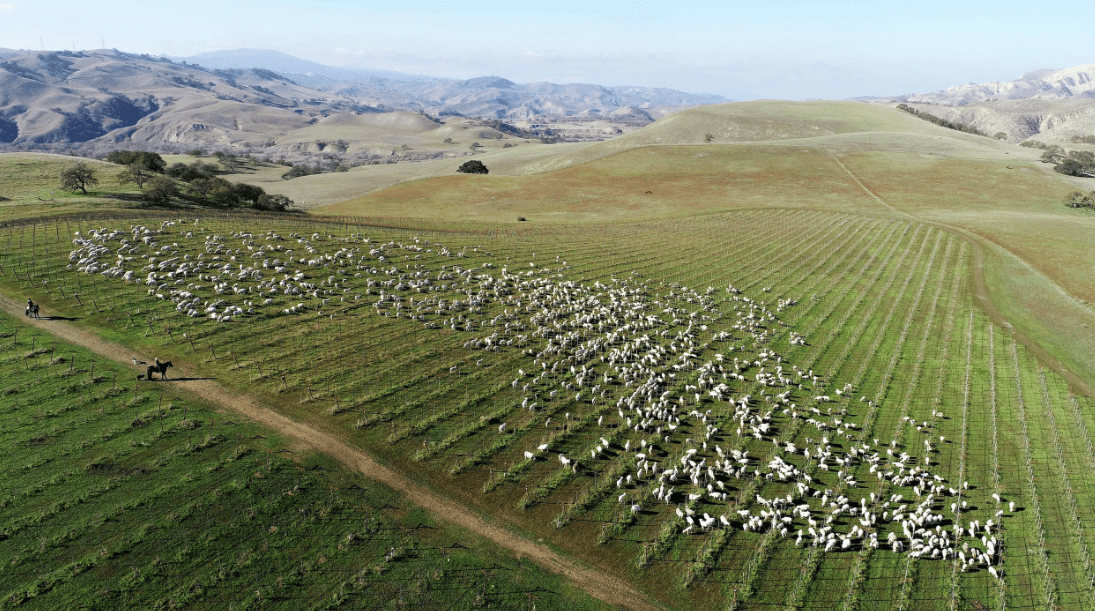
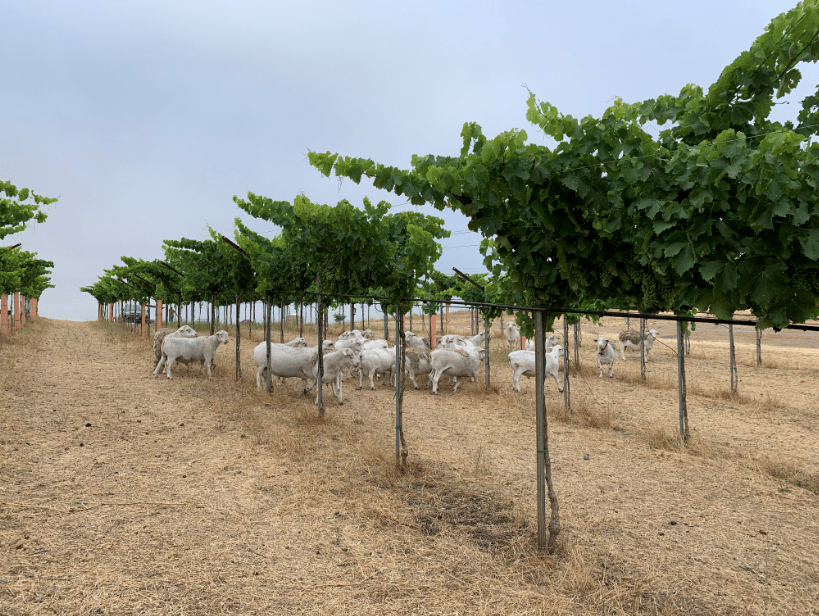
This vision was developed by holistic management educator and viticulturist Kelly Mulville. The vineyard at Paicines Ranch features a unique polyculture system with a partial overhead trellis that allows grazing of the vines year-round. This eliminates the need for tillage, mowing, herbicides, suckering, and hand weeding, while fostering a thriving ecosystem of plants, insects, birds, and soil biology.
Results That Speak for Themselves
The outcomes are remarkable. Soil organic matter increased by 66% (from 1.5% to 2.5%) before the vines even bore fruit. More than 60 bird species now visit the vineyard, including over 800 endangered tricolored blackbirds that successfully nested nearby. Insect abundance is more than five times higher than in neighboring conventional vineyards, with beneficial predators two to three times more common – all without the use of pesticides. Soil microbial communities show 10% greater diversity, and over 35 plant species flourish in the vineyard’s understory.
The Visionary: Kelly Mulville
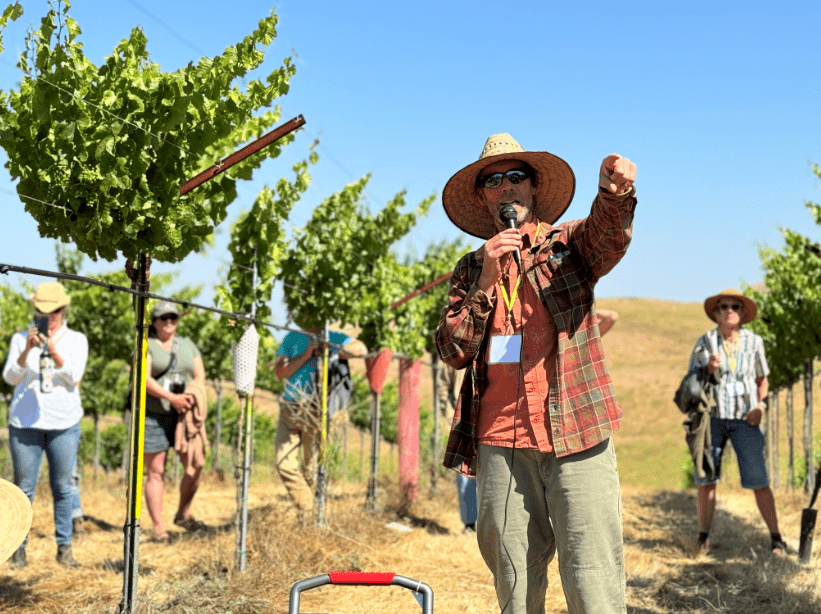
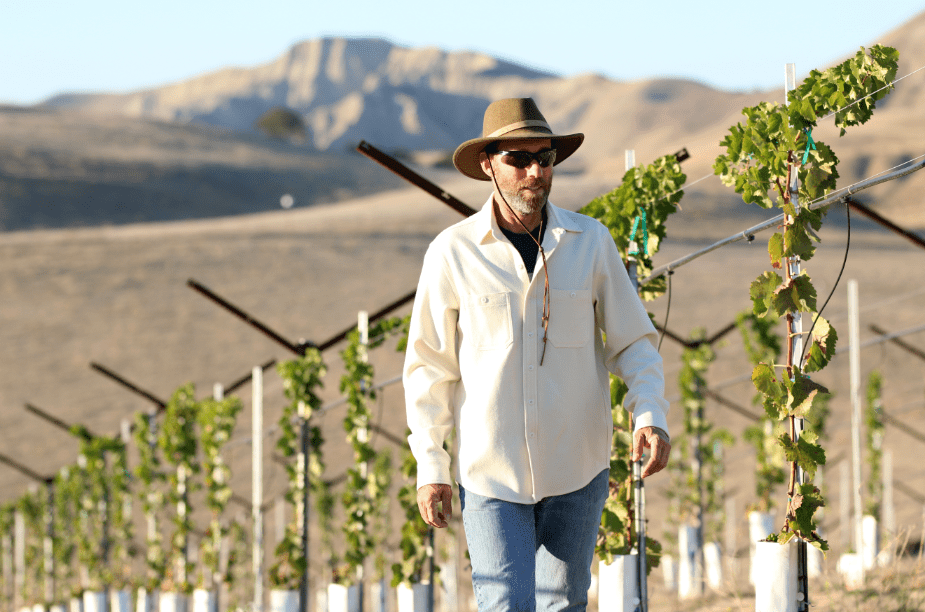
Kelly Mulville’s path to revolutionizing viticulture began with raptors and falconry. Growing up in El Paso, Texas, he raised hawks as a child. Reading Rachel Carson’s Silent Spring at 14 devastated him – he realized agriculture was destroying the birds he loved. “I’ve been depressed ever since,” he says. That compassion for the natural world became his life’s work: transforming agriculture from one of the planet’s most destructive forces into a method for repairing ecosystems. For 25 years, Kelly has combined viticulture experience with holistic management to design ecologically, socially, and economically sound farming practices that profitably restore biodiversity – usually involving considerable help from livestock. His breakthrough came in Sonoma County between 2008 and 2010, using electric fencing to allow sheep to graze during the growing season – eliminating tillage, reducing water use by 90%, and increasing yields by 1,300 pounds per acre. When Kelly joined Paicines Ranch in 2014, he had the rare opportunity to design a vineyard from scratch. “Really what I want to do is not see how many farm animals I can have on this place, but to see how much biodiversity that is native to this spot we can get to return,” he explains.

How It Works: Nature's Vineyard
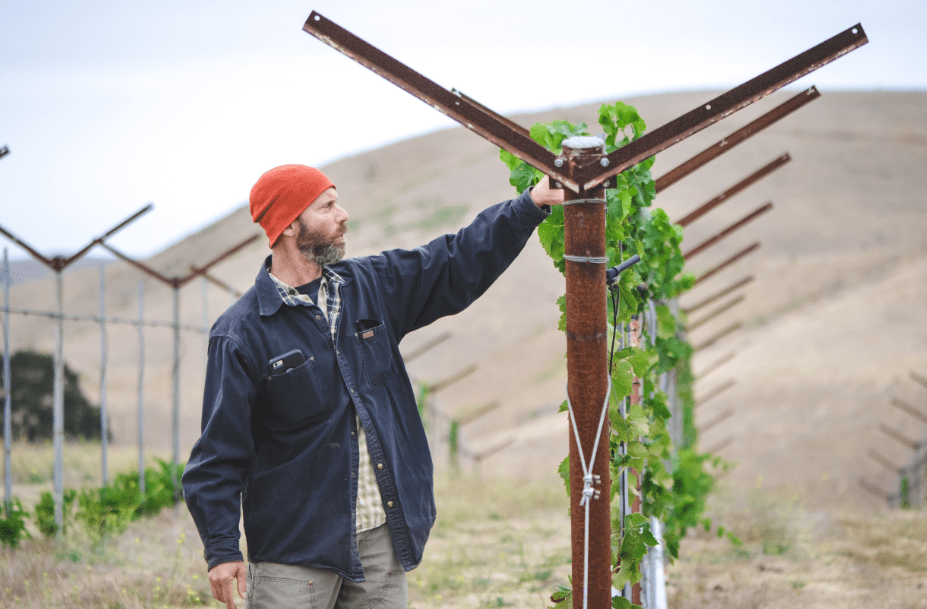
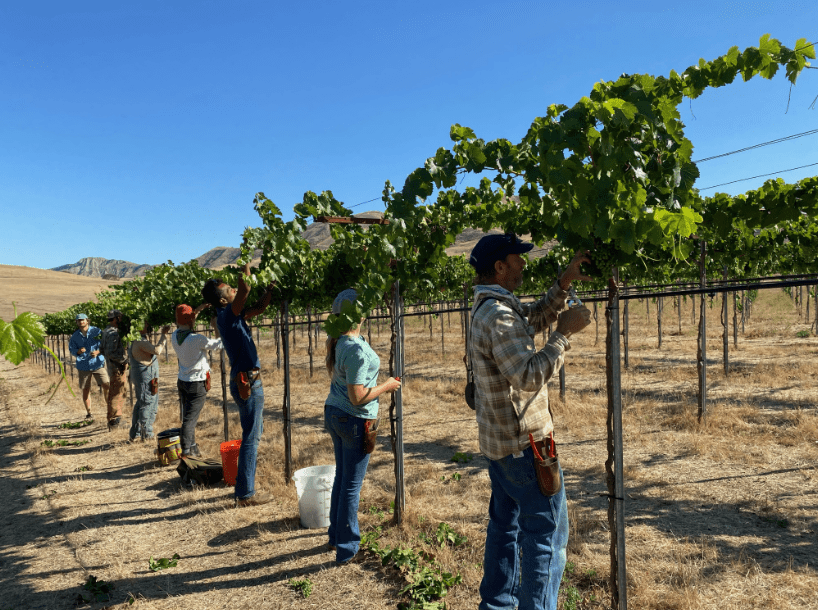
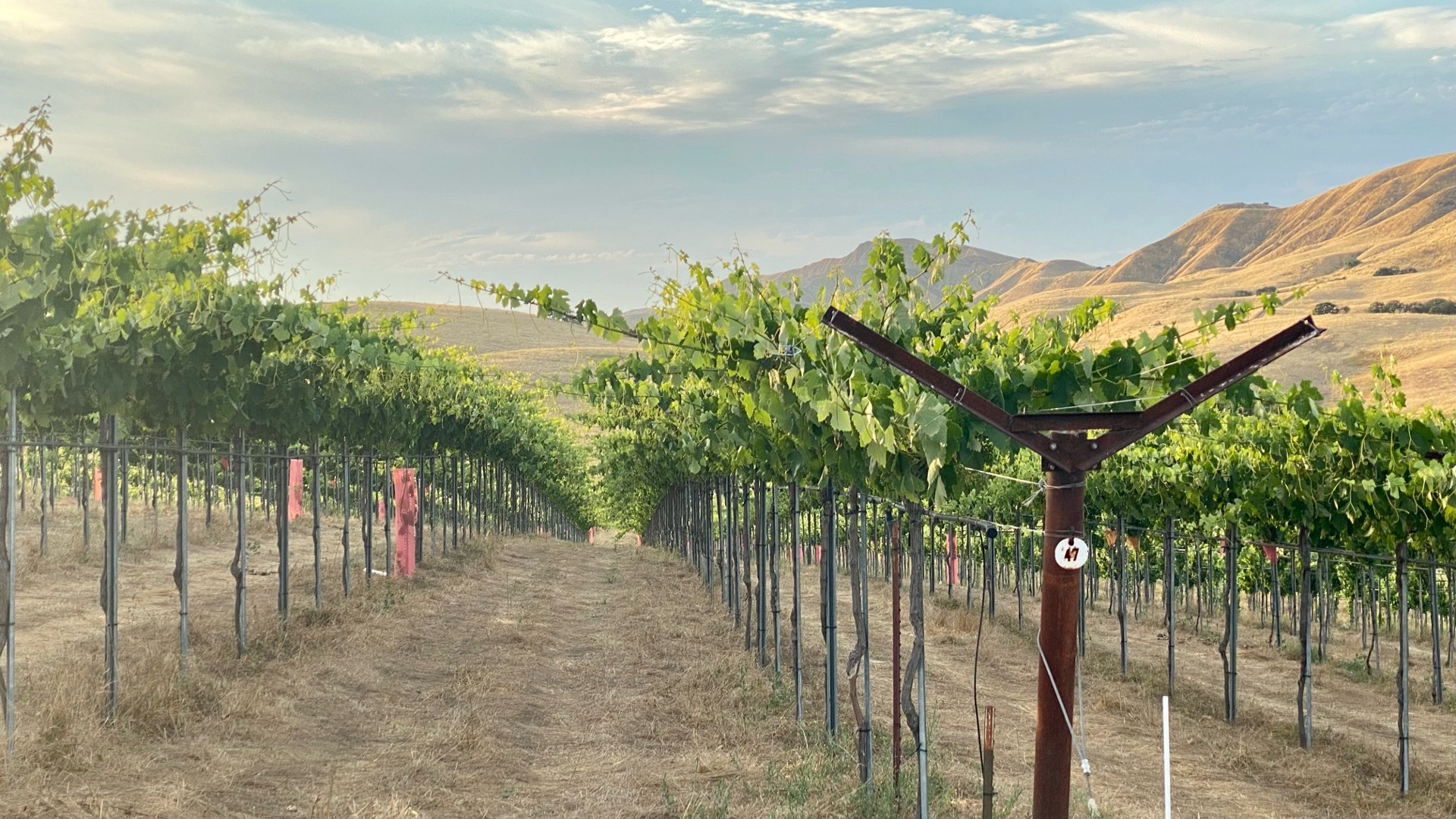
The Watson trellis system features a cordon wire at 66–68 inches with an elevated V-shape and 12-foot row spacing. High up on the trellis, vine leaves and fruit are mostly out of reach for grazing sheep. The overhead canopy keeps the vineyard cooler on hot days, reduces frost damage on cold nights, and provides shade for sheep, soil, grapes, people, and wildlife. Growing vines taller allows sheep to browse suckers and shoot tips while making harvest easier – workers pick at eye level rather than stooping.
The sheep cycle nutrients, browse vegetation, and reduce the need for outside fertilizer inputs, tractors, and manual labor, while also providing additional income. Unlike in conventional vineyards, this system allows sheep to graze year-round – even during the growing season. Living plants and mulch cover the vineyard floor throughout the year, keeping the ground cool and moist.
The vineyard now partners with seven winemakers, including Margins Wine, Terah Wine Co., A Tribute to Grace, Florèz Wines, Camins 2 Dreams, Stirm Wine Co., and Laughing Gems.
The Paicines Ranch Learning Center
Paicines Ranch is a historic 7,600-acre certified organic and Audubon Certified Bird-Friendly ranch in central California, managed using Holistic Management principles. This diverse landscape – producing pasture-raised meat alongside the innovative vineyard – serves as a living classroom for regenerative agriculture.
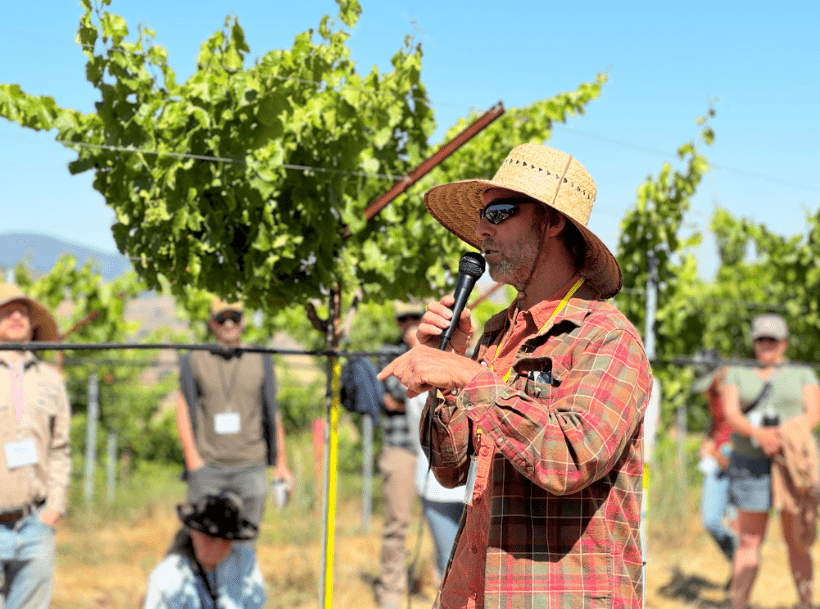
The Paicines Ranch Learning Center is our 501(c)(3) that educates, inspires, and connects people with new ideas and networks that advance healthy soil and resilient communities. With the land as a key collaborator in solving complex ecological and social challenges, we host workshops for winegrowers that foster collaborative experiences where participants exchange knowledge and innovations from their own operations.
“Our overall philosophy at the ranch is to be open source,” Kelly explains. “Our hope is that others will learn from what we’re doing and take their creativity and expand on it, because we’re just scratching the surface here.” The big question driving this work: Can we use agriculture as a process to restore biodiversity to the planet? We are working to prove that the answer is yes.
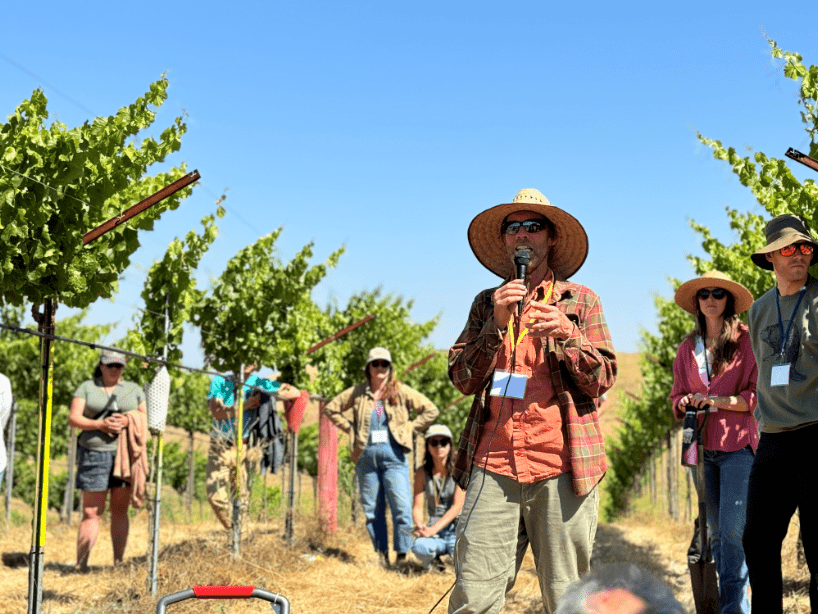

Holistic Management in Vineyards with Kelly Mulville
Holistic Management in Vineyards with Kelly Mulville is a powerful example of how bold vision and care for the land can redefine what’s possible in viticulture. Paicines Ranch Vineyard proves that regenerative agriculture can be both effective and inspiring – a true celebration of what farming can become.








Reviews
“The early results are encouraging. I tasted an assyrtiko and averdejo during a visit to Paicines earlier this year and found both to be fresh, energetic and deeply textured. The assyrtiko in particular was striking, reminiscent of the stony citrus and herbal flavors of a wine from Santorini but kissed by a little California sun.”
“Kelly has been obtaining impressive results by merging his experience in viticulture with his understanding of Allan Savory’s holistic grazing management techniques. His approach to extended-season vineyard livestock grazing and other ecological practices continue to capture an audience of vineyard managers around the globe.”
[The ideal version of our vineyard] “would enable grazing during spring and summer to better control summer grasses and incorporate organic nitrogen inputs nearly year-round. It would need a large off-farm grazing area for the rest of the year. Paicines Ranch in California is pretty close to perfect.”
“I was incredibly impressed to see what my friends at Paicines Ranch have achieved as far as bringing real vibrancy to the site they are farming. The seamless integration of livestock in their vineyard is not just an abstract biodynamic principle, but the center piece of their effort.”