Hospices de Beaune #86
A historic symbol of Burgundy’s vinous and charitable heritage
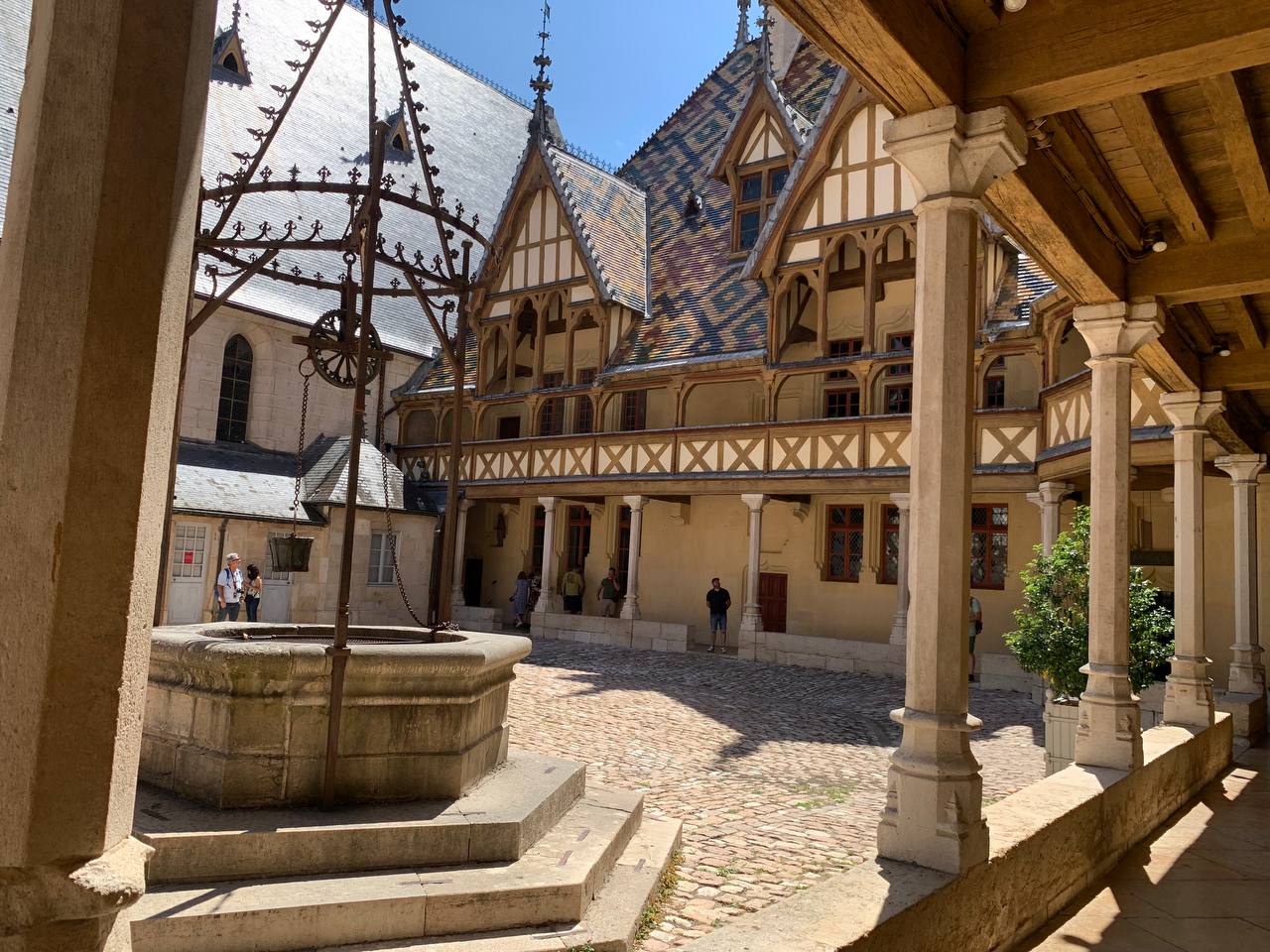
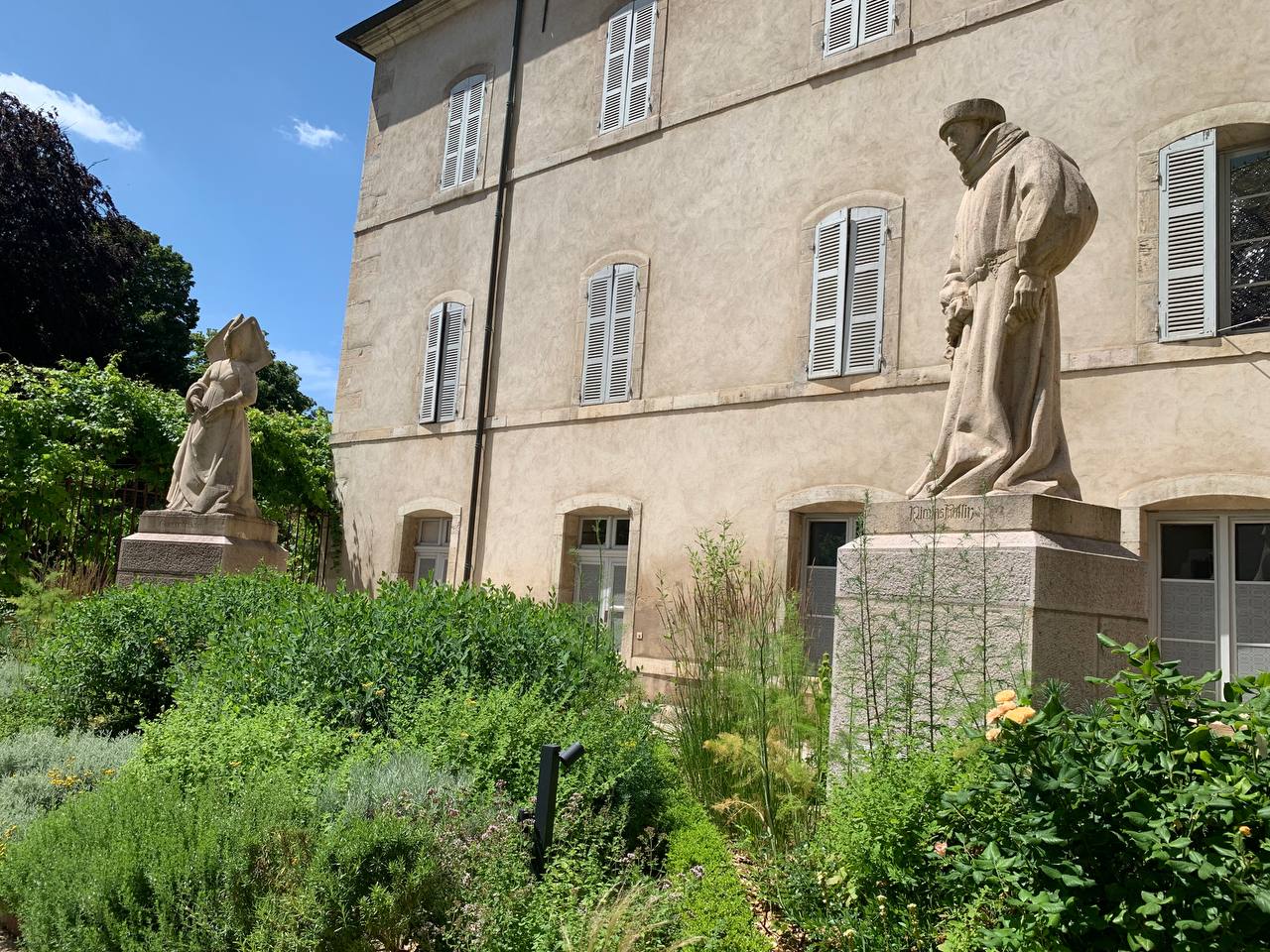
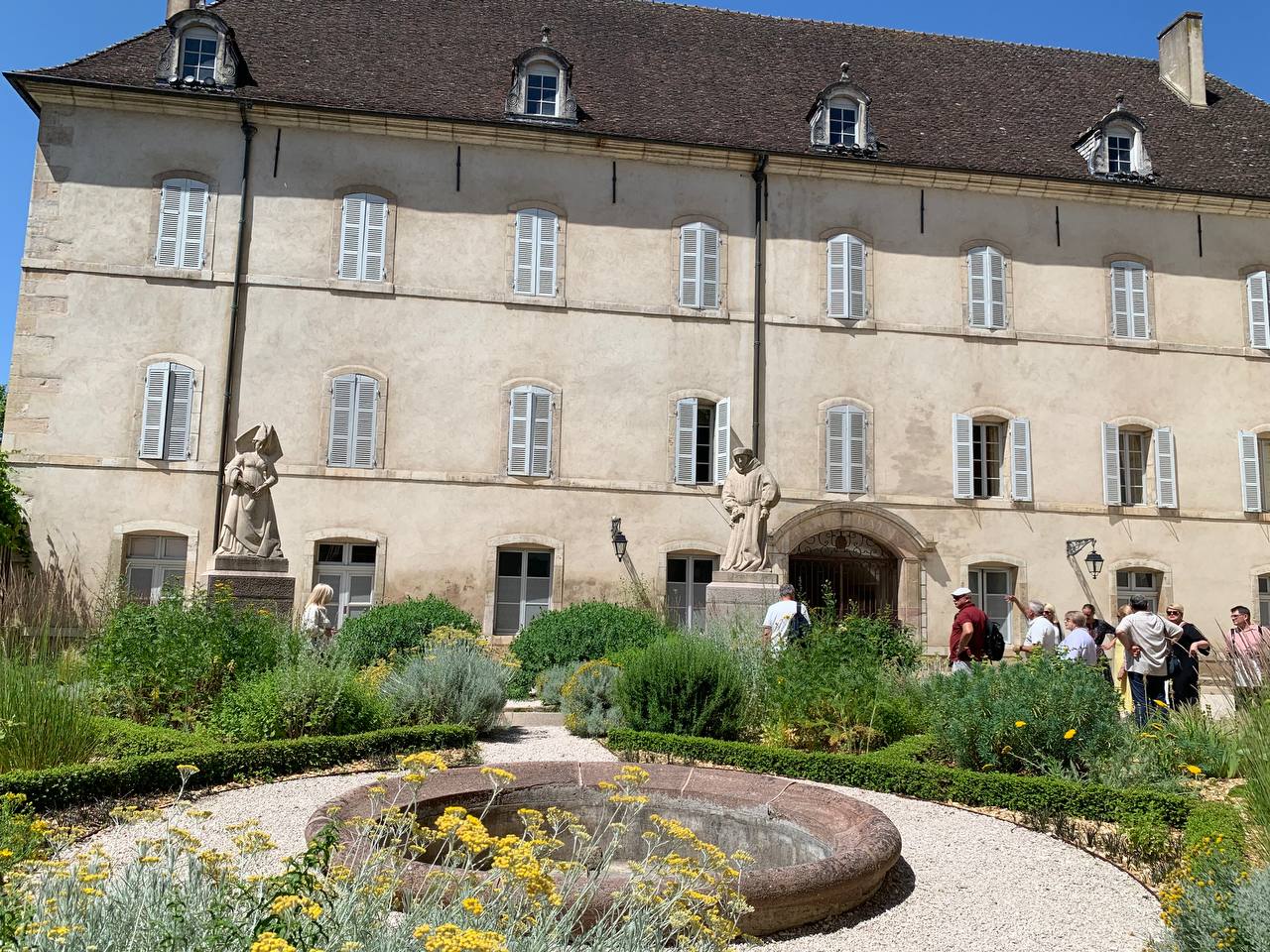
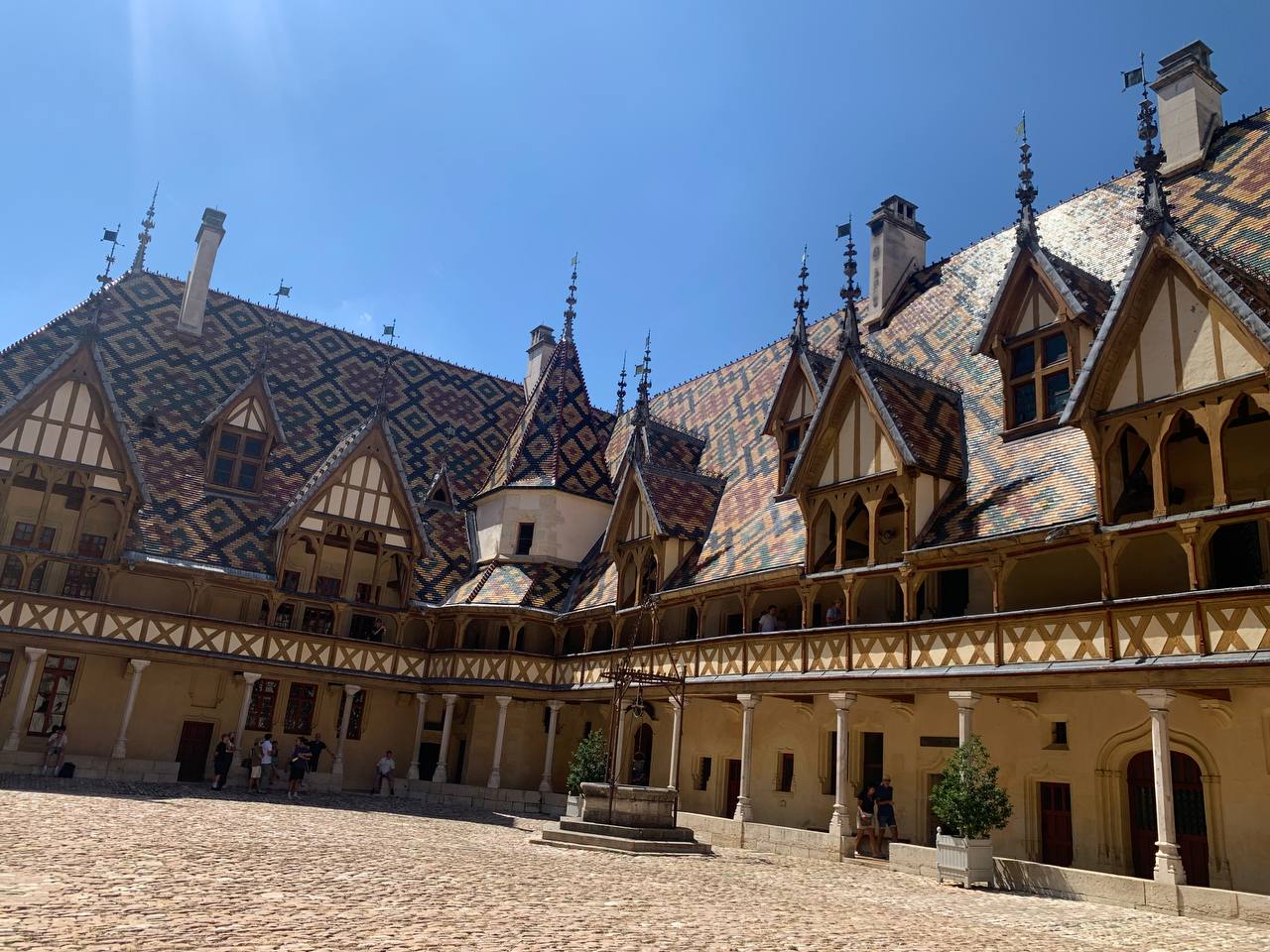
Founded in 1443 by Nicolas Rolin and Guigone de Salins, the Hospices de Beaune began as a charitable hospital and today stands as one of Burgundy’s most distinguished landmarks. Its historic Hôtel-Dieu building – famed for its colourful glazed‑tile roof and Gothic architecture – has become an emblem of Beaune and an essential stop for travellers discovering Burgundy.
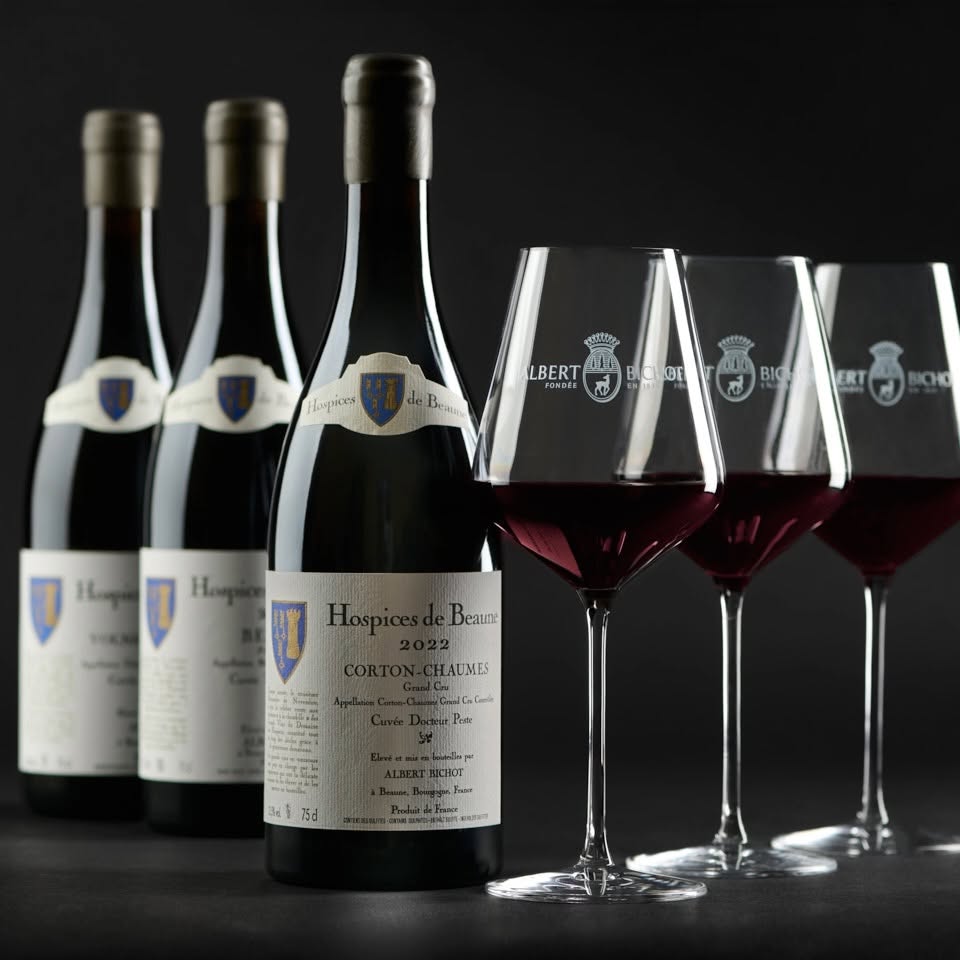
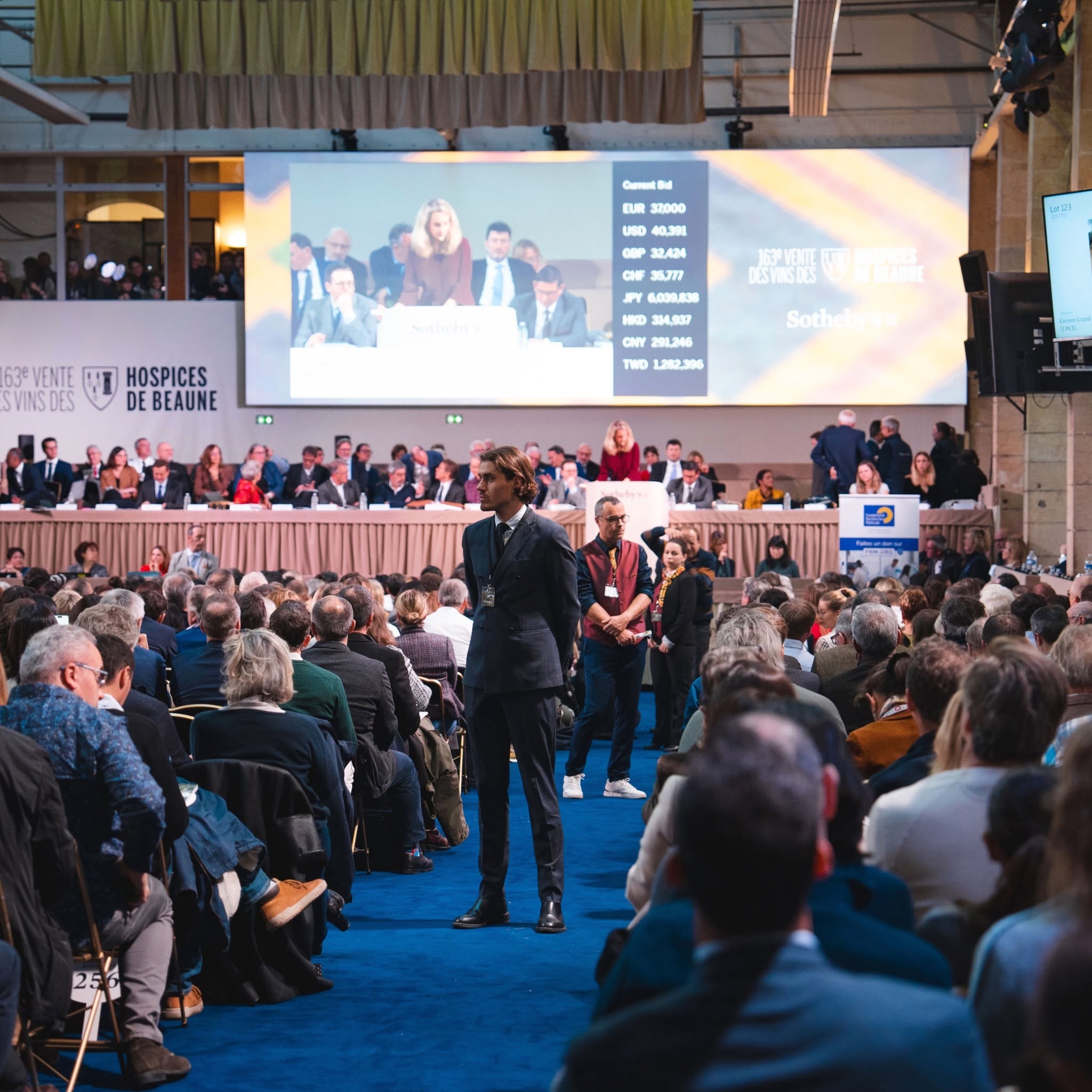
The unique legacy of the Hospices de Beaune also includes a prestigious wine estate, shaped over centuries through vineyard donations. Today, it produces wines from exceptional Burgundian terroirs, sold annually at the world‑renowned Hospices de Beaune wine auction.
Wine – a tool of philanthropy
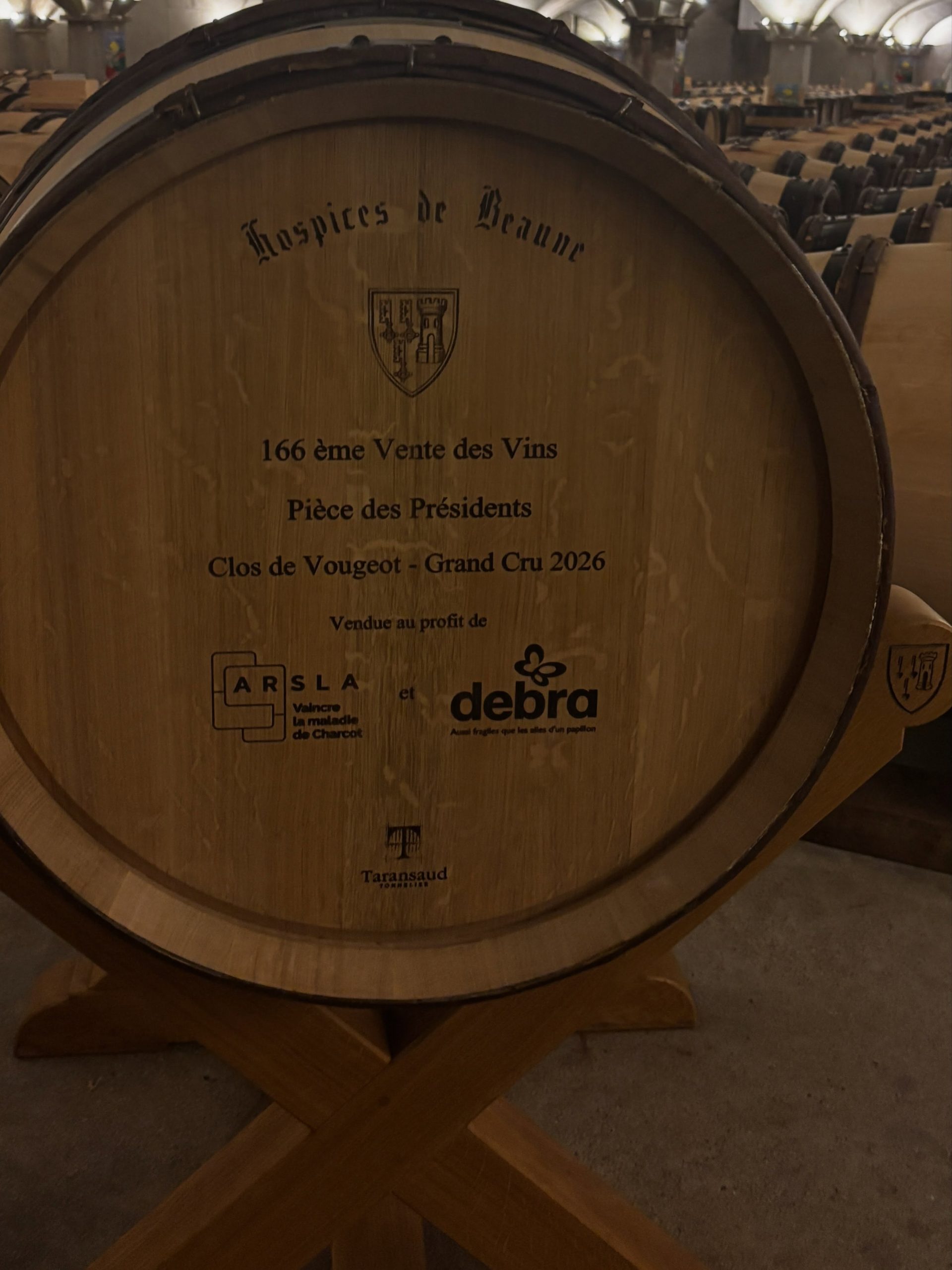
The annual auction, held each November, brings together wine professionals, collectors and enthusiasts from across the globe. Yet it is far more than a prestigious wine event – its charitable mission remains an integral part of the Hospices de Beaune tradition. A special highlight of the auction is the Pièce des Présidents – a charity barrel whose proceeds support philanthropic projects. Most domaines in the region consider it an honour to compete for this privilege. A recent example illustrates its significance: in 2025, the Pommard Premier Cru Les Rugiens barrel was sold for €400,000, with the funds directed toward charitable initiatives.
A Place for Wine Travellers
The Hospices de Beaune is much more than a landmark on Burgundy’s wine map. It is a place where the region’s rich heritage comes alive through its architecture, vineyards, gastronomy and enduring wine traditions. Here, the story of Burgundy unfolds at the crossroads of history, culture and the art of wine.
For wine travellers, a visit offers a rare opportunity to experience the spirit of the region beyond the tasting glass – to discover the traditions that have shaped its vineyards, explore Beaune’s medieval charm and gain a deeper appreciation of Burgundy’s extraordinary place in the world of wine.
No longer serving as a hospital, the historic Hôtel-Dieu remains one of Beaune’s most treasured cultural landmarks and an essential destination for anyone wishing to discover the soul of Burgundy.
What attracts tourists?
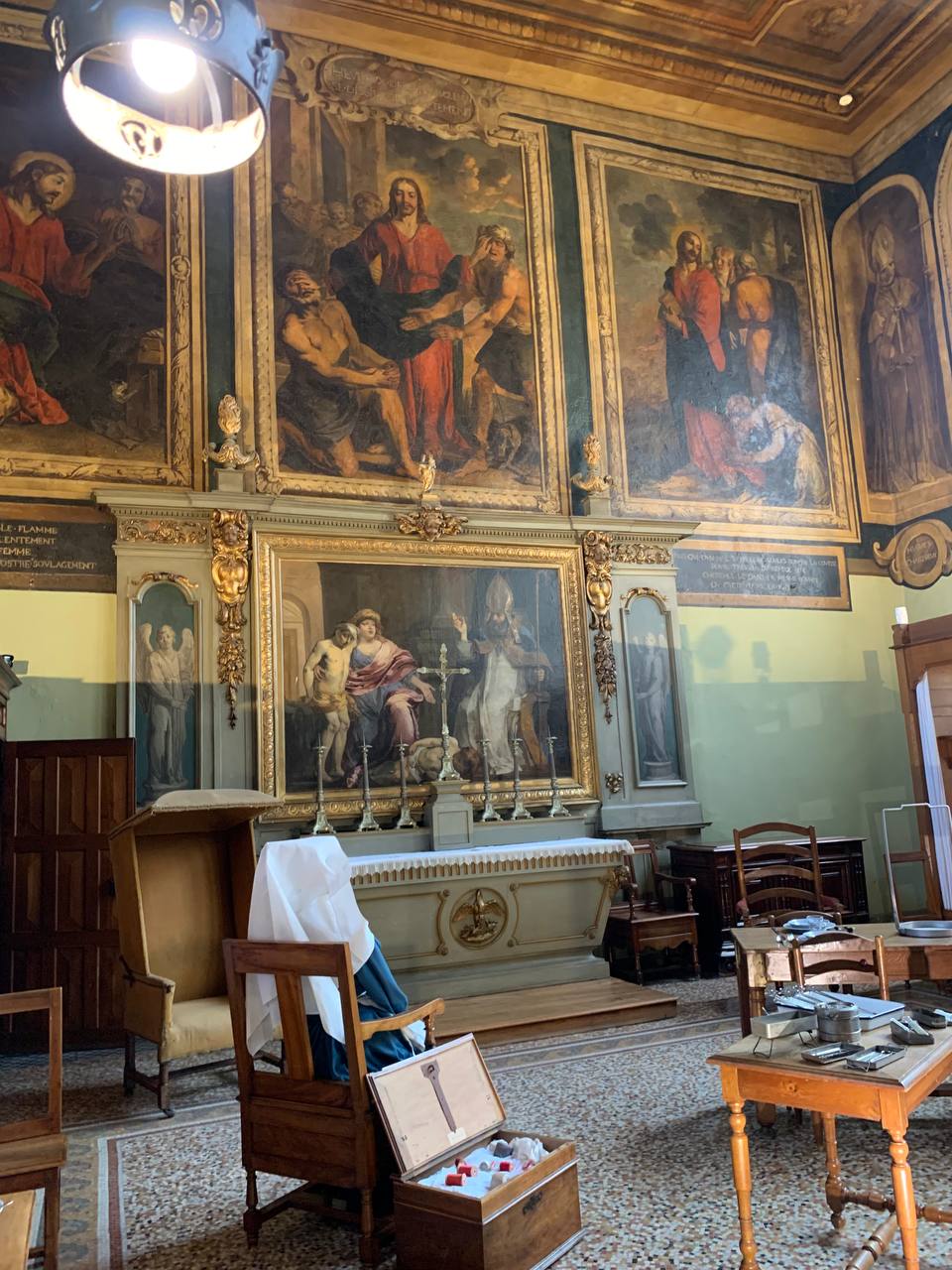
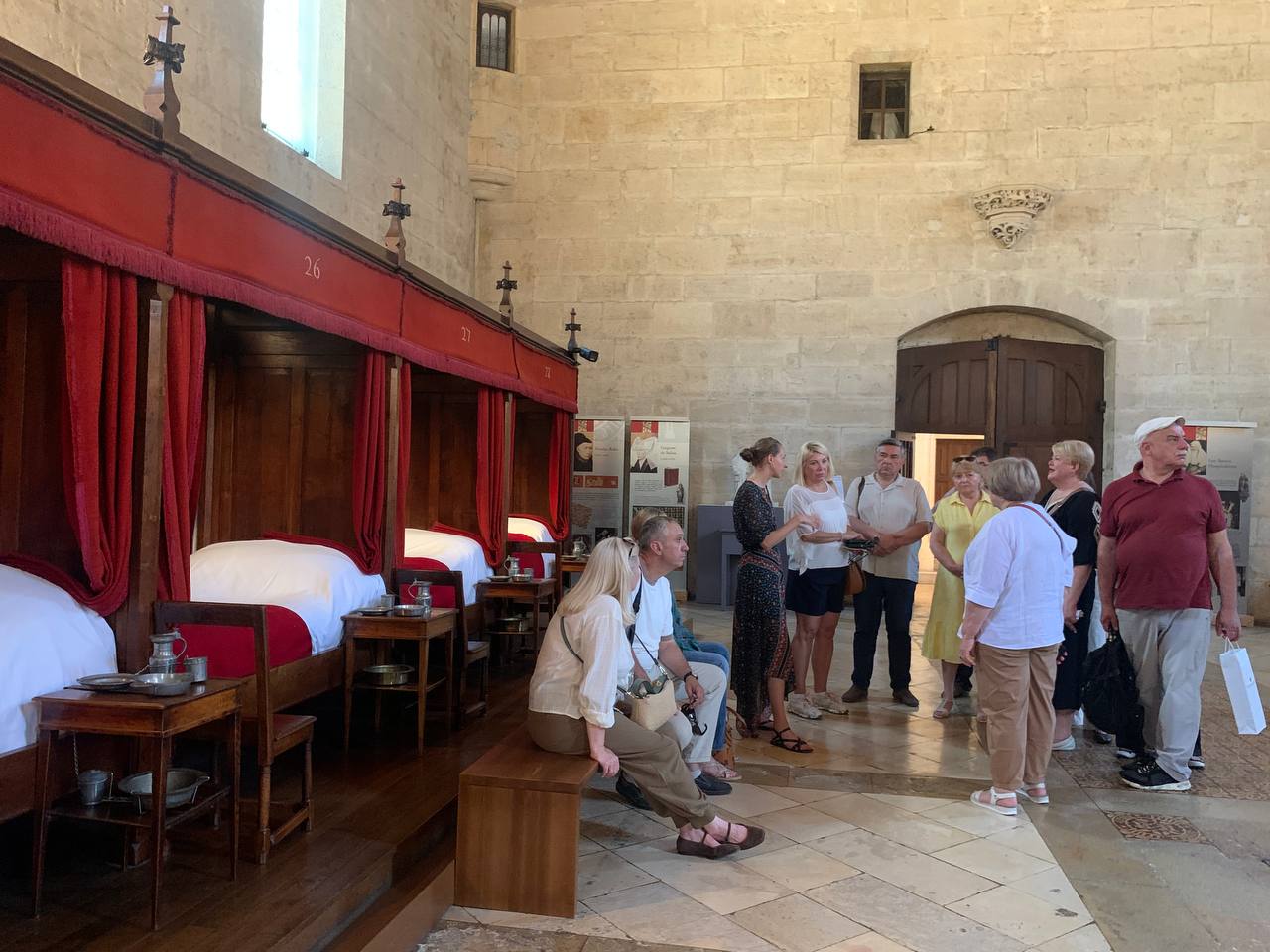
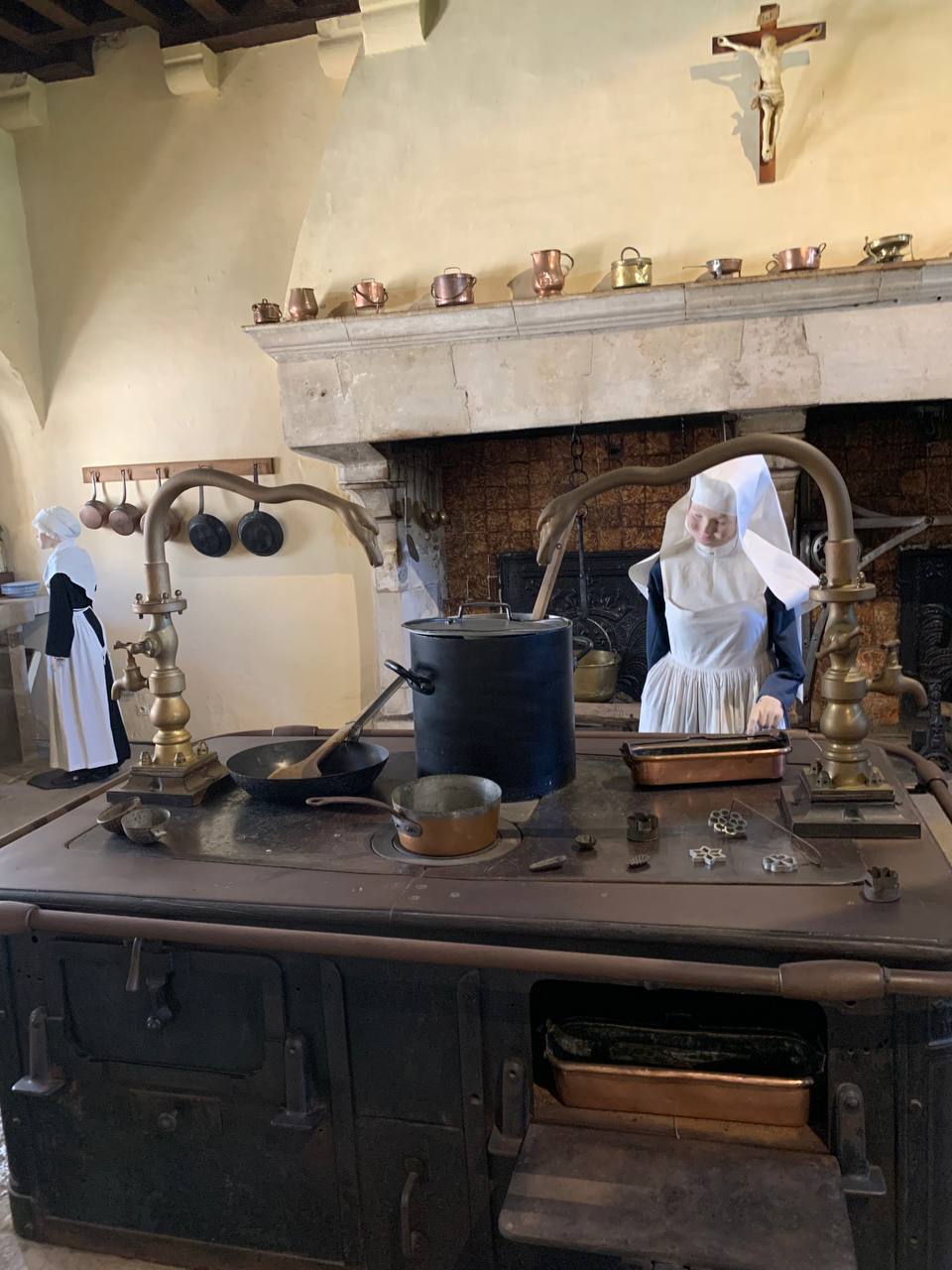
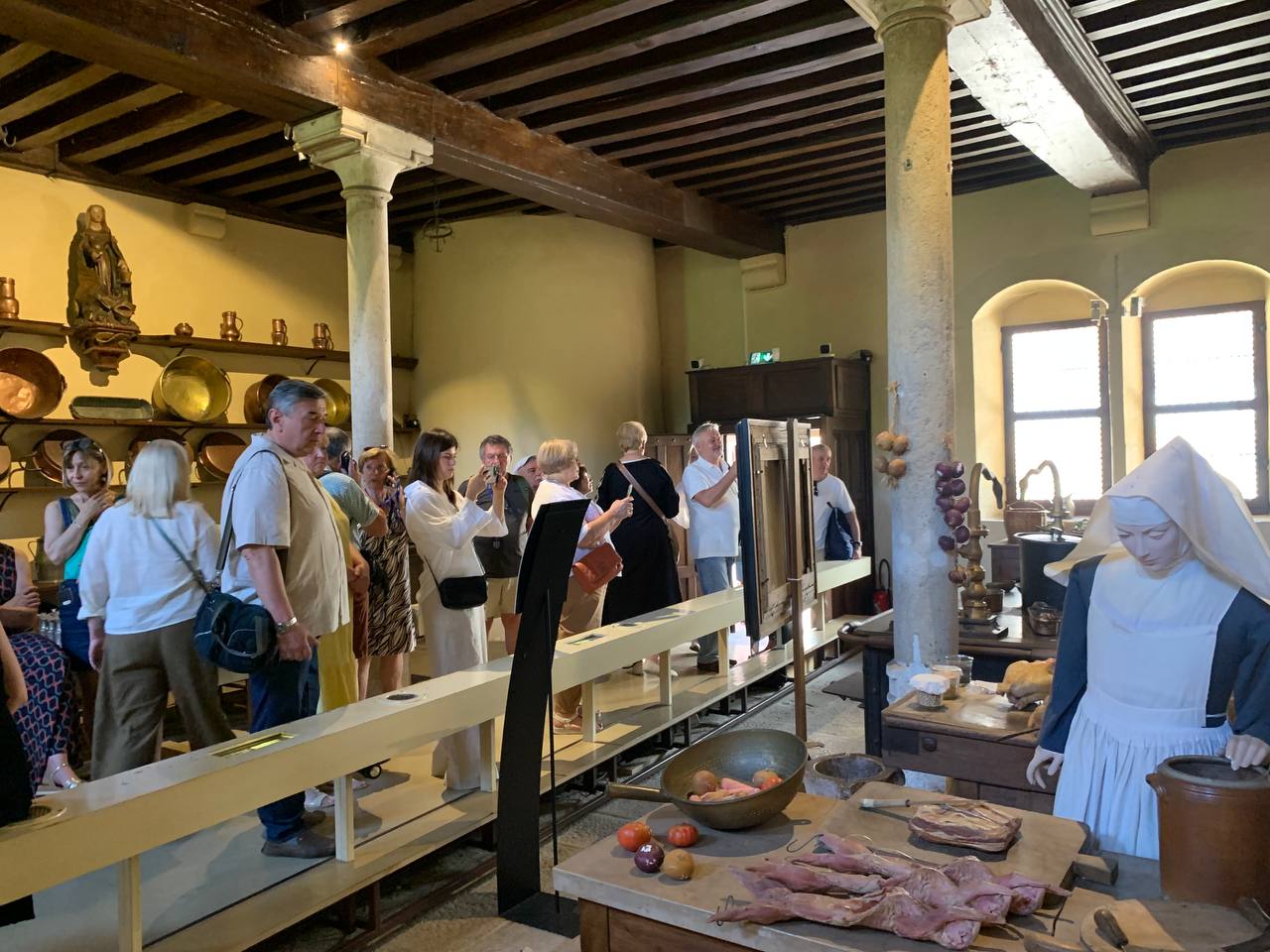
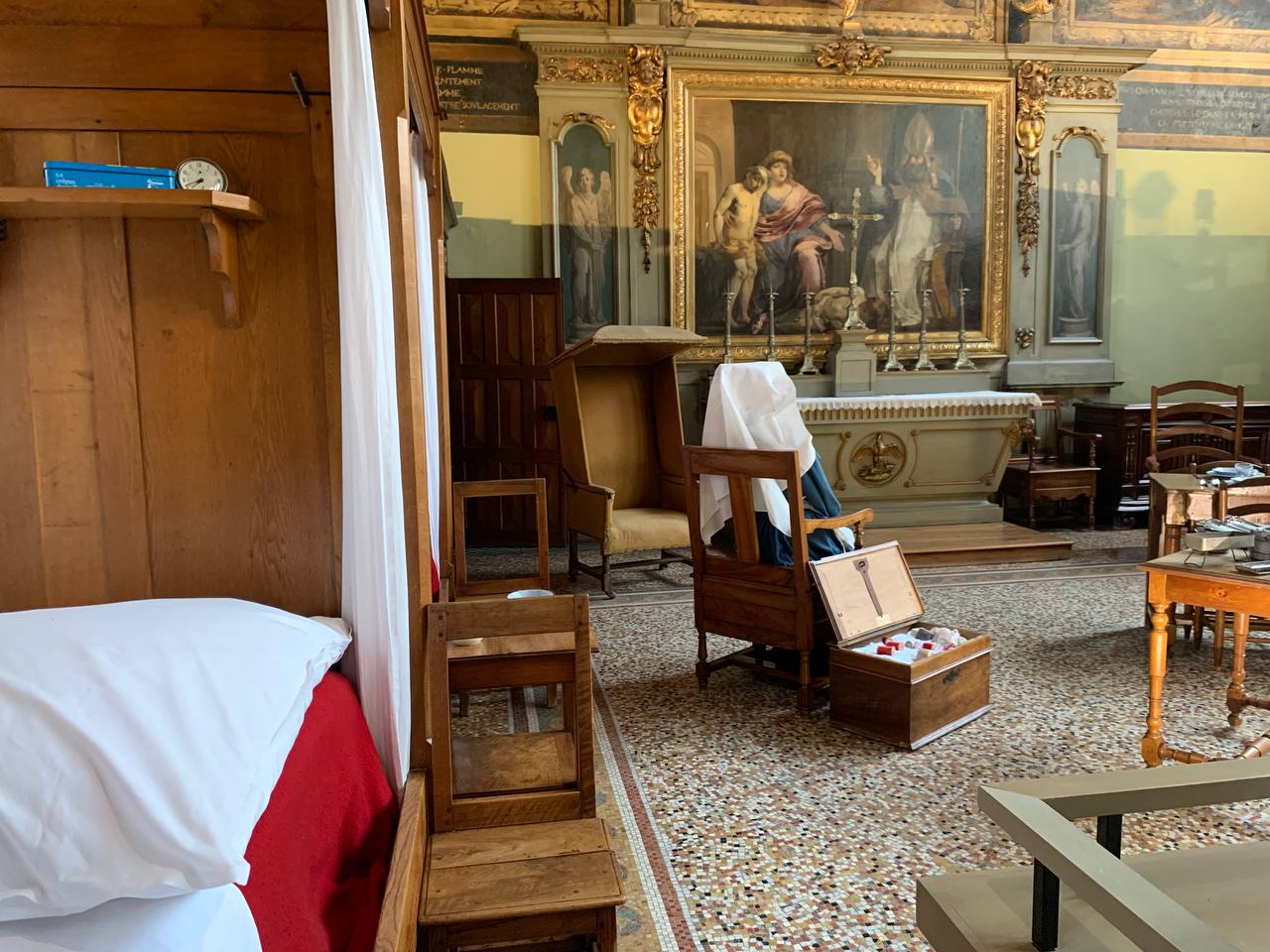
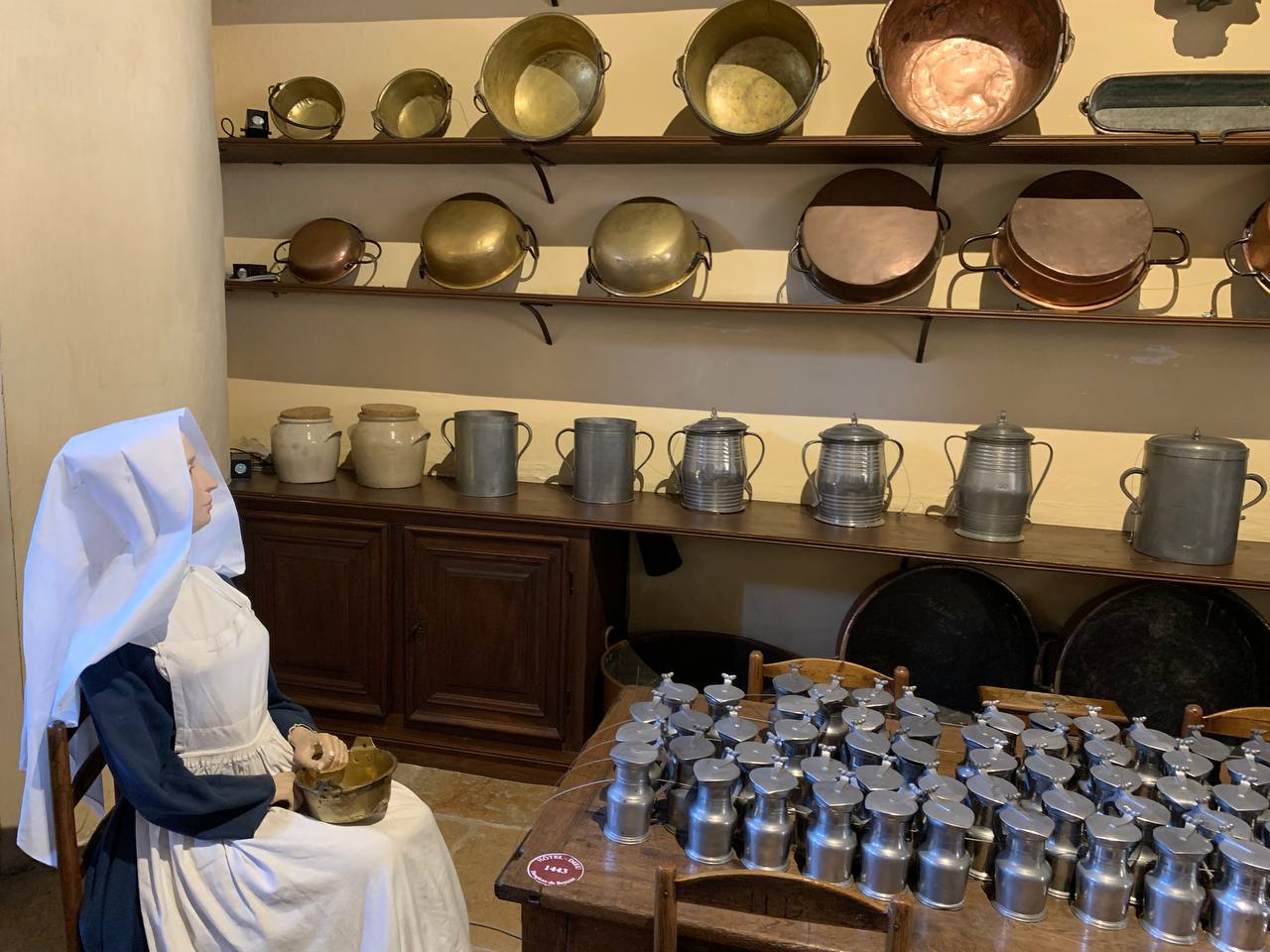
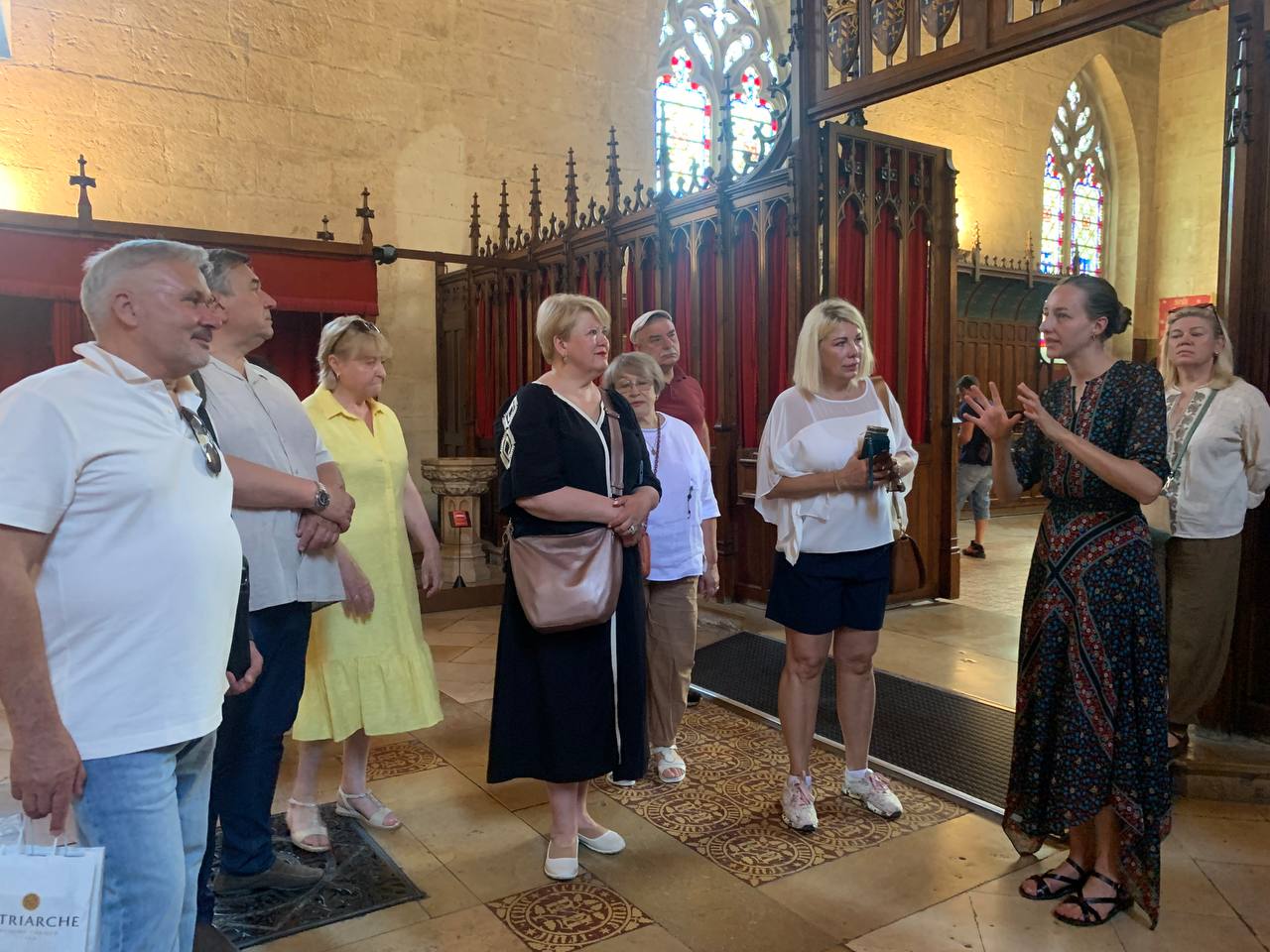
Today, the Hospices de Beaune is essentially a museum – one of the best‑preserved examples of medieval medicine. Visitors can see original instruments, the apothecary, the kitchen, the beds and the Salle des Pôvres – the hall for the sick. This hall is striking: a grand space more reminiscent of a sanctuary than a ward, yet designed for patients, with beds separated by velvet curtains, a high ceiling of timber beams and stained‑glass windows.
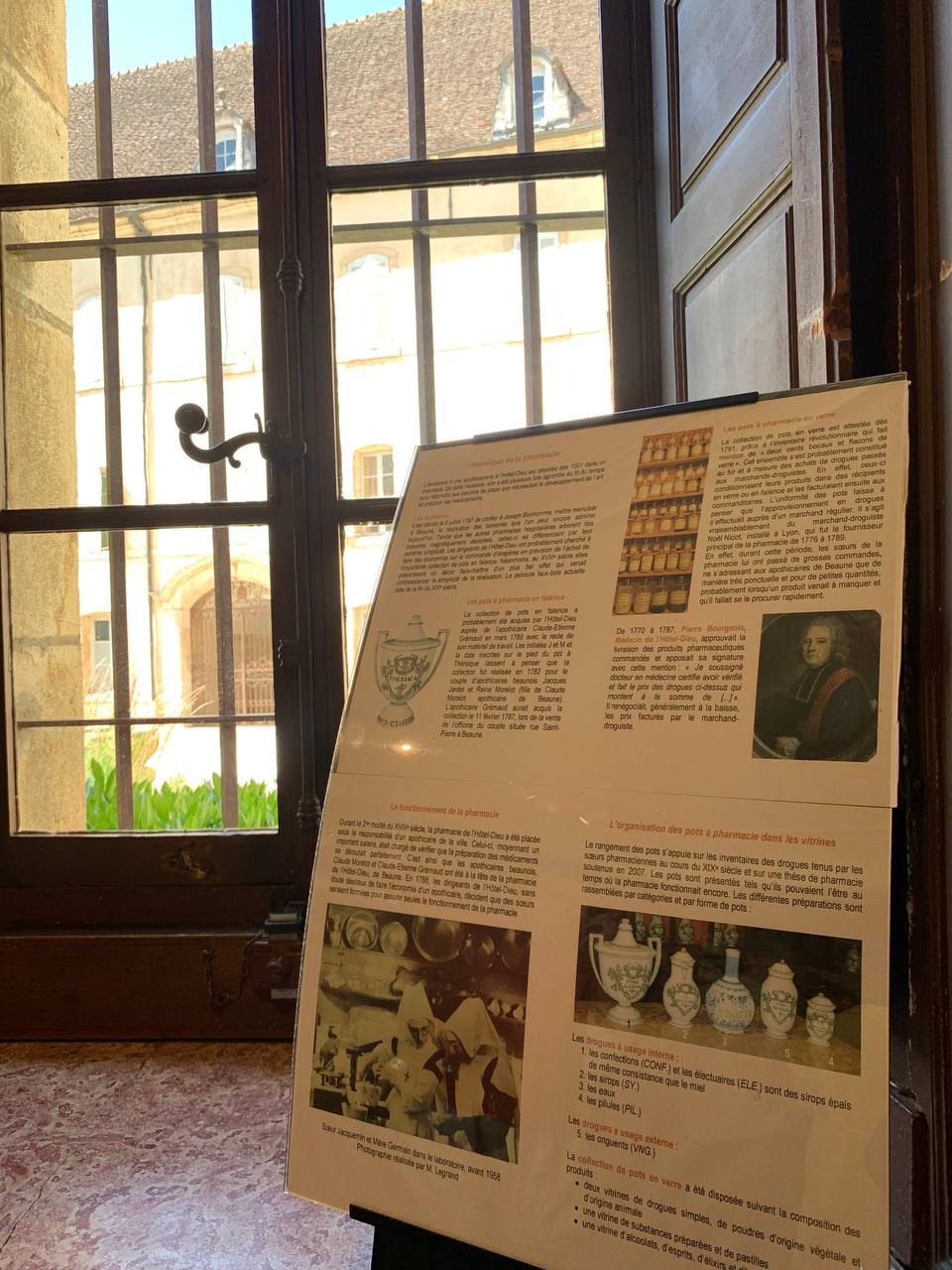
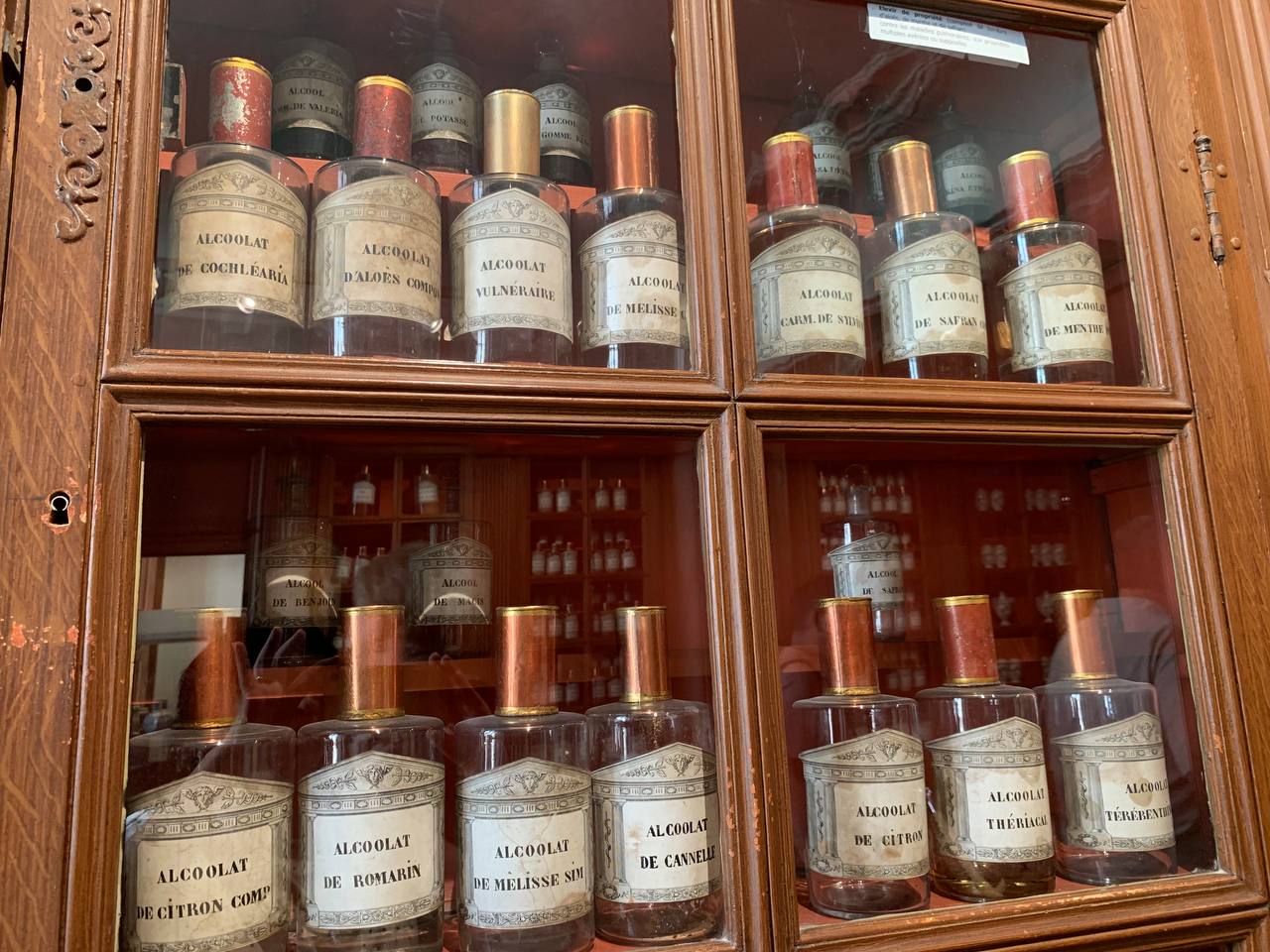
The complex included an apothecary stocked with herbs, tinctures and balms. Medicinal plants were grown in the hospital’s own garden, which still survives in one of the courtyards. The sisters used herbal preparations, syrups and balms made in the castle kitchen, as well as remedies brought from Flanders and other parts of France.
Diet formed an essential part of treatment. Food played a crucial role, especially for those weakened by famine and epidemics. Patients received warm meals, wine (which – unlike the modern stance of the healthcare system – was considered medicinal, and we suggest not disputing that), bread and soups. Strict hygiene and order were maintained in the hall: for the fifteenth century, this was truly revolutionary – clean bedding, regular ventilation. Separate zones were introduced for different types of patients, and those with infectious diseases were placed in dedicated isolation rooms.
The architecture of the Hospices encouraged light and ventilation – both regarded as part of the healing process. Later, art joined wine as a therapeutic element, and the halls of the Hospices became a place for collecting paintings. Today, millions of art and history lovers travel to Beaune to see Rogier van der Weyden’s Last Judgement polyptych – one of the most valuable works of Flemish art, displayed at the Hospices de Beaune.
Photo: WTA team, Hospices de Beaune