
Pioneering Biodynamic Winemaking in Argentina
In 2005, two heirs to winemaking families – Andrej Razumovsky (Austria) and his cousin André Hoffmann (Switzerland) – broke new ground by establishing in Mendoza Argentina’s first wine project following biodynamics and a deep respect for the land (DEMETER certified in 2010).
From the very beginning, the philosophy was simple: to listen to the vineyard and place nature at its core. We were pioneers in Mendoza with the use of concrete eggs (2009), and in Argentina with natural wine production (Breva since 2015, Pet Nat since 2020).
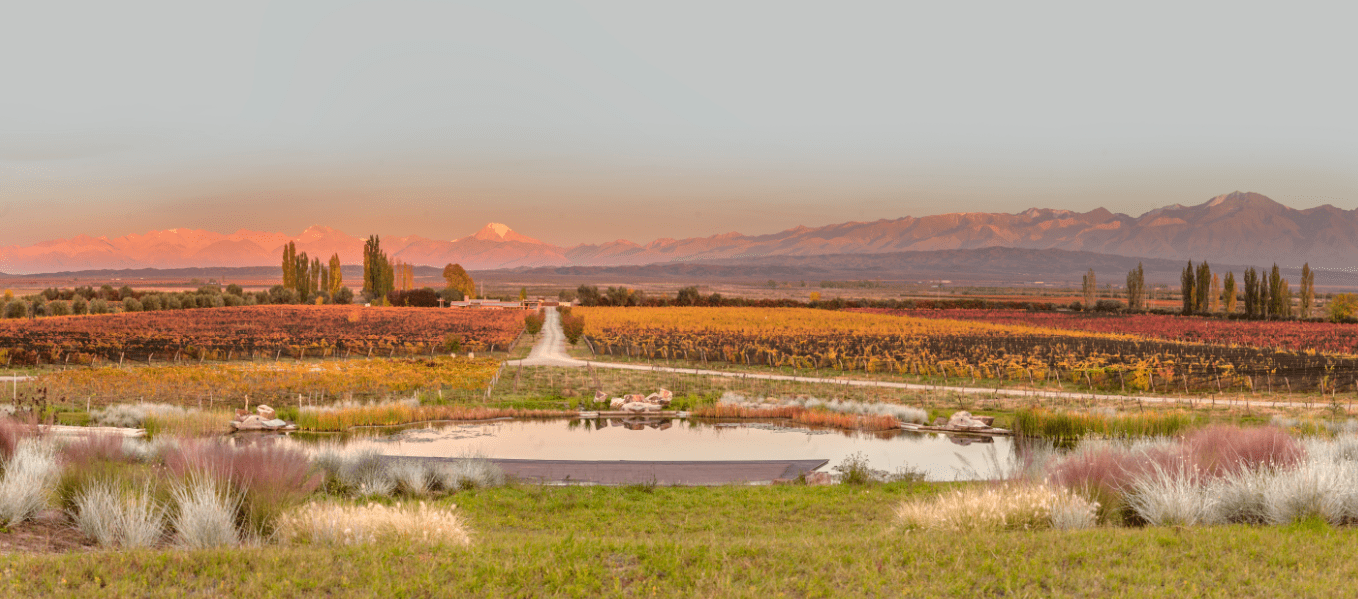
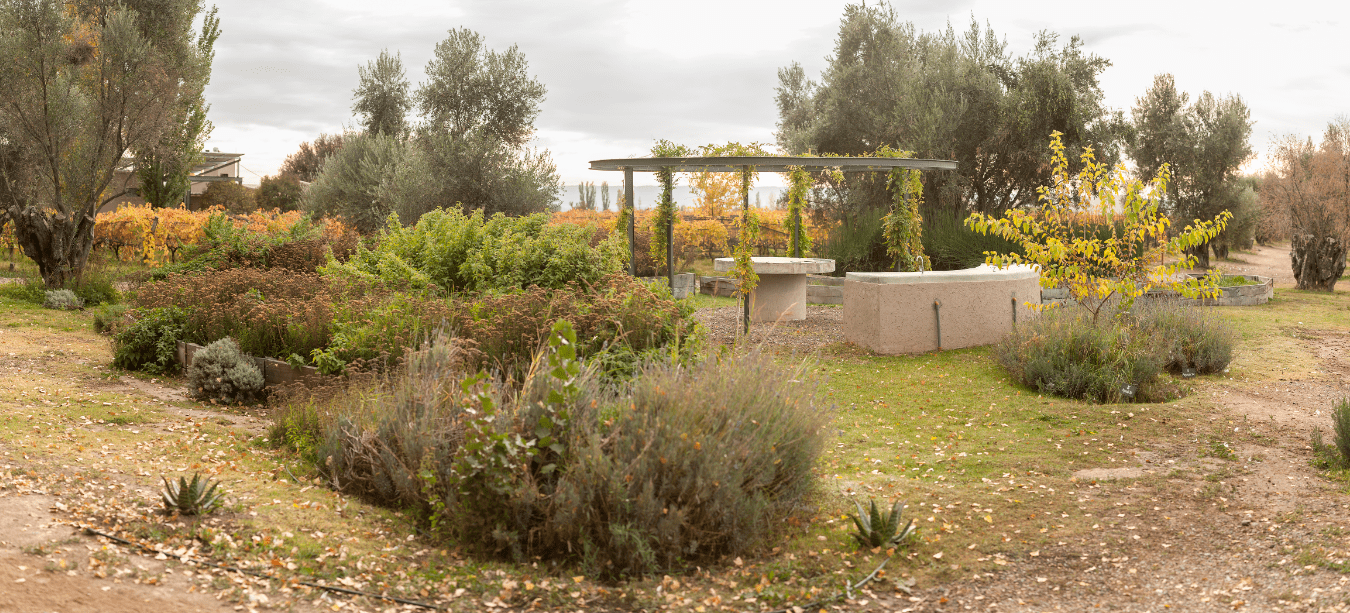
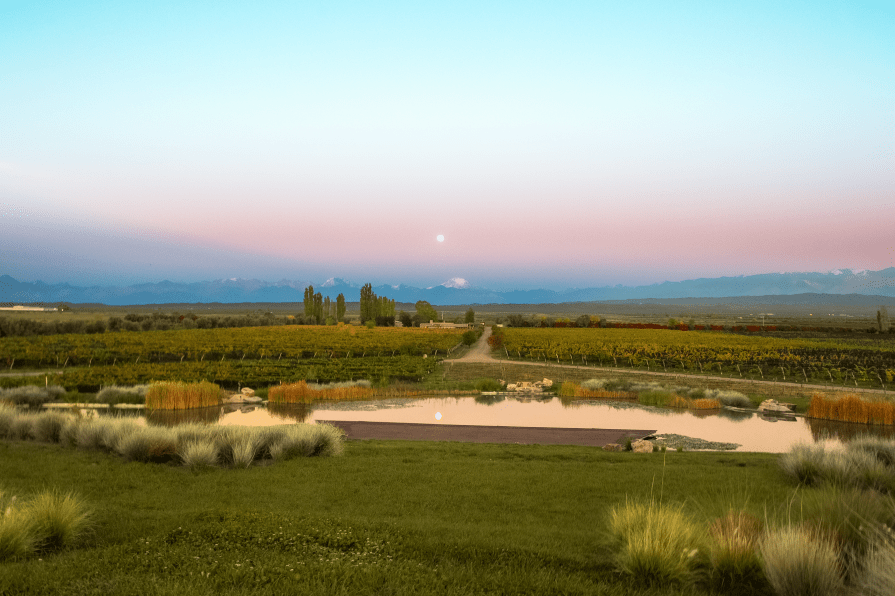
In 2022, our winery – conceived with sustainability at its heart – was fully integrated into the natural landscape.
Our environmental vision goes beyond biodynamics: this commitment has been acknowledged with the Best Of Wine Tourism 2024 (International Gold in Sustainable Practices and in Architecture & Landscapes) and Best Organic Initiative 2023 by The Drinks Business.
Within the Vineyard
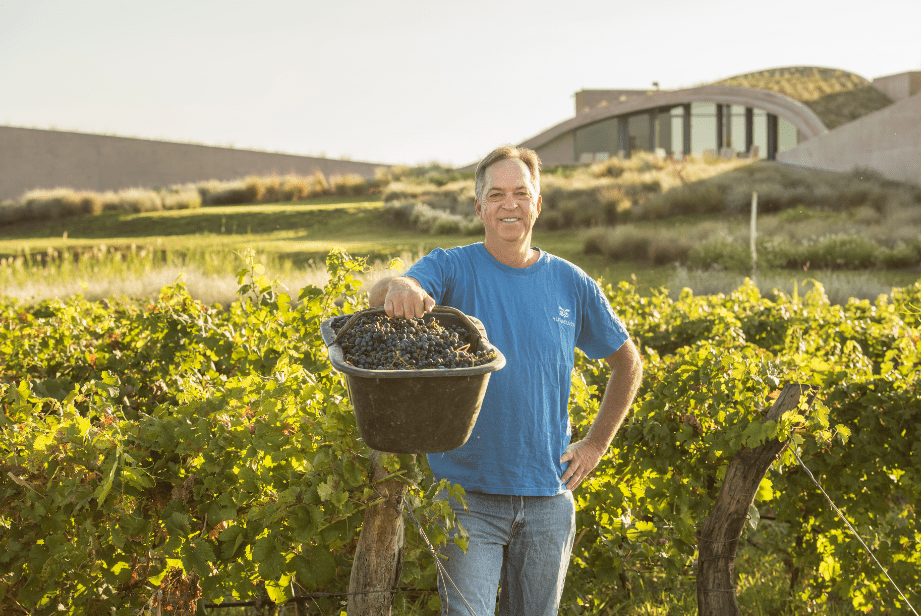
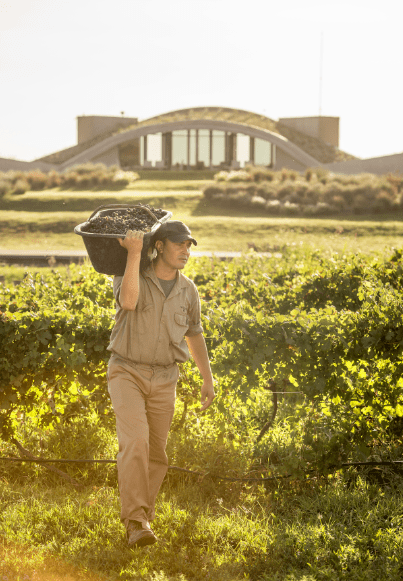
The estate and its 35-hectare vineyard lie in Ugarteche, Luján de Cuyo, at 950 m a.s.l. In an arid climate with 340 days of sunshine, on alluvial soils (sand, silt, and clay), irrigation is carried out with meltwater from the Andes through drip irrigation. The biodynamic farm maintains native cover crops to protect the soil and enhance biodiversity. The vineyard is nourished with compost produced on the estate from organic matter, strengthening microbial life. The result is a healthy, balanced, and expressive vineyard – the source of pure wines that remain faithful to their origin.

The Path We Follow
Philosophy
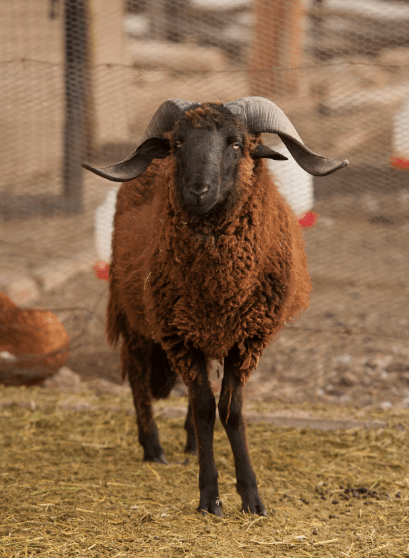
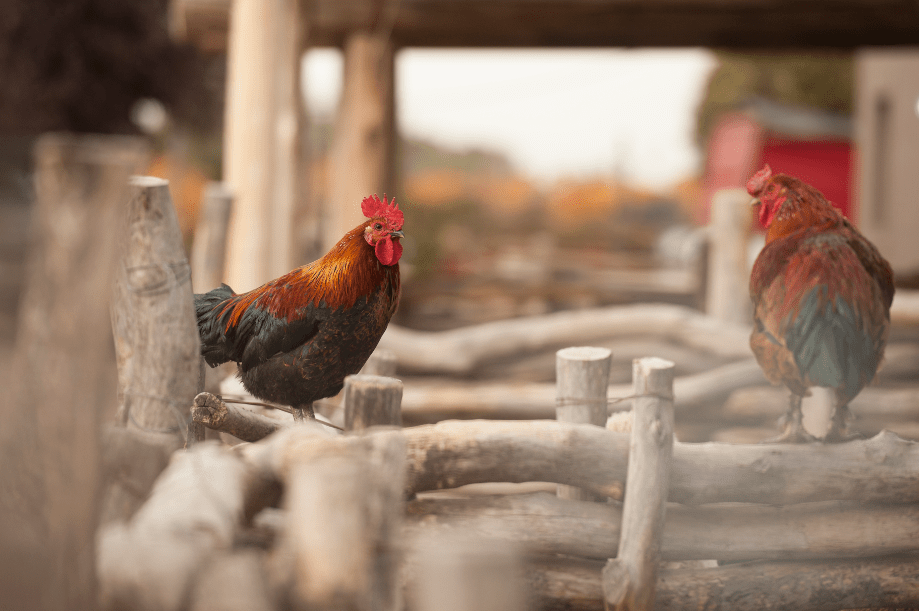
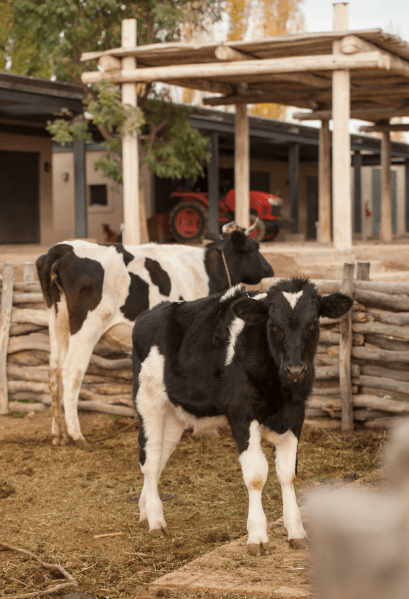
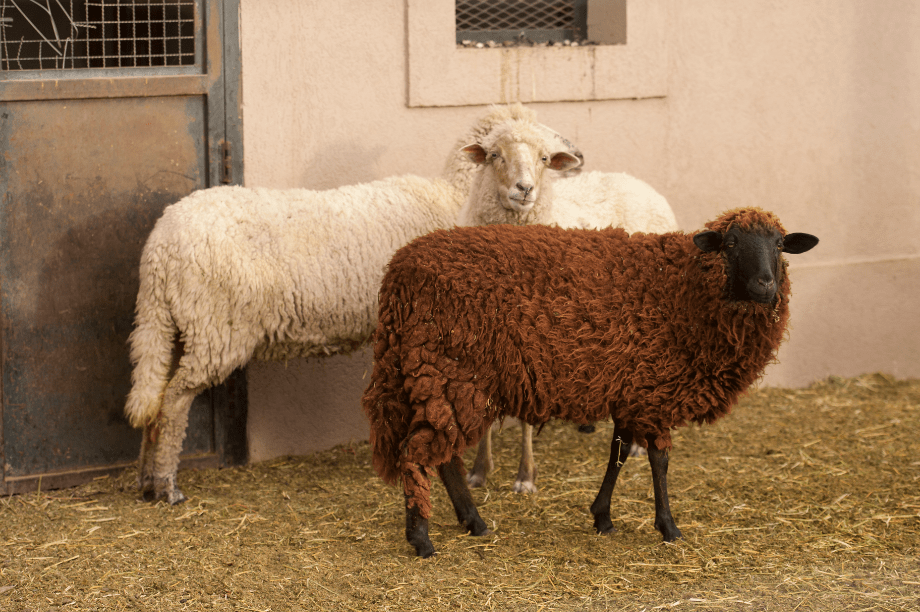
Biodynamic practices have been applied since the beginning, fostering a horizontal relationship between soil, animals, plants, and people. Wines are crafted to express their place, guided by observation and free from any external input that does not originate on the estate.
Sustainability
The estate strives to regenerate biodiversity, nurture living soils, manage water responsibly, harness clean energy, and handle waste responsibly. Composting, cover crops, a biolake, solar power, water recycling, and conscious packaging are all part of daily practice.
Winemaking
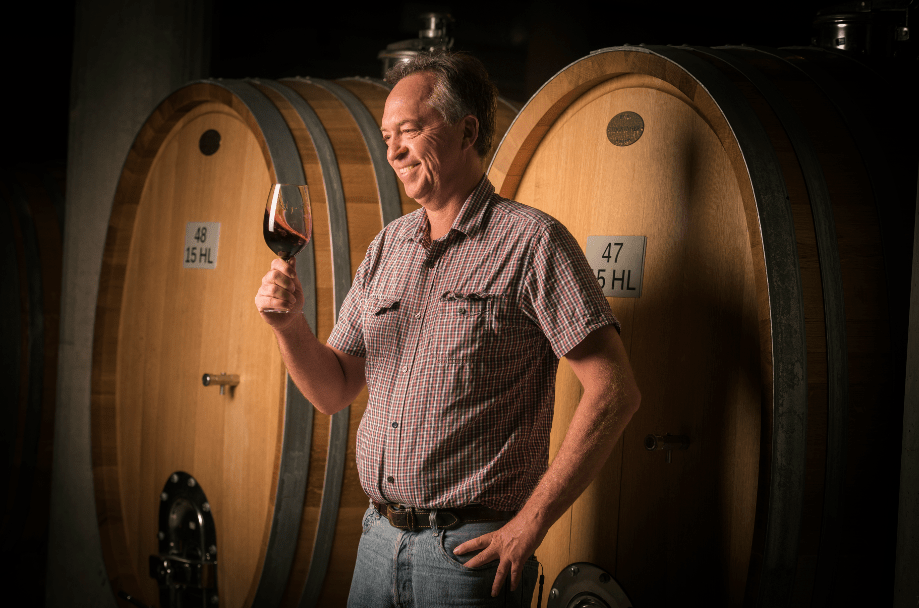
Winemaking follows minimal intervention principles: indigenous yeasts, low sulphur, fermentations in amphorae, concrete eggs, and small vessels, with precise aging in French and Austrian oak. The goal is to produce premium wines of purity and drinkability, honouring the fruit’s natural energy.