
Azienda Agricola Arrighi #134
Between the Sky and the Sea
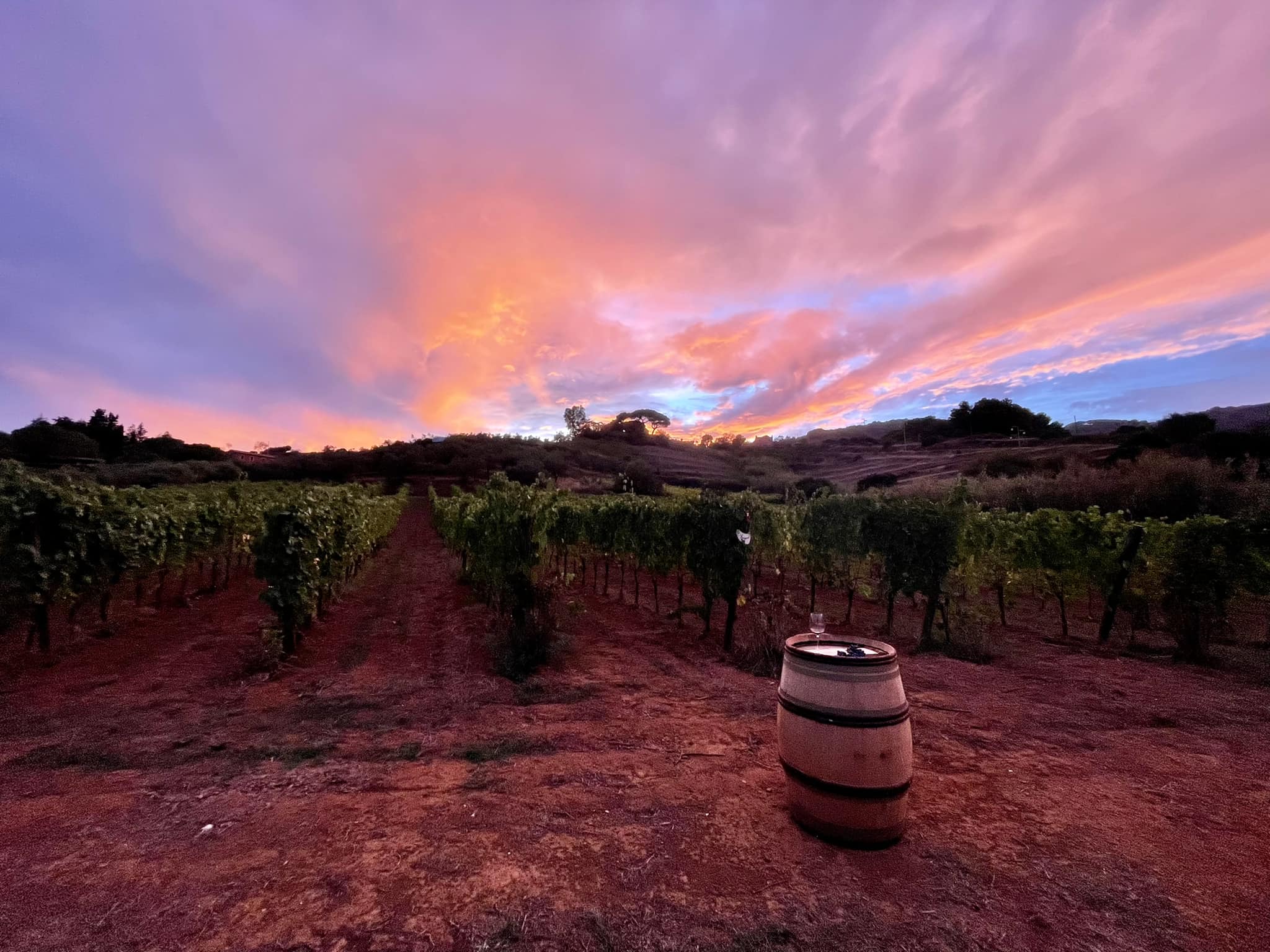
Soaring in the luminous space between sky and sea, the Arrighi vineyards are located in Porto Azzurro on the island of Elba. The estate covers 22 hectares, with 8 hectares under vine, entirely within the Tuscan Archipelago National Park – part of the UNESCO MAB Biosphere Reserve “Islands of Tuscany.”
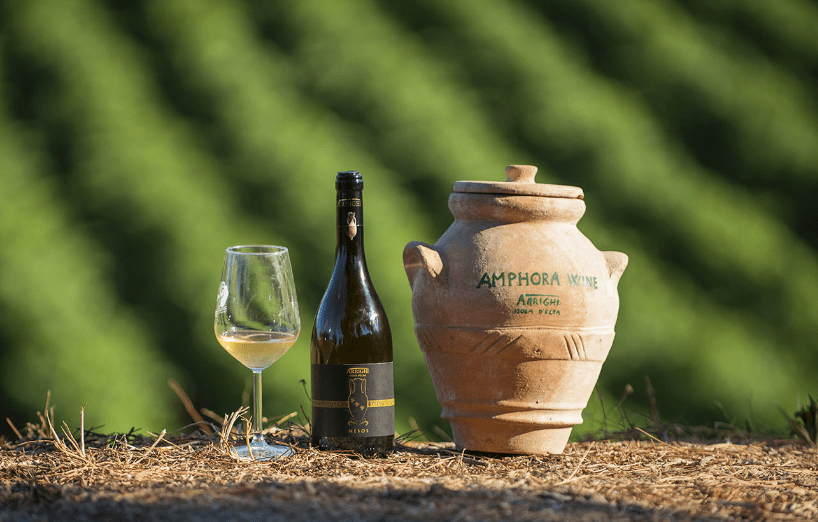
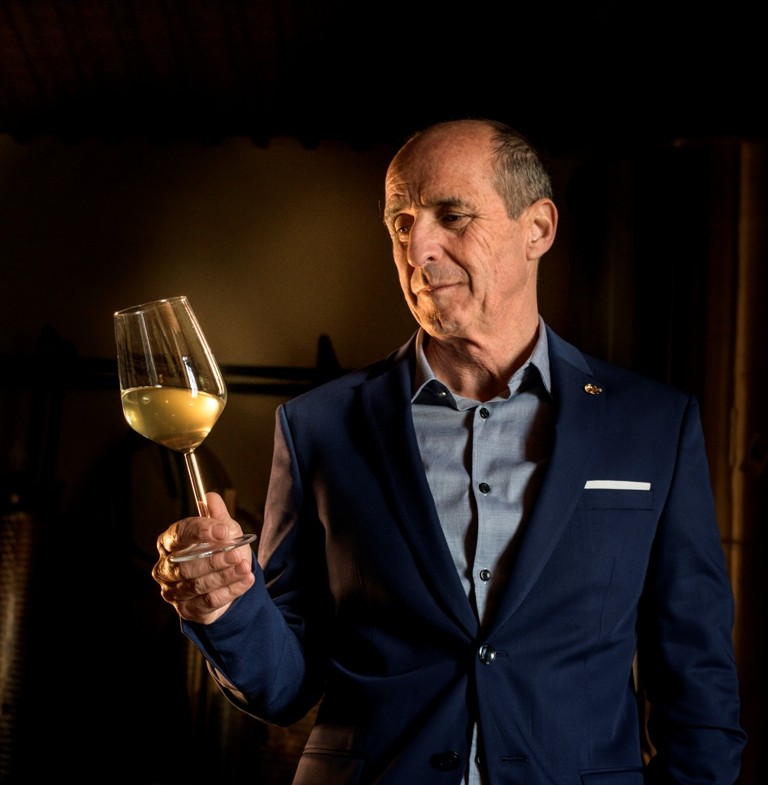
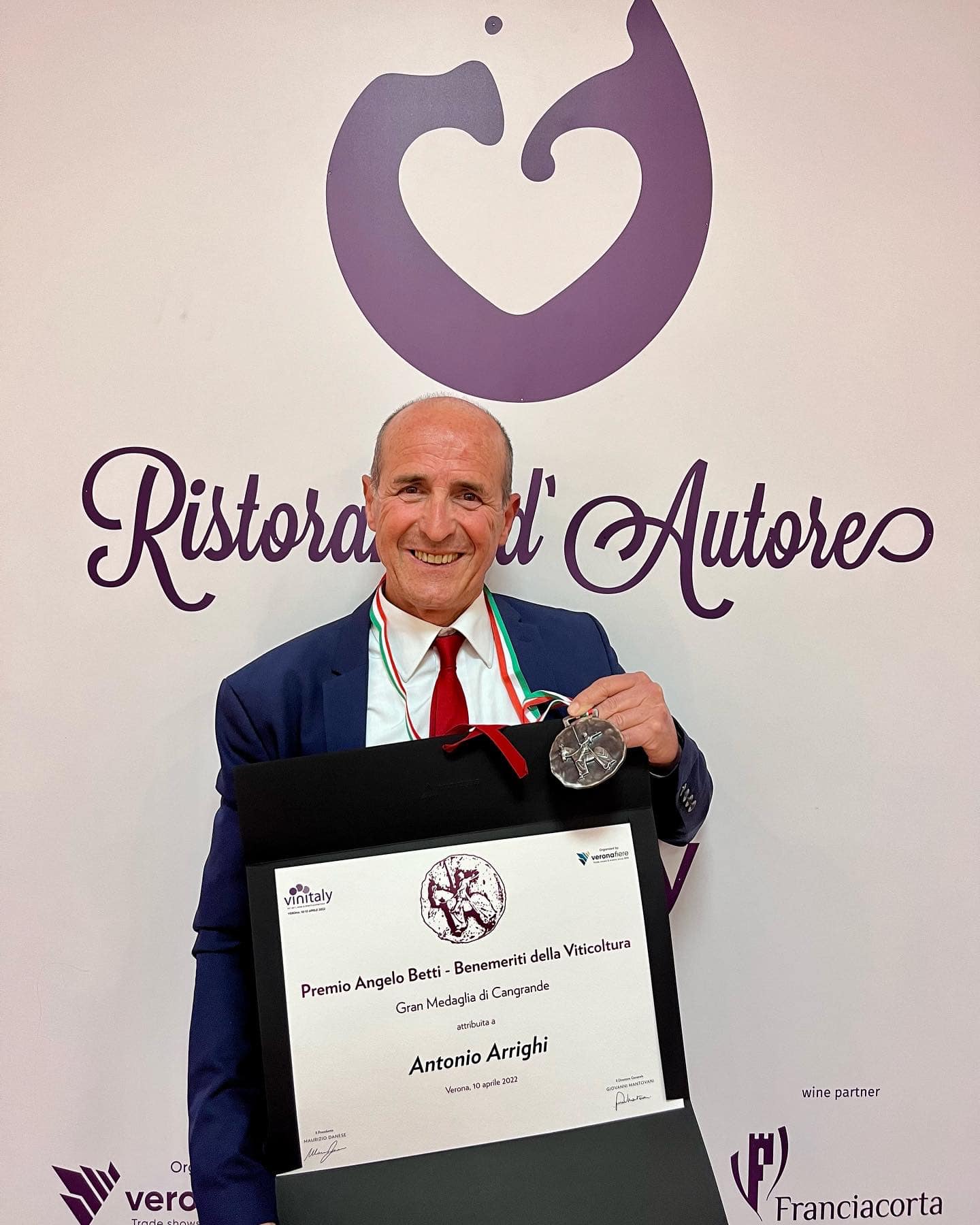
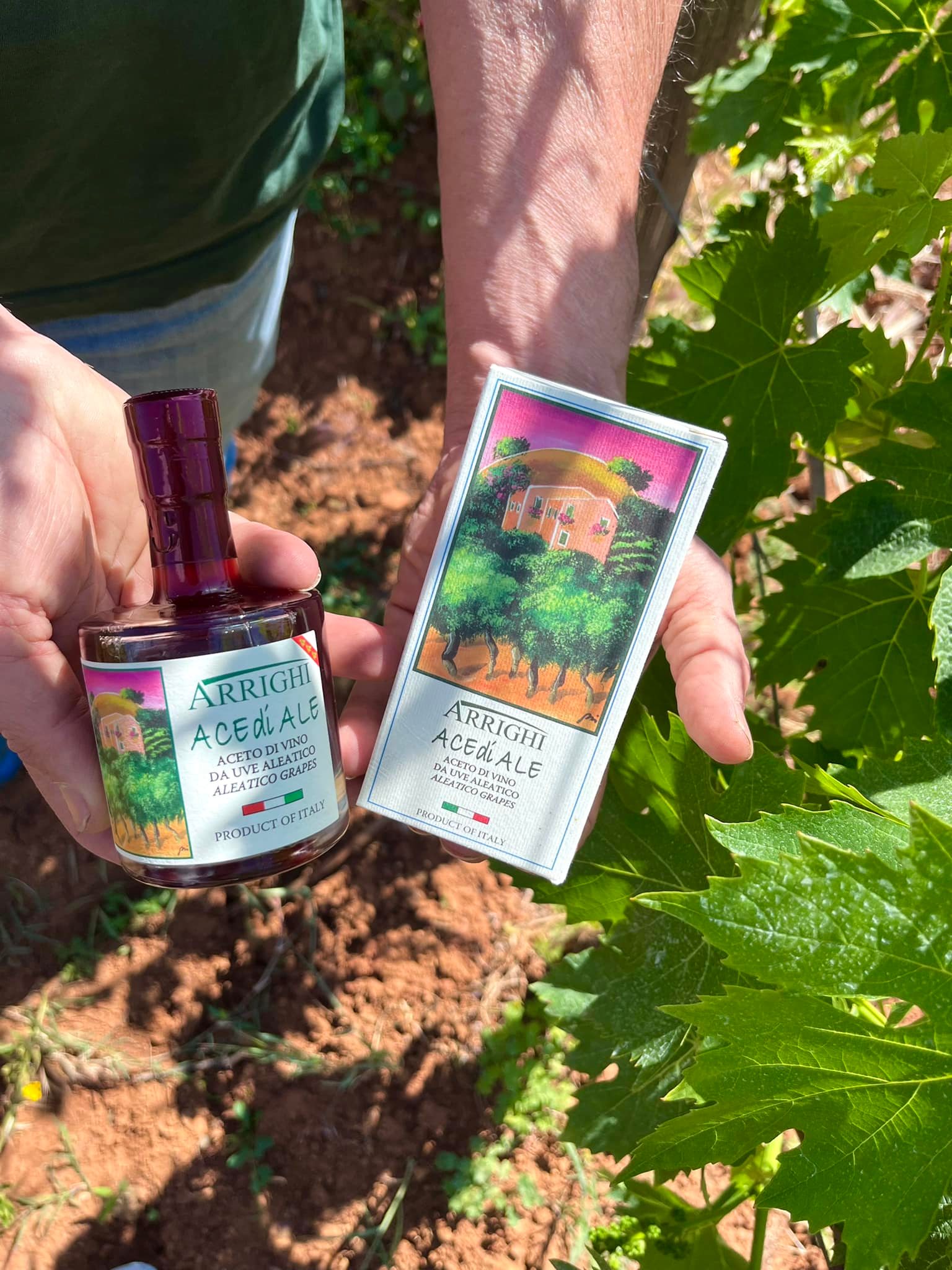
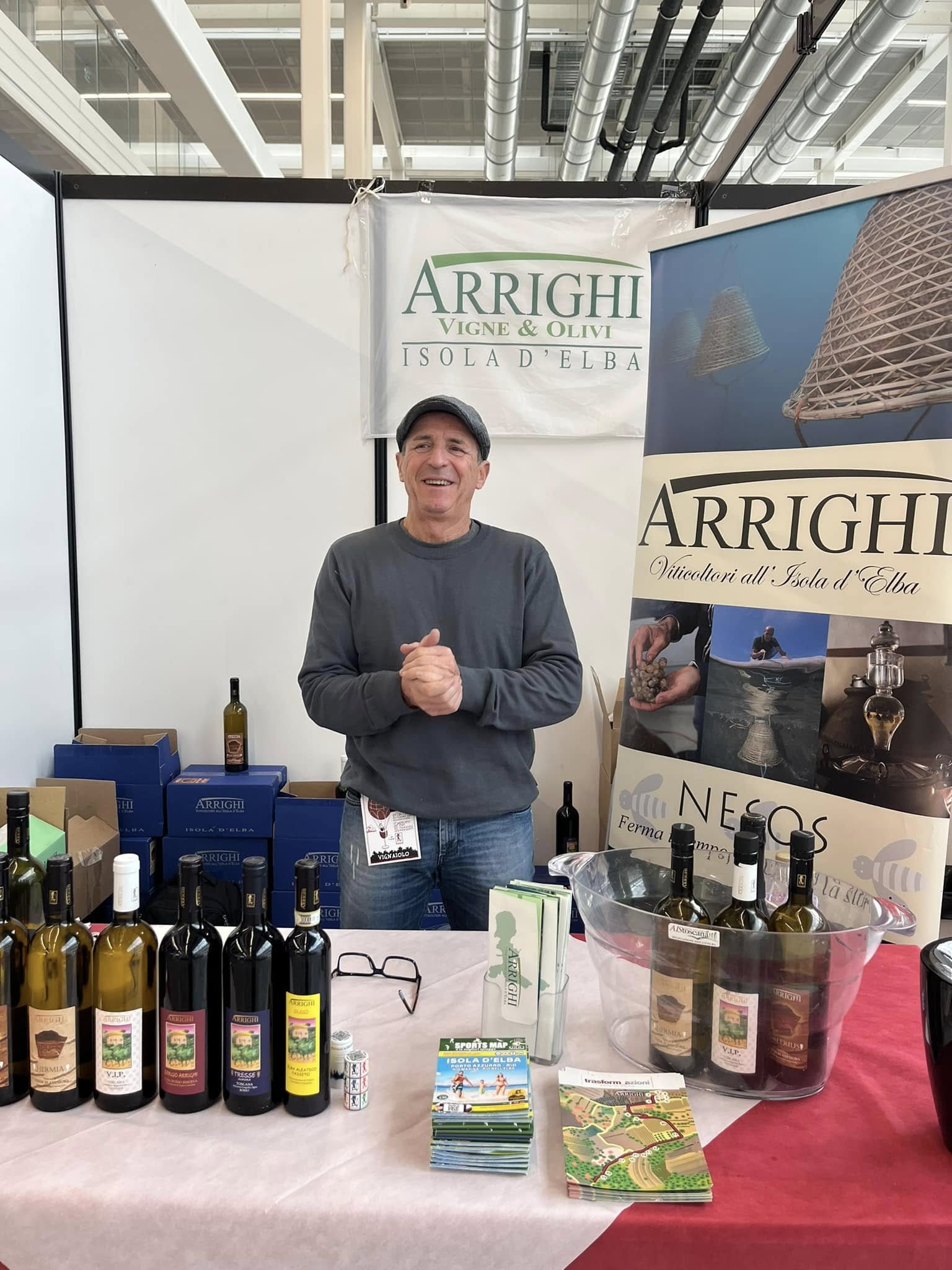
Set in a natural amphitheatre overlooking the sea, the vineyard enjoys a unique microclimate that enhances the natural balance between land, climate, and vine. Here, Antonio Arrighi, a winemaker since 1970, continues the family legacy now in its fifth generation, combining deep-rooted tradition with innovative techniques, including the distinctive use of amphorae in winemaking. Alongside its wines, Azienda Agricola Arrighi also produces olive oil, vinegar, Limoncino, and Arancino, expressing the estate’s holistic agricultural vision.
“My experiments often revisit historical wine and vinegar recipes. I am passionate about rediscovering what has been forgotten and introducing it to the modern world.”
Reviving the Past, Shaping the Future
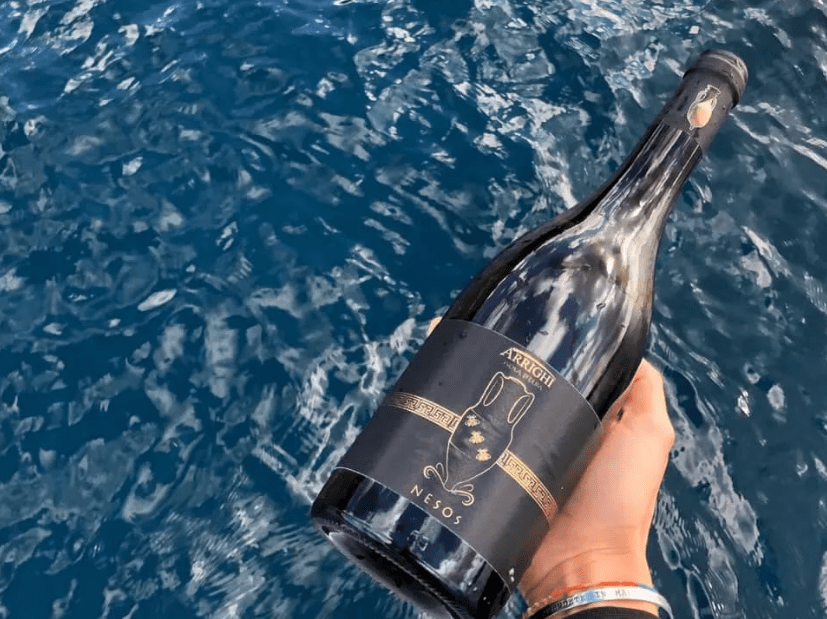
Often described as a multitalented wine entrepreneur, Antonio Arrighi has earned this reputation through his constant spirit of experimentation and unwavering curiosity. Based on the island of Elba, his winery is widely regarded as one of the most distinctive in the region. Humble in character yet deeply immersed in the history of winemaking, Arrighi combines the roles of skilled technologist, innovative producer, and renowned oenologist-archaeologist. In 2019, international attention turned to his project Nesos – the so-called “underwater wine.” The presentation generated extraordinary interest: of the several hundred journalists who arrived for the press conference, only about half could be accommodated. Those fortunate enough to taste this vino marino describe its organoleptic profile as truly unique – unlike anything produced in modern winemaking. It is hardly surprising, considering the recipe that inspired the project dates back more than 2,000 years.

Unique wine by Antonio Arrighi
Wine – according to Galileo Galilei – is a composite of mood and light. Speaking about the Elbe winery it would be appropriate to expand it a bit: – a composite of mood, light and the sea.
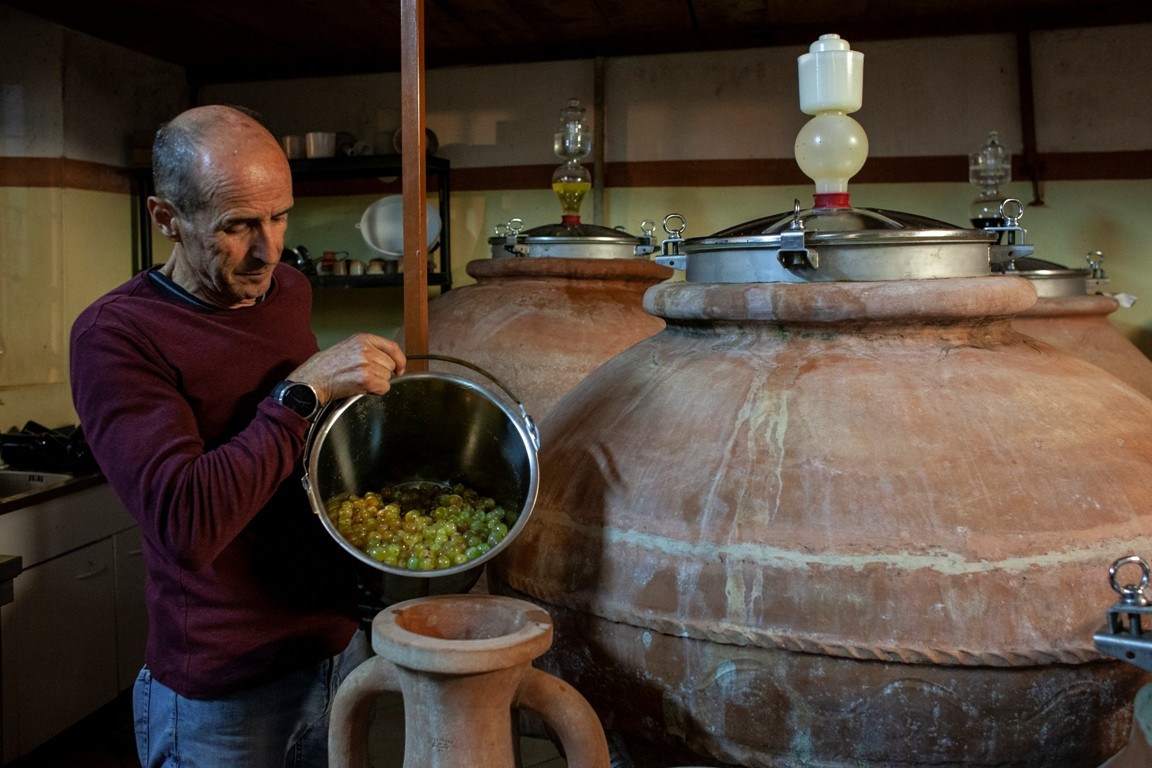
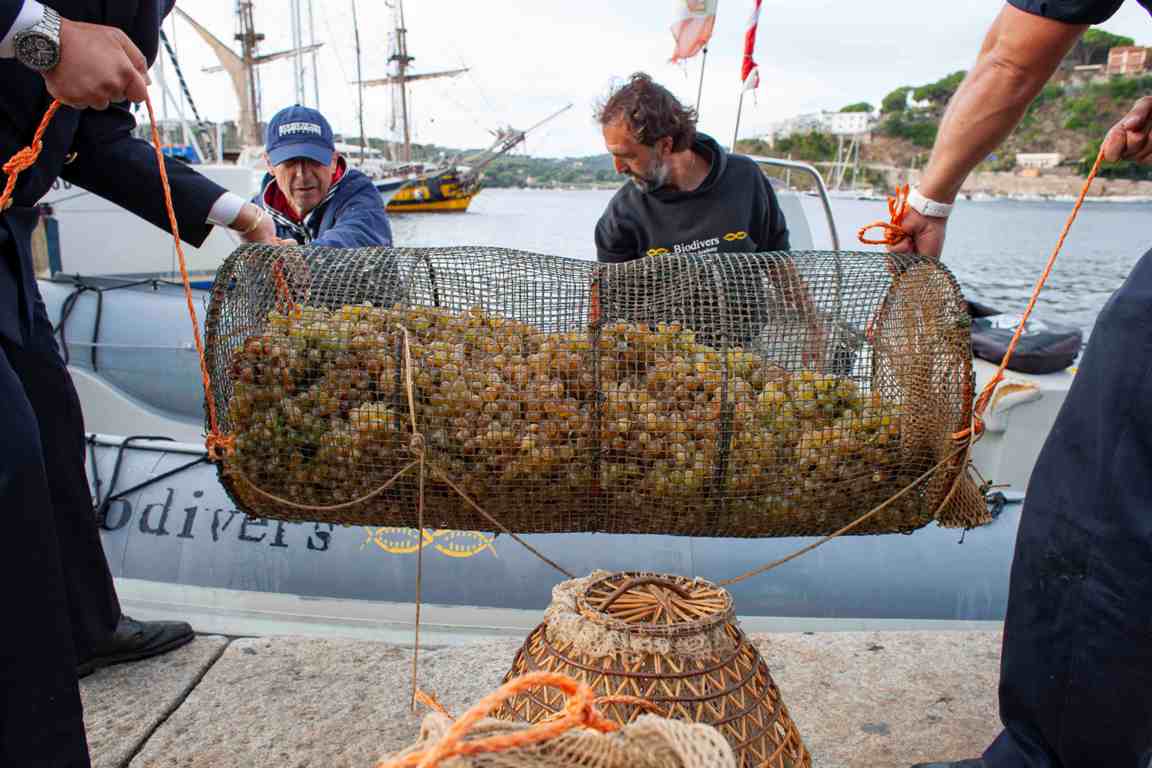
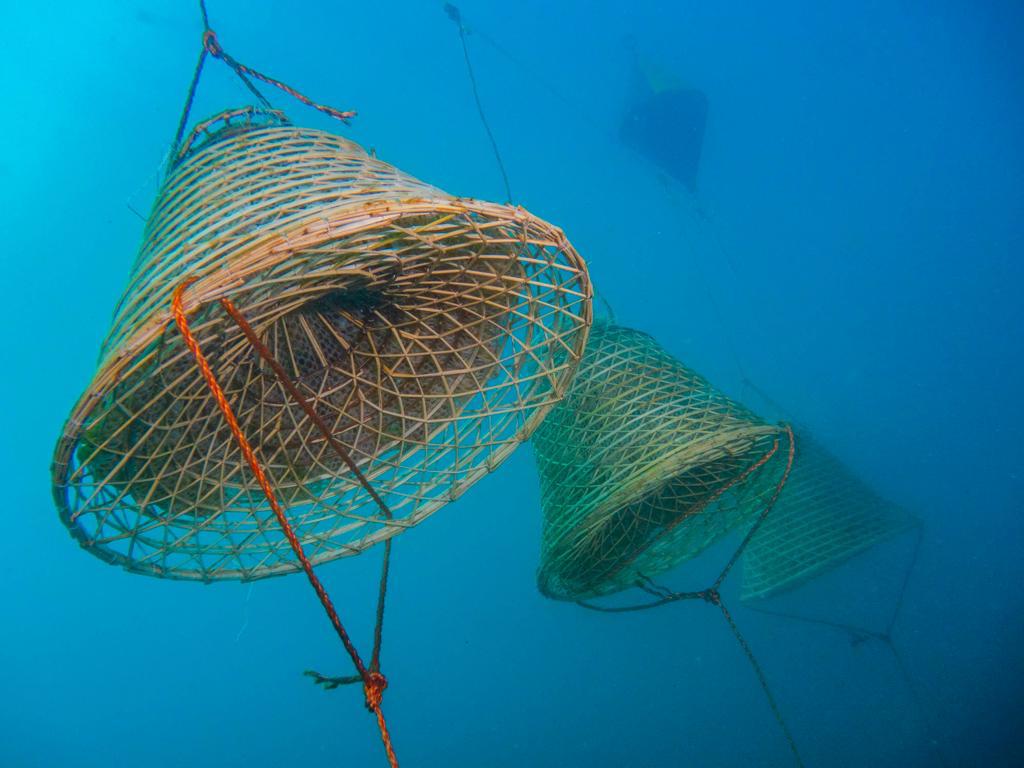
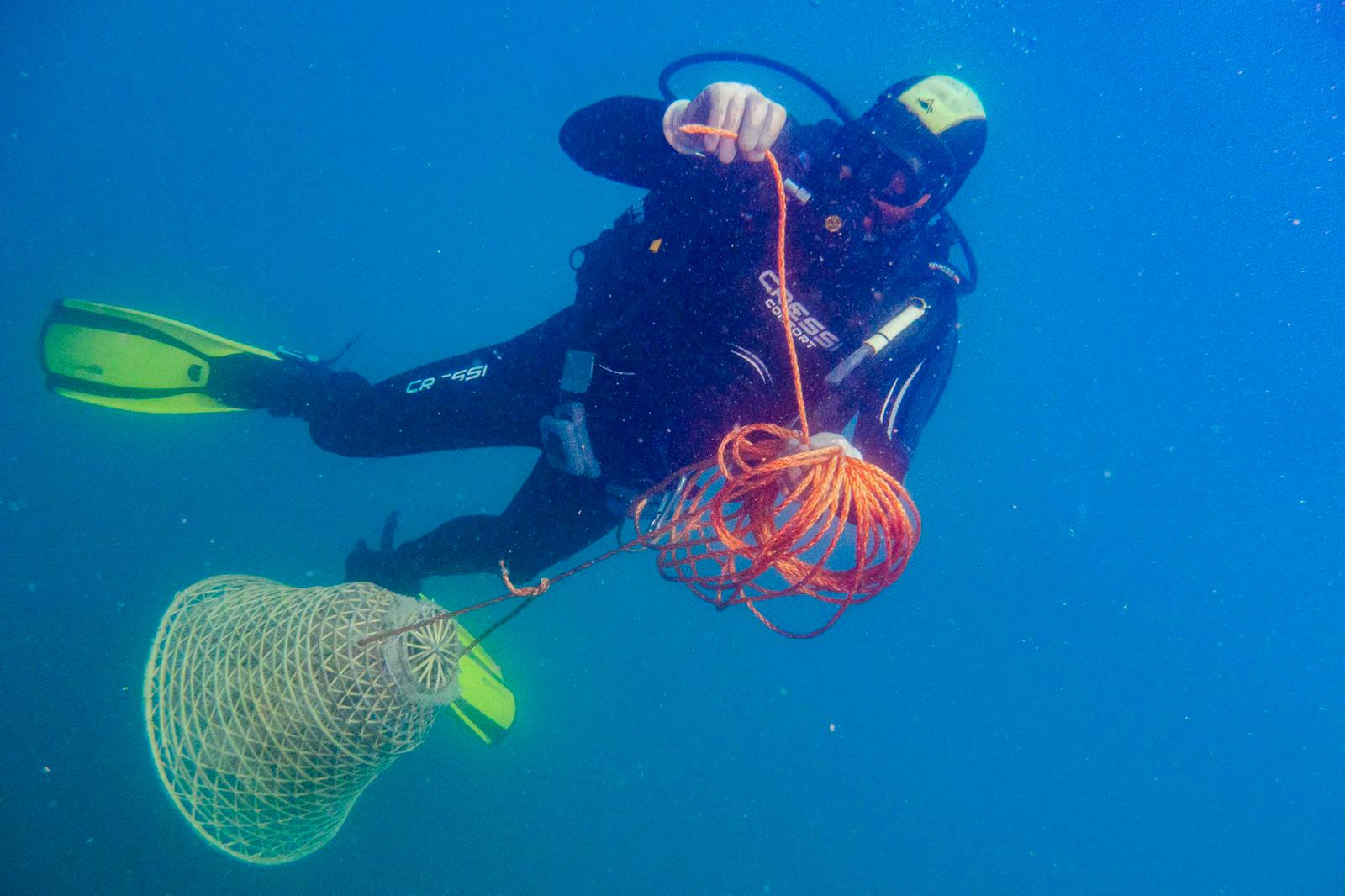
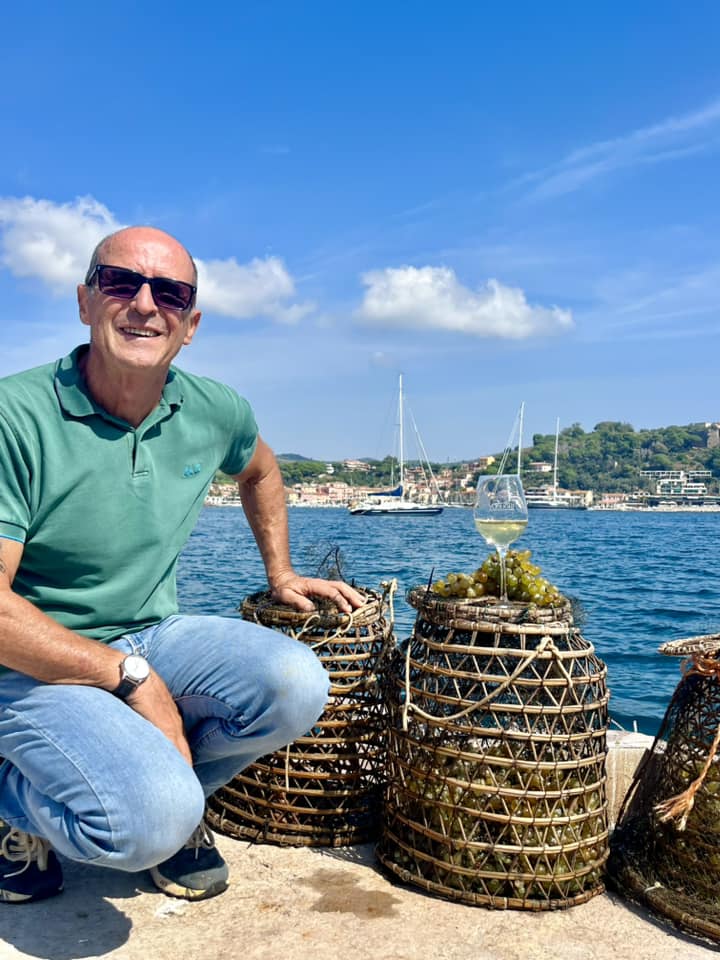
The vine used is Ansonica, the grapes were immersed in the sea for 5 days between 7 and 10 meters deep, protected in wicker baskets. This process made it possible to eliminate part of the superficial bloom, thus accelerating the subsequent drying in the sun on the straws, preserving the aroma of the vine. During the days of immersion, the sea salt also penetrates inside by “osmosis”, without damaging the grape. The subsequent passage of the grapes takes place in terracotta amphorae with all the skins, after the separation of the stalks, without the addition of selected yeasts, sulphites and without any stabilization. The presence of salt in the grapes, with a disinfectant effect, has allowed us not to use sulphites, resulting in the production, after a year of refinement in the bottle, of an extremely natural wine, very similar to the one produced 2500 years ago on the island of Chios, a small island in the eastern Aegean, which was part of that small elite of Greek wines defined by Varrone as “the wines of the rich”.
“We experimented a lot, which allowed us to determine the required time for the grapes to stay under water, and this is five days. Otherwise, the grapes would become unsuitable for wine production. Then – drying and withering in the air”.
Tra Terra, Mare e Memoria
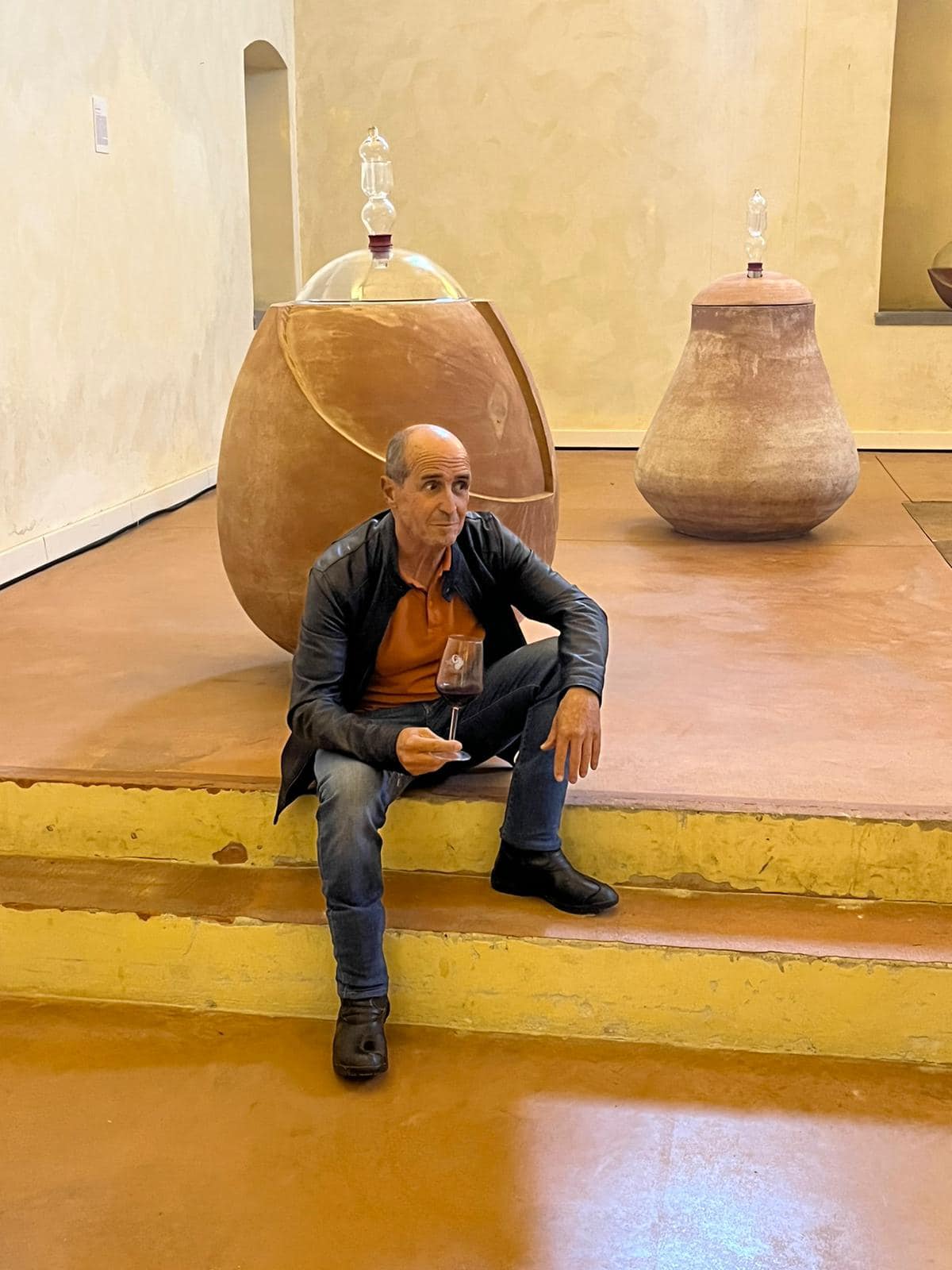
The revival of ancient techniques – including amphora winemaking – represents a conscious return to the origins of viticulture, rediscovering the authentic aromas and textures of wines once known to antiquity. In this vision, both land and sea become essential protagonists in the creation of Nesos, the marine wine.
The project was developed by Azienda Agricola Arrighi in collaboration with Professor Attilio Scienza of the University of Milan, together with Angela Zinnai and Francesca Venturi from the Viticulture and Oenology programme at the University of Pisa. Following extensive research and experimentation, Nesos was released as an exclusive production of just 240 numbered bottles.
As Antonio Arrighi explains, the discovery of ancient wine amphorae – particularly the “dolia defossa” uncovered during archaeological excavations on Elba – served as the inspiration for reviving amphora-aged wines and reinterpreting them for the modern world.
Photo: facebook.com/Aziendaagricolaarrighi